
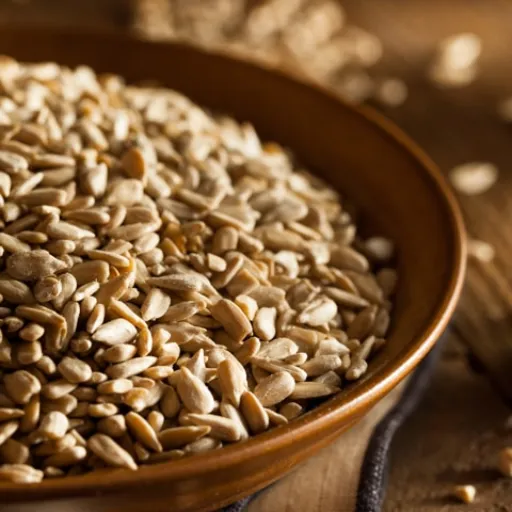
The Science of Desiccation: A Professional Guide to Drying Seeds

Successful seed preservation hinges on reaching a precise equilibrium moisture content without compromising the living embryo. While drying seeds may seem straightforward, the process requires a controlled transition where temperature and airflow are balanced to prevent cellular collapse or premature decay. Whether you are managing small garden lots or commercial quantities, understanding the physics of desiccation is the only way to ensure high germination rates and long-term viability in storage.
Why Equilibrium Moisture Content is the Metric That Actually Matters
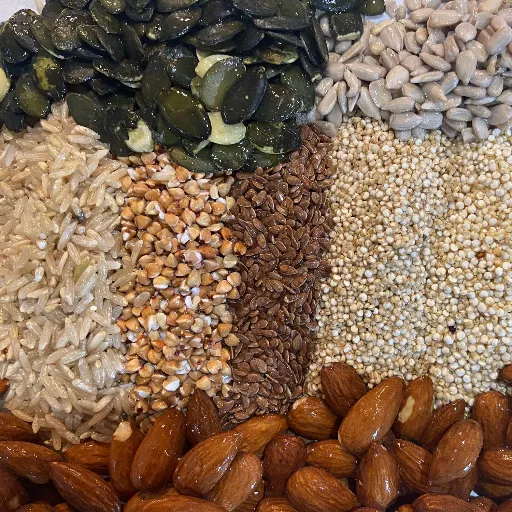
When drying seeds, most people focus on the passage of time, but time is a deceptive variable. The real objective is reaching Equilibrium Moisture Content (EMC). This state occurs when the vapor pressure within the seed matches the vapor pressure of the surrounding air. At this point, the seed neither gains nor loses water.
Industry observation suggests that seed longevity doubles for every 1% decrease in moisture content, provided you stay within a safe physiological range. If you pull seeds from a drying rack while the ambient humidity is 65%, they may feel dry to the touch, yet their internal moisture remains high enough to fuel fungal respiration.
A realistic scenario: a batch of heritage corn is stored at 14.2% moisture. Within months, the latent metabolic heat triggers “hot spots,” potentially destroying the entire lot. For most species, reaching a stable EMC relative to an environment of 20% to 30% humidity is the standard for professional preservation. This isn’t just about removing liquid; it’s about achieving a chemical stasis that puts the embryo into a deep, protected sleep.
Thermal Boundaries
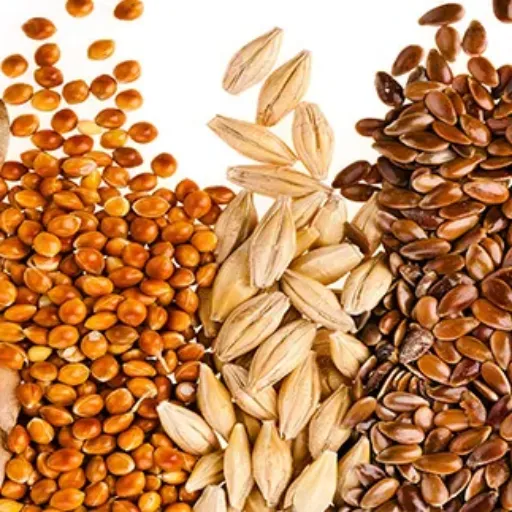
Precision in drying seeds is essentially a thermal balancing act. While heat accelerates evaporation, it simultaneously threatens the delicate proteins within the seed. Industry observation suggests that most seeds lose significant viability if the internal temperature exceeds 42°C for any extended duration. Maintaining a consistent delta between the air temperature and the seed temperature is the only way to ensure the moisture leaves the core without cooking the contents.
Avoiding Embryo Mortality at Elevated Temperatures
The embryo is a living organism in stasis; it is not merely a dry commodity. High heat denatures the enzymes required for future germination. A practical example is seen in forest tree seeds, which often require temperatures as low as 32°C to 35°C to remain viable. If a dryer spikes to 50°C even for an hour, the “kill rate” can exceed 85%. Cautious monitoring of the exhaust air temperature often provides the most accurate data on whether the heat is penetrating the seed too aggressively.
The Impact of Rapid vs. Slow Dehydration on Seed Coat Integrity
Speed is a tempting goal, but rapid desiccation often leads to “case hardening.” In this realistic scenario, the outer coat dries so quickly it becomes an impermeable barrier, trapping a reservoir of moisture inside the core. This moisture eventually causes the seed to rot from the inside out during storage.
Slow dehydration, ideally reducing moisture by no more than 1% to 2% per hour, allows the seed coat to contract naturally. This maintains the integrity of the protective shell. Without this gradual shrinkage, the coat may develop microscopic fissures, leaving the seed vulnerable to fungal pathogens and oxygen-driven degradation over time.
How Does Seed Type Influence the Choice of Drying Technology?
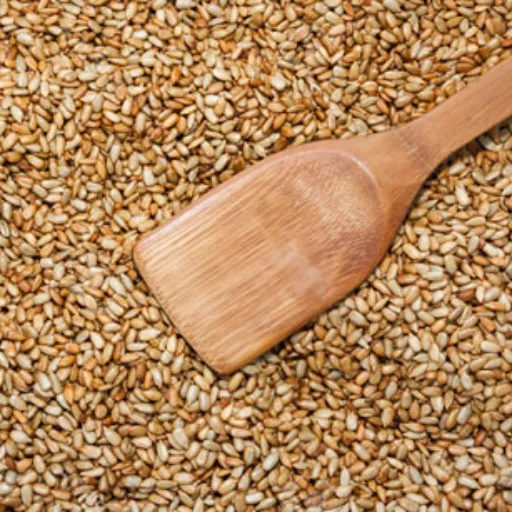
The physical architecture of a seed determines how it surrenders its water. While a thin-coated cereal grain might dry efficiently in a standard cross-flow dryer, an oily sunflower or flax seed requires a far more nuanced thermal profile. High oil content effectively reduces the volume available for water, meaning the “free” moisture is more concentrated and prone to rancidity if heated too aggressively.
Industry observation suggests that the density of the seed batch also plays a role in equipment selection. Smaller, lighter seeds like clover can become entrained in high-velocity airflow, necessitating fluidized bed dryers that keep the particles suspended without blowing them into the exhaust system. Conversely, heavy legumes often require high-torque mechanical stirring to prevent “dead zones” in the drying bin where moisture can pool and spark fermentation.
Wet Extraction vs. Dry Harvesting Methods
Drying logistics begin the moment the seed leaves the parent plant. Seeds from fleshy fruits—tomatoes or melons, for instance—undergo wet extraction, leaving them saturated at moisture levels often exceeding 48%. These require an immediate high-volume air blast to remove surface water before mold can set in. Dry harvested seeds, like corn or soy, usually arrive at the facility closer to 18% or 22% moisture. For these, the technology shifts from rapid surface drying to deep-tissue moisture migration, which is a much slower, energy-intensive process.
Managing Mucilaginous Coatings During the First 24 Hours
Certain seeds, such as basil or tomato, possess a pectin-rich mucilaginous coating that becomes incredibly adhesive when wet. In a realistic scenario, failing to agitate these seeds during the initial 24-hour drying window results in a solid, brick-like mass that is nearly impossible to separate without damaging the seed coats.
A practical example of effective management is the use of vibrating tray dryers. By keeping the seeds in constant, subtle motion, the mucilage dries into a thin, brittle film rather than a communal glue. This mechanical agitation ensures that air can reach 100% of the seed surface area, preventing localized pockets of high humidity.
Large Seed Challenges: Internal vs. External Moisture Gradients
Large seeds like beans or acorns face the “internal reservoir” problem. Because of their volume, the exterior can reach equilibrium with the air while the core remains dangerously damp. This creates a moisture gradient; if the exterior dries too quickly, it shrinks and cracks, a process known as checking. Cautious management involves “tempering” periods where the heat is turned off, allowing internal moisture to migrate to the surface naturally. This prevents the outer 2mm from becoming brittle while the center stays at a life-threatening 15% moisture.
5 Critical Failure Points in Commercial Seed Drying Operations

Commercial scale-up transforms drying seeds from a craft into a high-stakes engineering challenge where small oversights cascade into total batch loss. Industry observation reveals that the most frequent point of failure is actually sensor placement. If a probe is positioned too close to the heat source rather than deep within the seed mass, the system reads a “false safe,” leaving the core of the bin at a temperature that effectively sterilizes the embryos.
A realistic scenario: an operator increases the air velocity to meet a tight deadline, unaware that the static pressure has peaked. This leads to channeling, where air finds the path of least resistance—usually along the bin walls—leaving a stagnant, wet “chimney” of seeds in the center. Within 48 hours, this undetected moisture can raise the respiration rate, causing a localized temperature spike that may hit 46°C, well above the safety threshold for most legumes.
Inadequate tempering is the third silent killer. Removing heat too quickly before the moisture has equalized leads to structural stress. Cautious management requires a “cooling down” phase that matches the natural desiccation rate.
The fourth failure point is cross-contamination in the plenum. In facilities processing multiple varieties, even a 0.2% carryover of a different seed type can ruin the genetic purity of a certified lot. Finally, ignoring ambient dew point fluctuations often causes “re-wetting” during night shifts. If the intake air isn’t dehumidified when the sun goes down, the dryer essentially begins pumping moisture back into the seeds, undoing hours of expensive thermal work and inviting fungal colonization.
Airflow Dynamics
Moving air is the vehicle that carries moisture away, but its efficiency is governed by the laws of fluid mechanics. In the context of drying seeds, the volume of air—measured in cubic meters per minute per ton—must be high enough to prevent saturation but not so fast that it creates a localized deep-freeze effect through evaporative cooling. If the velocity is too low, the bottom layers of the seed bed dry while the top layers remain in a “wet zone,” potentially sprouting or molding before the moisture can be evacuated.
Industry observation shows that static pressure is the invisible barrier here. As seeds get smaller, the gaps between them shrink, requiring much more powerful fans to push air through the mass. A realistic scenario involves a batch of poppy seeds where the resistance is so high that the fan motor begins to draw excessive current, risking a mechanical shutdown. Cautious calibration of bed depth is often the only way to maintain a consistent 0.15 to 0.25 meters per second velocity through the product.
The Role of Relative Humidity in Desiccant-Based Systems
When ambient humidity is high, heat alone is an expensive and risky way to dry. This is where desiccant-based systems shine. Instead of raising the temperature to “force” the seeds to give up water, these systems use materials like silica gel or molecular sieves to strip moisture from the air before it ever enters the drying chamber.
A practical example is the preservation of high-value vegetable seeds. By keeping the intake air at a relative humidity of roughly 12% to 15%, you can achieve deep desiccation at a cool 21°C. This avoids the “sweating” effect where warm, moist air hits a cooler surface and condenses back into liquid. Lowering the humidity rather than raising the heat preserves the delicate cellular membranes, ensuring that when the seeds are eventually planted, they possess the vigor needed to break through the soil surface.
Calculating the Safe Storage Point: The 10% Rule and Beyond

Determining when to stop drying seeds is often reduced to the “10% rule,” a general industry benchmark suggesting that most orthodox seeds are shelf-stable once they dip below this moisture threshold. However, relying on a single round number is a gamble. For starchy seeds like wheat or peas, 10% might be perfectly adequate, but for oilseeds like flax or sunflower, that same percentage could lead to rapid spoilage.
Industry observation indicates that oil and water don’t mix; since oil doesn’t absorb water, the moisture is concentrated in the non-fatty portion of the seed. This means an oily seed at 9% moisture actually has a much higher “water activity” than a starchy seed at the same level.
A practical example of this nuance is the “shatter test” used by experienced collectors. If you hit a seed with a hammer and it squashes, it is too wet; if it shatters into dust, it is likely below 8% and safe for deep storage. In a realistic scenario, professional labs skip the hammer and use electronic moisture meters to hit a specific target—often a precise 6.4% or 7.2% for long-term gene banking.
Cautious drying is necessary as you approach these lower limits. Dropping moisture too far—perhaps below 4%—tends to induce “desiccation injury,” where the cellular membranes become so brittle they crack upon rehydration. Finding that sweet spot between 5% and 8% is what separates successful multi-year preservation from a batch that fails to sprout next spring.
Preserving Genetic Viability Through Controlled Atmosphere Storage
Standard refrigeration often isn’t enough to stop the slow march of cellular decay. To truly freeze a seed’s genetic clock, you have to manipulate the air surrounding it. Drying seeds is the first step, but “controlled atmosphere” storage takes it further by replacing oxygen with inert gases like nitrogen or carbon dioxide. Industry observation suggests that reducing oxygen levels to below 1.5% significantly inhibits the oxidation of lipids—a primary cause of mutation and death in stored embryos.
By stripping away the oxidative stress, you effectively prevent the seed from “burning” through its finite energy reserves. This isn’t just about cold; it’s about metabolic suppression. In this suspended state, even sensitive heritage varieties can retain high germination rates for decades rather than seasons.
Using Silica Gel and Vacuum Sealing for Long-Term Banks
For mid-scale operations or serious preservationists, silica gel remains the gold standard for maintaining a desiccated environment. A practical example involves using indicative silica beads at a 1:1 ratio by weight with the seeds. This ensures the environment stays at a constant 10% to 15% relative humidity.
Vacuum sealing then locks that state in, preventing any moisture “rebound” from the outside air. However, cautious application is necessary; if the seeds are not fully dried to their equilibrium point before sealing, the vacuum can actually trap metabolic gases, leading to rapid suffocation of the embryo.
Monitoring Respiration Rates in Dormant Embryos
Even in deep dormancy, a seed breathes. Monitoring these respiration rates—specifically the release of $CO_2$—provides a real-time health check on the batch. A realistic scenario: you notice a slight uptick in $CO_2$ levels in a sealed container. This is a red flag that the moisture content has likely crept above 12.8%, reigniting enzymatic activity. Detecting these subtle metabolic shifts early allows you to re-dry the batch before the embryo exhausts its nutrient stores or falls prey to opportunistic fungal growth.
Troubleshooting “Case Hardening” in High-Sugar Seeds

High-sugar seeds, such as sweet corn or certain pulse varieties, present a unique physiological hurdle during the desiccation process. When you apply aggressive heat too early, the sugars on the seed’s surface caramelize and fuse into an impermeable, plastic-like shell. This is case hardening.
Industry observation suggests this often occurs when the initial drying temperature exceeds 38°C while the seeds are still at high moisture levels. In a realistic scenario, the seed looks perfectly shriveled and feels brittle, yet its internal moisture remains at a dangerous 16.4%. This trapped water has nowhere to go; it eventually degrades the embryo’s cell walls, leading to “dead” seeds that look healthy but will never germinate.
To solve this, you must adopt a stepped-temperature approach. A practical example involves starting the batch at a cool 28°C with high airflow for the first 6 to 8 hours. This slow start ensures the surface pores remain open, allowing deep-seated moisture to migrate outward. Only after the moisture content drops below roughly 20% should you cautiously increase the heat. If you suspect case hardening has already set in, the batch may be saved by “tempering”—shutting off the heat and allowing the seeds to rest in a sealed environment for 12 hours. This gives the internal water time to soften the hardened shell, effectively reopening the pathways for final dehydration.
FAQ Section
Q: How do I know if my seeds are dry enough for long-term storage?
A reliable field test is the “snap” or “shatter” method. Small seeds should shatter under a hammer blow rather than squashing, while larger seeds like beans should break cleanly when bitten or squeezed with pliers. For high-value batches, using a digital moisture meter is safer; you are aiming for a moisture content between 5% and 8%. If the seed still feels flexible or leathery, it retains enough internal water to risk mold or spontaneous heating during storage.
Q: Can I use a standard food dehydrator for vegetable seeds?
You can, but only if the device has a digital thermostat that allows for very low settings. Most culinary dehydrators start at 35°C, which is the upper safety limit for many species. If the temperature fluctuates or stays too high, you risk “cooking” the embryo, rendering the seeds sterile. Using a dehydrator with the heat turned off and only the fan running is often a safer approach to ensure steady airflow without thermal damage.
Q: What is the maximum temperature seeds can withstand without losing viability?
While some grains tolerate higher heat, a safe ceiling for most vegetable and flower seeds is 35°C to 40°C. Once you cross the 42°C threshold, the proteins and enzymes required for germination begin to denature rapidly. Industry observation suggests that “low and slow” is always superior; drying at room temperature with low humidity is far more likely to preserve genetic vigor than attempting to speed up the process with aggressive heat.
Q: Why do oily seeds have a shorter shelf life than starchy seeds?
Oily seeds, such as flax, sunflower, or nuts, contain high levels of lipids that are prone to oxidation. When oxygen and residual moisture interact with these fats, they turn rancid, creating toxic byproducts that kill the seed embryo. Starchy seeds like peas or corn are more stable because carbohydrates don’t oxidize as aggressively. To compensate, oily varieties require much deeper desiccation and are best kept in oxygen-free, vacuum-sealed environments to prevent the fats from breaking down.
Q: How does relative humidity affect the rate of seed desiccation?
Seed drying is governed by vapor pressure. If the surrounding air has high relative humidity, the seeds cannot “dump” their internal moisture because the air is already saturated. Essentially, the drying process stops when the seeds reach equilibrium with the room’s moisture. To achieve the 6% moisture levels needed for long-term banking, the ambient relative humidity typically needs to be below 20%. This is why desiccants or dehumidifiers are often more effective than heat alone.
Q: Should I dry seeds in direct sunlight or in the shade?
Always opt for a shaded, well-ventilated area. Direct sunlight is unpredictable and can easily spike surface temperatures well beyond the 40°C safety limit, even on a mild day. Furthermore, UV radiation can damage the seed coat and sensitive genetic material. Shade drying allows for a more gradual, uniform release of moisture. If you must dry outdoors, a covered porch or a screened-in area provides the necessary airflow while protecting the batch from solar radiation and morning dew.
Q: What are the risks of drying seeds too quickly?
Rapid dehydration often triggers “case hardening,” where the outer layer of the seed dries into a hard, impermeable shell. This traps moisture deep inside the core, leading to internal rot during storage. Additionally, extreme speed can cause “desiccation shock,” resulting in microscopic cracks in the cellular membranes. When these damaged seeds are later planted, they often fail to germinate or produce weak, stunted seedlings because their internal structures were shattered during the aggressive drying phase.