
Category Blog
Batch Fryer vs Continuous Fryer: Which Is Right for Your Production?
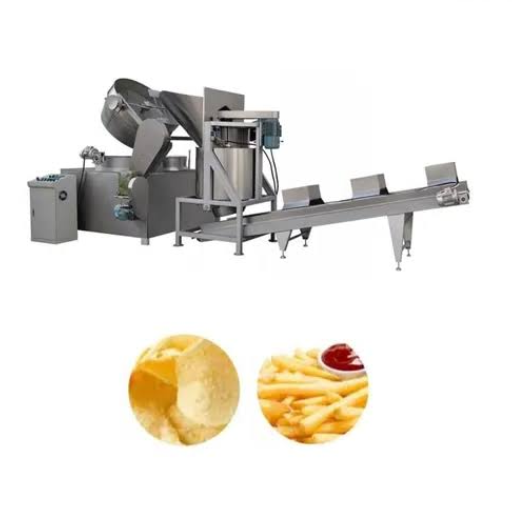
A batch fryer cooks food in discrete loads, while a continuous fryer moves product through hot oil on a conveyor. Batch frying suits hard-bite products and frequent changeovers; continuous frying suits high-volume, uniform output. Here’s how to tell which one…
Batch Fryer Machine: Complete Guide for Food Processing
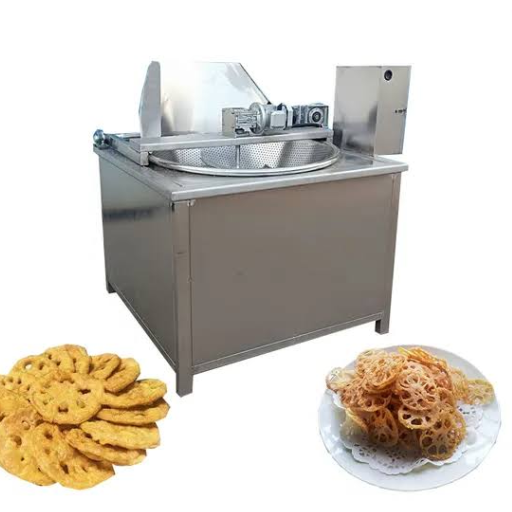
A batch fryer machine is a kettle-style industrial fryer that cooks food in discrete loads rather than a continuous flow, which is exactly why a kettle chip has a hard bite and a standard potato chip doesn’t. Here’s the number…
Twin Screw Extruder Screw Configuration: Screw Elements, L/D Ratio & Food Recipes
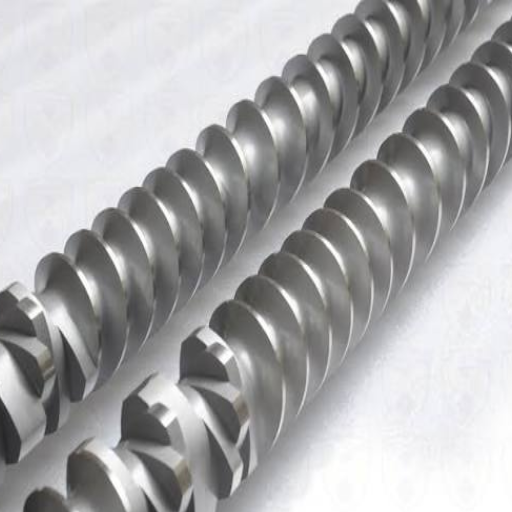
Twin screw extruder screw configuration is the way you arrange modular screw elements along two intermeshing shafts to control shear, mixing, and pressure. Nail the layout and one machine can produce a light puff snack in the morning and a…
Expanding Central Asian Footprint: Shandong Loyal Delivers 200,000-Pack Instant Noodle Line to Afghanistan
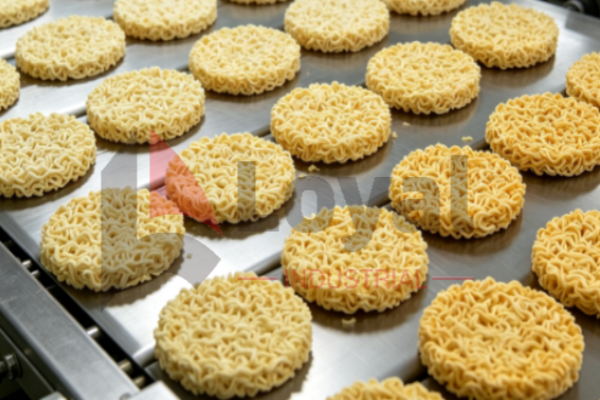
Recently, Shandong Loyal Industrial Co., Ltd. successfully completed the final testing, protective packaging, and systematic loading of a custom, fully integrated instant noodle production line. The entire machinery setup is now dispatched to Afghanistan via cross-border multimodal rail transport to…
Laboratory Twin Screw Extruder: The Food R&D Buyer’s Guide
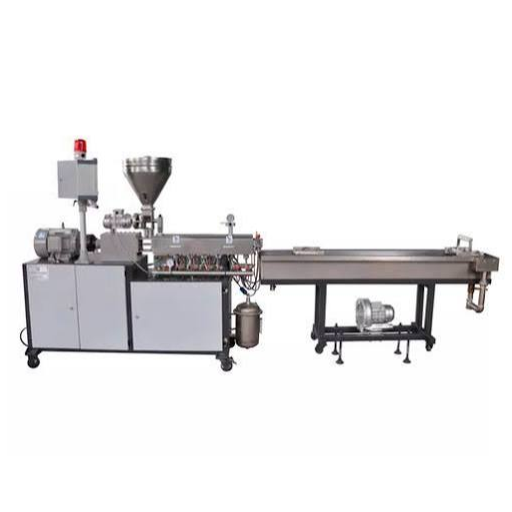
A laboratory twin screw extruder is a compact, bench-scale version of a production twin screw extruder, built to develop and test food formulations before you commit to a full line. Most lab units use screw diameters from 11 mm to…
Twin Screw Extruder Troubleshooting: Common Problems & Fixes
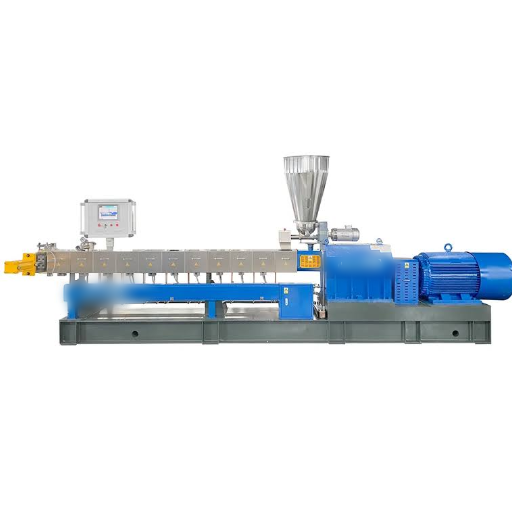
Almost every twin screw extruder problem you’ll hit on a food line, whether it’s surging output, motor overload, high melt temperature, screw wear, or die clogging, has a specific cause and a specific fix. This guide walks you through each…
Twin Screw Extruder Maintenance: Checklist & Best Practices
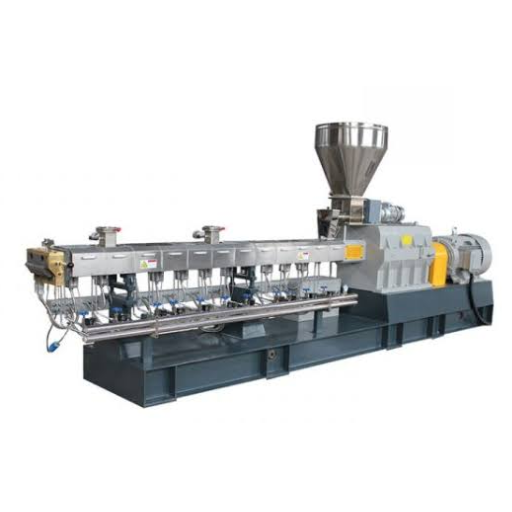
Effective twin screw extruder maintenance is a schedule, not a guess: clean and lubricate daily, inspect screw and barrel wear weekly and monthly, change gearbox oil every 3,000 to 4,000 hours, and overhaul the machine annually. Skip those steps and…
Industrial Food Extrusion Line: Equipment & Setup Guide
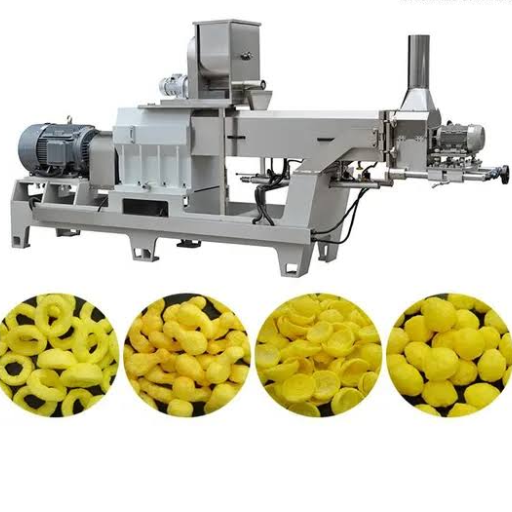
An industrial food extrusion line is a continuous production system built from six connected stages: mixing, feeding, extrusion, drying or frying, flavoring, and packaging. Here’s how each stage fits together, how to size the line, and how to lay it…
Building a Modern Pasta Plant: LOYAL’s Spiral Macaroni Production Line Project in Nepal
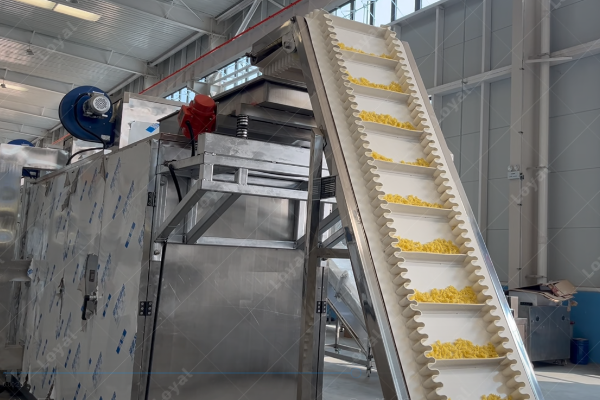
In the evolving food manufacturing landscape of Nepal, shifting consumer preferences and rising disposable incomes continue to drive the industrial upgrading of local snack and staple food production. Recently, LOYAL successfully designed, manufactured, and delivered a complete, full-service spiral macaroni…
The Ultimate Guide to Fully Automatic Instant Noodle Production Lines: Turnkey Solutions
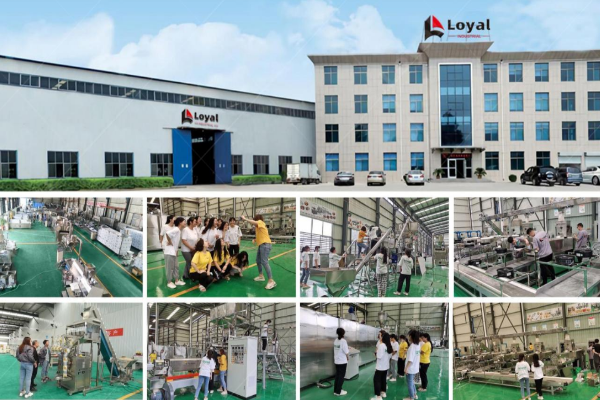
As instant noodles remain one of the world’s most convenient and widely consumed staple foods, food manufacturers require reliable, efficient, and versatile production equipment to capitalize on growing global market opportunities. Our fully automatic instant noodle production line delivers a…