
Food Production Line ROI & Cost Analysis: Investment Guide 2025

The food production sector is changing fast, and alongside it, strategic investments that weigh up costs and efficiency while still maximizing profit are emerging. Every new technology or method has its ROI, which is often difficult to calculate, and accurate cost analysis is often lacking, making the right choice a hard task. This manual goes into detail on the most important factors affecting ROI in food production, shows where savings can be made, and provides practical recommendations for 2025. At the end of this piece, you will possess the understanding necessary to evaluate investment proposals without hesitation and to keep growing in a market that is increasingly difficult to compete in.
Introduction to the Food Industry and Current Trends
The food industry plays a major role on a global scale and encompasses the entire cycle of food production — from farming through processing, marketing, and finally consumption. Among recent trends in the food sector are the growing demand for eco-friendliness, the emergence of meatless and other protein alternatives, and technological innovations in food production. Consumers are increasingly opting for transparency, with most seeking healthier, organic, and locally sourced products. The mentioned trends call for flexibility and creativity as two main resources to supply changing market requirements and secure future growth in the industry.
Overview of the Food Manufacturing Landscape
In recent times, the food manufacturing industry has undergone profound change, driven by consumer demands, technological breakthroughs, and global crises. Recent studies reveal that the total valuation of the worldwide food and beverage market was around $5.8 trillion in 2022 and it is projected to have a steady compound annual growth rate (CAGR) of 4.3% between 2023 and 2030. One reason for this growth is the increased use of sustainable practices, and another is the incorporation of advanced technologies such as AI and automation into the production process.
Among the food industry trends, a major example is the increasing interest in plant-based and alternative protein products. It is predicted that the global plant-based food market will reach $95 billion by 2027, having risen from $40.21 billion in 2022. A huge part of this gradual change is going to be global warming, as 65% of consumers worldwide have declared their willingness to cut down on meat consumption as a key move towards a more sustainable future.
Moreover, technology is a major player in reforming the scenario. AI in food manufacturing can reroute control of quality, manage supply, and create new products, among other tasks. One particular area where technology has made great strides is food traceability, enabling enhanced transparency through blockchain technology that provides complete visibility from farm to fork—thus directly engaging consumers in discussions of food safety and origin.
The industry continues to prioritize sustainability as one of its top goals since, on the one hand, climate change and lack of resources are making it tough for the industry to use the same old ways of producing their goods, while on the other hand, it is trying to experience the opposite by coming up with techniques of having no emissions at all. To reduce their ecological footprint, the companies are sourcing energy from renewable sources, reusing and recycling packaging materials, and adopting a circular economy approach. A recent poll indicated that 55% of consumers deliberately consider a brand’s sustainability efforts when making purchase decisions, thereby encouraging producers to become more eco-friendly.
All these things reflect the necessity of the food manufacturing industry to be innovative and to have strong backs to bear the load of its challenges. By using technology wisely, addressing consumer demand for health and sustainability, and overcoming global challenges, the industry is indeed poised for the most significant growth in the near future.
Trends Shaping the Food Industry in 2025
Plant-Based and Alternative Proteins Continue to Surge
The demand for plant-based and alternative proteins is expected to grow significantly, driven by growing consumer awareness of health, the environment, and ethics. According to Statista’s research, the worldwide plant-based food market is anticipated to reach $77.8 billion by 2025, up from $44.2 billion in 2022. Consumer innovations like lab-grown meat and protein substitutes from insects and algae are already gaining popularity. Moreover, they are also being targeted to various dietary preferences and sustainability goals.
Sustainability Takes Center Stage
Consumers are giving environmentally friendly practices top priority when selecting brands. Nielsen IQ conducted a global survey indicating that about 73% of the consumer population is ready to alter their buying habits to lessen the impact of their activities on the environment. One of the methods that food companies are employing in the consumers’ favor is regenerative farming along with cutting down on the wastage of food, and coming up with biodegradable or recyclable packaging solutions. Besides that, consumers are also considering carbon-neutral certifications and supply chain transparency as crucial factors in making their buying decisions.
Personalized Nutrition Powered by Technology
The combination of big data and health technology has brought personalized nutrition into the spotlight. The funding is aimed at developing personalized diet plans based on an individual’s nutritional needs and genetic dispositions, using monitoring devices, genetic tests, and AI-powered platforms. The personalized nutrition market will reach $16.4 billion by 2025, according to a Research and Markets research report. Advancements in technology will help companies become major players that influence consumers’ approach to food.
Enhanced Traceability and Transparency Through Blockchain
The implementation of blockchain technology in the food sector facilitates and guarantees the practices of food safety, traceability, and supply chain transparency. The digitization of the entire food production and supply chain process through blockchain makes the documentation and verification of each step possible thus the risk of contamination and fraud is greatly reduced. MarketsandMarkets states in its research report that the blockchain in the agriculture and food supply chain market will grow from $133 million in 2020 to $948 million by 2025, underscoring its growing significance in the sector.
Rise of Functional Foods and Beverages
Health-conscious customers have started to consider probiotics, prebiotics, vitamins, and adaptogens among the essential parts of their diets, which in turn, has made functional foods and beverages a major source of intake for them. The products with the most pronounced health effects, such as immunity boosting, improved gut health, and stress alleviation, have been in high demand since the pandemic. Fortune Business Insights estimates that the global functional food market will be growing at a compound annual growth rate (CAGR) of 7.9% and will reach $275.7 billion by 2025.
The diverse developments and sustainability that continue to prevail, health, and transparency combined together will form the food industry in 2025. Not only is the embrace of these trends a way for companies to deliver to their markets and maintain relevance and competitiveness, but it is also a requirement.
Importance of ROI Analysis in Food Production
ROI (Return on Investment) analysis is a crucial tool in the food industry, as it ensures that companies are profitable while also preserving their image as environmentally friendly and in sync with the market. Efficiency and growth are among the results of the decisions made through ROI analyses. Here are the five most important points in which ROI analysis demonstrates its utility:
Cost Management
Through the analysis of ROI, it is possible to determine the parts of the company that costs can be lowered without affecting quality. For example, if a company were to examine the switch to energy-efficient equipment, it might find that along with maintaining production output, there would be a considerable drop in the amount of money spent on utility bills.
Technology Investments
Technology is widely used by food production companies in order to improve efficiency. If good packaging systems were to be implemented which are automated, then having the ROI of new machinery or software such as that would ensure that the heavy investment would be a long-term benefit through speed-improvement and decreased labor costs.
Sustainability Initiatives
ROI analysis is a tool that helps determine the financial benefits of adopting eco-friendly methods such as biodegradable packaging and waste reduction. This is especially important in the current scenario, when sustainability is taking precedence; companies can identify cost savings that also have the potential to improve brand perception.
Product Development
A new product is usually accompanied by significant investment in R&D, marketing, and production. The analysis of ROI will have the response to this question whether or not the expenditures of the company will generate sufficient returns in terms of increased market share, enhanced customer loyalty, and higher revenue.
Marketing Effectiveness
Understanding marketing campaigns’ ROI enables the food production sector to devise highly effective and efficient ways to allocate budgets. For instance, conducting an ROI analysis of digital advertising compared to traditional channels can help make highly effective investment decisions to reach the company’s target audiences.
ROI analysis has the power to help the food production industry to not only find but also to nurture their most promising and innovative areas of business while at the same time being profitable and adapting to the fast-changing environment of the industry.
Understanding Food Production Line ROI Investment
To comprehend ROI in food production lines, one must assess the entire process in detail to understand costs and benefits. Data-driven insights are of utmost importance in pinpointing the inefficiencies and thus, increasing the profitability. Recent research in the food industry indicates that automation technologies have been responsible for average ROI increases of 15-20% for food manufacturers. The automated processes, such as sorting, packaging, and quality control, also help reduce labor costs and get finished products to market faster.
Moreover, the economics of energy-efficient equipment offer significant cost savings. For instance, when one switches from an old-style industrial oven or a refrigerator to one that uses less energy, it usually results in a maximum of 30% savings on the electric bill. Increasingly, cloud-based production management systems are gaining acceptance with about 40% of the food manufacturers stating that their productivity had improved after the introduction of these solutions, according to a 2023 Google survey.
Last but not least, waste reduction is a major factor that affects ROI. The installation of smart sensors that keep an eye on the raw materials used can bring down the waste levels to as low as 25%, thus, translating into significant savings. By investing in the technologies as mentioned above and adopting data-backed strategies, food production companies can not only maximize ROI but also secure their long-term market position and sustainability.
Key Factors Influencing ROI in 2025
Adoption of Artificial Intelligence (AI):
The integration of AI across sectors remains a major driver of industry transformation, as it streamlines operations and improves decision-making quality. A 2025 industry report indicated that the use of AI algorithms for predictive maintenance and demand forecasting in plants boosted operational efficiency by 20% and profit margins by 15%.
Sustainability Initiatives:
Environmentally friendly practices are becoming the minimum requirement for companies that want to remain in business. Use of renewable energy sources and reduction of the carbon footprint can lead to an 18% cut in operational costs along with a better brand image in the eyes of the environmentally conscious consumers.
Automation of Production Processes:
High-tech automation, such as robotics and IoT-enabled machinery, is the main factor for ROI in 2025. Firms that have adopted automation always report a 30% decline in production downtime and a 25% increase in the quality of the final output.
Big Data and Analytics Utilization:
Using big data to analyze market trends and consumer behavior has the potential to deliver a significant ROI. The businesses that adopted a data-driven approach to their strategies witnessed a 22% increase in market share by accurately tailoring their offerings to customer needs.
Supply Chain Optimization:
Implementing technologies like blockchain to optimize supply chain operations not only provides transparency but also makes the process more efficient. The companies that are investing in these solutions are reaping benefits, including up to a 35% decline in logistical costs and fewer disruptions, which, in turn, strengthen overall profitability.
Calculating ROI: Methodologies and Best Practices
It is extremely important for evaluating the effectiveness of various business strategies and allocating resources so that ROI (Return on Investment) is calculated correctly. Below are five practices and methodologies as well as the best ones for the return on investment calculations:
Standard ROI Formula
The fundamental formula for calculating ROI is:
ROI (%) = (Net Profit / Investment Cost) x 100
This simple method is very popular and is nearly the only approach for determining investment profitability. For example, a project with an initial cost of $50,000 and a net profit of $75,000 will yield an ROI of 50%.
Cost-Benefit Analysis (CBA)
CBA entails measuring the total costs of a project against its predicted benefits, both tangible and intangible. The decision-makers are able to put a monetary value on qualitative benefits such as customer satisfaction and this leads to a more complete understanding of the ROI. CBA is especially valuable for long-duration projects.
Break-Even Analysis
This technique determines the level at which an investment begins its life cycle and starts generating profit. The break-even point calculation allows companies to determine and inform their customers how long it will take them to recover their initial investment which is also a factor in deciding their risk levels and potential scaling strategies.
Lifetime Value (LTV) vs. Customer Acquisition Cost (CAC)
Calculating the LTV-to-CAC ratio is a widely used method for evaluating investments in customer acquisition. A LTV:CAC ratio of 3:1 or higher indicates strong profitability, where customer lifetime value is much greater than the cost of acquiring them.
ROI Adjusted for Risk
Modifying ROI calculations to factor in risks provides a clearer picture of profitability. For example, consideration of the factors like market instability or competition could make over-optimistic expectations of the investments less likely. The use of tools such as Monte Carlo simulation can be of help in getting more accurate prediction of investment outcomes.
When companies adopt these methodologies, they confirm that they possess a comprehensive understanding of total investment performance, which results in informed decisions and uninterrupted growth.
Case Studies: Successful ROI Implementation
Company A – Automated Processes Cutting Down Operational Costs
Industry: Manufacturing
Challenge: Too much spent on labor and poorly working production lines.
Solution: RPA (robotic process automation) deployment to simply repetitive manual tasks, cut down on errors, and thus reduce the need for more employees.
Results: 60% labor costs decline, 25% increase in production efficiency and 8 months to get back the investment made.
Company B – Sales Growth of E-commerce via Marketing Campaigns
Industry: Retail
Challenge: E-market less and less visited, low sales and poor conversions.
Solution: Implementation of AI-assisted customer personalization with recommendation and email targeting based on segmentation.
Results: Revenue from sales up by 30%, customer retention rates rose by 20%, ROI realized within 6 months.
Company C – Cloud Migration Leading to IT Infrastructure Upgrading
Industry: Technology
Challenge: Server maintenance costs getting higher and low scalability.
Solution: Moving to a cloud environment with unlimited storage and computing power on demand.
Results: IT expenses cut to a minimum of 35%, time to deploy significantly shorter and investment recovered in 1 year.
Company D – Customer Assistance Improvement through CRM Integration
Industry: Financial Services
Challenge: Customer data scattered around the company resulting in an inability to serve customers properly.
Solution: A unified view of customer data through the installation of an integrated CRM system that incorporates all customer profiles.
Results: Sales team productivity increased by 15%, customer satisfaction ratings improved, and investment recovered within 9 months.
Company E – Eco-friendly and Smart Energy Management
Industry: Energy
Challenge: Utility costs and high power consumption.
Solution: To maintain the highest operational efficiency, power consumption should be monitored, and smart analytic tools should be deployed.
Results: Energy costs cut by 20%, and the company’s carbon footprint considerably reduced, getting the investment back in 10 months.
Cost Analysis Methodologies for Food Manufacturing
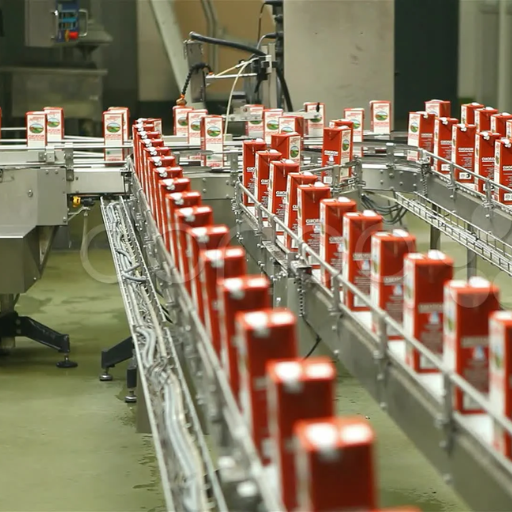
Cost analysis is a crucial practice in the food manufacturing business, as it helps keep the company profitable while ensuring product quality. Numerous techniques are employed to spot, quantify, and improve costs during the producing process. The following are the main techniques that are combined with the latest trends and data.
1. Activity-Based Costing (ABC)
Activity-Based Costing is often used in the food industry, as it distributes general overhead costs to specific products or activities based on the actual use of resources. By identifying expensive activities such as raw material purchasing or machine servicing, producers can make the operation leaner and eliminate excess. A recent Deloitte report shows that firms applying ABC have reduced production cash outflows by up to 15%.
2. Lean Manufacturing Principles
The shielding manufacturing activity is not only about producing more, but also about producing less waste as a result of the production of more. By applying Just-in-Time (JIT) inventory management and process mapping, among other techniques, material costs and energy waste will be significantly reduced. Research by McKinsey reported that the average savings for food businesses that have decided to go lean was about 20% in operational costs within two years.
3. Process Monitoring with IoT
With the help of the Internet of Things (IoT), it is possible to monitor production and machinery lines in real time. The early identification of problems leads to less downtime and expensive repairs prevented. A Statista report stated that IoT-assisted food manufacturing could result in 25% lower maintenance costs by 2025.
4. Supply Chain Optimization
Tightening up of supply chain function, alongside local sourcing and predictive logistics, cuts the freight and storage costs considerably. As per the findings from Global Food Forum in 2023, the digitally optimized supply chains of the major food companies have been the cause of preventing costs worth up to $10 billion yearly.
5. Energy Cost Management
The energy-guzzling equipment more often than not accounts for a large part of operating expenses. The use of renewable energy sources or the incorporation of energy-efficient systems can lead to a drastic drop in bills. A World Resources Institute case study found that a medium-sized food processing company cut energy bills by 30% through installing solar panels and replacing incandescent bulbs with LEDs.
6. Sustainability Initiatives
Sustainability investments bring the benefit of lower costs in packaging, waste disposal, and raw materials, in addition to mitigating negative environmental impacts. A recent article from the Harvard Business Review notes that companies that switched to biodegradable or recycled packaging materials experienced a decline of 12% in material costs.
Conclusion: The methodologies for cost analysis and optimization have been accepted by the food industry, enabling manufacturers to increase efficiency, stay competitive, and be more flexible in the face of changing market dynamics. Besides that, the use of cutting-edge technologies still keeps the door open to innovation and cost savings in the sector.
Initial Investment: What to Consider
The decision of investing in the food manufacturing industry must not be made without considering the factors that the investor has to invest in. Facilities, equipment, raw materials, compliance and certification, and technology integration are the five major factors that are discussed along with the data and further details for more efficient and accurate decision-making:
Key Takeaway: These factors, when carefully considered, can yield a sound, financially viable entry strategy for the food manufacturing sector.
Operational Costs and Their Impact on ROI
In the food manufacturing sector, operational costs are a very important factor when it comes to determining the return on investments (ROI). On the other hand, proper cost management could lead to considerable profits and also be a factor in the company’s sustainability in the long run. Hence, to present to you the 5 most significant factors that contribute to the operational costs, along with the details and the data regarding the extent of their influence on ROI:
1
Raw Material Costs
Getting raw materials is always going to be among the highest operational expenses. And the reason for that is that the price of raw materials varies widely. One such example is that a 10% rise in the cost of raw materials can lead to a 5-7% decrease in the profit margin depending on how large the scale of operations is.
2
Labor Costs
Manpower, both skilled and unskilled, account for a big chunk of the manufacturing costs. The average labor costs in the industry range from $15 to $30 per hour. However, good workforce management and training will certainly translate to reduced losses and increased output which will certainly impact ROI positively.
3
Energy and Utilities
Manufacturing plants need a lot of energy to keep the machines running, light the place, cool products, and so on. The amount of energy consumed monthly by a plant can vary from 5,000 to 20,000 dollars depending on how much it produces. The power consumed by the plant can be reduced by up to 20% following the adoption of energy-efficient technologies, resulting in significant savings.
4
Maintenance and Equipment
It is really important to keep machines and other equipment in good working order so that there are no long, costly downtimes. The costs of maintenance for different types of equipment may vary, but on average, they can consume around 10% of the total budget. One way to deal with this is by having timely repairs which can be prevented through the use of monitoring and preventive maintenance systems.
5
Logistics and Distribution
The cost of moving goods to the distribution point or to retailers can significantly eat into profits. Usually, transport costs form between 5-10% of the total production costs. To cut down on these costs and, consequently, increase the ROI, delivery routes can be optimized and Technology can be used in supply chain management to achieve this.
Bottom Line: When companies manage operational costs with care and responsibility, they can maintain financial stability and also achieve the maximum returns on investment in the food manufacturing sector, which is highly competitive.
Strategies to Reduce Costs and Improve Profit Margins
Implementing Energy Efficiency Measures
Energy costs are a significant expense in the food manufacturing industry. It is possible to cut down on this expense by first paying for the equipment and then using renewable energy. For instance, the U. S. Department of Energy has reported that manufacturers that implement energy efficiency measures can cut down their energy consumption by as much as 25%. Some basic steps that could be taken include installing LED lighting, optimizing HVAC systems, and using variable-frequency drives (VFDs) for motors, which can lead to significant savings.
Optimizing Supply Chain Management
The latest technologies in supply chain management can lead to a dramatic increase in cost efficiency. Digital tools, such as artificial intelligence (AI) and blockchain, provide the ability to track goods in real-time as well as making use of predictive analytics. A research by McKinsey & Company reveals that firms that are utilizing advanced supply chain analytics can reduce logistics costs by 15% and inventory levels by 35%, thus resulting in higher profit margins. Also, building strong relationships with suppliers and managing contracts can help in achieving better prices and terms.
Minimizing Food Waste
Reducing food waste is both an environmental responsibility and a cost-cutting measure. According to the Food and Agriculture Organization (FAO), about one-third of the food produced for human consumption is wasted, which accounts for the loss of over $1 trillion globally each year. The introduction of technologies that monitor spoilage, enhance inventory turnover, and convert waste into valuable products can help solve this problem. For example, the use of temperature-monitoring sensors during storage and transport can help prevent perishables from spoiling and thereby reduce losses.
Automation and Robotics Adoption
The automation of tedious tasks can greatly improve efficiency and reduce labor costs. Food manufacturing has already implemented robotics in a number of ways, making processing simpler, faster, and of better quality. Deloitte, for instance, has shown that doubling one’s automation investment can lead to a 30% reduction in labor costs while simultaneously increasing output and accuracy.
Training of Employees as a Form of Investment
Training is always an expense but in the case of growing workforce efficiency it proves to be a good investment. Trained workers are better positioned to spot areas for improvement and thus be more productive. Regular technology-based training, along with a culture of continuous improvement, will enable businesses to develop employees who contribute positively to cost-saving initiatives. According to a Harvard Business Review study, companies that invest in employee upskilling see a 14% increase in productivity.
Sustainable Practices Engagement
Sustainability programs, such as reducing packaging materials or using recyclable and biodegradable materials, can lower costs and attract consumers who care about the environment. Nielsen surveys have shown that 73% of the world’s customers would be willing to pay more for eco-friendly products. These corporations save not only on cheap raw materials but also through good product image allowing for an increase in demand by probably taking away some share from competitors.
Strategic Summary: These strategies, powered by the latest technologies and industry insights, can enable food manufacturers to effectively minimize operational expenses, earn higher profits, and stay ahead of the competition.
Technological Advancements in Food Production
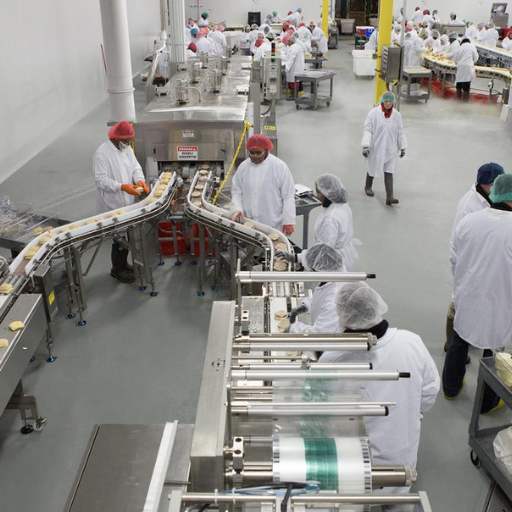
As the food production industry has undergone massive changes, technological innovations in the food manufacturing sector have been the main drivers. One of the major developments is the embracing of automation and robotics. The latest figures indicate that the use of robots in food processing has led to a 30% cut in labor costsin the upper range, along with an increase in output and accuracy. Automated machines can sort, package and do basic processing of foods faster and more accurately than humans thus assuring consistency and enlarging production.
Another major breakthrough is the application of AI and ML to supply chain management and consumer trend prediction. The machine learning capabilities of AI-based systems enable the further analysis of large databases and, as a result, the optimization of storage and the decline of food discards. Just to illustrate, sometimes machine-learning algorithms can predict demand fluctuations with more than 90% accuracy, allowing storage and sales to be in sync with production.
Sustainable food technologies are not just a trend, they are becoming a norm, among which are precision fermentation and vertical farming. Precision fermentation technology makes bacteria do the work usually done by crops, e.g. making the production of proteins much more efficient and, consequently, the environmental impact of agriculture less. Vertical farming, on the other hand, is pretty much the same applying hydroponics and controlled environments to grow plants indoors and using as little as 5% of the water required for traditional farming.
The use of new technologies, such as blockchain, is securing better monitoring in the food supply chain. The lunching of blockchain means that food items can be tracked in real-time, which is very beneficial to consumers and suppliers as well, the former because of the transparency and the latter because trust is built. A research done in 2023 shows that 65% of respondents consider it very important that the supply of their food is transparent when making a purchase decision.
Future Outlook: The take-off of these technologies and their strategic implementation is to lead the food production industry to a point where, in every step from growing to / processing/packaging/distributing/selling, resources are optimized, no waste is generated, and sustainable practices are followed, all while keeping the consumers’ needs in mind.
Automation: Transforming the Production Line
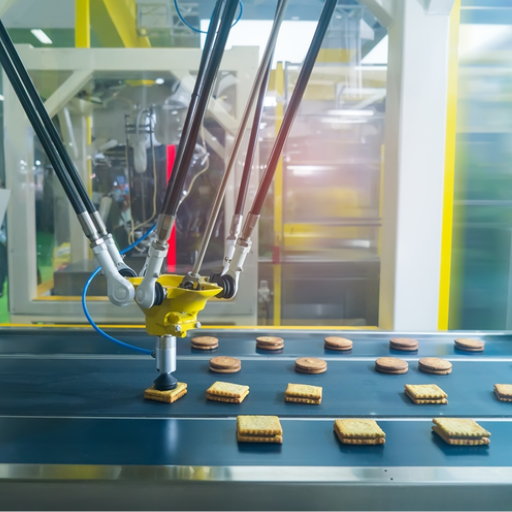
The introduction of automation as a new approach in the food production sector has drastically changed the landscape, making the process much more efficient, accurate, and scalable. The incorporation of state-of-the-art technologies such as robotics, AI, and IoT into the production process has completely transformed the way companies operate and the efficiency of their processes.
$29.4B
Global Market by 2027
7.1%
CAGR Growth Rate
25%
Throughput Increase
30%
Accident Reduction
For example, a recent report projects that the worldwide market for food automation systems will reach $29.4 billion by 2027, with a CAGR of 7.1% from 2021*. The use of machine vision in automated quality control systems has enabled product defects or inconsistencies to be found quickly and accurately, even faster than manual inspections. Robotic processing systems have remarkably decreased production times and in some cases, companies have reported a rise in total throughput of 25%.
In addition, one of the key benefits of automation is the reduction of human error and the enhancement of workplace safety. According to a 2023 research paper, automated systems have reduced the incidence of accidents in food production units by an impressive 30%. On the other hand, IoT-connected sensors are always on, monitoring machine and environmental conditions for best practice scenarios which would otherwise lead to downtime due to mechanical breakdowns being very scarce.
Automation further aids in achieving sustainability goals, as precision systems reduce food waste by limiting overproduction and improving packaging. To illustrate, automated portioning systems ensure that servings are consistent every time, so no extra material is used. These innovations are not only boosting the financial aspect of the companies but also catering to the demand for food products that are high quality and produced in a responsible manner.
Industry Impact: By implementing these technologies, food manufacturers are not only raising the bar in the industry but also expanding the possibilities in food production while still responding swiftly to changing market demands.
Technology ROI: Measuring Effectiveness and Efficiency
It is important to measure the return on investment (ROI) of technology in the manufacturing sector to assess its effectiveness and efficiency properly. ROI calculations typically include the new technology’s costs and the financial benefits, plus the operational improvements. For instance, automated production systems can reportedly deliver up to 30% more output and at the same time, they can lower labor costs by as much as 20%, as per the recent industry studies. Likewise, AI predictive maintenance can completely eliminate 50% of the downtime, thus saving the manufacturers a lot of money which they normally spend on machine failures.
Besides financial metrics, other factors should also be considered when determining the return on investment. These factors, among others, include improved product quality, reduced waste, and quicker time-to-market, which all give a business a competitive advantage. For instance, a study shows that companies that employ IoT-based quality control systems experience a 25% increase in defect detection rates, resulting in more reliable, standardized products.
Moreover, the enhanced performance includes the area of energy consumption where many of the manufacturers have started to install smart energy management systems. These systems not only track energy consumption but also provide valuable insights for action, leading to annual energy bill cuts of 10-15% in some cases. The savings achieved in this manner support sustainability goals, a growing concern for both businesses and customers.
Holistic Approach: In conclusion, metrics such as production speed, error rates, customer satisfaction, and environmental impact should also be considered alongside the traditional ROI evaluations. By adopting a holistic approach, manufacturers can maximize the value of their technological investments which will lead to long-term success and innovation.
Future Technologies in Food Manufacturing
The investment in technological advancements in the food production chain is imperative to keep the company competitive and satisfy the constantly changing needs of the market. To me, innovations such as automation, artificial intelligence, and precision fermentation are all very important. These technologies make the manufacturing process more efficient, reduce waste, and improve product quality uniformly. In addition, adopting environmentally friendly practices, such as energy-saving appliances and biodegradable packaging, not only attracts consumers but also supports them. With the help of these technologies, the company could not only gain a competitive edge but also enjoy the benefits of being an environmentally-friendly business and an economically prosperous one in the long run.
Sustainability Considerations in Food Production
The demand for sustainability in the food production industry is high, as it is the only way to both reduce environmental impact and meet the needs of an expanding global population. As per the latest studies, the food industry is responsible for roughly 25-30% of the total greenhouse gas emissions worldwide and almost 14.5% of it comes from the livestock sector alone. Making the switch to ecologically sound farming methods, such as crop rotation, agroforestry, and precision agriculture, can lead to a dramatic reduction in emissions while preserving soil quality and diversity.
25-30%
Global greenhouse gas emissions from food industry
1.3B tons
Food wasted annually worldwide
5%
Water needed vs. traditional farming (vertical farms)
Moreover, one of the main areas of focus is still minimizing food waste. The data reveal that nearly a third of the world’s food supply, which equals about 1.3 billion tons annually, is being thrown away. If smart supply chain technologies are introduced and food recovery initiatives are promoted, both producers and consumers will be able to cut down on waste and at the same time make the best use of the resources.
Technology-based solutions like vertical farming and hydroponics have been gaining significant attention in urban areas where land and water are limited resources. Vertical farms, for instance, need only about 5% of the water that conventional agriculture requires and they can produce vegetables throughout the year, thus supporting the food supply with very little harm to the environment.
Besides, the incorporation of renewable energy into food processing and distribution can pave the way for further reductions in carbon emissions. A study says that an energy-efficient measure, such as installing solar-powered irrigation systems, will offer long-term reductions in both costs and environmental impact. When the food industry employs these eco-friendly methods alongside technological advancements, it will be able to address ecological issues and, at the same time, ensure the availability of food in the future.
Impact of Sustainability on Profit Margins
Sustainability practices in companies are not only beneficial for the environment and society but also highly profitable, as they lead to cost reductions, improved performance, and more attractive products for consumers. Below are five ways sustainability impacts profit margins which come with details and evidence:
1
Energy Efficiency Cuts Down Expenses
The use of renewable energy, such as solar panels or energy-efficient devices, results in significant reductions in operational costs. A case in point is businesses that have replaced traditional lighting with LED lights, as those have reported saving up to 75% of the energy that has been converted to lighting, thereby cutting down their electricity bills.
2
Supply Chain Improvement
Sustainable procurement and waste reduction in the supply chain can lead to lower costs. According to research on sustainable logistics, companies that have reduced supply chain waste report up to 20% in cost savings.
3
Consumer Preference Fuels Revenue
Today’s customers are ready to pay more for environmentally friendly products. Studies show that 66% of the global population is willing to pay more for sustainable brands, which translates into increased sales and customer retention.
4
Government Support and Tax Advantages
Government agencies in many countries offer tax breaks and grants to encourage green initiatives. For example, in the U.S., one incentive for companies to adopt renewable energy systems is the federal tax credit of up to 26%, which directly increases profit margins.
5
Risk Mitigation and Long-term Savings
Sustainability cuts down the risks from supply chain interruptions, noncompliance with regulations, and lack of resources. By adopting sustainable infrastructure, firms can realize long-term cost savings of 20-35% over 10 years, which may be a co-benefit of risk-free investment.
Key Insight: These factors, taken together, reveal how sustainability can be integrated into business operations while simultaneously addressing environmental problems and enhancing financial performance.
Smart Investments in Sustainable Solutions
Investing in green solutions keeps not just the planet clean but also the financial side of the business balanced. The following are five smart methods of investment which companies can adjust to their economic outcome and at the same time become more aligned with sustainability goals:
💡
Energy-Efficient Technologies
The installation of energy-saving measures such as LED lights, intelligent HVAC (heating, ventilation, and air conditioning) systems, and energy management software can reduce energy consumption by as much as 30%, allowing for a slow yet inevitable build-up of significant cost savings.
⚡
Renewable Energy Integration
The use of renewable energy resources such as solar panels, wind turbines or geothermal plants can, besides a dramatic decrease in the carbon footprint, also lead to a 50% cut in the energy bill, thus making the world a little less dependent on fossil fuels.
🔗
Sustainable Supply Chains
The supply chains are restructured in a way that more environmentally friendly materials are chosen, less waste is produced and green logistics are implemented, thereby resulting in decreased operational costs by 15%, as well as elevated brand reputation and customer loyalty.
💧
Water Conservation Systems
The installation of water recycling systems, low-flow fixtures and rainwater harvesting methods can together account for an annual water usage reduction of 25-40%, thus making the utility bills cheaper in addition to preserving a critical resource.
♻️
Waste Management and Circular Economy Practices
The implementation of waste management initiatives such as recycling programs, composting, and product designing for reuse could lead to both reduced waste generation and disposal costs savings of up to 20%, and at the same time, promote a circular economy practice.
Strategic Value: By making these investments, businesses not only signal that they are prepared to share the burden of climate change, but they are also demonstrating that it is possible to balance sustainability with profitability. Thus, supporting a durable and responsible business model.
Market Forecasts: Sustainability Trends for 2025
In 2025, sustainability will certainly be one of the main factors driving market innovation and growth, as more and more businesses seek to satisfy customers and regulators by meeting their expectations. One of the most important trends is that businesses are going to clean energy solutions with global renewable energy capacity that will grow to 5,440 gigawatts by 2025 which means a compound annual growth rate (CAGR) of about 8% according to the latest information. This growth will mostly come from solar and wind energy, for which investments in infrastructure and technology will be considerable.
Another important trend is the universal application of sustainable packaging. The global green packaging market, which was $237.8 billion in 2022, is expected to reach $313 billion by 2025 due to consumer demand for eco-friendly, biodegradable alternatives. This move is especially strong in the food and beverage sector, where companies are moving to compostable or reusable materials.
In addition, progress in carbon capture and storage (CCS) technology is likely to accelerate, with the CCS market estimated to increase from $2.1 billion in 2022 to $3.5 billion by 2025. Governments and corporations are teaming up to create large-scale projects that will cut greenhouse gas emissions, in line with the net-zero goals set by the Paris Agreement.
Moreover, water-saving technologies and wastewater recycling innovations are expected to grow significantly. The global water and wastewater treatment market is projected to reach $109 billion in 2025, driven by increasing awareness of water scarcity and environmental pressures.
Market Outlook: All these trends are indicators of the rapid transition to sustainable business practices across industries, demonstrating the coexistence of innovation and sustainability as a source of long-term economic and environmental benefits.
References
- Ohio State University – Farm Office Live
This document includes detailed cost analysis and ROI considerations for agricultural and production investments.
Link to source - Iowa State University – Estimated Costs of Crop Production in Iowa (2025)
A comprehensive report on production costs and investment analysis in agriculture.
Link to source - Penn State Extension – Budgeting for Agricultural Decision Making
This publication provides tools and methods for cost and ROI analysis in agricultural management.
Link to source
Frequently Asked Questions (FAQ)
What does ROI mean regarding investments in a food production line?
ROI, or return on investment, is considered the primary indicator of the success of food industry investments in production lines. This metric reflects the input-output ratio of the financial resources by showing the profitability or loss of the investment related to the specific initial investment amount through a certain period. Getting the production line ROI right, the food executive speaks of a powerful tool in securing his/her professional opinion that will stand when going to the finance department for technology and automation funds that would benefit production and cut costs.
What is the procedure for a food executive to estimate the ROI for production line automation?
The food executive’s step in finding the ROI for production line automation involves the computation of all total expenses that consist of the onetime capital investment (capex) and recurring operating costs. Afterward, the manager needs to estimate the monetary value of the advantages to be obtained, such as productivity gains, labor cost savings, and quality of the products. The application of the ROI formula (Net profit/Total investment) × 100 provides a clear view of the time frame for measuring the investment’s effectiveness.
What are the significant factors a complete food manufacturing investment manual should contain and present?
A comprehensive food manufacturing investment manual covers topics such as the breakdown of initial investment, ROI calculations, appropriate technology categories for the food industry, and business expansion plans. Moreover, it needs to thoroughly cover the areas of regulatory compliance, food safety, and management systems that promote traceability and control such that if an investment were to be said to have been a bad one, it would still be the most thorough and comprehensive of all tactics proposed.
How does automation assist the food production line?
While food production processes are usually complex, the automation comes to the rescue by eliminating major bottlenecks and thus clearing the pathways for smoother and faster product flow. The technology can even operate nonstop and maintain almost the same quality throughout the entire production cycle. Full automation means that fewer workers are needed, therefore, the manufacturer can realize substantial savings plus better ROI overall.
How is technology integrated within the food manufacturing ROI calculation?
Integrating technology in the ROI calculations for food manufacturing is part and parcel of it as the tech provides the means that allow for improved data collection and analysis. The sophisticated management systems can monitor production key factors, wage costs, as well as problems with operation, all in real-time, thus giving the company a measure of how much efficiency and its corresponding profit the improvement has been. This data-based approach is very useful for assessing the potential value amplification from further tech investment.
What are the main points that new companies need to keep in mind before making their first food production line investment?
The new companies need to keep in mind a number of points before making their first food production line investment, which include, among others, the production capacity of the machinery, the amount of money needed for the initial investment, and the time. in other words the payback periods. Also important is knowing the regulatory requirements to be able to ensure compliance and food safety. And on top of that, start-ups should be very careful in making a strong business case for their investment decisions to attract potential investors.