
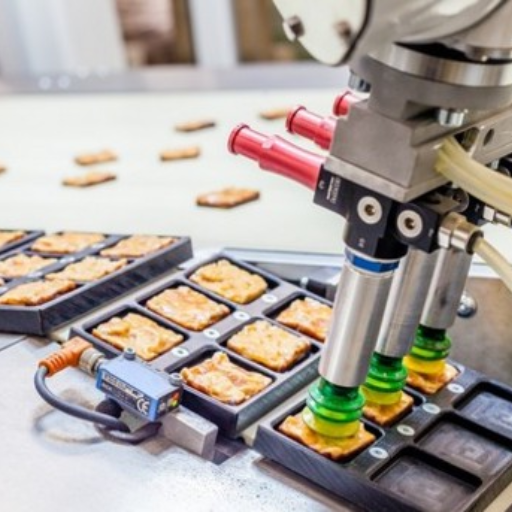
Scaling Your Food Manufacturing: Production Line Automation Trends

The food production sector is undergoing a tremendous change and in order to compete, it means developing new strategies to scale operations in an efficient way. One such method is the automation of the production line which has transformed the manufacturers’ capability of producing large amounts of goods without sacrificing quality and consistency at all. The current blog is all about production line automation trends; it will touch on the technologies, advantages, and methods the food industry can use to improve its processes. No matter if your goal is to raise the output, lower the labor costs or improve the safety of food, this write-up will offer important tips that can help you navigate through the automation process.
Introduction to Automation in Food Manufacturing
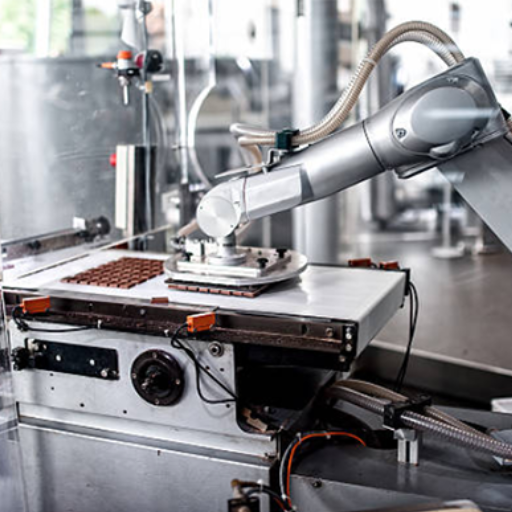
The term automation in food production means that technology and machines take over the entire production line, delivering better results and ensuring products maintain the same quality as before. It involves creating systems that can perform operations such as sorting, packing, mixing, and controlling the right quality, with minimal human involvement. Automation increases manufacturers’ output, lowers costs, and, at the same time, ensures good safety practices in the food industry. This method also enables easier scalability and flexibility, thereby reducing errors and waste while satisfying consumer demand.
Overview of Automation in the Food Manufacturing Industry
One of the major changes that have taken place in the food industry over the years is the use of automation in the manufacturing process. This has not only been a result of technological innovations but also of the increasing demand for efficient and sustainable production practices. According to the latest information, the global food automation market is forecasted to grow from about $12 billion in 2022 to $19 billion by 2027 at a compound annual growth rate (CAGR) of 9.5%. This market rise is mainly due to the use of cutting-edge technologies such as artificial intelligence (AI), robotics, and the Internet of Things (IoT).
1Robotics in Production Lines
Robotics has brought about a major change in the food industry by making the process more precise and faster. The latest robotic systems are being employed for tasks that are repetitive, for example, pick-and-place operations, packaging, and assembly. For example, collaborative robots (cobots) are getting a lot of love for their wide-ranging applications and their ability to work safely with humans. These automated systems are so gentle that they can even work with delicate items minimizing product damage and waste to a great extent.
2Artificial Intelligence for Process Optimization
Artificial intelligence (AI)-based systems are giving manufacturers the power to keep an eye on the production lines all the time, forecast outages of equipment and improve the processes. The use of AI in predictive maintenance has been shown to reduce maintenance time by as much as 20%, thereby enabling equipment to operate seamlessly. On top of that, AI algorithms can analyze consumers’ likes and dislikes and help manufacturers develop new products tailored to the market.
3IoT-Driven Monitoring Systems
The deployment of IoT devices on production floors is being done to improve visibility and traceability. The use of smart sensors is enabling the collection of real-time data on temperature, humidity, and machine performance that helps food safety and quality standards to be maintained throughout. Furthermore, these systems give practical insights about the ways to reduce energy consumption, thereby supporting the move towards sustainable manufacturing practices.
4Advantages of Automation
The automation in the food manufacturing process has enhanced not only the productivity but also the safety and cleanliness levels. The automated systems are operating in such a way that during processing the human contact with food is reduced to a minimum level thus the risk of contamination is greatly diminished. On the other hand, manufacturers are given a chance to respond to demand changes with agility and thus supply chain maintenance is assured.
5Challenges to Address
One of the major challenges facing the industry is the high initial investment costs required for automation and workforce reskilling. Often small and medium-sized businesses have to face issues when it comes to implementing advanced systems because they lack the necessary budget. Government incentives and training programs are a sure way to eliminate these barriers and ensure industry-wide adoption.
The food manufacturing sector is continuously progressing through the adoption of state-of-the-art automation technologies which leads to enhanced efficiency, lower costs, and better sustainability. This transition to digital speaks of the industry’s determination to fulfill the world’s food needs while not overlooking health and environmental issues.
Importance of Automation for Scaling Operations
Automation helps the food production sector to cope with the increasing global demand because it is the only way to operate processes, save money, and keep up with the world’s growing demand. The five automation benefits outlined below are data and examples backed by money saved.
🚀 Efficiency in Production Improvement
Automation guarantees good speed and uniformity of production. An industry report from 2022 reveals that manufacturers who adopt automation will eventually see productivity increase by 20-30%, enabling them to meet demand for high output without incurring additional labor costs.
💰 Reduction of Costs
Automation reduces the total cost of production by eliminating human errors and ensuring a smooth workflow. A waiver case study from one of the world’s leading food manufacturers covering 15% reduction in operational costs after complete automation of their packaging lines indicates savings.
✅ Quality of Products and Safety Increase
Automation is the key to exact control over the processes in the factory which in turn leads to keeping the highest standards of product quality and safety. For example, automated monitoring systems in food processing plants can pinpoint the presence of harmful substances with a precision rate of over 95%, thereby eliminating the need for recalls.
📊 Resource Management Improvement
AI-based automated inventory systems and similar technologies are the main drivers of better resource management and reduced waste. A recent survey found that companies using automated inventory management reduced food waste by 40%, making a significant contribution to their sustainability objectives.
🔄 Flexibility to Market Changes
Automation enables a quick response to changing consumer tastes and market demands. Reprogrammable robotic systems for packaging can be quickly reconfigured for new product lines, reducing downtime and speeding time-to-market.
The adoption of these advanced automation practices will enable businesses to scale operations without losing sight of the economy, health, and the environment.
Key Drivers of Change in Food Production
Benefits of Scaling with Automation
Higher Efficiency and Productivity
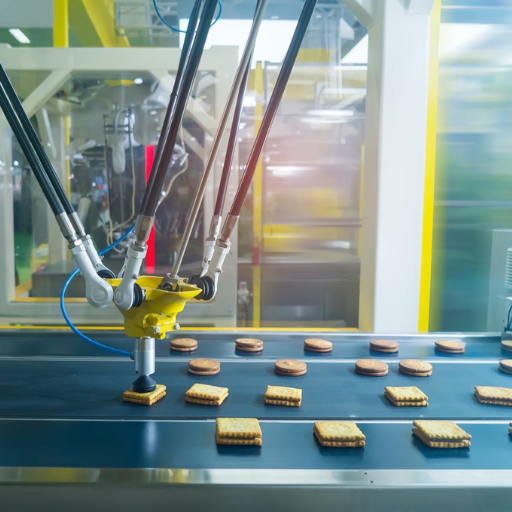
Manual labor is cut down to a minimum with automation, which can lead to longer working hours and thus more total productions. A case in point: the research indicates that the use of automatic processes may even triple output while maintaining the same error rate or lower.
Savings
Automation is one of the most effective measures for controlling operational costs, as it not only reduces labor-intensive work but also ensures better resource use. Some companies have even claimed to save as much as one-fourth of their total manufacturing costs by installing automated systems.
Better Scaling
With automation, businesses can smoothly adjust their production to keep up with increasing demand without hiring more people or investing in additional resources. This capacity to work right through to the end of the season without breaks or hitches is very precious to the companies.
Uniformity and Quality
The automation systems are characterized by stable performance and high-quality outputs with very little variation. There is a nearly 40% reduction in defects due to automation according to industry reports, which not only increases customer satisfaction but also builds trust.
Current Data and Insights
Automation is mainly associated with the use of analytics tools, which, in turn, provide businesses with up-to-date reports on their operations and enable them to make informed decisions. To illustrate, an automated data-processing system can generate insights that help manage the supply chain and schedule production efficiently.
Improved Efficiency and Productivity
Automation is an excellent transition from humans to machines in the production line. The automation of the workflow and reduction of errors resulted in greater efficiency and higher productivity of organizations. As per the latest research, companies that have automated their processes have reported a growth of 20-30% in productivity which means they are doing more work in the same amount of time. The case of automated production systems is significant in this regard since they can produce items faster and more consistently than manual operations, and the production time can even be reduced by half in some cases.
Besides, automating processes relieves employees of monotonous tasks and gives them a chance to use their skills and knowledge in areas that require strategy or creativity. According to McKinsey, the potential for automation in the future is such that it could take over almost half of work activities, enabling companies to save significant money and deliver their products or services faster. In short, the use of automation technology is a very important factor for businesses that want to keep up with the demand for their products or services and at the same time want to maintain good quality and efficiency.
Cost Reduction through Automation
Over the years, automation has become an indispensable tool for companies seeking to cut costs while improving overall efficiency. The integration of automation technologies such as robotic process automation (RPA), artificial intelligence (AI), and machine learning (ML) could significantly reduce costs associated with employees, errors, and time-consuming manual work. A recent Deloitte study found that companies adopting RPA can reduce expenses for manual back-office operations by 25% to 50%.
Automated solutions, for example, can speed up the entire invoice processing process, reducing processing time from days to hours and decreasing the risk of human error. Another good example is AI-driven analysis that can help businesses be more effective in their supply chain management, uncovering non-productive areas and anticipating future consumer behavior, enabling the implementation of cost-saving measures indirectly. The Google Cloud research indicates that AI-tech companies that use it reported a 40% increase in the efficiency of the whole organization, a clear sign of the financial benefits of modern technology.
Moreover, energy consumption, a major operational cost for industries, can also be reduced through automation. The implementation of smart sensors and Internet of Things (IoT) devices in manufacturing plants helps in monitoring and regulating the power consumption during the process, thus, save the energy cost by up to 30%. Although businesses relying heavily on automation would not experience immediate operational cost reductions, they would still be able to accommodate expansion and maintain competitive advantages in the future.
Enhanced Quality Control and Food Safety
Industrial automation has a significant impact on the quality control of food products and on food safety in the industry, especially in food manufacturing. The use of advanced technologies, such as machine vision systems and AI (Artificial Intelligence) algorithms, is a key factor in the precise inspection of products throughout the production process. Among various systems, they can detect defects, contaminants, and inconsistencies, mixing up much less than human methods and thus substantially reducing human error.
AI-powered quality control systems in production lines can increase detection accuracy to as high as 99%, helping protect consumers from unsafe and low-quality products. Also, the use of traceability tools, for example, the blockchain technology, has recently become more common in the food supply chains. These tools can track the movement of raw materials and finished goods in real time, providing transparency and enabling quick action in the event of potential food safety incidents.
Moreover, automation guarantees full compliance with the regulatory standards. For example, IoT (Internet of Things)- based smart devices can simultaneously measure and monitor temperature, humidity, and hygiene in production areas, thus minimizing the risk of contamination. Research has found that the use of automated processes can reduce microbial contamination risks by 20–30%, which helps protect public health and build consumer trust in food products.
Through automation, the companies are not only able to strictly control the quality and set high standards for food safety, but also to smoothen their operations by reducing waste and applying sustainable practices all through the supply chain.
Current Trends and Technologies Transforming Production Lines
🤖 Integration of Artificial Intelligence (AI)
Artificial Intelligence (AI) is taking manufacturing processes to a whole new level by introducing technologies like predictive maintenance, quality control, and process optimization. The AI-powered analytics systems explore and digest large amounts of the data they are fed in real time, enabling manufacturers to spot future equipment failures even before they manifest. Recent studies have reported that this forecasting methodology is effective in reducing downtime by a whopping 20% and increasing overall equipment effectiveness (OEE) by 25%. Moreover, the AI-based inspections are turning out to be better than classic in methods for such defect detection, thus assuring even premium level to the products and reducing the costly mistakes.
📡 Adoption of Industrial IoT (IIoT)
The Industrial Internet of Things (IIoT) is yet another technological trend transforming production lines. Continual monitoring of temperature, pressure, and performance metrics is done through smart sensors attached to the machinery creating a manufacturing environment that is connected and responsive. IIoT have been shown to a productivity rise of 30% maximum with simultaneous unplanned maintenance cost cut by 50%. IIoT smartens up by connecting devices and processes to provide visibility and insights that can be acted on to reap efficiency gains.
🦾 Collaborative Robotics (Cobots)
Collaborative robots or simply cobots, are making their way to the production lines more and more to the extent that they become co-workers with humans. These robots are best suited for jobs that require precision and consistent quality, such as assembly, packaging, or material handling. Cobots, as the name suggests, are robots that work in collaboration with humans, unlike traditional industrial robots, and are designed to be operated safely in a shared space, reducing risk and improving workflow. The global cobot market is expected to grow at an astounding percentage of 41% annually from 2023 to 2030 according to the market data, which evidences the growing acknowledgment of their worth in productivity driving.
🖨️ 3D Printing (Additive Manufacturing)
3D printing technology is nothing short of a boon to traditional manufacturing, as it is the fastest way to produce a structurally complex design while using the least material. Among the various applications, this technology can beseen as the go-to process for prototyping of new products and giving customers the option of getting their products customized according to their specific tastes in terms of low-volume, high customization production needs. According to the latest data, 3D printing has enabled prototypes at 30% of the original cost and has cut new product development time by more than half a year, allowing companies to release their products to market sooner.
👁️ Automation and Machine Vision
Automated production lines are claiming high accuracy and consistency owing to machine vision systems. The entire process of inspecting products for defects, measuring the product size, and checking whether the product meets quality standards is done by the cameras and sensors used in these systems. Studies have shown that when machine vision is combined with automated systems, inspection accuracy increases by more than 90%, thereby reducing product quality and waste.
🌱 Sustainable and Green Manufacturing Technologies
Sustainability is a key concern in today’s manufacturing world, and technology is a significant factor in reducing the environmental impact of production lines. The use of energy-efficient machines, waste-reduction strategies, and renewable energy sources enables companies to implement sustainability. For example, plants equipped with energy-management systems have experienced a 20% reduction in energy use. Moreover, technology recycling has developed the idea of turning leftover materials into new products, which can be considered a further contribution to eco-friendly practices.
The continuous introduction of such innovative technology trends not only leads to improved operational efficiency but also accommodates the ever-increasing demand for better quality, sustainability, and flexibility from the market in the manufacturing sector which is experiencing rapid changes.
Adoption of Smart Sensors and IoT
The use of smart sensors and IoT (Internet of Things) technologies has greatly changed the landscape of modern industry along with their benefits by pushing the adoption of real-time monitoring and data-driven decision-making to the maximum. These technologies facilitate manufacturers in tracing their entire operations, monitoring their equipment, and doing anticipatory failure reviews while on the other hand, they will also be cutting down energy and materials usage. Below are five powerful applications and advantages of smart sensors along with IoT:
Real-Time Monitoring
IoT Sensors enable real-time monitoring of entire factory operations, ensuring that machines and systems operate at peak efficiency. This, on average, reduces downtime by 25% because problems can be identified and addressed in a single step.
Predictive Maintenance
Smart sensors gather data on how the machine is operating so that predictive analytics can detect when it will fail. Research indicates that this method can cut maintenance costs by up to 20% while prolonging equipment life by 30%.
Improved Energy Efficiency
IoT energy management systems not only monitor but also adjust energy use across buildings. This results in the overall reduction of energy usage with some reports pointing to annual energy savings of up to 15% for manufacturers.
Enhanced Supply Chain Visibility
IoT devices keep you informed in real time about stock levels, the movement of goods, and the performance of the supply chain. This results in better forecasting and a 35% decrease in supply chain interruptions.
Quality Control and Automation
With the help of smart sensors, manufacturers can ensure products meet quality standards, as production lines are constantly monitored. IoT-based automation also reduces human errors thereby even making the product consistency 40% higher.
The application of these technologies will transform the industrial sectors into areas of excellence in terms of productivity, sustainability, and competitiveness.
Robotic Process Automation in Food Processing
The food processing industry is benefiting a lot from the adoption of Robotic Process Automation (RPA), since it is giving them a direct impact, such as smoother operations, better efficiency, and lower operational cost. RPA can perform repetitive tasks and time-consuming processes, including sorting, packaging, labeling, and even quality assurance, with remarkable speed and accuracy. Recent studies indicate that by the year 2025, the global market for the use of robotics in food processing will be over $3.5 billion because of increased automation along with the growing demand for processed foods.
Thanks to the application of AI and machine learning, the RPA system can detect flaws with 100% accuracy thus, the number of products going to waste can be cut down by a maximum of 20%. For example, imperfections in fruits and vegetables are detected using robotic arms with vision technology, thereby ensuring only the best-quality products are allowed to move through the supply chain. Moreover, the time taken to package each product has been significantly reduced through the use of robots which have thus resulted in an increase of about 30% in production efficiency as compared to human workers doing that task.
RPA is also very good at keeping hygiene and food safety standards even when the industry is facing challenges. Food manufacturing businesses are now relying on robots in their production processes as they offer absolute hygiene by eliminating the main cause (touch) of contamination hence, they are very suitable for strict sanitary conditions. Besides, by deploying robots, companies can achieve the highest level of product tracking, as every step of the production process is monitored by sensors and automated systems.
Ultimately, man cannot compete with RPA, as it is already taking over food processing by enabling manufacturers to produce more at lower cost and with higher-quality products. The industry’s robots will be getting an even bigger role as the technology keeps on advancing and becoming part of the production process.
Innovations in Food Packaging Automation
New technologies in food packaging automation have played a key role in the change of the industry regarding the guarantee of efficiency, safety, and sustainability at an entire different level. The use of cutting-edge robotic arms for careful handling and smart packaging systems with sensors for freshness monitoring is just the beginning of the technology we have implemented to make operations easier and improve product quality. As for me, I have witnessed the gains in reducing human errors and improving supply chains that come with the use of these innovations, thus enabling products to reach consumers faster and in better condition.
Transforming Production with Automation
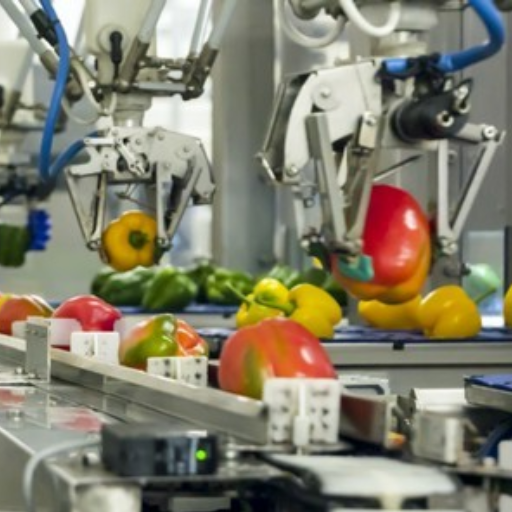
Automation has totally transformed the manufacturing world, becoming the main driver of efficiency and scalability. A recent McKinsey survey claims that around half of the activities across almost all sectors are automatable with current methods and technologies. This would involve not just human-like robots, but also machines making decisions. The combined use of AI and IoT to automate processes has enabled real-time data collection, enabling predictive maintenance and improved efficiency across the entire operation.
One of the most notable cases is the application of robotics on the production floor. The use of robotic systems in factories has led to a 30% increase in production output (up to) with a large decline in the margin of errors. Moreover, smart factories which apply IoT technology through sensors for inventory keeping have been reported to have over a 95% accuracy rate in their inventory as per the 2023 Industry Report by Deloitte.
Notably, automation combined with the sustainability factor leads to less waste and lesser energy use. Case in point, state-of-the-art energy management systems in automated factories monitor, analyze, and subsequently reduce energy consumption of the overall manufacturing processes. Companies like Tesla have their vision of the future where robots carry out the same tasks as humans but on the same big scale with less pollution through their Gigafactories.
The era of automation is marked by the intermingling of futuristic technologies such as AI, robotics, IoT, and big data, which have continually transformed the production paradigm in terms of quantity, quality, price, and environmental impact, making it a more sustainable and advanced industry. Thus, the tech trends underscore that for companies to stay in the game in an advanced, automated world, they have to adopt those technologies.
Lessons Learned from Leading Food Manufacturers
Among the first steps taken by the largest food companies to meet the growing demands for efficiency, sustainability, and consumer satisfaction were the introduction of state-of-the-art technologies and innovative strategies. The following are the main points, enriched with the most current information:
🌍 Sustainability is Non-Negotiable
A number of the biggest food manufacturers, including Nestlé and Unilever, have made sustainability the top priority of their business operations. For example, the company Nestlé has set the year 2050 for reaching carbon neutrality. They have done it by the use of renewable energy, minimizing single-use plastics, and responsibly acquiring raw materials. The Food and Agriculture Organization (FAO) has published a study that shows adopting the methods of production that are friendly to the environment in the food sector can lead to as much as 30% less harm to the nature.
💻 Adoption of Smart Technology
The application of AI and automation by companies has led to the making of production processes more efficient. Coca-Cola, for instance, is employing AI-based demand forecasting systems to synchronize production with consumer movements, thus minimizing waste and enhancing effectiveness, besides that, the company is very much using IoT equipment in the production line to monitor and control the food safety which in turn has led to drastic decreases in product recalls.
🎯 Personalization as a Trend
Market today needs products that reflect the exact needs of the consumers, including dietary considerations, health targets and even care for eco-friendliness. For example, Kellogg’s has introduced a line of customizable granola, allowing customers to choose their favorite ingredients. Recent market studies show that 56% of people are ready to pay a higher price for custom-made products.
🔗 Digitalized Supply Chains
To build customer trust, businesses must offer transparency and traceability. Tyson Foods and Danone are two companies that use blockchain technology for tracking their products from the time they are produced until they reach the store so that they can provide quality and accountability. According to a 2023 McKinsey survey, 80% of consumers consider transparency in food sourcing and production practices very important.
🛡️ Robust Risk Management
The COVID-19 pandemic served as a wake-up call for the global food supply chain; it revealed the need for risk management and resilient supply chains. The main manufacturers have already diversified their supplier networks and are working on better contingency planning. General Mills is another example; the company has expanded its collaboration with local suppliers to remain in operation during global disruptions.
Food manufacturing business can not only gain their production efficiency by copying the above-mentioned practices but also build ties with customers, and implement environment-friendly practices, and increase their profit in a changing market, as sketched out by the longevity of these insights. Moreover, they demonstrate that the cause of failure is often the lack of innovation and adaptation.
Impact of Automation on Operational Scalability
There is no doubt that automation has greatly improved the scalability of operations in various industries and its benefits include efficiency, cost reduction and accuracy improvement. Organizations that have integrated automation into their core processes can easily scale operations without compromising quality standards. Here are five detailed influences of automation on operational scalability:
-
1Increased Production Output
At times, the production lines might not be able to meet the market demand, but automation solves that by allowing for continuous operation thereby quickly increasing production output. For instance, a 30-40% boost in productivity has been claimed for automated assembly lines in the manufacturing sector over conventional labor.
-
2Cost Effectiveness
By eliminating human labor from repetitive tasks, automation significantly reduces operational costs. McKinsey’s report cites that labor cost savings of up to 25% across entire industries can be achieved by adopting automation.
-
3Heightened Accuracy and Consistency
Automated systems practically eliminate human error thus the production of high-quality and uniform products is guaranteed. For example, the error rates of automatic packaging machines that operate at 0.5% are very low compared to the 3-5% error rates in manual packaging processes.
-
4Better Data Analysis and Decision-Making
Data collection and analytics are standard components of automation, providing real-time views of operations. This keeps businesses in a position to make rapid, informed decisions, as shown in logistics, where automation increases supply chain visibility, thereby avoiding unnecessary delays.
-
5Ramped-Up Capacity
The companies that are able to maximize their production capacity through automation are the ones that can very well correspond to increased demand. For example, online retailers have begun using automated order and shipment systems to cope with the surge in orders during holiday seasons.
As seen from these impacts, automation is a major force behind growth in operations and it also guarantees that scalability is achieved while the market is constantly changing its demands.
Potential Challenges and How to Overcome Them

Automation, though highly beneficial, still poses some challenges that companies must navigate carefully. The overview of the main automation challenges and solutions, along with the latest information is given below:
⚠️ High Initial Costs of Implementation
The deployment of automation technologies almost always demands a huge initial investment, financial outlays for systems integration, advanced machinery, and software, among others. The price range of robotic systems according to the latest market data is between $50,000-$150,000 per unit as a general cost, installation fees and staff training not included.
How to Overcome: the companies could start with small-scale automatic solutions that go with their financial plan to tackle this problem, and the lessor of the tech or applying for digital transformation grants and incentives could almost be at zero cost to them.
⚠️ Workforce Displacement and Skill Gaps
As automation gradually takes over repetitive manual tasks, there has been concern about job losses, especially among low-skilled workers. A report released by the World Economic Forum in 2023 speculated that the number of affected jobs would be 85 million globally, while 97 million new jobs created by automation would be added.
How to Overcome: tons of displaced employees should be reskilled and upskilled first leg of the transition; hence, the companies must invest into the said training. It is smart to give training in such areas as AI management and advanced data analysis so that the employees can move to the new positions which are formed due to automated operations.
⚠️ Integration Challenges with Existing Systems
Legacy systems compatibility is one of the major reasons why a vast number of companies are unable to adopt new automation technologies at all. A Deloitte indicated that one in every five companies looks at system compatibility as an obstacle to adopting automation.
How to Overcome: Modular and inter-operable automation platforms will ease the integration process as well as the rest of the hurdles involved. It will be very beneficial for the company to hire a vendor with proven experience in the area who will facilitate the implementation stage and provide extensive support to ensure a hassle-free transition.
⚠️ Cybersecurity Risks
Automated systems are linked to each other mostly through the internet with which they can also be hacked. The costs incurred due to cybercrime are predicted to reach $10.5 trillion per year by 2025 as a result of the cybercriminals targeting automated systems.
How to Overcome: There is no other way around but to set up strict security measures like multi-factor authentication, constant monitoring of the system, and routine security checks which would be overall necessary. The partnership with the cybersecurity specialists ensures protection against ever-changing threats.
⚠️ Dependence on Reliable Data
Data is the cornerstone of automation and if data do not meet certain requirements in terms of accessibility and precision, the output will not be very good the process will be inefficient or even wasted. For example, a research done by Gartner has shown that companies incur an average annual loss of $12.9 million due to poor data quality.
How to Overcome: Robust data management policies are required to be in place, which would consist among others of frequent data validation and cleansing as well as regular data management. Also, it would be a wise decision to have a data analyst who could be AI-enabled software that would be handling the day-to-day optimization and analysis of data quality in real-time.
When companies acknowledge these challenges early enough and carry out proactive measures, the value of automating the process will be great while the associated risks will at the same time be minimized.
Common Barriers to Implementing Automation
Even though automation comes with many advantages, organizations usually face the same obstacles that prevent the smooth ride from happening. These challenges need to be acknowledged and looked at in order to not lose the value of automation investments.
High Implementation Costs
Automation usually entails a significant initial expenditure, including the purchase of high-tech equipment, the installation of new infrastructure, and the hiring of skilled personnel. Industry reports say that, in general, installing RPA (robotic process automation) costs $5,000 to $15,000 per license per year, depending on the complexity and nature of the operation. For small and medium enterprises, these costs might be very hard to manage.
Employee Resistance to Change
Staff resistance is one of the major challenges to be addressed. Among the employees surveyed by McKinsey, 62% opposed introducing automation due to fear of losing their jobs or difficulty with the new methods. Hence, the management must practice effective communication and offer retraining or upskilling to create a conducive environment for acceptance.
Integration with Legacy Systems
Many companies have difficulty connecting automation to their legacy systems. This is because the older systems are not compatible with modern automation that results in inefficient processes. Analyst firm Gartner predicts that by 2025, 90% of large companies will have spent heavily on tools and methods to upgrade legacy systems and, consequently, pave the way for automated projects.
Lack of Technical Expertise
The situation in which one has to look for people who can implement and manage automation technologies is yet another problem hindering the progress of this technology. A new report from Deloitte claims that 54% of companies believe they do not have the necessary skills within their organizations to implement automation properly. Getting outside help from consultants or specialists can help overcome this skills shortage.
Data Quality and Accessibility Issues
The success of automation is largely rooted in access to high-quality, easy-to-use data. On the other hand, many companies still have data locked away across various departments or in formats that are not compatible with the automation process. To illustrate, Forrester Research states that more than 70% of firms cite data quality as the biggest challenge when making automation decisions based on data.
Regulatory and Compliance Concerns
Sectors that are strictly regulated, such as health care and finance, not only face the usual challenges but also face additional issues. One of the main concerns is that the risk of losing customer data and failing to comply could result in severe penalties. According to Statista, GDPR-related fines imposed worldwide from 2021 to 2023 amounted to $5.4 billion, thus showing that the need for automated strategies that comply with regulations is very pressing.
Key Takeaway: When businesses are aware of the barriers to overcome and have a plan for dealing with them, they are setting the stage for successful automation. A good approach that is based on the elimination of costs, filling of the skills gap, and changing of employee attitudes will make the transition to an automated future less troublesome.
Strategies for Successful Adoption of Automation Technologies
Carry out a Thorough Cost-Benefit Analysis
Organizations are to consider the cost of adopting automation technologies against their expected benefits before making any decisions. According to a report by McKinsey, automation could lead to a decrease in operating costs of up to 30% at the very least and hence it becomes absolutely necessary to determine the return on investment and work out the budgets accordingly.
Make Significant Investments in Employee Training and Upskilling
The automation of processes sometimes requires a workforce capable of operating and managing the new technology. It is estimated that up to 74% of employees are willing to acquire new skills in support of new technology and an effective way of doing this would be through advancements in training and skills development.
Choose Pilot Programs as Your Starting Point
The phased approach, which kicks off with pilot programs in a few carefully chosen areas, gives organizations a chance to test automation solutions on a smaller scale before going for a full rollout. Deloitte estimates that organizations that began with small-scale initiatives were 58% more likely to achieve successful automation outcomes.
Turn Your Attention to Employee Involvement and Acceptance
Resistance by employees to the introduction of automation will be in most cases the result of fears regarding job losses. Trust can be built through clear communication about the reasons for automation and the role that it plays in enhancing the tasks rather than replacing jobs. Gallup indicates that productivity in companies with engaged employees is 21% higher than in their counterparts.
Be Sure of Compliance with Regulations
Automation should not only be in keeping with industry regulations but also with those governing data privacy. For instance, it is essential to maintain compliance with the General Data Protection Regulation (GDPR) standards, as noncompliance has resulted in fines totaling $5.4 billion worldwide from 2021 to 2023. Taking initiative in compliance can help to lessen risks and keep the business running smoothly.
Training and Workforce Development Needs
Organizations that want to maximize the power of digital transformation and automation need to prioritize workforce training and development. According to a 2023 McKinsey & Company report, almost 87% of companies worldwide recognize they have significant workforce skill gaps resulting from technological changes. Such technological changes necessitate skill-upgrading and reskilling initiatives as an urgent priority.
The training programs ought to place greater emphasis on teaching digital literacy, which aligns with data analysis and critical problem-solving skills. For example, LinkedIn’s Workforce Learning Report shows a 21% increase in employees seeking training options such as on-demand courses and learner-centered hybrid learning models. This approach, combining hands-on workshops with mentorship programs, not only ensures the skills are acquired but also boosts employee engagement.
The World Economic Forum report indicates that sectors such as manufacturing and finance, which are already experiencing increased automation, are likely to see more than 25% of their roles change considerably by 2025 as a result of technological disruption. Reacting to these challenges calls for proactive workforce development strategies. Building partnerships with universities, granting certifications, and setting up in-house Learning & Development (L&D) teams are some ways to meet these rising needs.
Important Note: Companies that center their training programs and skilled labor adaptability will not only be able to cope with the fast-changing global economy but also keep their employees up to date with the digital-first marketplace.
References
- Innovation and Strategy in the Food Industry (MIT Thesis) – A comprehensive thesis from MIT providing insights and strategies for the food sector.
- Safe and Transparent Robots for Human-in-the-Loop Meat Processing (Virginia Tech) – Discusses the role of automated technology in addressing labor shortages in the meat processing industry.
- AI-driven Transformation in Food Manufacturing (PubMed Central) – Explores the transformative role of AI in optimizing production and reducing waste in food manufacturing.
Frequently Asked Questions (FAQ)
What are the latest trends in food manufacturing automation?
The latest trends in food manufacturing automation are highlighted by the use of cutting-edge robotics, real-time monitoring systems, and data analytics to enhance production efficiency. By implementing automated systems, companies can easily speed up production, reduce the time their equipment spends out of the production line, and deliver defect-free products. The application of artificial intelligence to anticipate demand and manage the supply chain is becoming common, helping manufacturers stay on track in the rapidly changing food industry.
How can automation solutions improve food production efficiency?
The use of automation solutions in the food industry can be a huge step towards efficiency, as they offer features that help reduce labor costs and human errors. The use of automated systems allows manufacturers to perform repetitive tasks with machines, freeing human workers for more strategic roles. The transfer of human workers from one role to another not only doubles production rates but also improves the operational efficiency of the machines, thereby creating a more efficient production environment with a pledge of lower costs for machine breakdowns and maintenance.
What role does data analytics play in the food manufacturing industry?
Data analytics is an indispensable aspect of the food manufacturing industry, as it generates insights to support continuous improvement. The utilization of production data analysis gives manufacturers the power to spot the weak points of their processes, to make the necessary changes and so, to improve the transparency of the product. This way of analyzing helps manufacturers predict consumers’ needs and plan production accordingly, resulting in a win-win situation that improves product quality and reduces food waste.
How does automation enable sustainability in food production?
Automation becomes a partner in sustainability in food production, reducing waste and improving resource efficiency. Systematic technologies in manufacturing can determine the appropriate amount of raw materials to use, as well as the production method to achieve minimal environmental impact. Besides, monitoring continuously and in an instant is a way of managing safety levels in food production, whereby the products are delivered to the consumers meeting their standards while not walking out of the sustainability area of the company.
What are the benefits of implementing robotic systems in food processing facilities?
The inclusion of robotic systems in food processing makes the whole process a lot easier with gains such as precision, speed, and a safe working environment. Robots can perform tasks that are either repetitive or dangerous for human workers, thereby reducing the risk of workplace accidents. Additionally, robots can keep working uninterruptedly, leading to reduced production downtime and increased production resulting from overall productivity gains from automation.
How can food manufacturing facilities scale production with advanced automation?
With advanced automation, food manufacturing facilities can easily scale their production operations by installing adaptable systems that can make quick adjustments in response to changing market needs. Through the integration of robotic and automated machines, the manufacturer can easily increase the or decrease the volumes of their production but still keep the quality of the product at a high level. The ability to scale is essential for catering to consumers’ tastes and avoiding being left behind in the fast-moving food processing industry.
What challenges do companies face when adopting food processing automation?
When companies decide to introduce food processing automation, they have to deal with a number of obstacles such as significant initial funding and the necessity for skilled workers to be trained. Also, it might be complicated and quite disruptive to integrate automation solutions with existing production technologies and manufacturing layout changes may be required. Properly addressing these challenges is key to realizing the full potential of automation while minimizing disruptions in the production environment.
What impact does increased automation have on labor costs in the food industry?
The introduction of more automation in the food industry usually results in reduced labor costs as companies cut their reliance on human labor for repetitive, time-consuming jobs. The automation start with the company adopting it, continues through transferring the organized workforce as per the automation, moving the less skilled and creative employees to the roles where the skill and creativity levels are high. This kind of gregariousness not only significantly reduces the company’s costs but also increases employees’ job satisfaction and productivity.
How does real-time monitoring contribute to production efficiency in the food manufacturing industry?
By providing feedback on machine efficiency and production parameters in an instant, real-time monitoring is one of the contributors to production efficiency in the food manufacturing industry. This functionality helps manufacturers rapidly discover and resolve problems such as machine breakdowns or production slowdowns. With real-time data as their ally, food manufacturers can reshape and refine their operations, reduce waste, and maintain consistent product quality.