
Category Product Guides
Batch Fryer vs Continuous Fryer: Which Is Right for Your Production?
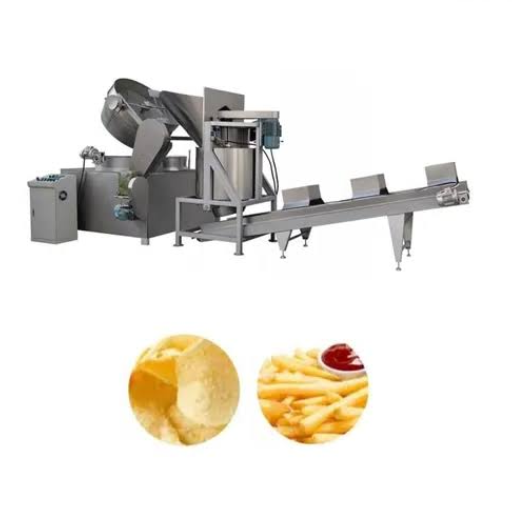
A batch fryer cooks food in discrete loads, while a continuous fryer moves product through hot oil on a conveyor. Batch frying suits hard-bite products and frequent changeovers; continuous frying suits high-volume, uniform output. Here’s how to tell which one…
Batch Fryer Machine: Complete Guide for Food Processing
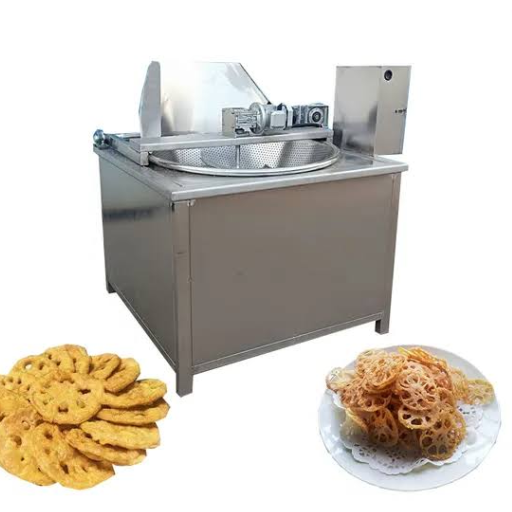
A batch fryer machine is a kettle-style industrial fryer that cooks food in discrete loads rather than a continuous flow, which is exactly why a kettle chip has a hard bite and a standard potato chip doesn’t. Here’s the number…
Twin Screw Extruder Screw Configuration: Screw Elements, L/D Ratio & Food Recipes
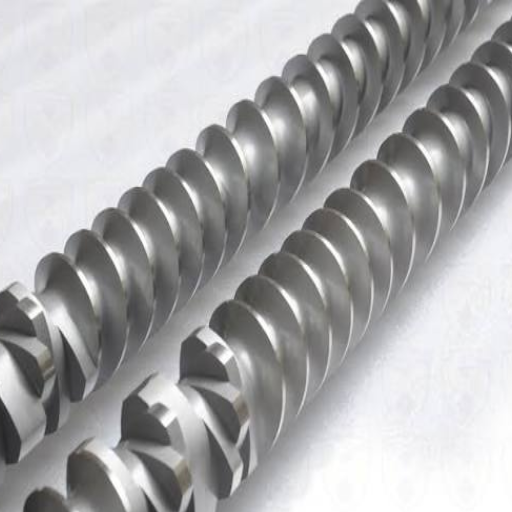
Twin screw extruder screw configuration is the way you arrange modular screw elements along two intermeshing shafts to control shear, mixing, and pressure. Nail the layout and one machine can produce a light puff snack in the morning and a…
Twin Screw Extruder Troubleshooting: Common Problems & Fixes
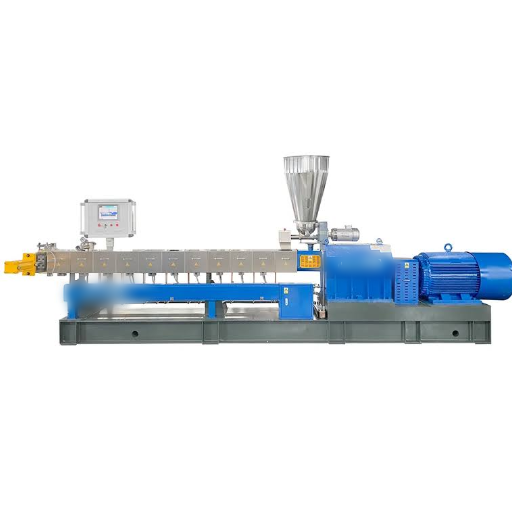
Almost every twin screw extruder problem you’ll hit on a food line, whether it’s surging output, motor overload, high melt temperature, screw wear, or die clogging, has a specific cause and a specific fix. This guide walks you through each…
Twin Screw Extruder Maintenance: Checklist & Best Practices
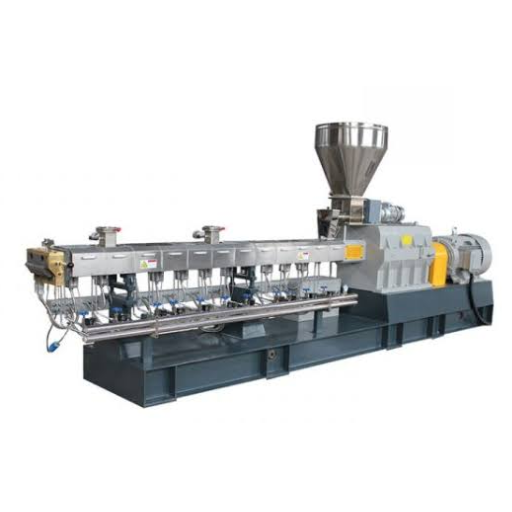
Effective twin screw extruder maintenance is a schedule, not a guess: clean and lubricate daily, inspect screw and barrel wear weekly and monthly, change gearbox oil every 3,000 to 4,000 hours, and overhaul the machine annually. Skip those steps and…
Industrial Food Extrusion Line: Equipment & Setup Guide
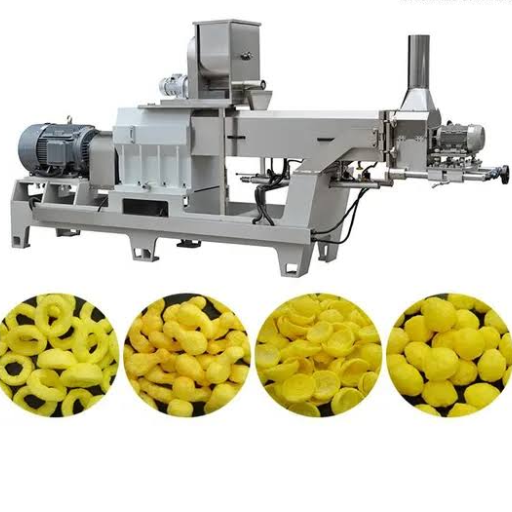
An industrial food extrusion line is a continuous production system built from six connected stages: mixing, feeding, extrusion, drying or frying, flavoring, and packaging. Here’s how each stage fits together, how to size the line, and how to lay it…
Co-Rotating vs Counter-Rotating Twin Screw Extruder: Which Do You Need?
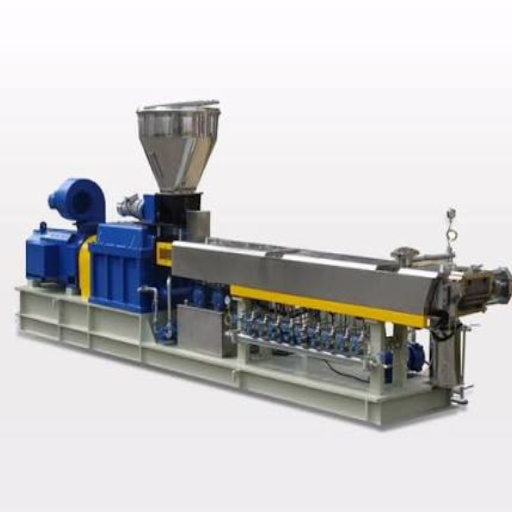
For food processing, the answer is almost always co-rotating. A co-rotating twin screw extruder turns both screws in the same direction for strong mixing, self-cleaning, and high output. A counter-rotating design turns them in opposite directions for gentler, positive-displacement conveying.…
Twin Screw Extruder Working Principle: How It Works, Zone by Zone
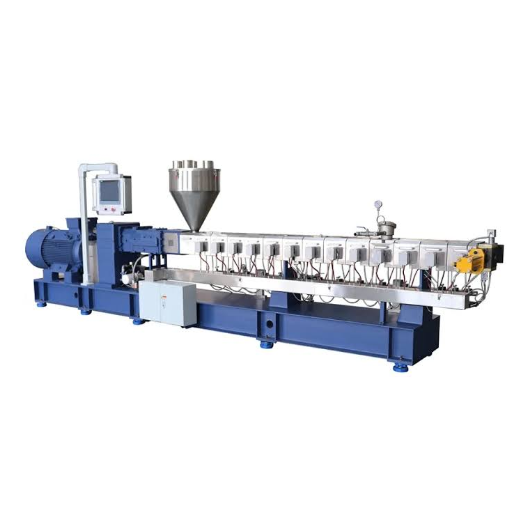
A twin screw extruder works by forcing raw ingredients through a heated barrel with two intermeshing, co-rotating screws. As the material travels through five zones, feeding, melting, mixing, venting, and discharge, the screws apply shear, pressure, and heat that cook,…
Food Extruder Machine Applications: 12 Products Explained
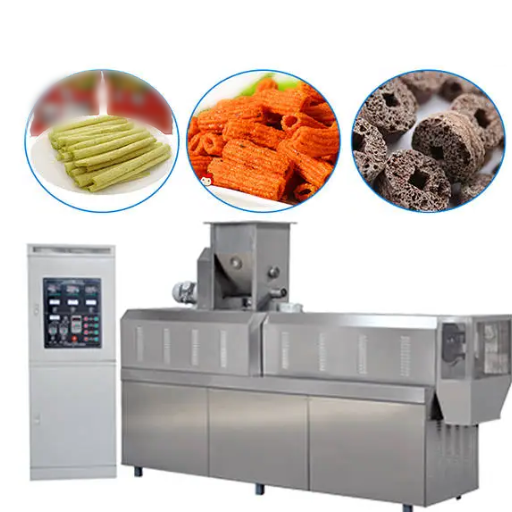
A food extruder machine cooks, mixes, and shapes raw ingredients into finished products using heat, pressure, and shear. Its most common applications are direct-expanded snacks, breakfast cereals, pasta, textured vegetable protein (TVP), modified starch, and dry or semi-moist pet food…
How to Choose a Twin Screw Extruder: A 6-Step Guide
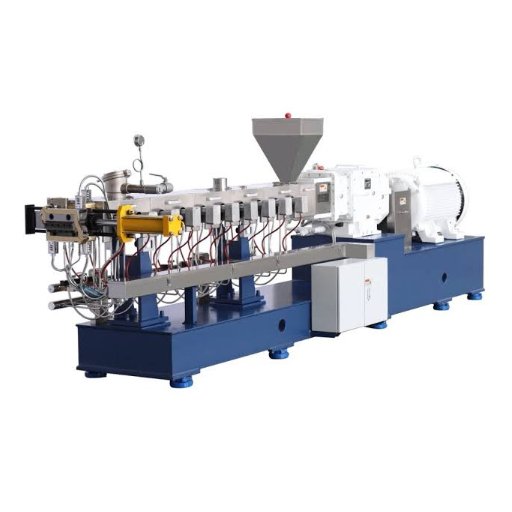
Here is how to choose a twin screw extruder in six decisions: define your product and output, select the screw configuration and L/D ratio, size the machine by torque, confirm food-grade materials, check the controls, and validate the supplier with…