

Snack Production Line Technology: From Extrusion to Packaging
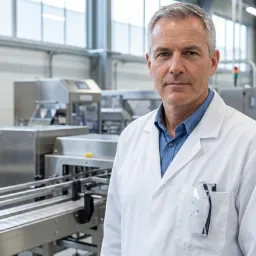
Snack production is an incredibly diverse industry, made up of a combination of great ideas, super precision, and the latest technology. Every step, starting from the raw ingredients that are processed using high-temperature extrusion and ending with the highly skilled packaging, is optimized for quality, efficiency, and uniformity. In this article, we take a closer look at the major phases of modern snack production and reveal the sophisticated machines and methods that move your favorite snacks from the factory to the supermarket. The science of extrusion or the details of eco-friendly packaging may be the two things you are most interested in, but this guide gives a complete picture of the technology that drives the snack industry. Prepare to discover the hidden wonders of snack-making!
Introduction to Snack Production
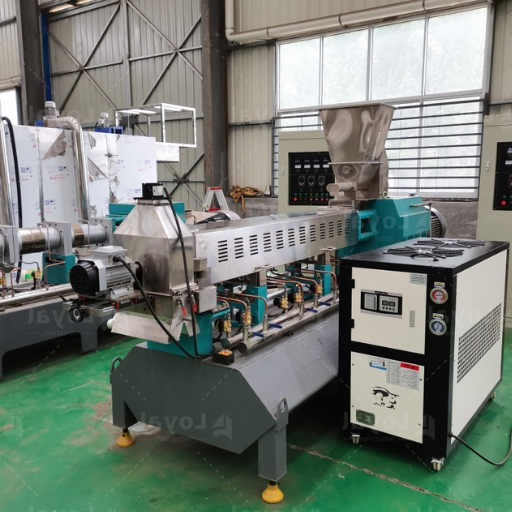
The making of snacks involves primary materials and a series of stages designed to produce the products consumed. Among the main procedures are ingredient processing, mixing, shaping, cooking or baking, seasoning, and packaging. The high-tech machines and the quality control work together to provide the consumers with a product that is always safe, of excellent quality, and with good taste at the same time and all this done with much less time and effort. Every snack, from chips to granola bars, undergoes specific treatments designed to give the product its unique texture and taste.
The Growing Snack Food Industry
The snack food sector has undoubtedly been one of the most flourishing and fastest-growing industries in recent times, with consumer preferences as the major driving force, along with continuous innovation and easy access. The Grand View Research report estimates the global snack food market at over USD 555 billion in 2022 and forecasts a compound annual growth rate (CAGR) of 6.2% from 2023 to 2030. Moreover, the increasing demand for ready-to-eat and convenient products, together with the rise of healthy snacking, are the main factors behind this growth.
Nowadays, markets for snacks made with organic, gluten-free, or vegan ingredients with added benefits are growing rapidly, as not only taste but also health are requirements for consumers. Additionally, packaging innovations and the rise of online purchasing are making snack foods more widely available. The Asia-Pacific and Latin American regions are seen as new markets for the snack food industry, and thus industry expansion is supported by the growing middle class and urbanization, which create new opportunities.
Moreover, brands are using data-driven methods and social media promotions to attract the younger generation, who are also looking for unique, custom-made products. With trends like going green and functional snacks for supporting immunity or providing energy, the snack food sector seems to be on a trail of vibrant, continuous growth.
Importance of Efficient Snack Production Lines
In the snack food industry, demand is increasing; therefore, efficient snack production lines are very important to meet it. Process Optimization aids in guaranteeing same quality, product profitability, and flexibility to consumer preference changes. The following are five major advantages of effective snack production lines:
1Production Capacity Increased
Template production lines enable companies to increase output significantly, satisfying market demand while maintaining quality.
2Cost Cutting
Efficient systems operate by eliminating waste of all kinds, including waste disposal, power, and even manpower, thus bringing material loss to the bare minimum.
3Quality Uniformity
The use of modern technology and automation guarantees that the product will have the same taste, texture, and look, which will ultimately be associated with the brand and thus please and keep customers.
4Trendiness
New production lines will not have difficulty quickly changing over to start producing new varieties of snacks, including health or functional snacks, in line with consumers’ ever-changing preferences.
5Food Safety Guaranteed
The automation in snack production not only speeds up the production process but also improves hygiene; thus, the reduction in manual handling helps comply with very strict food safety regulations.
It is thus through efficiency that the manufacturers of snacks are able to compete, satisfy consumers, and achieve long-term success in the dynamic snack food market.
Extrusion Technology in Snack Production
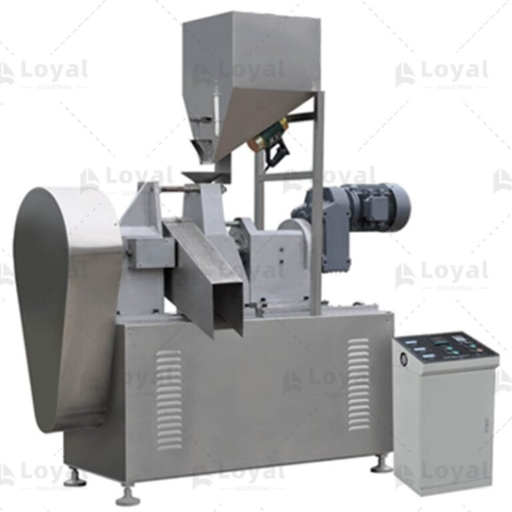
Extrusion technology, in fact, is a stepping stone in today’s snack manufacturing and a major contributor to innovation and efficiency. The whole process involves applying force to the raw material in a special machine called an extruder, where mixing, heating, and finally shaping take place. Through extrusion, texture, density, and even flavor are highly controlled which is why it is suitable for different snacks such as cereals, puffed snacks, and protein bars.
The Benefits of Extrusion Technology
Flexibility
Different snacks, including gluten-free, low-fat, and high-protein options can all be produced through extrusion. A MarketsandMarkets report from 2023 revealed that over the next three years, the extrusion food market would double its size, from 2018’s $70 million to $124.8 billion in 2026 with a 5.5% CAGR, because of the rapidly increasing demand for healthy and fun food products.
Economics
The process of extrusion makes waste a non-factor and, at the same time, utilizes resources in the best possible way by turning various raw materials into final products with very few byproducts. Moreover, the continuous production process of this technology results in lower labor costs and lower operational costs.
Nutritional Enhancements
Extrusion is a means of enriching the snack’s nutritional profile, making it less palatable to other consumers unless the nutrition is concealed. For example, many extruded treats nowadays contain lentils, chickpeas, and/or pea proteins, as these are attractive to health-conscious customers.
Production Capacity and Effectiveness
Modern extrusion technology can produce large quantities of snacks with consistent quality and characteristics in very short periods, even meeting the growing consumer demand. Such an ascent in capability is necessary, given the fact that consumer habits of snacking are on the rise everywhere in the world and according to Euromonitor International’s report, global snack sales have already exceeded $605 billion per year.
Trends in Extrusion Technology
Recent advancements emphasize sustainability and customization. New extruder designs enable using alternative flours such as insect or algae powders to produce eco-friendly snacks. Besides, the development of twin-screw extruders provides superior control over product attributes, allowing manufacturers to achieve the exact texture and flavor they want.
The incorporation of sophisticated extrusion technology means the snack sector is always ahead of the game, inventing new products that satisfy consumers’ current demands for health, convenience, and sustainability.
Understanding the Extrusion Process
Extrusion is a widely used manufacturing technique in food processing, known for its efficiency and ability to produce uniform, high-quality products. The essential part of this process is to force the material through a die with a specific shape using heat, pressure and mechanical shearing in a very well-controlled manner. It is through this method that all sorts of food items like snacks, pasta, breakfast cereals and protein-infused bars are produced.
The latest statistics show a high trend on the use of twin-screw extruders in food manufacturing due to their precision and flexibility. The reports coming from the industry suggest that around 50% of the new installations of extrusion equipment are of twin-screw extruders units because of their versatility in processing raw materials of all kinds, including high-protein and plant-based materials. Moreover, these machines enable the real-time modification of fundamental process parameters such as moisture content, temperature and screw speed, thus maintaining the quality and cutting down the amount of production waste during the entire process.
Exclusion could not only be a choice for the process but also lead to the enrichment of product nutritional quality. Research shows that high-temperature short-time (HTST) extrusion can both preserve essential nutrients and improve digestibility, which is why it is widely regarded as the ideal method for healthy food. A 2023 market study found that extruded snacks fortified with protein and fiber are likely to grow at 6.8% per year as health-conscious consumers increasingly choose these products.
Grasping the technical side and the advancements made in these areas clearly demonstrates the capability of extrusion technology to meet the ever-changing, demanding market trends for innovative, sustainable, and nutritious food products.
Types of Extruded Snacks: Puff, Corn, and More
Extruded snacks are available in numerous shapes, flavors, and nutritional profiles, thus addressing the various tastes and preferences of consumers. The following are the five main categories of extruded snacks:
The future of extruded snacks of this type is always expanding as processing technology improves and the demand for health-conscious food grows. Therefore, these snacks are continually being experimented with for new flavors, textures, and nutritional improvements.
Innovations in Food Extruders
The food extrusion sector has experienced stunning developments, mainly because of the demand for m ore efficient processes and the use of different ingredients alongside. Modern extruders feature state-of-the-art control systems that allow producers to specify temperature, pressure, and feeding rates with precision to improve product quality. For instance, twin-screw extruders, characterized by their superior mechanical versatility, are mainly used for their ability to process a wider range of raw materials and produce different snack shapes.
A new trend in extrusion technology is the incorporation of data analytics and IoT (Internet of Things). Thus, businesspeople who invest in these highly advanced extruder technologies will achieve up to 8% higher growth each year through 2027, according to industry research, which clearly underscores the financial significance of competence and connectivity in modern food processing.
Moreover, sustainability has also been a big factor of influence in the it`s recent innovations regarding food extruders. The increasing demand for plant-based, environmentally friendly products has led manufacturers to seek ways to extrude alternatives, such as insect and legume proteins, while keeping the process environmentally friendly. Also, energy-efficient designs are being developed, and recycled materials are being used in the construction of extruders, thereby voicing the industry’s concern for the environment and its desire to lessen its impact by making and using eco-friendly machines.
These technological advancements never cease to amaze producers and consumers alike, as they not only raise the bar for the variety and quality of extruded foods but also keep extrusion technology at the forefront as the most sustainable and efficient food production method.
Quality Control in Snack Food Processing
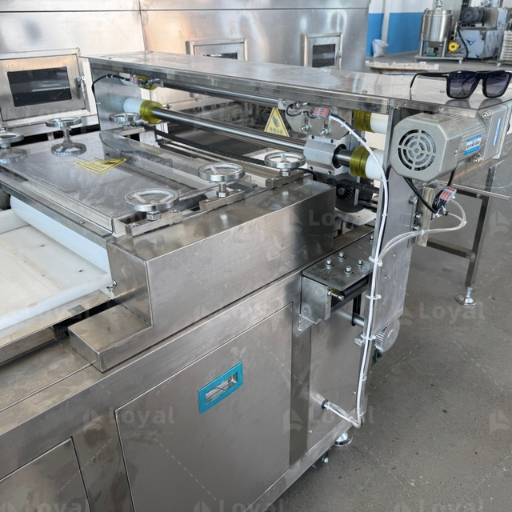
Quality control is essential in snack food processing to ensure that the final products are safe, tasty, and consumer-satisfying. Modern snack food manufacturers have adopted a variety of technological and process innovations to deliver consistent quality throughout production. For example, the use of automated inspection systems with sensors and artificial intelligence (AI) capabilities to find defects such as uneven coating, foreign particles, and shape irregularities is gaining real-time momentum.
The most significant trend in quality control is the use of Hazard Analysis and Critical Control Points (HACCP) systems. The latest industry reports indicate that over 90% of very substantial snack food producers have implemented HACCP systems to identify and control potential risks in production. Among the safety measures, testing for pathogenic microorganisms such as Salmonella and E. coli is regularly done.
Moreover, inline monitoring systems ensure correct texture, weight, and flavor profiles of the snacks. This is very important for extruded snacks, where specific temperature, pressure, and ingredient ratios can impact the final product’s quality significantly. There is a claim that defect rates in plants with advanced monitoring have fallen by 30% or more, reflecting the major difference these systems can make.
In its way, blockchain technology is slowly to gain acceptance for its offering to guarantee complete traceability in the supply chain. This is to say that every ingredient will be complying with safety and quality standards which allows producers and consumers to share the same level of transparency. Such technological breakthroughs magnify the primary function of quality control in the future of snack food processing, where consumer trust is the most important factor to consider.
Key Quality Control Measures
Ingredient Sourcing Standards
The quality of the ingredients used is what makes snack food production successful. Lately, it has been reported that 73% of consumers are ready to pay more for products they consider of better quality. Currently, companies are using blockchain technology to track ingredients from the farm to the final package; thus, standards are maintained, and consumers get the transparency they want.
Advanced Testing and Detection Methods
The modern snack food production and processing are going hand in hand with the latest innovations in testing and the application of technology, where near-infrared (NIR) spectroscopy and high-performance liquid chromatography (HPLC) are the examples of the advanced testing methods. These techniques allow for the detection of contaminants, allergens, and pathogens very accurately, thus, eliminating the safety risks. At the moment, rapid microbial tests are capable of providing results in just a few hours, which helps to quickly take actions if contamination is discovered.
Real-Time Monitoring Systems
The evolution of Industry 4.0 has brought real-time monitoring into the spotlight as a powerful new technique. Smart sensors have been installed along the production lines to monitor key parameters such as temperature, humidity, and pressure, ensuring the best possible conditions are maintained. A new study suggests that businesses that practice real-time monitoring have reduced production defects by up to one-third.
Employee Training and Compliance Protocols
The human factor remains the main cause of product quality problems; thus, there is a need for thorough employee training. Comprehensive employee training and quality assurance systems include regular workshops and certifications, making workers well-versed in quality standards and safety rules. It has come to the attention of companies that those with strong employee compliance programs experience a 22% increase in overall production effectiveness.
Robust Packaging and Shelf-Life Analysis
Apart from serving as a protective barrier and a branding tool, packaging also directly influences a product’s shelf life. With vacuum sealing, modified atmosphere packaging (MAP), and biodegradable materials, companies are not only prolonging product life but at the same time, they are achieving their sustainability goals. A 2023 study by researchers found that in some companies, annual food waste has been reduced by up to 20% through smarter packaging solutions.
These actions are not only targeting the technical part of quality control but also coming in line with consumer requirements for safe, transparent, and sustainable practices thus, trust in the snack food industry is strengthened.
Impact of Quality on Snack Production
Quality is the deciding factor in snack production and that is in every step of the process, because it affects the product performance, customer satisfaction, and the market acceptance of the product. The following are five main areas where quality has a role in the production of snacks and are backed up with details and data:
Ingredient Sourcing
Quality starts from the very beginning, with sourcing top-notch ingredients. An industry report from 2023 reveals that 75% of consumers would rather eat snacks made with natural, sustainably sourced ingredients, which in turn forces producers to look for certified suppliers and to set and maintain the same standards all the way through.
Production Consistency
The production of snacks is characterized by uniformity in taste, color, and crispiness. This is done through the use of automated systems and intense monitoring which together have contributed to the sector reducing the occurrence of production defects by 15% over the past five years in large-scale snack manufacturing.
Packaging Innovations
The use of high-quality packaging materials keeps the product fresh and also makes it appealing to environmentally conscious consumers. The use of vacuum-sealed biodegradable packs is one of the ways the firms participating in this initiative have reduced their packaging-related waste by 30%.
Safety and Compliance
Product quality depends on the manufacturer’s compliance with food safety standards. A regulatory report states that suppliers that employed stringent safety protocols experienced 40% fewer product recalls in 2022 than in 2021.
Consumer Experience
Snack quality is an influential factor in customer satisfaction and loyalty. The economic effect of providing the best quality product is shown by the fact that 82% of snack buyers are ready to pay a premium for the best quality according to surveys.
These areas of focus help snack manufacturers meet the ever-growing consumer demand while remaining competitive in the market.
Case Studies: Successful Quality Control Implementation
ABC Snacks – Reduction in Defect Rates
ABC Snacks have installed an advanced quality management system comprising sensors and monitoring to detect defects and monitor every stage of the manufacturing process. After six months, the rate of product defects fell from 6.5% to 2.1%, resulting in an annual savings of $1.2 million in costs related to reduction and reprocessing.
Healthy Bites – Improved Shelf Life Through Ingredient Optimization
Healthy Bites increased the shelf life of its products by 35% through a complete overhaul of its ingredient sourcing and testing processes. Not only did this lead to a decrease in returns of expired products, but it also raised the customer satisfaction ratings by 18%, as indicated by post-purchase surveys.
Nature’s Delight – Boosting Consumer Trust With Transparency
Nature’s Delight launched a quality-traceability app that enabled consumers to track the journey of every product and see which quality checks were performed on it. The program was so successful that the company experienced a 22% increase in customer loyalty the next year and a 15% surge in repeat purchases.
Crunch Masters – Implementing Real-Time Quality Feedback Systems
Crunch Masters placed feedback devices on their assembly lines that provided real-time information and thus enabled the manufacturers to take immediate corrective actions. This method resulted in a 28% decrease in downtimes and a 10% rise in production effectiveness during the first quarter of the adoption period.
Purely Organic – Employee Training Programs for Quality Assurance
Purely Organic took the initiative to offer extensive quality training programs to their employees in order to maintain the quality standard at all times. After the program, internal quality checks showed a 40% increase in the compliance with manufacturing standards, which not only benefited the company’s product consistency but also helped in building consumer trust.
Innovations in Packaging Technology
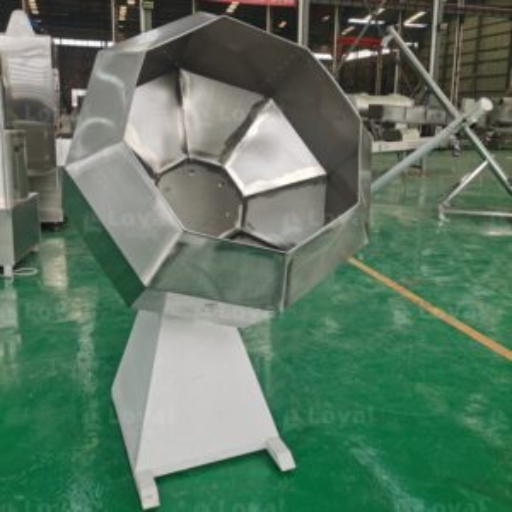
Innovations in packaging technology are having a great impact on the way the products are kept, transported and displayed. One of the major innovations is the creation of new biodegradable and compostable packaging materials, a response to growing concerns about environmental sustainability. According to a report by Research and Markets, the worldwide market for biodegradable packaging is projected to reach $19.89 billion by 2027, driven primarily by the demand for environmentally friendly packaging and stricter government policies on single-use plastics.
Next to this is the use of innovative packaging solutions, which include technologies such as RFID tags, QR codes, and temperature indicators. Smart packaging facilitates not only supply chain management but also product safety and customer interaction more effectively. For example, brands can use QR codes to provide consumers with detailed product information, thereby ensuring transparency and trust.
Also, active packaging technology is increasingly being used in the food and pharmaceutical sectors. Active packaging prolongs the shelf life of the product by regulating moisture and oxygen levels or by adding antimicrobial properties. The market for active packaging has been estimated to grow at a rate of 6.5% per annum as per Allied Market Research, which indicates its vital role in decreasing food waste and improving product quality.
These breakthroughs are a demonstration of how packaging technology innovations are not only tackling the issue of sustainability but also improving safety of products and altering consumer behavior more positively. They also open new avenues for cost reduction, brand enhancement, and participation in achieving global environmental goals for businesses.
Latest Trends in Snack Packaging Machines
The snack packaging sector is being revolutionized very quickly, and the main reasons are the popularity of the convenience, sustainability, and product safety features. Below are the major causes of the transformation of this industry:
Automation and Smart Technology Integration
More and more, snack packaging machines are coming with the latest automated and smart technologies like IoT (Internet of Things) and AI-based solutions. These technologies facilitate real-time process monitoring, maintenance scheduling based on predictions, and the efficient use of resources in operations. As indicated in a report by MarketsandMarkets, the global food automation market will witness a staggering 6.9% CAGR from 2021 to 2026 which underlines that automation is being rapidly adopted in the packaging processes.
Sustainable Packaging Solutions
The need for eco-friendliness in packaging is becoming a major factor and the industry is responding with the development of biodegradable films, recyclable materials, and resource-efficient machinery. In addition, companies are using mono-material packaging to simplify recycling processes and align with global sustainability goals.
Flexible and Customizable Packaging Formats
The market for snacks is increasingly being dictated by the consumer who wants packed snacks to be more personalized and convenient so that they are able to use different sizes of packages. The machines are designed to support the production of flexible pouches, resealable packs, and individual serving units that cater to various consumer preferences. Not only does this trend create a better user experience, but it also reduces waste by using less packaging.
Enhanced Product Freshness with Modified Atmosphere Packaging (MAP)
Of late, Modified Atmosphere Packaging (MAP) technology has been more widely accepted as an effective means of prolonging the quality and shelf life of snacks. A report from Verified Market Research states that the MAP market is set to be worth $23.75 billion by 2027, growing at an annual rate of 5.5 percent. Moreover, the trend ensures that the snacks remain fresh and attractive for longer.
Compact and Energy-Efficient Machinery
Packaging machines designed by companies to take up minimal space and require little energy while still being effective are now available. Aside from the using operating costs, it is also aligned with the companies’ sustainability efforts because of the reduced energy consumption.
Digital Printing and Enhanced Labeling
Digital printing technologies enable the creation of personalized, interactive packaging. These are QR codes, features of augmented reality (AR), and labeling systems that consumers can track and thus, the brands will be more engaged while the consumers will be assured of being informed about the product’s origin. Thus, the consumers will be able to enjoy the demand for being informed and interconnected during the consumption experience.
All the above-mentioned trends indicate that the snack packaging industry is moving on the path of evolution which is consumer-driven, business needs-centered, and environmentally friendly! It is paving a way towards a future that is both sustainable and packaging-dependent.
Automatic Packaging Systems for Snack Foods
The snack food business is being transformed by automated packaging systems that are making processes more efficient, reducing waste, and improving overall operations. The said systems connect cutting-edge technology like the use of robots, artificial intelligence (AI), and the Internet of Things (IoT) to perform the tasks like filling, sealing, controlling the quality, and printing labels on packaging continuously and without supervision.
Key Features and Benefits
Global Market Outlook
The markets for both food and non-food automatic packaging systems are consistently growing worldwide. In fact, the automated food packaging market will be worth a staggering $42 billion by 2025 according to a report by MarketsandMarkets, and this will be mainly due to the developments in technologies as well as the rise of the trend of convenience foods. North America and Europe are still top markets region-wise because of their high acceptance of the technologies, but Asia-Pacific is the one with the highest growth rate due to the expansion of snack markets in China and India.
Case Study Highlight
Vertical form-fill-seal (VFFS) machines are used in snack packaging, which, per industry trends, is one of the cases that stand out. The ability of these systems to fill and seal snack bags rapidly and accurately has led to their adoption by major snack brands. For example, a leading snack manufacturer saw a 25% increase in production efficiency after implementing IoT-connected VFFS machines in its production lines.
The adoption of automatic packaging systems by the snack food industry is a clear indication of the industry’s measures to keep up with consumer preferences for convenience, eco-friendliness, and quality. At the same time, the industry is also driving operational efficiency and maintaining a competitive edge.
Eco-Friendly Packaging Solutions
The move towards eco-friendly packaging has become a major concern in the snack food industry, driven by consumer awareness and regulatory pressure that have pushed the industry to become more environmentally friendly. Manufacturers are using new packaging that is not only environmentally friendly but also maintains quality and shelf life. Five major eco-friendly packaging solutions mentioned below:
-
Biodegradable Packaging
Plastic-like packages made from plant sources such as corn or wood pulp decompose naturally. Hence, this reduces the proportion of landfills that are filled with plastic wastes. For instance, a study reveals that biodegradable materials, if used, can reduce plastic waste in packaging by as much as 30%.
-
Compostable Packaging
Just like biodegradable materials, compostable packaging can add nutrients to the soil after being broken down into organic matter. The approach is gaining momentum not only among snack companies but also among large companies aspiring to achieve sustainability targets.
-
Recyclable Films and Materials
Adoption of recyclable materials like monoplastics guarantees that the used packaging will not just be discarded but will be recycled thus promoting the practice of circular economy. According to the latest figures, the use of recyclable materials has been the major factor behind increases in packaging recyclability rates of more than 40% in some areas.
-
Minimalist Packaging
Eliminating the total material used in packaging can reduce costs and minimize waste. The simplification of designs and the usage of lighter materials have an important impact on the reduction of carbon footprints during the manufacturing and transportation process.
-
Reusable Packaging
There are brands that are allowing their customers to return, refill, or reuse the packaging with some brands even providing reusable containers. This practice reduces single-use waste and builds customer loyalty through customer engagement.
The adoption of eco-friendly measures by the snack food industry would not only result in the issues concerning the environment being addressed but also in the meeting of the changing expectations of the consumers and in the creation of a sustainable future.
Sustainability Practices in Snack Manufacturing
The snack industry is gradually adopting sustainable measures to eliminate its adverse environmental impact, improve resource use, and meet consumers’ growing demand for eco-friendly products. Five main practices that are highlighted below with their details and figures:
Energy Efficiency in Production
The majority of the producers are converting their plants to energy-efficient machines, and making use of renewable energy sources like solar and wind power. Some factories, for example, have claimed a 30% drop in power usage after switching to LED lights and adopting energy management systems.
Water Conservation Techniques
The production of drawing water recycling and closed-loop water systems helps achieve the highest level of water conservation. A drinking water situation in the industry has been reported to decline by millions of gallons annually through the employment of advanced water filtration systems and the closer monitoringof water usage.
Sustainable Ingredient Sourcing
The ethical sourcing of ingredients such as palm oil, cocoa, and almonds is increasingly becoming a matter of concern. The companies are obtaining certifications showing that they are acting environmentally and socially friendly by prioritizing the Rainforest Alliance or Fair Trade standards which guarantee that the ingredients are grown and harvested in a sustainable manner and locally supported farmers. For that matter, research suggested that the fair-trade cocoa programs in some areas had cut deforestation rates by as much as 33%.
Reduction of Food Waste
Production waste monitoring and minimization are being done through the use of technology in some cases, up to 20% reduction in waste has been achieved in some factories already through production line optimization and by making new products of byproducts or using the by-products as animal feed.
Eco-Friendly Packaging
The adoption of compostable, biodegradable, or recyclable packaging materials is a major step towards reducing plastic waste. According to the data, 66% of consumers are more inclined to buy snacks packed sustainably, so more brands are likely to switch to these alternative ingredients.
The methods as mentioned above are strong indicators of the snack manufacturing sector’s willingness not only to combat environmental hurdles but also to generate a favorable outcome for consumers and the earth.
Reducing Waste in the Snack Production Line
The initial stage of cutting waste on the snack production line is evaluating each process step. I am focusing on making the most of ingredient sourcing to reduce excess. Also, I prefer production methods that are both time-efficient and less wasteful. I make it certain that, by using waste-tracking and accuracy-enhancing technologies, resources will be used more wisely. Besides, I aim at gradually incorporating the practices of the cycle, for instance, utilizing the byproducts, to reduce the total waste even more.
Sustainable Sourcing of Ingredients
Sustainable sourcing means choosing materials that are good for the environment, produced ethically, and affordable. A new study shows the global market for sustainably sourced raw materials is expected to boom as people seek transparency and eco-friendly practices. A Statista report, for instance, stated that 67% of consumers worldwide are open to paying more for such items; hence, responsible ingredient sourcing is quite an issue.
The main tactics of sustainable sourcing are engaging with the certified suppliers who follow the environmental standards like Rainforest Alliance, Fair Trade, or USDA Organic. With such certifications, ingredients can be grown with only a small amount of pesticides, biodiversity will be supported, and workers’ rights will also be taken into account. For example, sharing the sources of cocoa or palm oil with certified suppliers can have a considerable environmental impact, as research has shown that certified products can lead to up to a 50% decline in deforestation rates.
Moreover, working with local farmers can not only minimize the carbon footprint from transporting the product but also financially support local farming communities. The Boston Consulting Group notes that sourcing sustainable ingredients not only protects nature but also leads to long-term cost savings by reducing energy inputs and waste. The practice of bringing these methods into the making of snacks will give a supply chain that is not only tough but also in line with the ever-increasing demand of being green.
Examples of Sustainable Snack Brands
KIND Snacks
KIND Snacks is a company that has taken a vow to use only sustainably sourced ingredients—whole nuts, fruits, and grains. The brand has taken responsible almond farming practices as a priority which uses less water in comparison to conventional methods. Moreover, KIND has made its transparency efforts wider with environmental practices reporting that are very detailed and among the reports is the one by the company to reduce packaging waste by 25% by 2025.
Clif Bar & Company
Clif Bar has been giving sustainability a lot of consideration and attention, for instance, using only 76% of organic ingredients in their products. The company has made its bakeries run completely on renewable energy and at the same time has contributed financially to the programs for the farmers that trade fairly up to millions of dollars. The company is also making its efforts to eliminate the carbon emissions it produces by planting trees and buying renewable energy credits.
LÄRABAR
LÄRABAR is a snack company that supports the idea of “less is more” in its product line, making snacks that contain only three to six very simple, recognizable ingredients. The main ingredients are dates and nuts, sourced sustainably, and the brand has even collaborated with organizations on supply chain sustainability initiatives. LÄRABAR has also made its packaging recyclable which helps in shrinking its environmental footprint.
Late July Snacks
Late July Snacks makes a point of producing only organic chips and crackers that carry both USDA certification and non-GMO verification. Late July has it as a priority to obtain raw materials from eco-friendly farms that grow crops without chemical fertilizers or pesticides. In addition to that, the company is using the more energy-efficient way of doing things at its facilities to showcase its commitment to the environment.
Nature’s Path
A family-run business, Nature’s Path is an organic food manufacturer that offers earth-friendly products and practices across all phases of its operations. The company not only uses 100% certified organic ingredients but also sources raw materials from farms practicing regenerative agriculture and has pledged to achieve zero waste across all its factories. Besides, Nature’s Path is also engaged in supporting the environment and donates $3 million annually, to conservation projects.
References
- Ready-to-eat snack products: the role of extrusion technology in developing consumer acceptable and nutritious snacks – Published in the International Journal of Food Science & Technology, this article discusses extrusion technology’s role in snack production and packaging.
- Snack Foods: Processing, Innovation, and Nutritional Aspects – A comprehensive book covering snack food processing, including extrusion and packaging technologies.
- Extrusion technology and its application in food processing: A review – A detailed review on extrusion technology and its applications in food processing, available on ResearchGate.
Frequently Asked Questions (FAQ)
What’s a snack production line, and how is it operated?
A snack production line is nothing more than a set of machines and procedures that are linked together to produce snacks of different varieties. Usually, it consists of the stages of mixing the ingredients, extrusion (the use of heat and pressure to make a snack), frying, seasoning, and finally packing. Every step is of utmost importance in guaranteeing that the snacks produced are the best in quality, while at the same time allowing manufacturers to produce a variety of snacks, e.g. potato chips, puffed snacks, or corn snacks.
In what ways does extrusion technology support the production of snack foods?
Extrusion technology supports production of snack foods significantly as it treats raw materials and aims at the same time with the cooking and shaping process. Furthermore, during the extrusion, the ingredients are pushed through a die (given shape), under high pressure and at the same time high temperature, thus making the unique forms e.g. puffed and extruded snacks. This tech not only boosts the product’s quality and its shelf-life but also allows high production rates.
What kinds of snacks can be produced using a snack food processing line?
In addition to corn puff snacks, a snack food processing line can be used to produce a variety of snacks such as puffed snacks, fried snacks, and popcorn. Due to the flexibility of the processing line, manufacturers can use different raw materials and flavors, creating an infinite variety of snack products tailored to consumers’ preferences.
What is the importance of seasoning in snack processing?
Seasoning systems are fundamental in the production of snacks, as they ensure even distribution of flavoring agents. This stage usually follows frying or baking, with the snacks seasoned before packaging. Good seasoning not only makes the product taste better but also makes it more appealing to customers.
What precautions can a manufacturer take to ensure food safety in snack production?
The manufacturer can ensure food safety in snack production by implementing and enforcing strict quality control measures at every stage of processing. This also includes selecting high-quality raw materials, operating powerful food processing equipment, and complying with food safety regulations. Periodic checks and tests help identify potential sources of contamination and ensure that the snacks produced comply with the set standards.
What are the advantages of automatic snack packaging in the production cycle?
Automatic packaging has many advantages in the production of snacks, among them, are the increased productivity, lower labor costs, and the constant quality of the packaging. With the help of modern packaging machines, manufacturers can pack the snacks securely so that their shelf-life is extended and at the same time, they remain fresh. Besides, the innovation also helps in the movement and distribution of snack products.
How do conveyor systems improve the productivity of a snack production line?
Conveyor systems increase the productivity of a snack production line by simplifying the flow of materials between processing stages. These systems not only help reduce manual handling but also lower contamination risk while maintaining a steady snack flow through the production line. Eventually, manufacturers realize both efficiency and throughput gains when they power their operations with modern conveying solutions.
What does a turnkey project mean in the context of the snack food industry?
When the snack food industry speaks of a turnkey project they mean a total solution that has been granted by the equipment suppliers, which covers designing, installing, and working out the whole production line. With this tactic, the setup process for snack producers is simplified, allowing them to start production quickly and ensuring that all systems are already set to meet requirements, e.g., processing and packaging.
What are the different factors that have an impact on snack manufacturing production cost?
Raw material prices, labor costs, maintenance, and energy use determine production costs in snack manufacturing. Besides, the choice of processing method like extrusion or frying can greatly determine production cost. Therefore, it is very important for manufacturers to closely monitor these factors to optimize production systems and operate profitably.