
High-Efficiency Aquafeed Solutions
Industrial Floating Fish Feed Production Line
Advanced Twin-Screw Extrusion Technology for Tilapia, Catfish & Carp. Guarantees 100% Floating Rate (>24h) with zero water pollution and optimal digestion.
The Science of Floating:
Density Control
Traditional sinking feed often leads to overfeeding and water pollution because farmers cannot see if the fish are eating.
Loyal’s Twin-Screw Extruder solves this by creating a High-Expansion Structure. By instantly releasing pressure at the die head, the starch matrix puffs up, creating internal air pockets.
This process reduces the pellet density to <450g/L, ensuring 100% floatability for over 24 hours, even after water absorption.
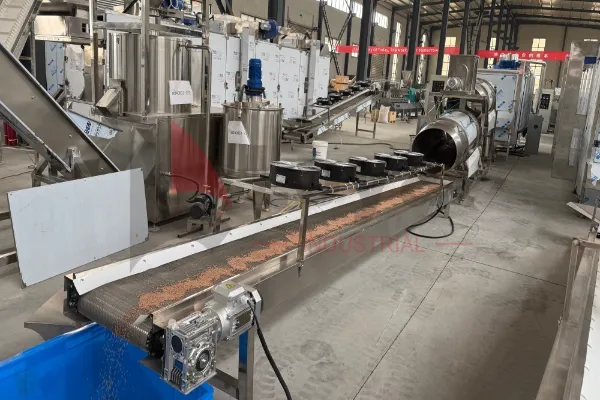
100% Floatability
Pellets float on the surface for >24 Hours. This allows farmers to observe feeding behavior directly and stop feeding when fish are full, saving cost.
Zero Water Pollution
High-temperature extrusion creates excellent Water Stability. The feed does not dissolve or disintegrate into powder, keeping the pond water clear and reducing ammonia levels.
Lower FCR
The extrusion process cooks the starch (Gelatinization >90%), making it easier for fish to digest. This results in a lower Feed Conversion Ratio (FCR) and faster growth.
Process Flow Chart
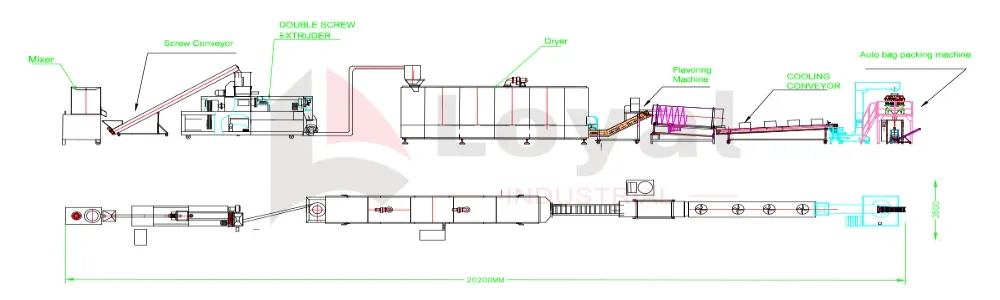
From raw material grinding to automated packaging. A fully integrated system designed for high-efficiency aquafeed production.
01
Superfine Grinding
Raw materials (corn, soybean, fish meal) are pulverized to 60-100 mesh. Fine powder ensures a smooth pellet surface and better water stability.
02
Extrusion & Cutting
High-temperature twin-screw extrusion expands the pellets instantly. The die-face cutter shapes them into uniform floating balls or cylinders.
03
Multi-Layer Drying
Pellets pass through a multi-layer belt dryer. Moisture is reduced from ~25% to <10%, locking in the lightweight structure for floating.
04
Oil Coating
Post-coating drum sprays fats and vitamins onto the dried pellets. This boosts energy levels without affecting the puffing degree.
05
Cooling
Pellets are cooled to room temperature (+3°C) in a counter-flow cooler. This hardens the pellet surface, making it durable for transport.
06
Auto Packing
Finished feed is screened to remove dust, then automatically weighed and packed into bags (5kg-50kg) ready for market distribution.
Core Machinery for Floating Feed
Producing 100% floating pellets requires precise control over starch gelatinization and expansion. Our core equipment is engineered specifically for these critical parameters.
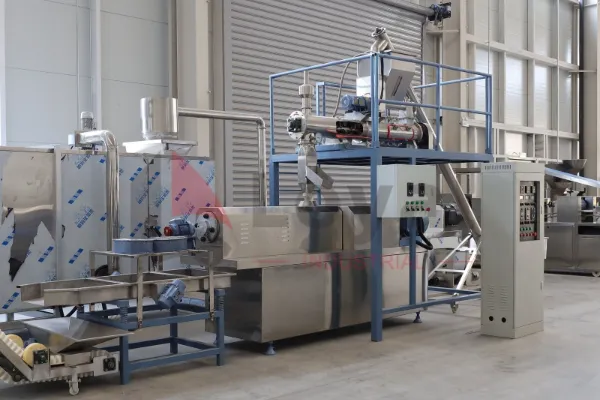
The Expansion Engine
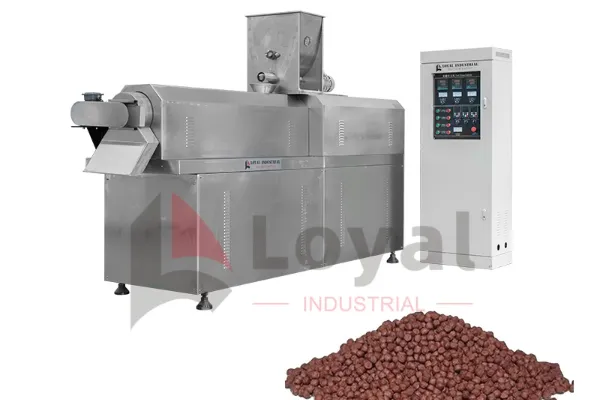
Twin-Screw Extruder (DSE Series)
The heart of the floating line. Compared to single-screw, our twin-screw design provides better mixing shear and self-cleaning capabilities. It generates the high pressure needed to make the starch “puff” instantly at the die, creating the internal air pockets required for floating.
Wear-Resistant Alloy Screw
Steam Heating Barrel
Frequency Speed Control
Automatic Cutter System

Key to Floatability
Double-Shaft Steam Conditioner
Raw materials must be pre-cooked before extrusion. Our double-shaft conditioner injects steam to increase moisture and temperature, achieving a Starch Gelatinization rate of >90%. This is crucial: higher gelatinization = better expansion = better floating.
Stainless Steel Body
Adjustable Paddle Angle
Direct Steam Injection
Retention Time >30s
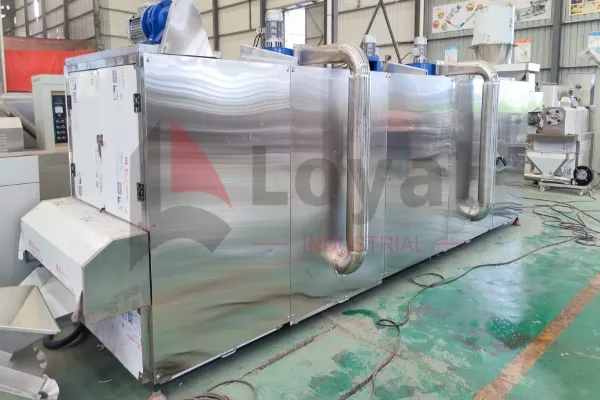
Structure Locking
Multi-Layer Mesh Belt Dryer
Floating feed is porous and holds moisture. Our dryer uses a 3/5/7-layer circulation system to gently reduce moisture content to safe storage levels (<10%) without damaging the pellet shape. Uniform drying ensures consistent density, preventing pellets from sinking later.
Steam/Gas/Electric Options
Auto Temp Control
Hot Air Circulation
Stainless Steel Belt
Multi-Species Compatibility
By adjusting the extrusion die and recipe, our floating line can produce specialized feed for various fish species at different growth stages.
Most Popular


Tilapia Feed
Standard floating pellets. High starch gelatinization ensures excellent digestion for omnivorous fish like Tilapia and Carp.
Pellet Size
2.0mm – 8.0mm
High Protein
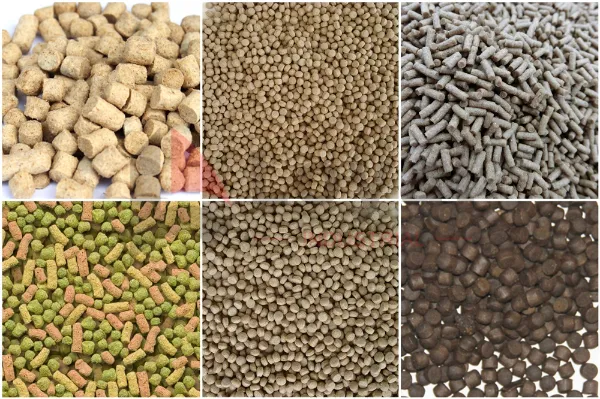
Catfish Feed
Typically darker color with higher oil content. Our vacuum or drum coating system ensures high fat absorption without sinking.
Oil Content
Up to 15%
Premium
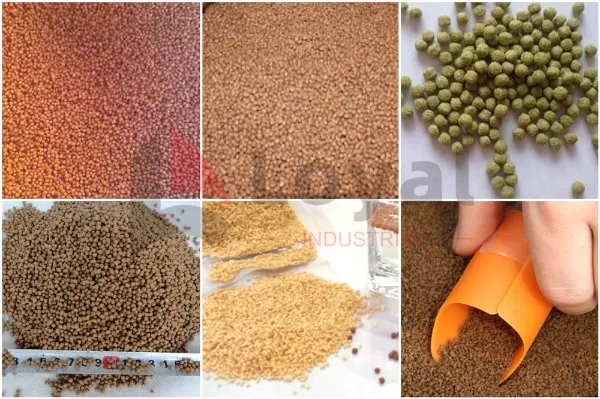
Ornamental Feed
Small, smooth pellets (1mm+) for Koi or Goldfish. The gentle extrusion preserves color-enhancing additives like spirulina.
Appearance
Smooth & Colorful
24-Hour Water Stability Test
The quality of floating feed is defined by how long it stays intact in water. Our specialized screw design ensures strong internal bonding.
- 100% Floating Rate (No sinking)
- No disintegration for >24 hours
- Keeps water clear (Zero Pollution)
- High absorption of water without breaking
Technical Specifications
From small farm-use machines to large industrial lines. Choose the model that fits your daily production capacity target.
| Model | Capacity | Main Power | Energy Source | Dimensions (L*W*H) |
|---|---|---|---|---|
| LY-65 | 120 – 150 kg/h | 22 kW | Electric Only | 14 x 1.2 x 2.2 m |
| LY-70 | 200 – 260 kg/h | 30 kW | Electric Only | 18 x 1.5 x 2.2 m |
| LY-85 | 400 – 500 kg/h | 55 kW | Electric / Steam | 22 x 1.5 x 2.5 m |
| DSE-95 | 1.0 – 1.5 Ton/h | 90 kW | Steam Recommended | 30 x 2.5 x 3.5 m |
| DSE-120 | 3.0 – 5.0 Ton/h | 200 kW | Steam Required | 40 x 3.0 x 4.5 m |
* Note: For capacities above 500kg/h, we strongly recommend using a Steam Boiler to reduce electricity costs and improve pellet quality.
Floating vs. Sinking: Which Line?
The choice depends entirely on your target species and feeding habits. Floating feed is for surface feeders; Sinking feed is for bottom dwellers.
This Machine
Floating Feed Line
Designed for surface feeders. Focuses on low density and easy observation.
Starch Requirement (for puffing)
High (>20%)
Expansion Degree
High Expansion
Water Stability
> 24 Hours
Best For Species:
✓ Tilapia
✓ Catfish (Clarias)
✓ Carp / Koi
✓ Trout (Surface feeding)
✓ Catfish (Clarias)
✓ Carp / Koi
✓ Trout (Surface feeding)
Alternative Option
Sinking Feed Line
Designed for bottom dwellers and crustaceans. Focuses on high density and protein.
Starch Requirement
Low (High Protein focus)
Expansion Degree
Low / None
Pellet Density
> 1.1 g/cm³ (Sinks)
Best For Species:
✓ Shrimp / Prawn
✓ Crab
✓ Sturgeon
✓ Sea Bass (Sinking type)
✓ Crab
✓ Sturgeon
✓ Sea Bass (Sinking type)
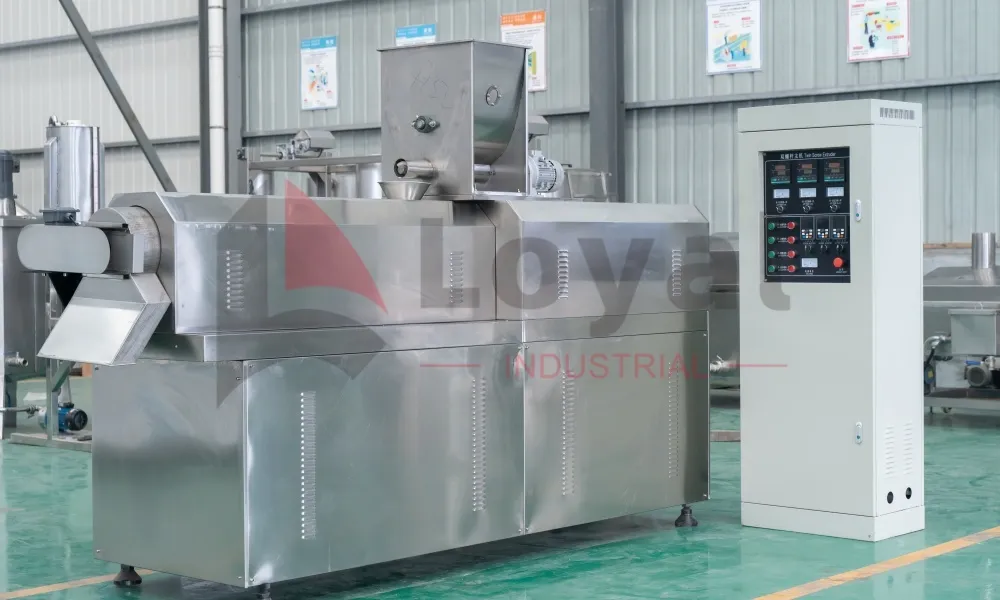
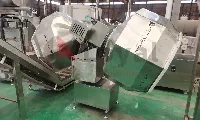
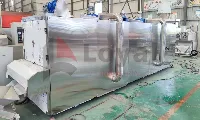
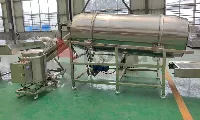
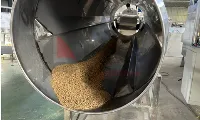
Live Factory Production
See our high-capacity floating feed lines in action at client sites worldwide.

Success Stories in Aquaculture
From installation training to production efficiency, see how we support feed manufacturers globally.
“
ต้องขอขอบคุณ บริษัท Shandong Loyal Industrial Co.,Ltd. ที่ส่งช่างเทคนิคมาช่วยสอนการใช้งานเครื่องผลิตอาหารสัตว์ หากท่านใดสนใจที่จะทำธุรกิจเกี่ยวกับอาหาร ไม่ว่าจะเป็น บะหมี่กึ่งสำเร็จรูป ขนมขบเคี้ยว เครื่องทอดอาหาร หรือแม้แต่อาหารสำหรับสัตว์ สามารถติดต่อประสานงานขอคำแนะนำจากบริษัทนี้ได้ ซึ่งจากประสบการณ์ที่ผมได้ไปเยี่ยมชมโรงงานที่ Shandong Loyal ประเทศจีน โรงงานนี้มีประสิทธิภาพในการผลิต มีทีมงานที่มีความชำนาญ ช่างเทคนิคที่คอยให้คำแนะนำอย่างดี การต้อนรับอย่างอบอุ่น รับผิดชอบต่อสินค้า และบริการ ทำให้รู้สึกพึงพอใจมากที่ได้เลือกใช้สินค้าจากโรงงานนี้
“
The new machine has exceeded expectations in both production efficiency and packaging quality. From its secure delivery and smooth commissioning by Technical Manager, Manager Dong, to practical application, its performance confirms a significant efficiency boost and packaging results that are far better than manual operations.
Why Choose Loyal?
Aquatic feed production demands high durability against abrasive materials and precise control for floatability. We deliver industrial-grade solutions tailored for fish farmers.
Wear-Resistant Alloy
Fish meal is abrasive. We use Bi-metallic or Cr12MoV Alloy Screws (HRC 60-62) to extend the service life by 3x compared to standard steel, reducing your maintenance costs.
Floatability Guarantee
We promise a 100% Floating Rate for over 24 hours. Our precise temperature and shear control ensure the pellet density is always lower than water (<450g/L).
Growth-Stage Formulas
Different fish need different nutrition. We provide a complete Formula Database for Tilapia, Catfish, and Carp at various growth stages (Fry, Fingerling, Adult).
Rapid Die Change
Switching from 2mm to 8mm pellets is easy. Our die-face cutter and mold design allow for Quick Changeovers, minimizing downtime when switching production batches.
Frequently Asked Questions
Answers about formulation, machine versatility, and operational costs.
Can this floating feed machine also produce sinking feed?
Yes, it is possible. The Twin-Screw Extruder is versatile. By lowering the screw speed, reducing temperature, and adjusting the recipe (less starch), you can produce high-density sinking pellets. However, for specialized high-protein shrimp feed, a dedicated Sinking Feed Line is more efficient.
Why does floating feed require starch?
Starch (from corn, wheat, rice) acts as the “framework” for expansion. Under high pressure, starch gelatinizes and creates a honeycomb structure that holds air bubbles. We recommend a minimum of 20% starch content to guarantee 100% floatability.
How do I add high fat/oil without affecting floating?
Adding too much oil before extrusion lubricates the barrel and reduces the shear force needed for puffing. The solution is Post-Coating. Our line includes a drum sprayer to coat oil after the pellets are dried, allowing for high energy content without compromising floatability.
Should I choose Electric or Steam heating?
For small capacities (under 500kg/h), Electric heating is simpler and requires less infrastructure. For capacities above 1 Ton/h, we strongly recommend a Steam Boiler. Steam reduces electricity costs significantly and provides better moisture conditioning for higher quality pellets.
What is the smallest and largest pellet size I can make?
Our standard dies range from 1.0mm to 12.0mm. Changing the size is simple: just stop the machine and replace the die mold on the extruder head. This allows you to feed fish from fingerling stage to adult harvest size.
Need a Custom Formula or Layout?
Our engineers can help you design the perfect line for your farm.
Contact Engineer