
Industrial Fryums / Pellet System
2D & 3D Snack Pellet Production Line
Create intricate geometric shapes and “Fryums” with High Expansion Rates. The ultimate solution for semi-finished potato and wheat snacks.
The Art of Semi-Finished Snacks:
2D & 3D Pellet System
Snack Pellets (also known as Fryums) are semi-finished products. They are extruded, patterned, and dried to a hard, dense state. This allows for Long-Distance Transport without shipping “air”.
The secret lies in Low-Shear Extrusion. Unlike puffing machines, our LY-75 extruder cooks the potato/wheat starch gently. This preserves the molecular structure, ensuring the pellet expands 3-4 times its size when fried by the end-user.
From simple 2D Screw shapes to complex 3D Compound shapes (like hollow hearts or rackets), this line offers unmatched versatility.
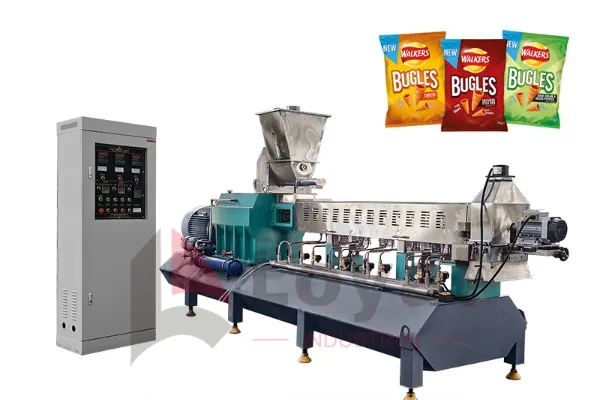
Intricate 3D Shaping
Advanced Patterning.
Our Embossing Unit presses two separate sheets of dough together before cutting. This creates hollow 3D shapes like pillows, animals, or tennis rackets with amazing detail.
Max Expansion Rate
High Profitability.
Precise temperature control prevents starch degradation. The result is a pellet that puffs up massively upon frying, giving you more product volume per ton of raw material.
Logistics Advantage
Low Shipping Cost.
Pellets have a high bulk density (approx 600kg/m³). You can ship tons of product in a single container, making it the ideal B2B export business model.
Process Flow Chart
From starch mixing to semi-finished pellet packing. A sophisticated process balancing gelatinization and moisture removal.
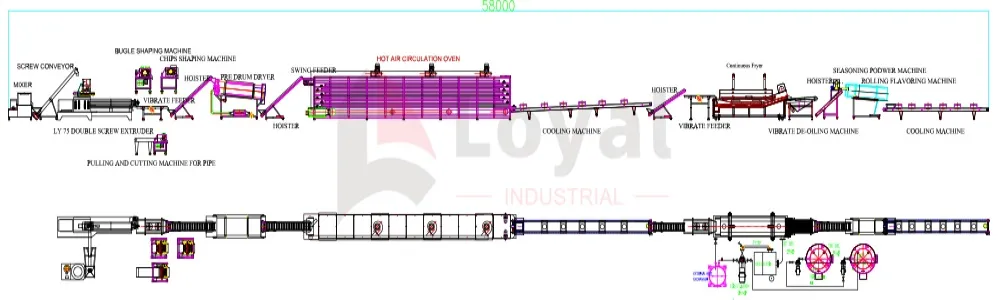
01
Starch Mixing
Potato starch, wheat flour, and cassava starch are mixed with water. The formula is critical for ensuring high expansion during frying later.
02
Extrusion Cooking
A Single Screw Extruder cooks the starch at a lower shear rate. This gelatinizes the dough without fully puffing it, keeping it dense and transparent.
03
Patterning / Shaping
For 3D shapes, two sheets of dough are pressed together by an Embossing Roller. For 2D shapes, a die-face cutter slices the extrudate directly.
04
Pre-Drying
The shaped pellets pass through a shaker or tunnel to remove surface moisture, preventing them from sticking together before the main drying stage.
05
Low-Temp Drying
Pellets enter a multi-layer dryer for 3-5 hours at low temperature (45-60°C). Slow drying prevents cracking and ensures uniform internal moisture.
06
Cooling & Packing
Finished hard pellets are cooled and packed into bulk bags. They are now stable semi-finished products, ready for shipping or frying.
Specialized Machinery for Complex Shapes
Producing 3D pellets requires equipment that can handle starch gelatinization without premature expansion.
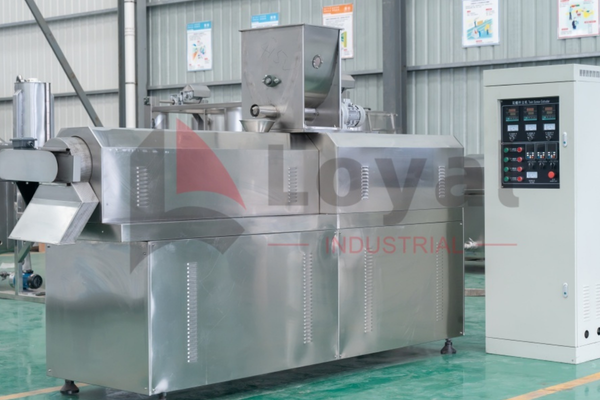
Step 01: Dense Cooking
Extruder System
Unlike twin-screw machines used for puffing, the Single Screw Extruder (LY-100/120) provides stable pressure to cook the starch without puffing it. This creates a dense, translucent dough sheet essential for making high-quality pellets.
Extruder System
Stable Extrusion Flow
Precise Temp Control
High-Torque Gearbox
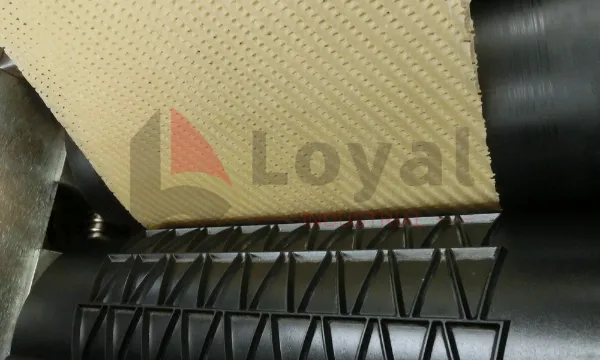
Step 02: 3D Shaping
3D Patterning & Embossing
The heart of the line. This machine takes two sheets of dough, presses them together using Compound Rollers, and cuts them into shapes. It creates hollow interiors (e.g., rackets, triangles) that puff up dramatically when fried.
Changeable Pattern Rollers
Frequency Speed Control
Burr-Free Cutting
Traction Conveyor
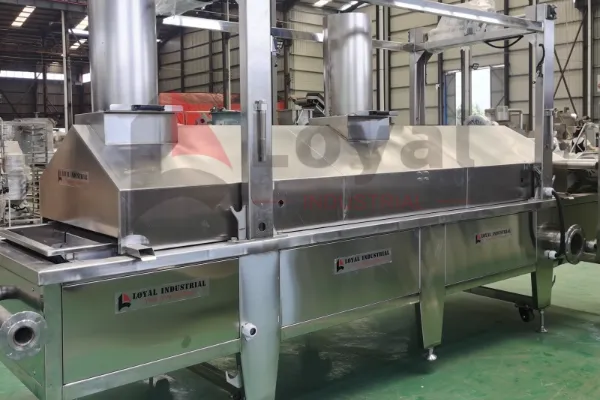
Step 03: Moisture Removal
Low-Temp Multi-Layer Dryer
Drying pellets is a delicate process. Our dryer operates at a lower temperature (45-60°C) for a longer time (3-5 hours). This Slow Drying prevents “case hardening” (cracking on the surface), ensuring the pellets remain stable during storage and transport.
Uniform Air Circulation
Humidity Control
5-Layer Mesh Belt
Energy-Saving Insulation
Geometric Masterpieces
From simple 2D spirals to complex 3D hollow shapes. One production line, endless possibilities for your snack brand.
3D Compound
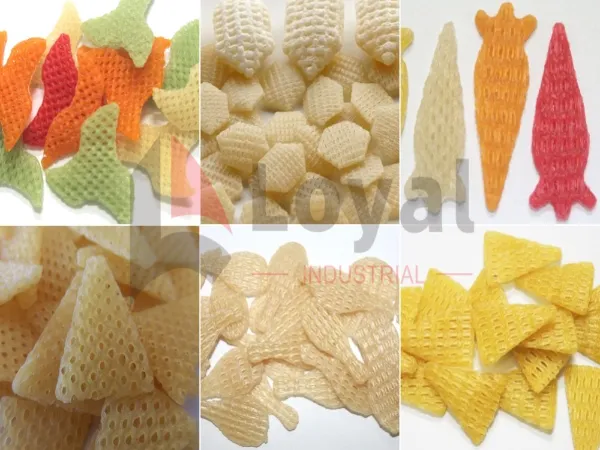
3D Triangle Chips
Produced by the embossing machine. Two layers are sealed at the edges, creating a hollow center that puffs perfectly.
Complex Shape
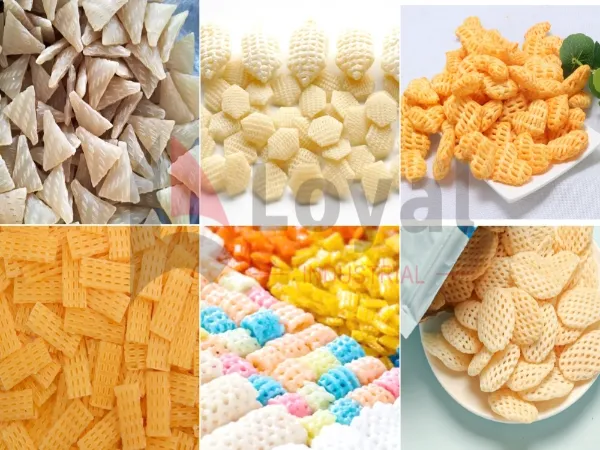
Crispy Chips
Intricate net patterns are possible. High-precision molds ensure the fine details survive the extrusion process.
2D Extruded
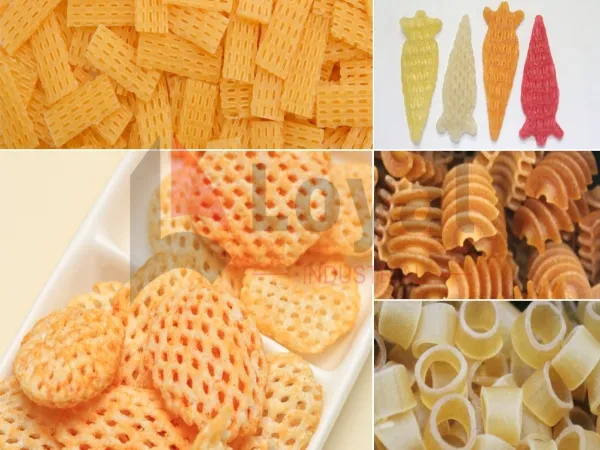
3D Pellet Snacks
A classic 2D shape cut directly at the die face. Known for its spiral texture that holds seasoning powder well.
2D Die-Cut
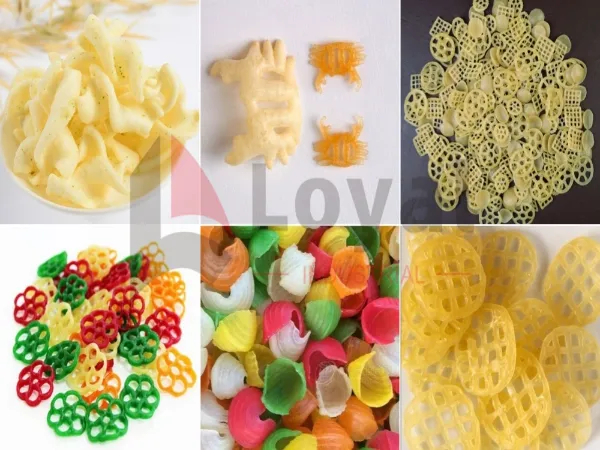
Shrimp Chips
Smooth surface and consistent shape. Often made with wheat flour for a crunchy, harder texture preferred in many markets.
Semi-Finished
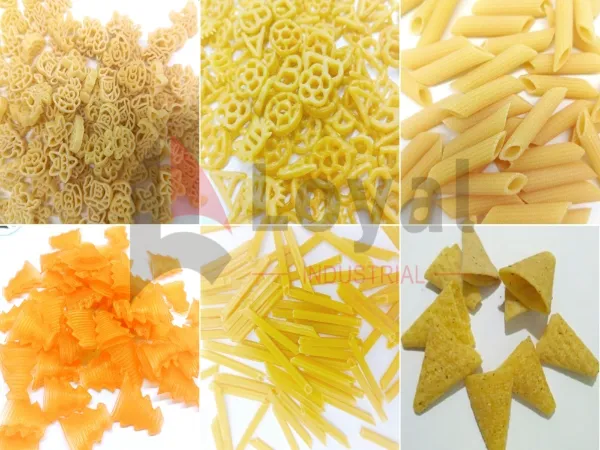
Bugles and Sticks
The direct output of this line. Hard, translucent, and dense. Easy to store (shelf life > 1 year) and cheap to transport.
Fried Result
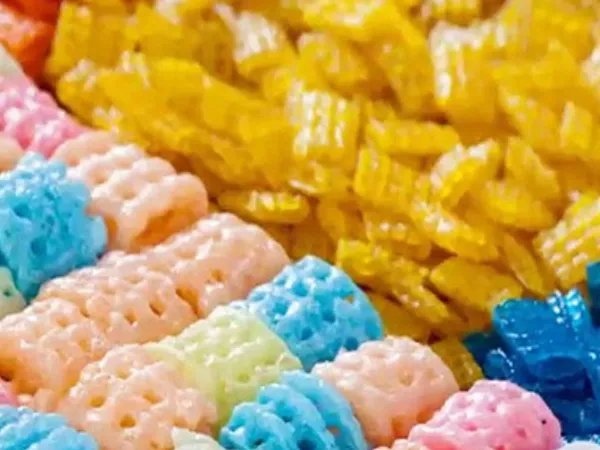
High Expansion
When fried at 190°C, the pellets expand 3-4 times in size within seconds. This visual transformation delights consumers.
Technical Specifications
Designed for continuous operation. Our lines feature long-tunnel drying systems to ensure uniform moisture content in every pellet.
| Model | Extruder Type | Capacity (Pellets) | Total Power | Line Dimensions (L*W*H) |
|---|---|---|---|---|
| LY-100 | Single Screw | 100 – 150 kg/h | 85 kW | 28 x 1.5 x 2.0 m |
| LY-120 | Single Screw | 200 – 250 kg/h | 135 kW | 32 x 1.5 x 2.5 m |
| LY-3000 | Single Screw | 400 – 500 kg/h | 260 kW | 45 x 2.0 x 3.0 m |
* Important Workshop Requirement: Due to the extended low-temperature drying process required for high-quality pellets, this production line is significantly longer than standard puff lines. Please ensure your workshop length exceeds 30 meters.
Patterning Roller System
5-Layer Drying Tunnel
Full Stainless Steel 304
Limited workshop length? We can design a Multi-Layer U-Turn Layout to fit the long drying tunnel into a smaller space.
Get Space-Saving LayoutThe “Semi-Finished” Advantage
Why invest in a pellet line? It unlocks the B2B market. You manufacture high-density semi-finished products, solving the biggest headache in the snack industry: Logistics Costs.
Standard Puff Line
Selling Finished Snacks
- Shipping “Air”: Finished puffs are bulky. One truck carries very little actual weight.
- Limited Radius: High logistics costs limit your sales territory to local markets (100-300km).
- Short Shelf Life: Fried products oxidize quickly (3-6 months), risking inventory loss.
Pellet Production Line
Selling Semi-Finished Pellets
- High Density Shipping: Pellets are compact. One truck carries 5x more product weight.
- Global Market: Low shipping costs allow you to export to frying factories worldwide.
- Long Shelf Life: Dry pellets (10-12% moisture) last 12-18 months without spoiling.
Shape Premium
Complex 3D shapes (animals, rackets) command a higher market price than simple 2D shapes, offering better margins for your brand.
Dual Revenue Streams
Sell semi-finished pellets to other factories (B2B) AND fry them yourself to sell packaged snacks (B2C). One line serves both markets.
Material Flexibility
Process various raw materials including potato starch, wheat flour, and cassava starch to optimize recipe costs based on market prices.
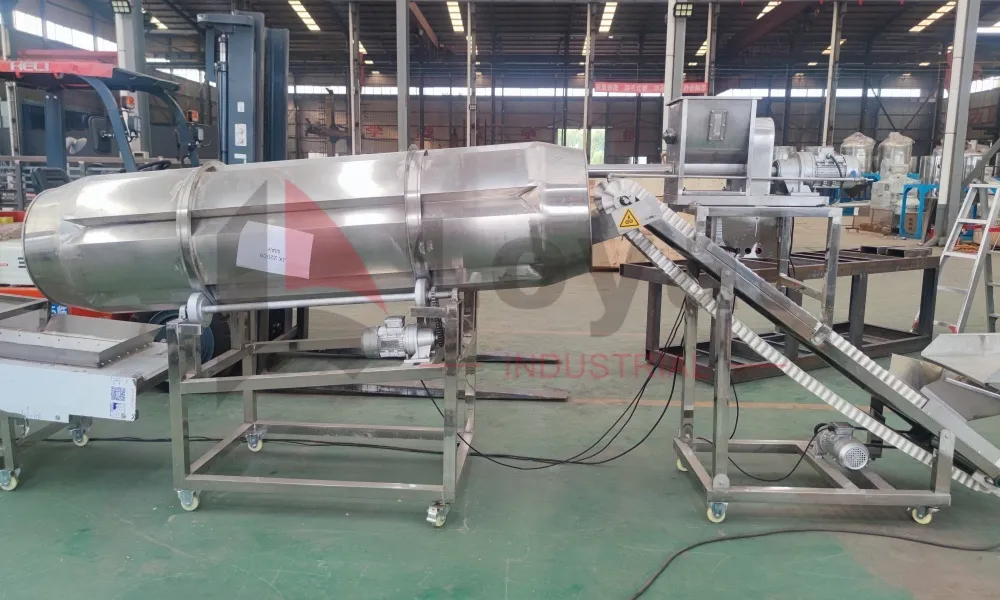
Live Factory Gallery
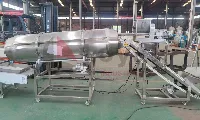
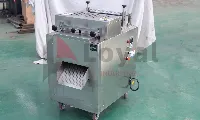
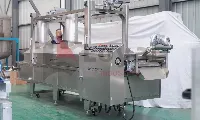
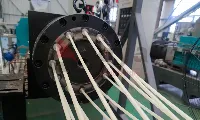
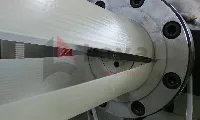
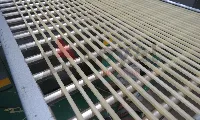
Real on-site photos of our 2D & 3D snack pellet production lines installed worldwide.
Client Success Stories
Feedback from manufacturers who prioritize precision and technical expertise.
“
Your explanation was more complete than all the companies, even Fava and Pawan.
“
Almost the same size as my calculations it was nice working with you.
Why Choose Loyal?
Producing semi-finished pellets requires precise control over starch gelatinization and moisture. We help you master the “Art of Expansion.”
500+ Mold Shapes
Don’t be limited by standard shapes. We offer a library of over 500 mold designs, including intricate 3D animals and rackets. We can also customize molds with your brand logo.
Formula Expertise
The expansion rate depends on the starch ratio (Potato vs. Cassava). Loyal provides proven formulations to ensure your pellets expand 3-4x in size without absorbing excess oil.
Anti-Crack Drying
Our dryers use a “Low-Temp, Long-Time” cycle with precise humidity sensors. This prevents “case hardening” (surface cracking), ensuring 100% of your pellets remain intact during shipping.
Flexible Layouts
Pellet lines are long (up to 40m). If your factory space is limited, our engineers can design U-turn or L-shape layouts to fit the equipment without compromising drying time.
Frequently Asked Questions
Clarifying the differences between pellet lines and standard puff lines.
Should I choose Single Screw or Twin Screw for pellets?
For high-quality, translucent pellets, we recommend the Single Screw Extruder. It provides stable pressure and a lower shear rate, which “cooks” the starch without fully puffing it inside the barrel. Twin screw is typically used for direct-puff snacks.
Why does the drying process take 3-5 hours?
Pellets are dense. Moisture must be removed slowly from the core to the surface. If dried too fast (high temp), the surface hardens while the inside remains wet, causing the pellet to crack later (“Case Hardening”). Our Low-Temp Long Drying process ensures stability.
Can I use fresh potatoes as raw material?
Generally, no. This line is designed for Potato Starch, Potato Granules/Flakes, or Wheat Flour. Fresh potatoes have too much water content for this extrusion process. Using starch powder ensures consistent expansion rates.
What is the expansion rate of the finished pellet?
A high-quality pellet produced on our line will expand 3 to 4 times its original size when fried at 190°C ± 5°C. This high expansion gives the consumer a light, crispy texture.
What is the main difference between 2D and 3D pellets?
2D pellets (screw, shell) are cut directly at the extruder die face. 3D pellets (triangle, racket) require a separate “Patterning Machine” that presses two sheets of dough together to create a hollow center.
Need a Catalog of 500+ Shapes?
We can send you our complete mold library including Animals, Rackets, and Geometric shapes.
Download Catalog