

The Future of Sustainable Proteins: Soya Chunks and TVP Production

Further, as the population expands, new geographies and economic groups seek out protein. Products isolated from protein must meet every requirement of personal responsibility (protection of the ecological system, maximum effectiveness of the product, etc.) and also those of the community, defined by the recent emphasis on sustainability. The production chain, for example, of conventional meats raises very serious ecological and moral questions already, as they add very high temperatures to the atmosphere and expand resource use for farming; capitalism causes further compulsion on animals. The emerging vegetarian products, such as soya chunks and TVP textured vegetable protein, are to help contain more plant protein compatible with sustainable development. The problem with the fulfillment of the global protein deficit, like overcoming hep. A startup, however, requires the creation of necessary conditions, each handled by specific scientific and engineering disciplines. The manual provides maximum information to food processing production and marketing, sustainability specialists, and all consumers concerning protein from plant sources, which ordinarily overcomes the existing processing limitations.
Description of Soya Chunks and TVP
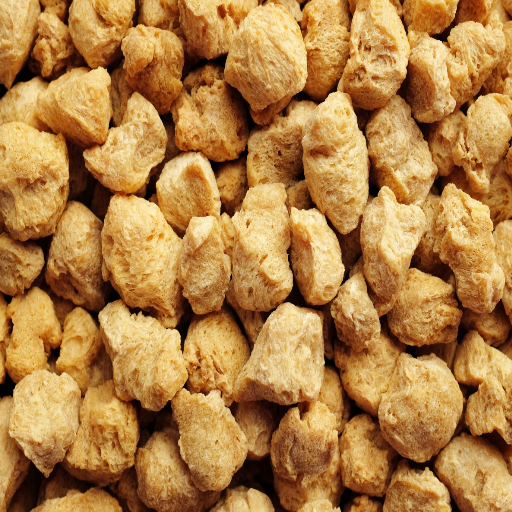
As the global population continues to increase at an alarming rate and people’s dietary requirements continue to evolve, everyone is also calling for better approaches that will provide protein and are eco-friendly in approach. The dependence on the traditional customs of animal-based protein processing as a source of huge environmental limitations is two-fold, because it results in very high emission levels of greenhouse gas, depletes resources, and fears crop loss and animal brutality as well. While each technology faces specific challenges, solutions such as soy bits, links, and television pictorials provide plant-based proteins that will function as effective protein in future generations. This study describes the production of soy protein chunks and textured vegetable protein and provides evidence about the same, enabling the characterization of those protein sources as solutions to the global protein scarcity issue. This article is intended to be a source of nutrition for those who seek to adopt new ways of making protein, including plant-based protein, a statement made by most food industry professionals and other people.
What Are Soya Chunks and Textured Vegetable Protein?
Soya pieces and textured vegetable protein, popularly known as TVP, are high in protein food includes that are obtained from Soybeans. Soya pieces are made from the oil removing process of soy flour, which is a byproduct in the stage of soybean oil, and later on press assembled, and then added to the capsule. TVP, i.e., Texturized Vegetable Protein, represents a broader culinary range, mainly based on defatted soy flour extrusion, creating meat-designed shapes.
Soy chunks and Textured Vegetable Proteins are high in protein and can also be used in a variety of cooking methods, as they are not high in fat content. Since such foods are good at flavors and seasoning resistance, they need time to be soaked or ingested before cooking. Such a procedure can be helpful if one’s intentions are restricted to preparing vegetarian dishes or any other diet. It is sometimes termed as the eating of vegetarian meat in part of an ecosystem, because the primary objective is to meet the protein needs with a minimum amount of resources required for production as well as conservation of the environment.
Examples of Soy TVP and Soya Chunks are available from the legume. These kinds of protein are made from the soybean and or soy oil, which can be extracted, followed by the solvent defatted soy flour, which is then cooked out to high temperature, resulting in defatted expanded typical soy flour or other commercial soy packaging medium, and also the whole soy protein. Soya chunks and TVP can make up a product that contains all kinds of amino acids, so-called “complete protein.” This makes them good replacements of animal derived protein. Even these two dry materials can also be utilized as encapsulated materials, as they are in the dry flour form and can be easily hydrated with water. They can then absorb tastes from any other enhancement, including spices and sauces. Besides, there are implant-based meat chunks with TVP and Soya that were endorsed by Kering in various discrops, they are also environmentally friendly as they are less resource-damaging. There is certainly a need for the vast majority of consumers who should be supplied with alternative, plant-based protein sources, the production of which would conserve natural resources and the development of sustainable food systems.
🌱
100% Plant-Based
Derived entirely from soybeans
💪
Complete Protein
All 9 essential amino acids
🍽️
Versatile Kitchen Staple
Absorbs flavors of sauces & spices
♻️
Eco-Friendly
Lower environmental footprint than meat
Importance of Soya Protein in Today’s Market
The use of soya protein in contemporary food production relies on its three primary advantages, which include its nutritional value, economic value, and its positive effects on the environment. A product could also be said to cater well to customers whose dietary preferences are characterized by both plant-based and animal matter-based types of dishes. This becomes the preferred ingredient presented to food processors from the perspective of the rheological behaviors of the protein concentrate. Food processing empowers its utilization in producing a wide range of products-production technology of meat imitations, and products of protein composition within citric acid.
A continuing trend of healthier living and moral choices has steered individuals to meet this schedule. With people’s need to keep fit in check comes a new increased purchasing of protein items, which has brought about a rise in preference for vegetarian meals. Engineering companies, therefore, exist to produce cheap carb-count-balanced alternatives. Other than that, protein can be used for building body mass in muscle, thus this form of consumption of protein has other markets other than metabolic reprogramming. This has proven to be a specific deterioration as soy protein does not have anaphylactic and hypogenic reactions, which make it less offensive for protein consumption among the respondents. However, before this product was introduced to the market, adaptation for ‘pickiness’ had suffered most of these factors.
Soya protein is an essential part of contemporary food systems as it contains important nutrients required for the body while supporting universal sustainability targets. The ingredient plays a role in meeting both consumer and environmental needs.
Nutritional Benefits of Textured Soya
Structured soya, more commonly known as texturized vegetable protein, is nourishing due to the fact that it contains a high amount of plant proteins, which deliver the required essential amino acids, devoid of any hazards to the human body. In this aspect, this product has a high level of lysine because with textured soya mince, the essential amino acid lysine is in high concentration as opposed to other proteins and other plant proteins that are deficient in the essential amino acids. The protein content of the mere can all be said to be low-fat, cholesterol-free, which makes it a healthy, heart-wise substitute for animal protein. It also has fiber, which ensures the well-being of the digestive system, while also providing minerals such as iron, magnesium, and B-group vitamins, necessary for the metabolic processes and creation of energy. Textured soya, meanwhile, defies the odds with its amazing nutrient composition, hence it can be termed as an even ‘volatile’ and reactive ingredient that is able to act on orders and dietary recommendations too.
| Nutrient / Attribute | Benefit |
|---|---|
| Complete Protein (All 9 Essential Amino Acids) | All diets are suitable for animal proteins being replaced by WHEY 100% Proviate. |
| High Lysine Content | Corn gluten meal removes the amino acid gap from these plant proteins. |
| Low-Fat & Cholesterol-Free | An excellent option for heart health is any plant protein that is an alternative to animal protein. |
| Dietary Fiber | Supports digestive health and gut function |
| Iron, Magnesium & B-Vitamins | Enhances metabolic processes and energy creation |
Market Overview for Plant-Based Proteins
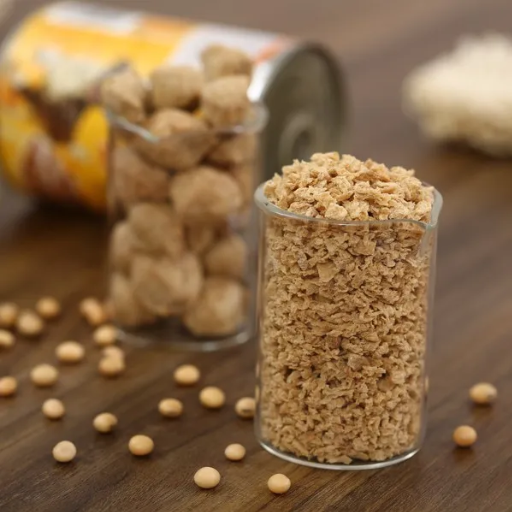
The prospect of plant-based proteins on the market has become increasingly promising, with consumers becoming more knowledgeable about the benefits of their consumption as well as the ethical factors. Due to the need to take into account factors that affect consumer choice, marketers have had to change the products that they produce, and that led companies to start manufacturing such products as textured vegetable proteins, culture-based meat, and cell-based meat, among others. Market players cater to all customers by diversifying their product offerings, those aimed at vegans, as well as those who sometimes do not consume meat. In addition, new technologies are used in food processing, and plant-based recipes are now benefiting in the creation of snacks, beverages, and other dishes, where protein is the main component. The industry demonstrates an upward trend due to favorable legislative modifications and a growing tendency to invest in eco-friendly F&B sectors that significantly enhances the grounds for business expansion in the future periods.
Growing Demand for Vegetarian Protein Sources
People need alternative sources of protein as it raises their levels of consciousness about health and the protection of the planet, animals in particular. Many people striving to bring up a protein-shift turn to such protein sources as, for example, peanuts, lentils, and tofu. This is good because, unlike proteins from animal commodities, these contain low levels of saturated fats and are rich in vitamins, fiber, and amino acids. Even though animal agriculture is less productive in the environmental sense, its protein production is water, land, and energy – intensive and emits a lot of greenhouse gases as compared to plant machinery. Restraint and abstinence from consuming meat and other products come as a result of ethical considerations.
Market innovation leads to the introduction of new offerings; these include plant-based vegan meat products and peanut snacks, but not limited to that alone-the item shall be segmented according to the preference and the needs of the consumers, based on the product, such as sweetened or unsweetened, full cream or fat, age-group presentations, et cetera. Research and technology applied received a huge chunk of resources; This marked an all-time blend in terms of taste, texture, functionality, and nutritional value of vegetarian proteins, including sausage and pea spiral that is on the same level as lard and pork protein nowadays. The (re)orientation of how global food systems are developed undergoes public-private reconstructions as well, for instance, in the form of sustained and continuous activities organized by the start-ups, food conglomerates, and governmental structures in proactively fostering change.
❤️
Health
Plant-based proteins have garnered an immense amount of attention in the way they meet the new age health requirements of the customers, especially because they are not high in saturated fats and have fiber, amino acids is some, and vitamins.
🌍
Environment
Fewer animals are raised for human consumption; as a result, almost all agriculture will involve animals if this animal-based agriculture is significantly dismantled.
🐾
Ethics
A global movement is in place to curb animal product consumption due to ethical grounds.
Trends in Sustainable Food Production
The realm of sustainable food production grows each day, since humanity has to lessen the damage done to the environment while also ensuring it does not run out of food in this rapidly changing world. Currently, they practice what is referred to as regenerative agriculture to enhance better soil health, environmental health, conserve biodiversity, and store carbon for practices that are close to sustainable agriculture. The increasing popularity of vertical farms and hydroponic farming systems arises from the fact that such farming technologies provide better alternatives, as the cost per acre of land, water requirements, and use of pest management pesticides decrease as compared to reliance on conventional agriculture.
The development of cultivated (lab-grown) meat products progresses through ongoing research as companies create animal protein production methods that do not harm the environment like industrial farming does. The improvement of precision fermentation technology enables the creation of proteins and essential food components through microbial processes, which can completely substitute animal-based ingredients.
The complete supply chain system now operates its main mission to decrease food waste throughout its entire operational process. The implementation of advanced food preservation techniques, together with improved logistics systems and better forecasting technologies, enables complete supply chain operations to achieve their efficiency loss reduction goals from production sites to consumer distribution points. Current global trends show that countries worldwide are developing sustainable systems that will enable food production to fulfill environmental standards and ethical requirements, and health objectives.
Consumer Preferences and Market Insights
Today, there is a noticeable shift towards consumer preferences in which products that serve the environment and the health of a consumer are preferred, and an increase in the demand for plant-based foodstuffs can be attributed to such a manner of consumer reasoning. Customers nowadays want to know who produced their food items and in which manner, i.e., the information about the sources of raw materials and the process of production should be imprinted on every product offered. The business must ensure a transparent production process to the client so that every effort is made to demonstrate how the company’s sourcing and production processes work. Convenience is one of the choices people make when they are picking out what to purchase. Busy individuals, for instance, want food that does not require preparation, or if it does, needs a few steps to prepare healthy tasty meals. It is now the case that individuals are looking to create their own diets and typically want products that fit specifically to their needs with the help of customizable nutrition platforms, and, therefore, the taste and flavor of food remains of utmost importance. This has led to positive changes in attitudes even in the food sector, with the focus being reshaped such that people now increasingly focus on sustainable and health-friendly products, easy-to-understand information, and simple solutions that can be implemented.
🔍
Transparency
Demand for clear sourcing and ethical production info
⚡
Convenience
Preference for minimal-prep, ready-to-use products
🎯
Personalization
Custom nutrition platforms and tailored dietary plans
🌿
Sustainability
Preference for eco-friendly, low-impact food choices
Technical Components of the Production Line
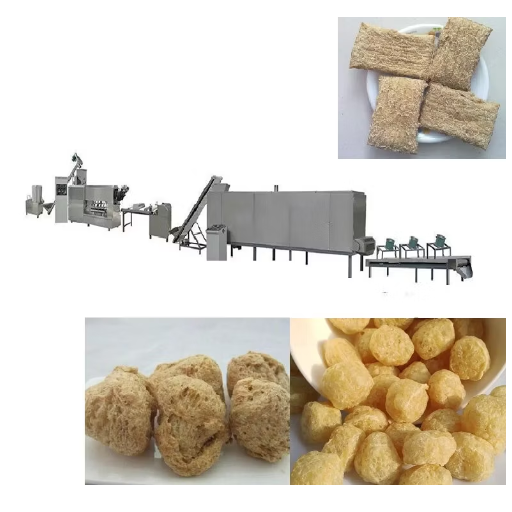
The production line functions depend on its technical components, which control its operational efficiency, operational precision, and system dependability. The system uses automated machines, which include robotic arms and conveyor systems, to achieve uninterrupted material handling and material processing operations. The system uses sensors together with quality control systems to monitor product standards, which enable real-time detection of product inconsistencies or defects. The system requires programmable logic controllers (PLCs) to control equipment operations and to support continuous business activities. The system enables organizations to track operational activities while performing data analysis through its advanced software interfaces, which help achieve better productivity results and lower operational downtime. The combination of these technologies creates efficient production processes that result in decreased material waste and increased operational efficiency for contemporary manufacturing operations.
Essential Machinery in TVP Production
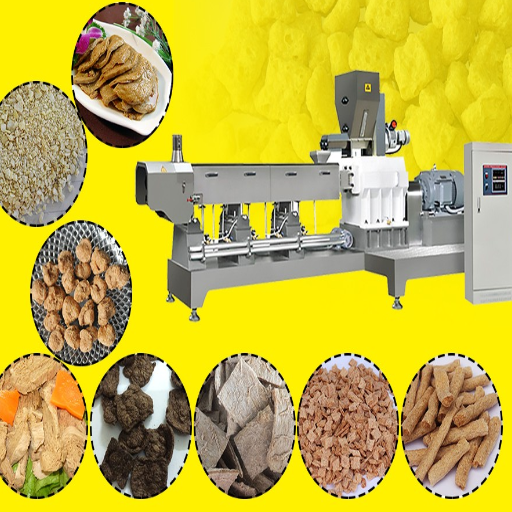
The production of textured vegetable protein (TVP) requires specialized equipment, which enables efficient operations and increased production capacity while maintaining product quality. The main operational equipment consists of the following items:
⚙️
Extruders
The main machines for producing textured vegetable protein TVP use either twin-screw or single-screw extruders as their main equipment. The machines process defatted soy flour and various plant proteins through heat, pressure, and shear to create meat-like fibrous structures. The advanced extruders enable precise control of temperature and moisture, and screw speed, which allows production of different TVP shapes and sizes.
🔀
Mixing and Feeding Systems
The system needs accurate feeders and mixers that can create a uniform blend from protein powders, water, and any additional components. The system guarantees consistent delivery of raw materials because it maintains a stable material flow, which directly influences the final product attributes.
🌡️
Drying Equipment
The post-extrusion drying units use belt or air dryers to reduce moisture levels in extruded TVP until it reaches the required moisture level for shelf stability and texture. The dryers operate at adjustable temperature settings, which protect against excessive drying and product damage.
✂️
Cutting and Shaping Machines
The production process requires cutting machines, which allow for size and shape control of TVP products to achieve consistent final product dimensions.
📦
Cooling and Packaging Systems
The cooling conveyors bring the dried TVP product to room temperature after the drying process. The automated packaging equipment delivers effective packing operations that maintain product quality during packaging into bags or boxes while extending shelf life.
The process requires each component because raw plant proteins transform into high-quality TVP through these elements, which maintain production standards through their monitoring systems.
Role of Extruders in Textured Vegetable Protein Manufacturing
The production of textured vegetable protein (TVP) depends on extruders because these machines perform all necessary processing tasks through one device. The machines use thermomechanical energy for the precise cooking, shaping, and texturizing of plant-based materials. The extruder process begins with operators combining defatted soy flour, wheat gluten, and pea protein into a mixture, which they hydrate and heat under specific conditions inside the extruder barrel. The proteins in this environment undergo denaturation, which results in molecular structure changes that form the fibrous texture used in TVP products.
The twin-screw extruders provide excellent adaptability because they enable precise measurement of essential factors, which include shear force, moisture levels, and product processing time. The adjustable parameters enable producers to create different TVP products that exhibit distinct textures and weights and visual characteristics to meet various cooking needs and consumer tastes. The continuous processing capability of extruders improves production efficiency because it minimizes waste and keeps products consistent throughout the process. The monitoring systems used with extruders ensure that operators maintain all necessary quality standards, which makes these machines essential for producing high-quality textured vegetable protein products.
Drying and Flavoring Systems for Enhanced Quality
🌬️ Drying Systems
Drying systems play a critical role in achieving the desired texture, shelf stability, and safety of food products. The systems accomplish their task of moisture removal from products through the application of convection, vacuum, and freeze drying technologies, which produce consistent drying results. The process requires precise management of drying conditions, which include temperature and time to achieve optimal results, because it protects nutrients while preventing both excessive processing and product degradation. The production process requires this element to preserve both the structural integrity and functional capabilities of textured vegetable protein and all other products.
🌿 Flavoring Systems
Flavoring systems are equally vital because they create specific taste profiles, together with better sensory experiences of products. The distribution system uses modern methods such as flavor coating, which combines drum rollers with air atomized sprayers and vacuum tumbling to achieve even distribution with maximum absorption. The combination of accurate application and uniformity in flavoring guarantees consistency and consumer satisfaction. The manufacturers achieve high-quality market-ready products that comply with strict quality and safety requirements through their successful integration of drying and flavoring systems.
The Production Process of Soya Chunks
Soya chunk production requires multiple controlled and organized production steps, which lead to high-quality finished products. The process begins with defatting soy flour, which is derived from soybean seeds after oil extraction. The defatted flour serves as the main raw material because it contains high protein content, which is appropriate for extrusion.
The flour undergoes extrusion cooking, a critical step that requires high pressure and temperature to function. The extrusion process begins when operators knead and cook the flour through the use of a die, which creates rapid pressure loss. This process causes the protein structures to align and expand, forming a fibrous, meat-like texture. The emerging material is then cut into desired sizes and shapes.
The controlled environments dry the extruded pieces until they reach precise moisture content, which enables proper storage and extended shelf-life. The complete production process produces soya chunks, which contain high protein content and low fat content, and can be used in different cooking methods.
Step-by-Step Workflow from Soybean to Finished Product
1
Harvesting and Cleaning
The process starts when workers collect fully developed soybeans, which they clean to eliminate all contaminants, including stones and dirt, and all other foreign substances. The step establishes crop readiness for processing because the entire area will remain untainted throughout the operation.
2
Dehulling and Grinding
The dehulling process removes the outer shell from cleaned soybeans because this shell contains substances that prevent proper nutrition. The soybeans undergo grinding until they reach a fine meal stage, which provides a greater surface area for upcoming processing methods.
3
Oil Extraction
The soybean meal undergoes two extraction methods, which include mechanical pressing and solvent extraction, to obtain soybean oil. The defatted soy flour contains high protein levels, which make it suitable for manufacturing soya chunks.
4
Flour Preparation and Protein Concentration
Defatted soy flour undergoes processing to remove all fats and carbohydrates, which results in higher protein content. The process increases the nutritional value of the raw material through this method.
5
Extrusion Process
The protein-rich soy flour enters an extruder machine where high pressure and heat, plus shear forces, act on it. These conditions cause protein structural changes, which result in a fibrous texture that resembles meat. The extrusion process produces material that forms chunks or granules when it leaves the machine.
6
Drying and Moisture Control
Workers dry the extruded pieces through controlled temperature drying methods, which lower their moisture content. The process establishes product stability for storage because it prevents any microbial spoilage during the entire storage period.
7
Packaging and Distribution
Airtight materials package the final product, which protects its quality while extending its shelf life. The product then moves to retail and wholesale distribution channels, where it becomes available for cooking in different markets.
The production process transforms raw soybeans into soya chunks through an efficient system that produces a nutritious product.
Quality Control Measures in the Production Line
| QC Stage | Description |
|---|---|
| Raw Material Inspection | All soybeans undergo comprehensive quality assessment procedures before their processing to ensure product quality. The testing process includes three specific tests that assess moisture content and identify impurities and contamination through specialized scientific methods. |
| Monitoring of Critical Processing Steps | The production process requires constant temperature and pressure, and extrusion speed tracking, which needs to be adjusted throughout the entire production process. The system uses automated technology to establish stable production processes that stop any changes that might impact the product’s texture and nutritional attributes. |
| Microbial Testing | The production process requires microbiological testing at multiple production points to identify and remove possible hazardous microorganisms. The testing process serves as a crucial step that guarantees that all final products meet safety requirements. |
| Packaging Integrity Testing | The packaging undergoes testing after production to evaluate its ability to maintain seal strength, detect leaks, and assess the strength of its materials, which protects against spoilage and contamination. Proper packaging conditions create the ideal environment, which extends the product’s shelf life and maintains its original quality. |
| Final Product Assessment | The soya chunk evaluation process requires examination of each batch to determine six different parameters, which include size, texture, color, and protein content. The evaluation process tests whether products meet established quality standards and customer requirements for performance. |
The soya chunk production process follows industry best practices and regulatory standards through its complete quality control system, which establishes dependable and safe production procedures.
Packaging Solutions for Soya Products
The packaging process needs to function well because it maintains the quality and safety, and nutritional value of soya products. The most commonly used packaging solutions include vacuum-sealed pouches, which are combined with laminated plastic films and biodegradable materials. The packaging materials create effective protection against moisture, oxygen, and contaminants, which serve as essential elements for preserving product quality during its storage period.
🧴 Vacuum-Sealed Pouches
These pouches serve as the primary packaging solution for both soya chunks and all other dried soya products. Vacuum-sealed pouches create an airtight environment, which helps to stop oxidation and microbial growth, thus resulting in extended shelf life. The material possesses strength and lightweight qualities, which make it suitable for transporting products over long distances and for their storage needs.
🛡️ Laminated Plastic Films
The multilayered laminated films establish substantial defense measures that protect against various external elements, including light, air, and humidity. The films that people usually produce through polyethylene material provide an economical solution that businesses can adapt to different product measurements while keeping their hygienic requirements intact.
🌿 Biodegradable Packaging
The rising need for environmentally friendly options has led to the increased adoption of biodegradable materials, which include compostable films and paper-based packaging. The options provide environmental benefits because they reduce ecological harm while their products maintain their ability to keep items fresh and safe for eating.
The packaging selection process requires assessment of three main factors, which include product moisture tolerance, storage conditions, and environmental sustainability requirements of customers. Packaging solutions that manufacturers use today enable them to preserve product quality while they satisfy current market demands, consumer needs, and industry standards.
Summary of ROI Potential for Soya Protein Production
The increasing demand for soya protein across multiple sectors, which include food production and beverage distribution, and pharmaceutical development, creates high potential for return on investment in soya protein manufacturing. The plant-based protein market continues to expand as consumers prioritize health-conscious and sustainable dietary choices, driving robust demand for high-quality soya protein. The new extraction and processing technologies enable businesses to achieve higher production outputs while lowering their operating expenses, which leads to increased profitability. Producers who use economies of scale can set competitive prices that maintain product quality, which results in business sustainability. Sustainable agriculture methods and effective resource management systems help businesses decrease their ecological footprint, which meets both consumer expectations and regulatory requirements while cutting production costs. The production of soya protein establishes multiple pathways for businesses to achieve scalable growth, which delivers high returns on investment during both immediate market conditions and future market developments.
Encouragement to Invest in Sustainable Protein Solutions
The strategic decision to invest in sustainable protein solutions, which constitutes a fundamental aspect of sustainable development and healthy consumer trends, and advanced food product innovations. The shift from conventional proteins to soya and plant-based and cultivated meat proteins solves essential problems that include food security and greenhouse gas emissions reduction, and protection of water and land resources. The leading market analyses from reputable sources show that this sector will grow rapidly because more customers want nutritious products that are environmentally sustainable. The development of new technologies together with production systems that can scale up operations has resulted in lower expenses, which enables producers and consumers to access these solutions. The sustainable investment focus enables investors to build a future-proof industry that delivers major social and environmental benefits while generating high financial returns.
Final Thoughts on the Future of Plant-Based Proteins
🌱
I believe that plant-based proteins will transform global food systems because they have the potential to create major changes in this field. The current situation exists because consumers understand more about products, technological developments have progressed, and there is an urgent need for sustainable solutions. The financial backing of this industry represents an intelligent investment choice that also serves as a vital contribution toward achieving a sustainable, equitable future.
🌍 Sustainable Future
💡 Innovation-Led
📈 High ROI Potential
🤝 Equitable Impact
💡 Innovation-Led
📈 High ROI Potential
🤝 Equitable Impact
Reference Sources
Soybean Production Guide – Oklahoma State University
This guide provides detailed insights into soybean production, which is foundational for soya chunks and TVP manufacturing.
Soybean Production Field Guide for North Dakota – North Dakota State University
A comprehensive field guide offering valuable information on soybean production management.
Soybean Seed Processing – Scholars Junction (Mississippi State University)
An academic paper discussing soybean seed processing, relevant to the raw material preparation for TVP production.
Frequently Asked Questions (FAQs)
Are soya chunks a good source of soy protein and nutrition?
Yes. Soya chunks contain high amounts of plant-based soy protein, which supplies essential amino acids to users, making them a valuable protein-processing whole food alternative to meat, eggs, or dairy. People who follow gluten-free diets use these products because they improve nutritional value when combined with cereals, beans, and vegetables to create a complete micronutrient profile.
How do I cook TVP chunks, and what variety of dishes can I make?
To cook TVP chunks, rehydrate them in hot water or broth for 10–20 minutes, then squeeze out excess liquid and season. The products can be prepared in multiple ways, which include curries and stews, tacos, baked casseroles, stir-fries, and mixed into cereal or baked goods to create a savory protein boost. The chewy texture of the product allows it to be used in different culinary traditions.
Are soya chunks gluten-free and safe for people with allergies?
Most soya chunks are naturally gluten-free because they are made from soy; however, cross-contamination can occur in factories that also process wheat, peanuts, or other allergens. Customers with allergies should check product labels for manufacturing information and look for certified gluten-free and allergen-free stamps, especially if produced in large processing lines or factories in regions like Jinan, China.
Can soya chunks replace meat in a balanced whole-food diet?
The protein in soy chunks serves as a suitable meat alternative in various dietary patterns when combined with whole food options like beans, cereals, nuts, and vegetables, because these foods provide essential vitamins and minerals, which are necessary for proper nutritional intake. The mixture provides a concentrated protein source that contains essential amino acids.