

Baking a Flaky Biscuit Recipe With Oil Instead of Butter

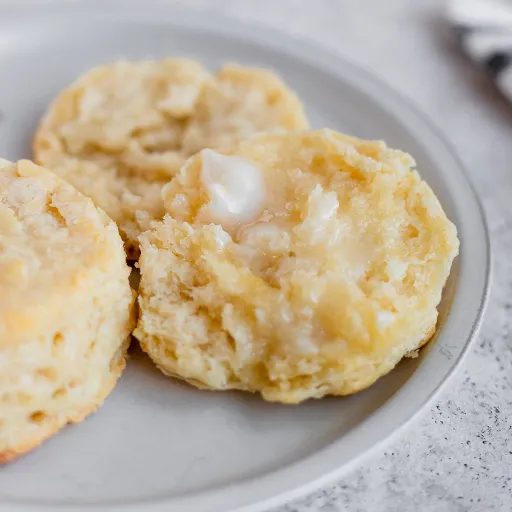
Swapping solid dairy fats for a liquid alternative requires a slight adjustment in technique, but making a biscuit recipe with oil instead of butter yields incredibly tender results. Because oil coats flour proteins efficiently, it prevents dense gluten strands from forming. While you won’t get the distinct, peeling layers of traditional cold-butter lamination, combining a neutral cooking oil with very cold milk produces a soft, pillowy crumb that comes together in minutes without the need for a pastry blender.
Why liquid fat completely changes the dough structure
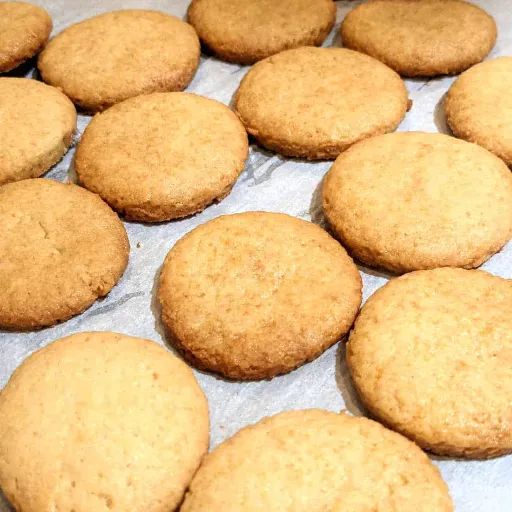
When you swap a solid stick of butter for liquid oil, you fundamentally alter the chemistry of the bake. Butter is an emulsion containing roughly 82% fat and up to 18% water. As that water hits a hot oven, it flashes into steam, pushing the dough upward to create distinct, peeling layers.
Oil is completely different. It is 100% pure lipid content with zero moisture to generate that structural lift.
Instead of creating trapped pockets of steam, liquid fat immediately coats the dry flour particles. Commercial bakeries often leverage this exact mechanism when they need to intentionally inhibit gluten formation. Because the proteins are thoroughly lubricated by the oil, they struggle to link together into tough strands. Consequently, the dough tends to bake into a remarkably tender, crumbly texture rather than a highly laminated one.
4 steps to achieving a tender crumb without cold butter
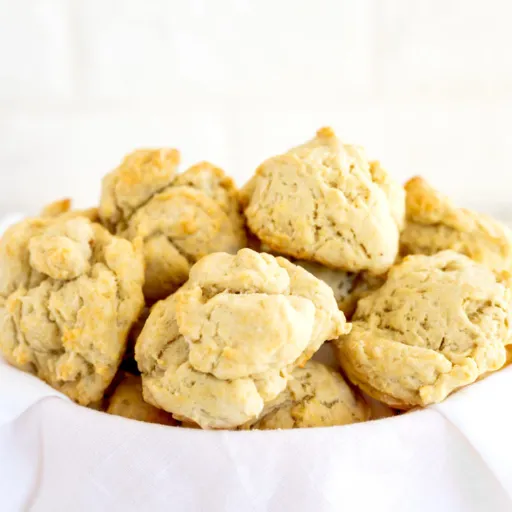
Most home bakers panic when they realize they are out of butter, assuming the result will be heavy or greasy. But oil biscuits aren’t just a backup plan; they are a distinct style of baking that relies on chemical aeration rather than steam pockets.
Since you cannot rely on melting fat to create layers, you have to manipulate the other variables—specifically temperature, handling, and hydration—with much more precision. You are essentially building a structure that creates lift through reaction speed rather than mechanical separation.
Selecting a neutral cooking oil
You want the subtle sweetness of the wheat to stand out, not the fat. Strong oils like unrefined peanut or extra virgin olive oil often overpower the delicate profile of a biscuit. Stick to canola, vegetable, or a very light grapeseed oil.
Commercial biscuit mixes frequently utilize hydrogenated soybean oil for this exact reason—it provides pure functional moisture without interfering with the flavor. If you must use olive oil, ensure it is a “light” variety, not the robust green oil used for salad dressings.
The importance of chilling your dairy or plant milk
Since your fat source is liquid at room temperature, it cannot help regulate the dough’s temperature. That poses a risk. You need to introduce a thermal shock from another source.
Keep your milk or buttermilk in the coldest part of the fridge—usually the back bottom shelf—until the very second you are ready to pour. If the liquid sits out and creeps above 45°F, the baking powder often activates prematurely in the bowl rather than in the oven. That early chemical reaction kills the rise, leaving you with flat, dense pucks.
Drop biscuits versus traditional rolled and cut shapes
Oil-based dough lacks the structural integrity of a cold-butter mixture. It tends to be significantly wetter and stickier, behaving almost like a thick batter. If you try to roll this out on a counter, you will inevitably end up kneading in too much dusting flour to prevent it from sticking to the pin.
That extra flour absorbs moisture and throws off the hydration ratio, resulting in a dry, chalky bite. Embrace the scoop instead. Use a standard #20 portion scoop or a large spoon to drop the batter directly onto the baking sheet. This minimizes handling. The less you touch an oil-saturated dough, the more tender the final crumb remains.
Can you actually get authentic flaky layers using a liquid fat?
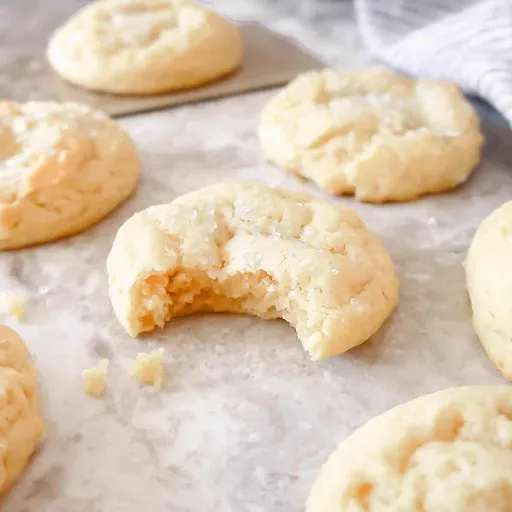
The short answer is no. If you define “authentic” as those impossibly high, peeling sheets of pastry you pull apart at a diner, liquid fat simply cannot replicate that physics.
Butter contains roughly 16 to 18 percent water. When that cold water hits a hot oven, it violently converts to steam, physically forcing the layers of dough apart. Oil has zero water content to produce that expansion. It just saturates the flour. Commercial bakeries attempting dairy-free lamination usually rely on highly plasticized, solid shortenings engineered to mimic butter’s exact melting point rather than a straight liquid pour.
Oil tends to create a short, crumbly, melt-in-your-mouth texture—think more along the lines of a tender shortcake or a delicate drop scone. But if you are determined to see some visual separation in the crumb, you have to engineer it manually before the tray ever hits the heat.
Simulating lamination through manual dough folding techniques
Since you cannot rely on expanding steam to separate the crumb, you must literally stack the dough yourself. Once the liquid ingredients are barely incorporated, gently turn the shaggy mixture out onto a very lightly floured surface.
Instead of aggressively using a rolling pin, carefully pat the dough into a rough rectangle about an inch thick. Fold it in half over itself like you are closing a heavy book, then gently press it down again. Doing this three or four times manually traps microscopic pockets of air between the folds.
Be incredibly cautious here. Because the oil has already heavily lubricated the flour proteins, continuously pressing and folding the dough will eventually over-activate the gluten network. If you push past five or six folds, those delicate simulated layers often bake into a dense, chewy brick.
Flour selection
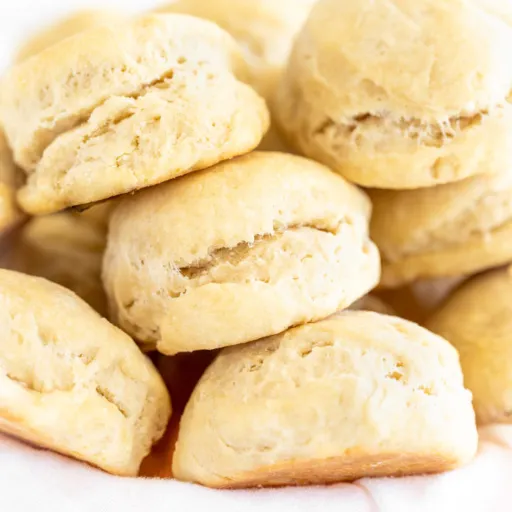
The flour you pour into the bowl dictates the final texture far more than the fat itself. Reaching for a high-protein bread flour—which often clocks in around 12.7% protein—will almost certainly yield a tough, chewy puck.
Instead, seek out a soft red winter wheat flour. Commercial biscuit flours typically sit right around 8.5% protein. This drastically lower gluten potential ensures a delicate crumb even if the wet dough is accidentally overhandled.
If you only have standard all-purpose flour on hand, you can easily mimic that soft wheat texture by replacing two tablespoons of it with pure cornstarch. This simple dilution tends to inhibit gluten development just enough to keep the bake incredibly tender.
Understanding how commercial bakeries manage dough consistency without using solid dairy fats
When large-scale food processors formulate dairy-free or shelf-stable biscuits, they face a massive logistical hurdle. They can’t just manually cut in cold butter.
Handling thousands of pounds of dough requires absolute predictability. To achieve this, commercial bakeries often rely on highly refined liquid oils paired with specialized food-grade emulsifiers.
To keep massive batches from turning into a greasy, unworkable paste, industrial facilities strictly control the ambient temperature of the mixing floor—typically locking it right around 68°F. They use heavy-duty, water-jacketed spiral mixers to incorporate the oil and flour at exact, calculated speeds. This rapid, friction-controlled blending coats the starch granules evenly before tough gluten strands can form.
At home, you don’t have climate-controlled mixing vats. But understanding this industrial mechanism highlights exactly why over-mixing an oil-based dough in your own kitchen is so dangerous. Without commercial-grade temperature regulation, the liquid fat tends to pool or separate if overworked, which almost always results in a heavy, dense crumb rather than a light biscuit.
3 common mistakes that lead to dense and heavy oil-based baked goods
Pulling a pan of hard, heavy discs out of the oven is incredibly frustrating, especially when you measured everything perfectly. When baking with oil, your margin for physical error actually shrinks. Because liquid fat doesn’t offer the structural forgiveness of cold, expanding butter pockets, tiny missteps compound quickly.
One frequent culprit is simply relying on stale baking powder. Oil doughs depend almost entirely on chemical leavening for their lift rather than steam separation. If a tin of baking powder has been sitting open in a humid pantry for eight or nine months, it has likely lost the vigorous potency required to push that oil-saturated flour upward. The result is inevitably a flat, greasy puck.
Beyond dead leavening agents, the other two major points of failure happen right on the cutting board and at the oven dial.
Over-kneading the gluten network
It is tempting to treat biscuit dough like a rustic yeast bread, vigorously folding it until the surface is perfectly smooth. Doing this with an oil-based mix guarantees a tough, exhausting bite.
Every single time you press and fold the wet flour, you encourage the gluten proteins to link into tight, elastic webs. Overworking the mixture forces those bonds to become incredibly rigid. You have to stop mixing the very second the dry streaks of flour disappear. The dough should look shaggy, chaotic, and slightly damp in the bowl.
Mismanaging oven temperatures
Most home cooks automatically default to 350°F for general baking. That environment is far too cool for a successful biscuit.
Without a rapid blast of intense heat—usually right around 425°F or even 450°F—the baking powder reacts too slowly. The dough just sits in the warm oven, allowing the liquid oil to seep out and pool on the baking sheet before the crumb structure actually has time to set. Hitting the wet batter with immediate, aggressive heat forces a rapid chemical rise, locking the tender interior in place before it has a chance to collapse.
FAQ Section
What type of oil works best for making biscuits?
The most reliable batches always come from neutral-flavored options like canola, standard vegetable, or grapeseed oil. Because traditional biscuits feature such a delicate, slightly sweet wheat profile, strong-tasting fats easily overpower the dough. You simply want the liquid to provide tenderizing moisture without leaving any distinct culinary footprint behind.
Can I use olive oil instead of vegetable or canola oil?
You certainly can, but you need to be very careful about the variety. Extra virgin olive oil has a robust, peppery bite that will instantly turn a traditional breakfast biscuit into a decidedly savory side dish. If you want to maintain a classic, neutral flavor profile, opt for a “light” or refined olive oil instead, as it has been processed specifically to remove that heavy, grassy taste.
Why did my oil biscuits turn out flat and hard?
Dense, hockey-puck textures usually stem from two main culprits: dead leavening agents or severe over-kneading. Since liquid fat can’t create steam pockets like cold butter does, your dough relies entirely on fresh baking powder and a hot oven (usually 425°F or higher) to rise. Additionally, if you mix the wet flour until it looks perfectly smooth, you’ve likely overworked the gluten, snapping it into a rigid, heavy structure.
Do I need to adjust the baking time when skipping butter?
In most standard recipes, the overall baking duration remains exactly the same—typically between 10 and 15 minutes in a hot oven, depending entirely on the physical size of your scoops. However, because liquid fat lacks the specific milk proteins and sugars found in dairy butter, the tops of your baked goods might not brown quite as aggressively. You should resist the urge to leave them baking longer just to achieve a picture-perfect golden crust, otherwise, you run the risk of completely dehydrating the delicate interior crumb.
How long do dairy-free oil biscuits stay fresh?
Like most homemade bread products lacking commercial preservatives, they are absolutely best enjoyed warm right out of the oven. If you have leftovers, store them in a completely airtight container at room temperature for up to two days. Because oil remains liquid at room temperature, they actually stay softer than butter biscuits on day two, but you will still want to give them a quick ten-second microwave zap before eating.