

Is Canned Tuna Cooked? Understanding the Processing and Safety of Shelf-Stable Fish

Yes, canned tuna is always fully cooked before it reaches the shelf. In fact, most commercial brands utilize a “double-cook” process: the fish is first steamed to allow for easy cleaning and deboning, then cooked again inside the sealed can during the final sterilization phase. This means you can safely eat it straight from the container or add it to cold dishes without any additional heating or preparation.
The Short Answer: Why Your Tuna is Already Fully Prepared
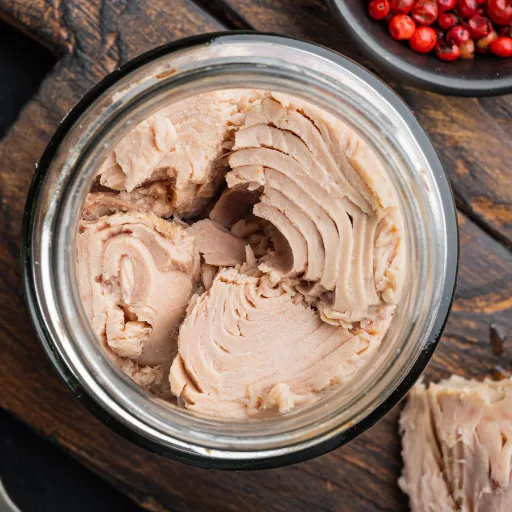
Canned tuna is a rare example of a “raw” looking ingredient that has actually undergone intense thermal processing before it ever reaches your pantry. If you were to open a tin and find truly raw fish, the product would spoil within hours. Instead, the canning process effectively turns the metal container into a miniature pressure cooker.
Industry observation suggests that the internal temperature of the tuna often reaches 116°C to 121°C during the sterilization phase. This high-heat environment is mandatory to eliminate Clostridium botulinum spores, ensuring the fish remains shelf-stable for years.
Consider a realistic scenario where you are prepping a quick lunch. You can flake the fish directly onto a salad because the “cooking” happened months ago at the processing facility. A practical example of this preparation is the difference in texture between a seared ahi steak and the contents of a can; the latter is firm and flaky because the proteins have been fully denatured by steam and pressure. While the fish may appear pink or pale, this is a result of the specific species and the vacuum seal, not a lack of heat.
The “Double-Cook” Method: How Industrial Processing Ensures Food Safety
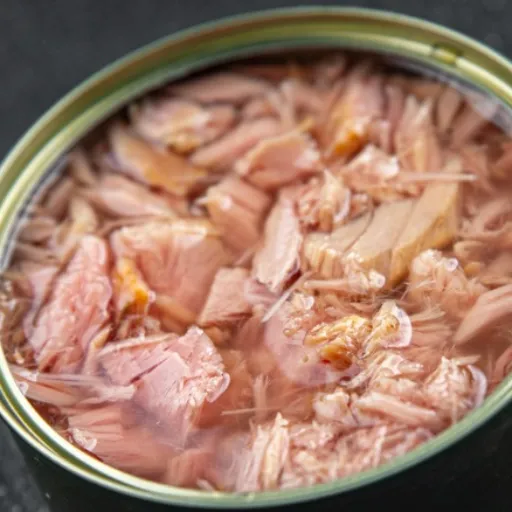
The journey from the ocean to a shelf-stable tin isn’t a simple matter of raw packing. To maintain the structural integrity of the fish while guaranteeing it won’t spoil at room temperature, the industry uses a distinctive two-stage thermal application. This “double-cook” approach is the reason why is canned tuna cooked is a question with a resounding yes; by the time you pull the tab, the fish has essentially been prepared twice.
Stage One: The Pre-Cook and Cleaning Phase
Before any fish enters a can, it undergoes an initial steam treatment. Frozen whole tuna are thawed and placed into large steam ovens. This isn’t meant to be the final culinary finish; rather, it’s a functional step to loosen the skin and facilitate the removal of bones and dark meat.
Industry observation suggests that over-steaming at this stage can lead to a dry final product, so timing is calibrated to the fish’s size. A practical example: a large Skipjack might spend 45 to 90 minutes in a 100°C to 105°C steam environment just to reach a pliable state. Once cooled, workers or automated systems “clean” the fish, leaving only the pristine white or light loins ready for portioning.
Stage Two: Retort Sterilization and Final In-Can Cooking
Once the cleaned loins are sealed inside the cans with water, oil, or brine, the most intense heating begins. The sealed cans are loaded into a retort—a massive industrial pressure cooker. This is where the actual “in-can” cooking occurs.
Under immense pressure, temperatures usually climb to around 116.3°C or 121.1°C. This specific heat is necessary to achieve commercial sterility. Because the fish is sealed in a vacuum before this stage, all the natural juices and flavors are locked inside the metal. In a realistic scenario, if this second cook were skipped, the anaerobic environment of a sealed can would become a breeding ground for dangerous pathogens. Instead, the retort ensures the protein is fully denatured and safe for immediate consumption.
Why Canned Tuna Doesn’t Need Preservatives to Stay Fresh
You won’t find a long list of chemicals on a tuna label because the process itself is the preservative. The combination of a hermetic (airtight) seal and the high-heat retort process creates a biologically “dead” environment.
Without oxygen or living microorganisms, there is nothing to cause decay. Cautious phrasing is often used regarding shelf life, yet many cans remain perfectly safe for 3 to 5 years, or even longer, provided the seal isn’t compromised. The salt or oil added is typically for flavor and texture—the heavy lifting of preservation is entirely handled by physics and heat.
Cold vs. Hot: Do You Need to Reheat Canned Tuna Before Eating?
The simple answer is no—reheating is entirely optional. Because the fish has already survived the intense heat of a retort sterilizer, it is bacteriologically safe the moment you break the seal. Most consumers enjoy it cold, flaked directly into a tuna salad or mashed with avocado. In these cases, the chilled temperature preserves the firm, “chunky” texture that industrial processors work hard to maintain.
However, thermal preference often dictates the preparation. A realistic scenario involves adding a 142g tin to a pot of simmering pasta sauce or folding it into a tuna melt. While you aren’t “cooking” the fish to make it safe, you are warming it to integrate the flavors.
A practical example of a common mistake is over-heating the tuna during a second cook. Since the proteins were already denatured at roughly 116°C during canning, exposing them to prolonged boiling on a home stove can result in a rubbery, dry mouthfeel. If you choose to serve it hot, industry observation suggests adding the tuna at the very end of the cooking process—just long enough to reach an enjoyable eating temperature without further dehydrating the meat.
3 Creative Ways to Use Canned Tuna Without Turning on the Stove
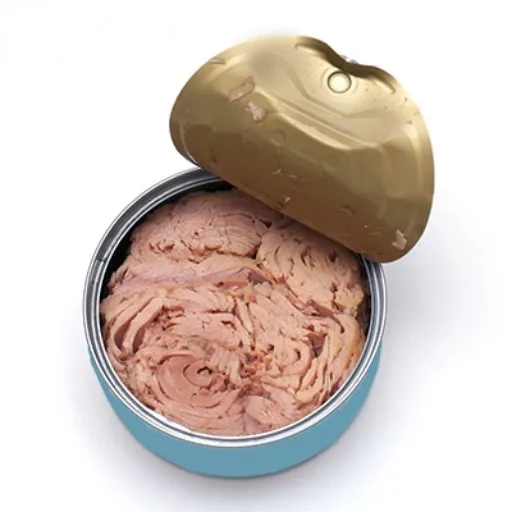
Since the retort process has already handled the “cooking” heavy lifting, your kitchen stays cool. The challenge isn’t heat application; it’s texture management. Industry observation suggests that roughly 70% of canned tuna is consumed in cold preparations, precisely because the pre-denatured proteins hold their structure better when chilled.
The Classic Cold Protein Salad
A realistic scenario involves a quick lunch where you need 20g to 26g of protein without the mess of a frying pan. Skip the heavy mayo and try Greek yogurt or mashed avocado as a binder. A practical example: fold in diced celery and a squeeze of lemon to cut through the richness of an oil-packed tuna. Because the fish is already tender from the industrial steam-cook, it absorbs these bright flavors almost instantly, making it an ideal candidate for a 5-minute prep.
Mediterranean-Style Toppers for Grain Bowls
If you are building a bowl with pre-cooked farro or quinoa, canned tuna serves as a high-efficiency topper. Cautious use of the packing liquid can actually benefit the dish; the oil from a “Solid White” tin often carries the subtle essence of the fish and acts as a built-in dressing.
Mix the flaked tuna with capers, halved cherry tomatoes, and kalamata olives. This preparation highlights the flake integrity—especially if using Albacore—without the risk of turning the fish into a mushy paste through unnecessary reheating.
Beyond the Can: Recognizing the Differences Between Oil and Water Packs
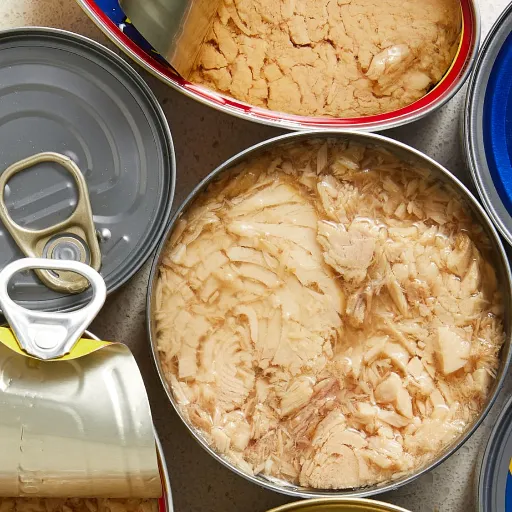
When you stand in the grocery aisle, the choice between oil and water isn’t just about calories; it is about how the fish survived the retort process. Industry observation suggests that the packing medium acts as a thermal buffer during that intense high-pressure “second cook.” Oil-packed tuna tends to retain a more luxurious, velvety mouthfeel because the fats insulate the protein fibers from the drying effects of extreme heat. Conversely, water-packed varieties offer a cleaner, more austere profile that relies entirely on the fish’s natural moisture.
Nutrient Retention During the High-Heat Canning Process
It is a common worry that heating fish to 121.1°C might strip away its benefits. However, the vacuum-sealed environment of the can actually preserves the most critical components. A practical example is the retention of Omega-3 fatty acids; since there is no oxygen inside the can during the cook, these delicate polyunsaturated fats are shielded from oxidation.
Interestingly, the choice of packing liquid changes the nutritional outcome. In a realistic scenario where you drain a can of water-packed tuna, you lose very little of the original Omega-3s. But with oil-packed tuna, some of those heart-healthy fish oils leach into the packing oil. If you pour that oil down the sink, you may be discarding up to 15% to 22% of the total Omega-3 content.
Texture Variations: Chunk Light vs. Solid White Albacore
The labels “Chunk Light” and “Solid White” refer to more than just the color of the flesh; they signal how the fish reacted to the pre-cook and final sterilization.
- Solid White Albacore: This is a firm, steak-like cut. Because Albacore has a denser muscle structure, it maintains large, cohesive flakes even after undergoing the “double-cook” method. It is often the preferred choice for dishes where the fish must stand alone, like a Niçoise salad.
- Chunk Light: Usually a blend of Skipjack or Tongol. These species are smaller and have more delicate connective tissues. During the mechanical filling process, they break into smaller “chunks.” Cautious shoppers should note that while this version is softer, it often has a “fishier,” more robust flavor profile compared to the mild, almost chicken-like taste of Albacore.
FAQ Section
Q: Is the liquid inside the can safe to consume?
Absolutely. Whether it is spring water, brine, or vegetable oil, the liquid has undergone the exact same retort sterilization process as the fish itself. In fact, the “tuna juice” often contains heart-healthy Omega-3 fatty acids that leach out of the fish during the second cook. Many cooks actually prefer to keep the oil for pasta sauces or salad dressings to boost the savory, umami profile of the final dish.
Q: Can you eat canned tuna straight out of the can?
Yes, you can. Because the industrial canning process involves a high-pressure steam cook reaching temperatures above 116°C, the fish is commercially sterile and fully denatured by the time it reaches your pantry. There is no need for further heating or preparation to make it safe. This makes it an incredibly efficient “grab-and-go” protein for hikers, office workers, or anyone needing a quick, no-cook meal option.
Q: Does cooking canned tuna a second time reduce its nutritional value?
Not significantly, though texture may suffer. The primary vitamins and minerals, such as Vitamin D and Selenium, are quite stable. However, a second round of high heat—like boiling it in a heavy casserole—can further dehydrate the protein fibers. While the Omega-3 content remains largely intact during home cooking, industry observation suggests adding the tuna at the very end of your recipe to maintain the best mouthfeel and prevent the fish from becoming rubbery.
Q: Why does some canned tuna look pinker than others?
This variation usually comes down to the specific species of fish and the cut of the meat. “Chunk Light” tuna is often made from Skipjack, which naturally has a darker, more reddish-pink hue due to a higher concentration of myoglobin in the muscle. Conversely, Albacore is known as “White Meat” tuna because its flesh is naturally much paler. The pinkness is a biological trait of the fish, not an indicator that it is undercooked or raw.
Q: Is there a difference in how “pouch” tuna is cooked versus canned?
The fundamental “retort” science is the same, but the timing differs. Because a pouch is much thinner than a metal can, the heat penetrates the center of the fish much faster. This allows for a shorter total cook time in the pressure sterilizer, which often results in a firmer, fresher texture and less “pre-drained” liquid. Cautious shoppers often prefer pouches for salads where they want distinct, meaty flakes rather than smaller, softer chunks.