
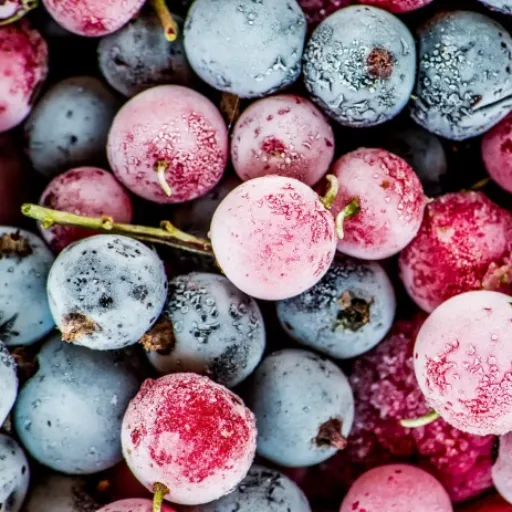
How to Defrost Frozen Fruit Without Turning It Into Mush

Defrosting frozen fruit without turning it into a watery mess requires controlling temperature and moisture. To preserve the best texture, opt for a slow, overnight thaw in the refrigerator. For faster results, seal the fruit in a watertight bag and submerge it in cold tap water for about an hour. Keep in mind that for baking or smoothies, you often don’t need to defrost your fruit at all—tossing it in straight from the freezer frequently yields the best results.
The Science of the Thaw
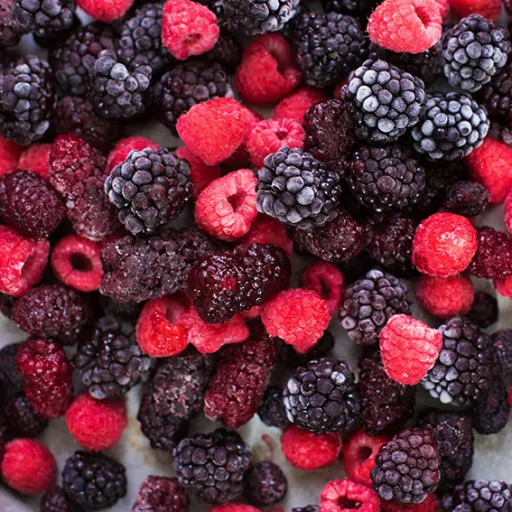
When water freezes inside a berry, it expands by roughly 9%. This rapid expansion acts like microscopic daggers, rupturing the plant’s delicate cell walls.
That structural damage is already done long before you take the bag out of the freezer. The only variable left is how you manage the temperature transition.
If you shock the fruit with rapid heat, those ice crystals melt instantly. The cell walls collapse all at once, leaving behind a sad, watery puddle. Industry observation indicates that while commercial flash-freezing mitigates a lot of this initial cellular trauma, home cooks still have to handle the thaw cautiously.
A slower temperature rise tends to allow the pectin network within the fruit to retain a fraction of its shape. You aren’t restoring the fruit to its fresh state; you are simply managing the physics of melting ice.
3 Reliable Ways to Thaw Your Stash
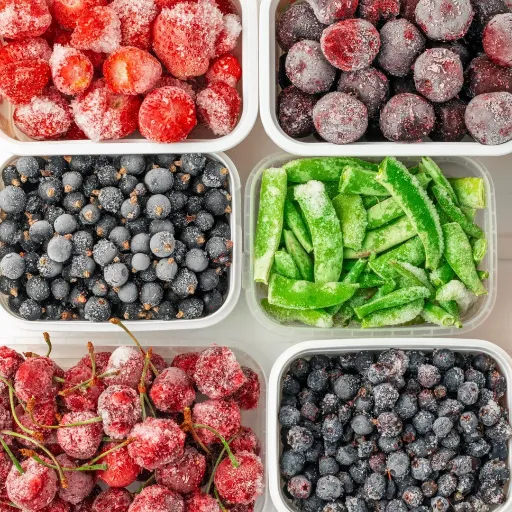
Let’s be honest about the freezer. It is a brilliant preservation tool, but it doesn’t come with an undo button. When you pull a bag of rock-hard strawberries from the deep freeze, you are essentially choosing between speed and structural integrity. There is no magic trick to instantly revert them to their farm-stand glory.
Instead, you have three primary levers to pull, depending entirely on whether you have twelve hours or two minutes until breakfast. Industry observation shows that commercial kitchens almost exclusively rely on temperature-controlled overnight thawing to prevent cellular collapse, but home cooking rarely affords that kind of foresight. Here is how to handle the defrosting process based on your actual timeline.
The Refrigerator Method for Maximum Texture Retention
This is the gold standard if you actually want to chew your food. By keeping the ambient temperature hovering around 3°C to 4°C, the ice crystals melt at a glacial pace. This cautious approach gives the fruit’s internal pectin structure a fighting chance to reabsorb some of the escaping water rather than just collapsing into a puddle.
Place your frozen fruit in a bowl—always use a bowl, or you will be cleaning sticky juice off your fridge shelves for weeks—and cover it lightly. It typically takes about 8 to 12 hours. It requires planning, but if you are serving fruit over yogurt or a pavlova where appearance matters, this is your only real option.
The Cold Water Submersion Trick
Water conducts heat roughly 24 times faster than air. That is the physics behind this middle-ground approach. If you forgot to prep the night before but still have an hour before brunch, grab a watertight ziplock bag. Squeeze out as much air as possible to prevent it from floating, and submerge the sealed fruit in a large bowl of cold tap water.
You might be tempted to use hot water to speed things up. Don’t. Hot water will literally cook the outer layer of the berries while the center remains a frozen bullet, leaving you with a strangely warm, mushy exterior.
Microwaving: When Speed Beats Perfection
Sometimes you just need blueberries for pancake batter right this second. The microwave is your blunt instrument. It works by vibrating water molecules, creating intense, localized friction that melts ice violently. The result is almost guaranteed to be soft, weeping fruit. But for a compote, a muffin, or a quick stovetop jam, texture doesn’t matter anyway.
Use the actual “Defrost” setting. If your microwave just uses percentage-based power levels, drop it down to 20% or 30%. Blast the fruit in 30-second intervals, stirring gently between each round. A realistic scenario for a cup of frozen raspberries is about 90 seconds total. Keep a close eye on it; an extra 15 seconds is often the difference between gently thawed fruit and boiling jam exploding across your microwave interior.
Do You Actually Need to Thaw Fruit for Baking?
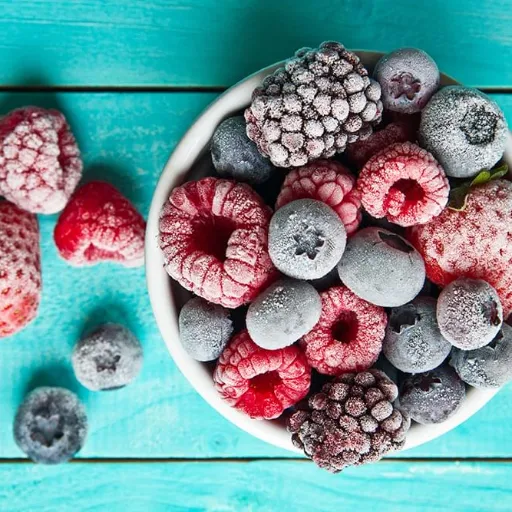
Most of the time, trying to defrost frozen fruit before baking is a tactical error. When you mix thawed, weeping raspberries into a dense batter, they immediately bleed. Instead of distinct, jammy pockets, you end up with a muddy, greyish-pink sponge.
Think about a standard blueberry muffin recipe. If you fold in frozen berries straight from the bag, they hold their shape beautifully during the mechanical stress of mixing. The real advantage here is thermal. The extreme cold of the fruit temporarily chills the surrounding batter, thickening it just enough to suspend the berries so they don’t sink to the bottom of the tin.
The trade-off is thermal drag. Introducing a cup of -18°C ingredients into your dough tends to drop the overall temperature of the pan. To compensate for this cold shock, you usually need to extend your total oven time by roughly 12 to 18 minutes. It requires a bit of vigilance through the oven window, but skipping the thaw is almost always the better choice for structural integrity.
Handling Delicate Berries vs. Dense Tropical Fruits Like Mango and Pineapple
All fruit is not created equal in the freezer aisle. The cellular density of a mango chunk is vastly different from a fragile, hollow raspberry. When you defrost frozen fruit, you have to adjust your strategy based on the plant’s natural architecture.
A solid block of pineapple or papaya holds up remarkably well to a rapid thaw because its heavy, fibrous structure acts like internal scaffolding. You can toss frozen mango directly into a warm saucepan for a quick compote, and it will largely retain its cubed shape. Delicate berries lack that robust physical support. Once the ice crystals melt, gravity immediately takes over. The trick is categorizing your freezer stash by structural integrity before you decide how much ambient heat to apply.
Saving Strawberries and Raspberries from Complete Collapse
Strawberries and raspberries are essentially tiny water balloons. Freezing expands that water, and thawing pops the balloon. If you actually need them for a garnish or a yogurt bowl where visual appeal matters, your best defense is a paper towel-lined tray in the refrigerator.
In a realistic scenario, like preparing a Sunday brunch spread, pull the berries out around 9:00 PM the night before. Spread them in a single, uncrowded layer over the paper towels. As the ice slowly melts, the paper wicks away the excess moisture, preventing the delicate fruit from sitting in a puddle of its own juice. They will still be noticeably softer than fresh, but they won’t look like they belong in a jam jar.
Why Peaches and Cherries Need a Gentler Approach
Stone fruits occupy a tricky middle ground. They are denser than a blackberry but much more prone to rapid oxidation than tropical fruits. Industry observation shows that commercial bakeries often keep sliced peaches partially frozen right up until they hit the pie crust specifically to prevent them from turning an unappetizing brown.
If you thaw cherries too quickly in the microwave, the skins tend to separate violently from the flesh, leaving you with a rubbery exterior and a mushy center. A gentle, cold-water bath in a tightly sealed bag is usually the safest route here. It keeps the ambient temperature low enough to slow down enzymatic browning while coaxing the ice to melt evenly through the thick flesh.
Don’t Toss That Juice
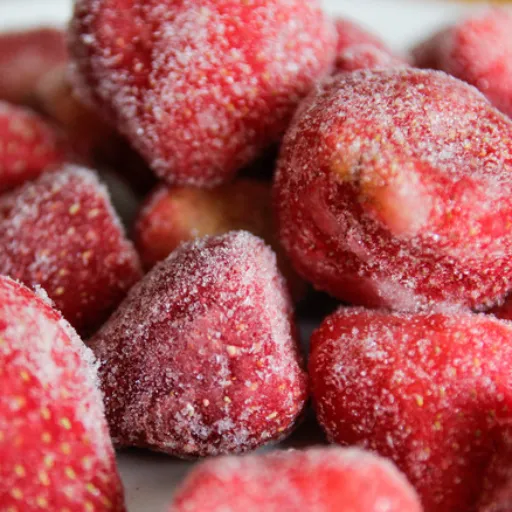
When you thaw a bag of berries, you usually end up with a vivid, syrup-like puddle at the bottom of the bowl. Most home cooks pour this straight down the drain. That is a mistake.
That liquid isn’t just melted ice; it is cold-extracted fruit essence. Because expanding ice crystals puncture the plant’s cell walls during freezing, the thawing process forces the fruit to release roughly 15% to 20% of its natural sugars and water-soluble vitamins directly into the bowl.
Treat that residual juice as a high-value ingredient. It tends to make a brilliant, vibrant base for a quick stovetop reduction or a salad vinaigrette. If you are mixing a cocktail or blending a morning smoothie, that leftover liquid packs significantly more concentrated flavor than plain water ever could.
4 Common Defrosting Mistakes That Ruin Your Breakfast
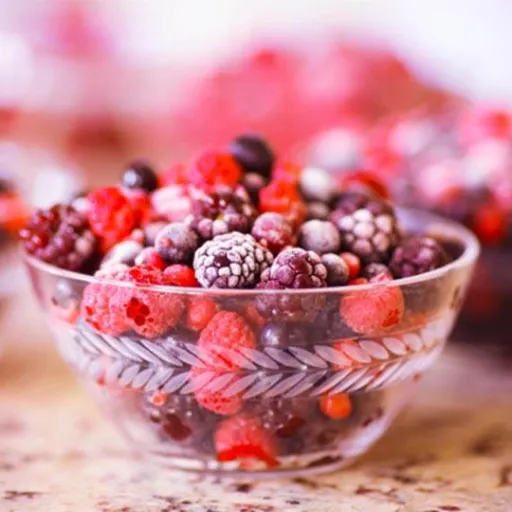
Most people ruin their frozen berries through sheer impatience. We have all been there. You want a thick, frosty smoothie bowl, but you end up eating a lukewarm, watery soup because of a few structural missteps.
The first major error is blasting the fruit under a hot kitchen tap. This literally cooks the fragile epidermal layer of the berry while the core remains a solid block of ice. Another frequent misstep is microwaving a massive mound of fruit for two minutes straight without pausing to stir; this guarantees you will bite into a pocket of scalding hot jam right next to a frozen cherry. A third, highly practical mistake is thawing berries on a completely flat plate. By morning, that hidden water weight will have dripped all over your countertops, leaving a sticky, staining mess.
But the fourth mistake isn’t just about ruined textures or sticky kitchens—it is a fundamental food safety issue that happens almost by default in busy households.
The Room Temperature Bacterial Risk
Leaving a bag of mixed berries on the kitchen counter overnight feels like a smart, low-effort solution. In reality, it is a microbiological gamble. Food safety guidelines strictly warn against leaving perishables in the “danger zone”—between 4°C and 60°C—for more than two hours.
Thawing fruit is uniquely vulnerable. As the ice melts, it creates a pool of ambient-temperature, sugar-rich water. This syrupy runoff tends to act as the perfect breeding ground for airborne bacteria. In a realistic scenario, you might easily wake up to a bowl of strawberries that has already begun to faintly ferment, instantly ruining the fresh flavor of your morning meal.
FAQ Section
Q: Can I refreeze fruit after it has been fully defrosted?
Technically yes, as long as it was thawed safely in the refrigerator. However, from a culinary standpoint, it is rarely a good idea. Refreezing causes the remaining water molecules to form new ice crystals, which further destroys the cellular structure. The resulting fruit will be incredibly mushy and likely suffer from freezer burn. If you must save leftovers, try pureeing the thawed fruit into a compote or syrup before popping it back into the freezer.
Q: How do I keep frozen blueberries from bleeding into my muffin batter?
The best trick is to keep them frozen solid until the very last second. Do not thaw them. Just before folding the berries into your wet ingredients, toss them in a tablespoon or two of dry flour. This creates a protective starch barrier that absorbs the initial moisture as the fruit warms up in the oven, significantly reducing those unwanted gray-green streaks in your baked goods.
Q: Is it safe to eat frozen fruit straight out of the bag without washing it?
Generally, yes. Commercial frozen fruit is pre-washed, blanched, or flash-frozen under strict sanitation standards specifically so it can be used directly in smoothies or yogurt. However, outbreaks of foodborne illnesses do occasionally happen. If you are pregnant, immunocompromised, or just extra cautious, heating or cooking the fruit before consumption is the safest way to eliminate any lingering bacterial risks. Washing thawed fruit under the tap usually just ruins the texture.
Q: How long does thawed fruit last in the refrigerator before it goes bad?
Once completely thawed, you have a relatively short window of about two to three days before the fruit begins to ferment or grow mold. Because the cellular walls have broken down, the exposed natural sugars act as a magnet for bacteria. To maximize this brief shelf life, store the fruit in an airtight glass or plastic container, keeping it tucked in the coldest part of the fridge rather than on the door.
Q: Will a strainer help prevent soggy pies when using previously frozen fruit?
Yes, draining the excess liquid is crucial if you are making a pie or cobbler with thawed fruit. As the ice melts, it releases a significant amount of water that will quickly turn a buttery crust into a soggy mess. Place the fruit in a fine-mesh strainer over a bowl while it defrosts. You can then reduce that collected juice on the stove with a little sugar and cornstarch to create a thick, flavorful binder for your filling.
Q: Can I thaw frozen fruit directly in hot water to save time?
It is highly discouraged. Submerging frozen berries or peaches in hot water cooks the exterior while the core remains a frozen block. This temperature shock completely ruins the texture, leaving you with a mushy, unappetizing outer layer. If you are in a rush, sealing the fruit in a watertight plastic bag and soaking it in cold tap water is a much safer, more effective method that preserves the physical structure.