
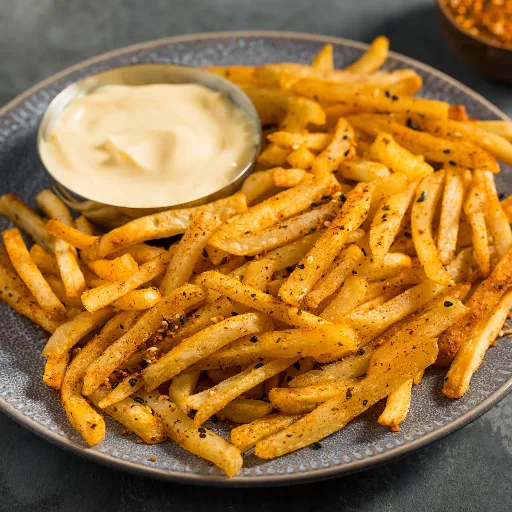
Mayonnaise on Fries: The Global Obsession Explained

Dipping French fries in mayonnaise is a staple European tradition—originating in Belgium—that has earned a massive global following. Unlike the sharp, sugary bite of ketchup, mayonnaise provides a rich, fatty contrast to the crisp, salty exterior of a hot fry. The emulsion of oil, egg yolk, and acidic vinegar perfectly coats the potato, enhancing its natural, earthy flavor profile rather than masking it with heavy sweetness.
The Belgian origin story
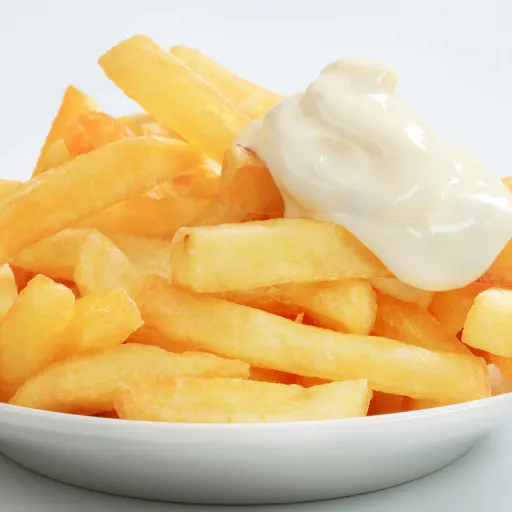
While many associate fries with American fast food, the marriage of mayonnaise on fries is a cultural cornerstone that traces back to 19th-century Belgium. In the city of Namur, locals traditionally fried small fish from the River Meuse. During harsh winters when the river froze over, they reportedly carved potatoes into fish-like shapes to mimic their usual meal. This ingenuity birthed the frite, but the addition of mayonnaise wasn’t just a random choice; it was a necessity for a high-calorie, satisfying meal in a cold climate.
Walk through any Belgian city today and you’ll see frietkoten—small street kiosks—serving double-fried potatoes in paper cones. The condiment of choice is almost never ketchup. Instead, a heavy dollop of traditional egg-yolk mayo sits right on top. Industry observations suggest that an authentic Belgian mayo often contains at least 7.5% egg yolk and roughly 80% vegetable oil, creating a far thicker, more stable emulsion than the shelf-stable versions found in North American grocery aisles. This density allows the sauce to sit on steaming hot fries without immediately melting into a greasy puddle, maintaining a distinct “dip” experience from the first fry to the very last scrap of salt at the bottom of the cone.
Why the fat and acid profile of mayonnaise perfectly complements fried potatoes
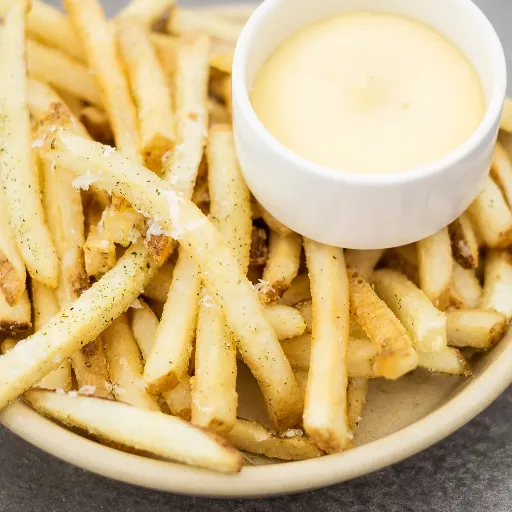
The appeal of mayonnaise on fries isn’t just a cultural quirk; it is a calculated interaction of chemical compounds. A potato, once fried, becomes a vehicle for salt and starch. If you pair that with a sugar-heavy condiment like ketchup, you are essentially piling sweetness onto a savory base. Mayonnaise, however, is a cold emulsion. It brings a dense, silky lipid layer to the table that bridges the gap between the dry, fluffy interior of the potato and its oil-saturated crust.
In professional sensory analysis, this is often referred to as “fat-on-fat” layering. While it sounds redundant, the different melting points of the frying oil (often vegetable or beef tallow) and the emulsified oil in the mayo create a complex mouthfeel that lingers. Most high-quality mayonnaise sits at a pH level between 3.3 and 3.9. This specific acidity is the secret weapon. It provides a sharp, bright contrast that prevents the palate from becoming “grease-fatigued” after just a few bites.
The science of contrasting textures
Texture is the silent driver of food cravings. When you snap a well-cooked fry, you are experiencing the results of the Maillard reaction—a brittle, dehydrated surface. Mayonnaise introduces a high-viscosity liquid that fills the microscopic crevices of that crunchy exterior. Unlike thinner sauces that might soak into the crust and turn it soggy, the thick protein matrix of the egg yolk in mayo acts as a barrier. You get the initial crunch followed immediately by a lubricating creaminess, a dual-sensation that keeps the brain engaged through the entire meal.
How vinegar cuts through heavy cooking oils
Fried foods carry a heavy “oil load,” which can easily coat the tongue and dull the taste buds. This is where the vinegar or lemon juice within the mayonnaise performs its most critical task. Acetic acid acts as a chemical cleanser. As you eat, the acid physically “cuts” through the residual film of the frying fat, essentially resetting your palate for the next salty hit. Imagine the difference between eating a piece of fried fish plain versus adding a squeeze of lemon. The mayo provides that same refreshing acidic lift, but wraps it in a decadent, creamy package that mirrors the richness of the potato.
Flavor masking versus flavor enhancement
Ketchup is a dominant flavor; it usually tastes like ketchup regardless of what it’s on. Mayonnaise is more of a background actor. Because it lacks a high sugar content, it doesn’t overwhelm the subtle, nutty notes of a Russet or Bintje potato. Instead, the salt and fat in the emulsion act as flavor carriers, amplifying the earthy aromatics of the fried starch. It’s a subtle shift from masking a fry’s flavor to actually making it taste more like itself.
Are commercial mayo brands ruining the authentic experience?
If you sit down at a traditional Belgian frietkot, the condiment pumped onto your fries bears little resemblance to the jarred stuff found in a standard supermarket aisle. Authentic mayonnaise is fundamentally a fragile, high-fat emulsion. However, to survive the rigors of global supply chains and sit on a room-temperature shelf for 12 months, commercial manufacturers have to compromise on the chemistry.
Industry observations reveal that many mass-market brands strip away the expensive egg yolk—the very thing that provides that sought-after velvety weight—and replace it with water and thickeners. This results in a “whipped” texture that feels airy rather than rich. When this hit-or-miss mayo meets a piping hot fry, it tends to break down almost instantly. Instead of a thick, stable dip that stays perched on the potato, you often end up with a translucent, oily slick. For a true purist, this thin consistency fails the most basic requirement: the ability to provide a cooling, substantial contrast to the salt and heat.
The problem with high-fructose stabilizers
In an effort to appeal to a broader palate, many North American commercial brands lean heavily on sweeteners. It is not uncommon to find high-fructose corn syrup or cane sugar listed high on the ingredient deck. This completely upends the flavor logic of pairing mayonnaise on fries.
The goal should be a sharp, acidic brightness that resets the taste buds between bites of heavy starch. When you introduce a 15% or 20% sugar concentration, the condiment begins to mimic the flavor profile of ketchup. This excessive sweetness masks the subtle, nutty aromatics of the potato and creates a “cloying” sensation that leaves the palate feeling heavy rather than refreshed.
4 ways to elevate your dipping sauce at home
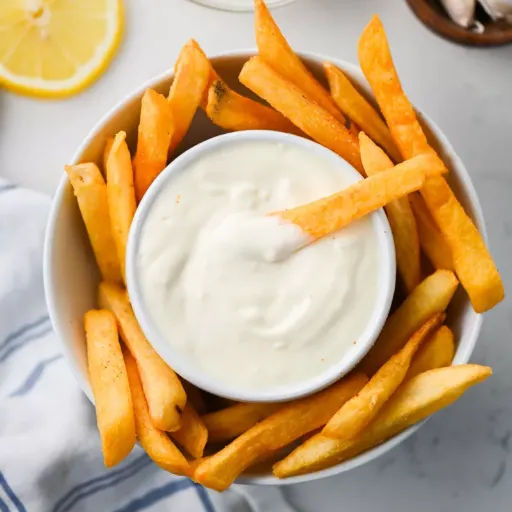
While a high-quality plain emulsion is technically sufficient, the neutral fat profile of mayonnaise on fries makes it an ideal medium for customization. Think of it as a flavor sponge. Because the oil in the mayo is already suspended, it can hold fat-soluble aromatics—like the capsaicin in peppers or the sulfur compounds in garlic—far more effectively than a water-based sauce ever could.
You don’t need a professional kitchen to transform a standard jar into something artisanal. The goal is to balance the richness of the egg yolk with high-impact ingredients that provide either heat, earthiness, or acid. Most culinary professionals suggest letting these mixtures rest for at least 18 to 22 minutes before serving; this short window allows the dry spices to hydrate and the oils to fully infuse into the base. By varying the intensity of your add-ins, you can pivot the flavor profile to match specific potato varieties or seasoning blends.
Roasted garlic and cracked black pepper
Raw garlic can be far too aggressive for a delicate fry, often leaving a bitter aftertaste that lingers unpleasantly. Instead, try folding in four or five cloves of slow-roasted, mashed garlic. The roasting process converts the harsh compounds into a sweet, jam-like consistency. When paired with a generous amount of coarse, freshly cracked black pepper, you create a rustic dip that feels substantial. The heat from the pepper provides a slow burn that cuts through the creaminess without being overwhelming.
The classic spicy sriracha blend
This is arguably the most recognizable modern variation found in gastropubs today. By whisking in roughly one part Sriracha to three parts mayonnaise, you create a “California-style” aioli. The sugar and garlic in the chili sauce thrive within the mayo’s fat structure, while the vinegar in the hot sauce adds a secondary layer of acidity. It’s a practical way to add a vibrant orange hue to your plate and a sharp, fermented tang to every bite.
Infusing truffle oil for an earthy kick
Truffle oil is potent stuff, so restraint is the priority here. A realistic scenario involves adding just a half-teaspoon of white truffle oil to a half-cup of mayonnaise. Because the truffle aroma is incredibly volatile, it may dissipate if the mayo is spread over steaming fries; keeping it as a side dip ensures the scent hits the nose right as you eat. Adding a pinch of sea salt further elevates the earthy, umami notes, making a standard bag of frozen fries feel like a high-end bistro dish.
Adding fresh citrus zest to brighten the palate
If your fries are particularly salty or have been fried in a heavy animal fat like duck fat, you need a high-frequency flavor to break through. Freshly grated lemon or lime zest provides aromatic oils that vinegar simply cannot match. Unlike citrus juice, which might thin out the emulsion and make it runny, the zest keeps the mayo thick and scoopable. It’s a bright, floral addition that makes the entire meal feel significantly lighter and more refreshing.
Frites versus standard fast-food fries
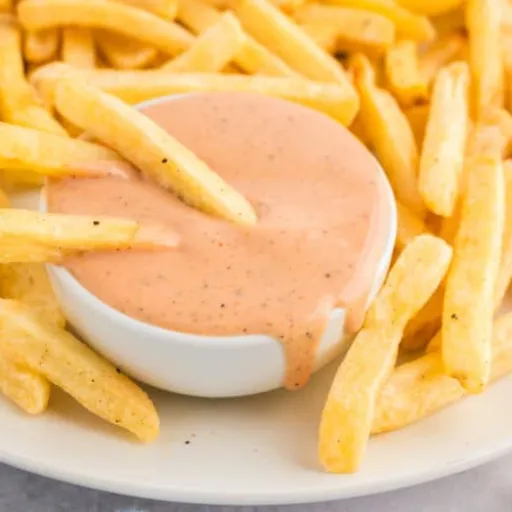
The success of mayonnaise on fries often depends on the structural integrity of the potato itself. A standard fast-food fry is engineered for speed and uniform salt distribution, usually measuring about 0.28 inches in cross-section. These thin, shoestring varieties prioritize a quick crunch, but they lack the thermal mass to hold a heavy dollop of mayo without collapsing.
In contrast, an authentic Belgian frite is significantly more robust. Industry observations show these are typically hand-cut to a thickness of 10 to 12 millimeters. This increased surface area is critical; it provides a sturdy “shelf” for the condiment. Furthermore, the traditional double-fry method—first at a lower temperature to cook the interior, then a high-heat flash fry—creates a porous, rugged crust. This texture acts like a microscopic grip, allowing the viscous mayonnaise to cling to the potato rather than sliding off the side as it might on a smooth, factory-processed fry.
FAQ Section
Q: Why do Europeans eat mayonnaise on fries instead of ketchup?
A: The preference is rooted in a desire for a savory, rich contrast rather than the aggressive sweetness of tomato-based sauces. In countries like Belgium and the Netherlands, fries are viewed as a hearty meal where the fat and acidity of mayonnaise enhance the potato’s natural earthiness. Unlike ketchup, which often masks the flavor with sugar and vinegar, mayonnaise acts as a cooling, creamy accompaniment that balances the salt and heat of a freshly fried batch.
Q: What type of mayonnaise is best for dipping French fries?
A: For the most authentic experience, look for a traditional European-style mayonnaise containing a high percentage of egg yolk—usually around 7% to 8%. These versions are significantly thicker and more stable than “whipped” salad dressings. The higher fat content ensures the dip clings to the hot surface of the potato without melting immediately. If you are using a standard American brand, choosing a “Full Fat” variety over “Light” will provide the necessary body to support a heavy, hand-cut fry.
Q: Is Dutch fritesaus the exact same thing as regular mayonnaise?
A: While they look identical, fritesaus is a distinct condiment specifically engineered for snacking. It contains much less fat than standard mayonnaise—typically around 25% to 35% compared to the 70% found in traditional mayo. To compensate for the lower oil content, it is often seasoned with lemon juice, capers, or finely ground mustard. This results in a tangier, slightly sweeter profile that is less heavy on the palate, making it a staple in Dutch snack bars.
Q: How can I thin out a thick, heavy mayo for better dipping consistency?
A: If your mayonnaise feels too “gloppy” or dense for a delicate shoestring fry, you can adjust the viscosity by whisking in a small amount of liquid. Avoid using plain water, as it can dull the flavor. Instead, use a teaspoon of fresh lemon juice or pickle brine. This not only thins the emulsion to a pourable consistency but also adds a necessary hit of acidity that helps cut through the grease of the fried potatoes.
Q: Does dipping fries in mayonnaise add significantly more calories than ketchup?
A: It does. Mayonnaise is a fat-based emulsion, meaning a single tablespoon contains roughly 90 to 100 calories. In contrast, ketchup is sugar-based and carries about 15 to 20 calories for the same portion. However, because mayonnaise is much richer and more satiating, many people find they actually use less volume per fry compared to the frequent double-dipping often seen with thinner, water-based condiments.