
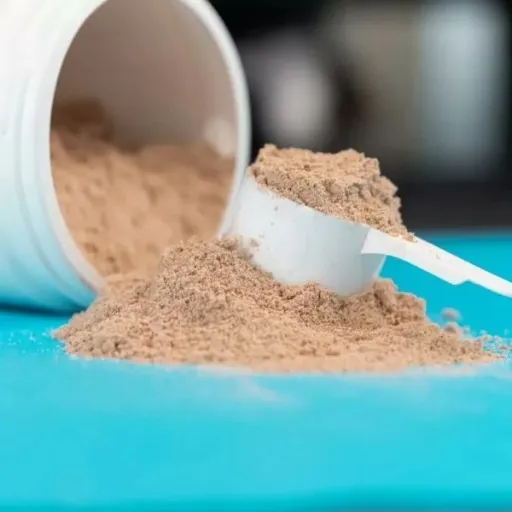
The Reality of Insect-Based Supplements: Is Protein Powder Made From Worms?

While traditional supplements rely on dairy or soy, a growing segment of the market utilizes mealworms—the larval stage of the darkling beetle—to produce high-quality protein powder. You won’t find common garden earthworms in your tub; instead, these industrial larvae are processed into a micronized, nutrient-dense flour. This shift toward entomophagy addresses the demand for sustainable, hypoallergenic alternatives that provide a complete amino acid profile with a significantly lower environmental footprint than whey.
Distinguishing Between Common Earthworms and Industrial Mealworms
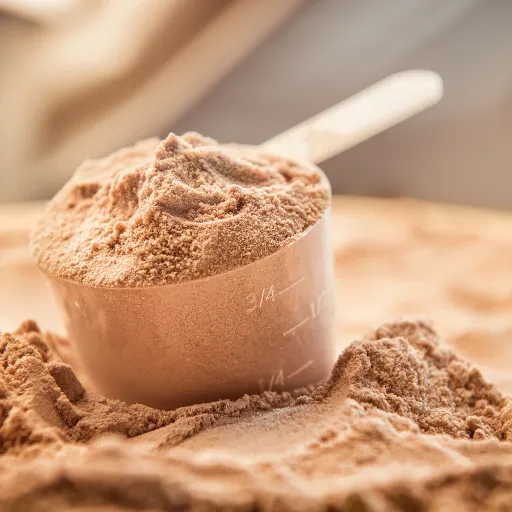
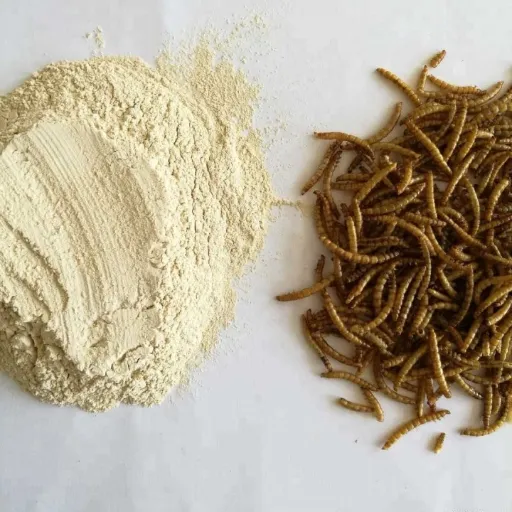
The short answer to whether protein powder is made from “worms” depends entirely on your definition of the word. You will not find common garden earthworms (Lumbricus terrestris) in your supplement tub. Earthworms are difficult to farm sanitarily and possess a digestive tract that is nearly impossible to clean at scale. Instead, the industry utilizes “mealworms,” which are actually the larval stage of the darkling beetle (Tenebrio molitor).
While they look like worms to the untrained eye, they are anatomically insects. Industry observations indicate that these larvae are preferred because they thrive in controlled, vertical farming environments. Unlike livestock, they require roughly 2,000 times less water to produce the same amount of protein. In a realistic scenario, a consumer might see “insect protein” on a label and assume the worst, but these larvae are raised on high-quality grain substrates, ensuring a clean, nutrient-dense end product that bears no resemblance to the invertebrates in your backyard.
The Growing Market for Entomophagy
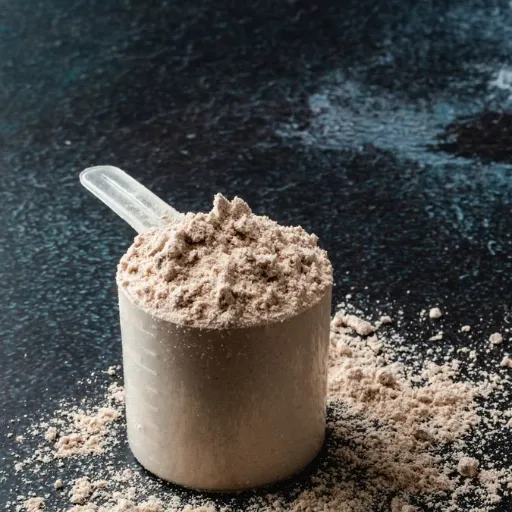
The cultural taboo surrounding insect consumption is eroding as global food security becomes a localized concern. It isn’t just a niche trend; industry observations indicate that the edible insect sector is projected to reach a valuation of $9.6 billion by 2030. This shift is driven by a necessity for efficient caloric conversion. In a realistic scenario, a fitness enthusiast might switch to ento-protein to avoid the bloating often associated with dairy-heavy whey.
Western consumers are increasingly viewing larvae as a “land-shrimp”—a clean, high-protein alternative that requires a fraction of the land used by cattle. Practical examples of this adoption are visible in the rising number of hybrid flours appearing in specialty health stores, where mealworm powder is blended with traditional grains to boost amino acid density without altering familiar recipes.
From Larvae to Latte: The Multi-Stage Industrial Processing Method
The conversion of live biomass into a shelf-stable, neutral-tasting powder is a feat of modern food engineering. It isn’t as simple as crushing insects into a paste. Instead, the process involves a highly controlled sequence designed to isolate pure protein while removing moisture and fats that could lead to rancidity. Industry observation suggests that the primary challenge is preserving the amino acid integrity—heating the material too quickly or too high can denature the very proteins consumers are paying for. Most facilities now employ a closed-loop system where every byproduct, from the chitinous shells to the extracted oils, is repurposed. This ensures that the final “latte-ready” powder is not only nutritionally dense but holds a purity level comparable to premium botanical isolates.
Harvesting and the initial “blanking” phase
Before the larvae enter the production line, they undergo a “purging” period. For roughly 24 to 48 hours, they are kept without feed to ensure their digestive tracts are completely clear, a step vital for microbial safety. Following this, the larvae are “blanked”—a rapid heat treatment using steam or near-boiling water. This isn’t just a sterilization sweep; it deactivates specific enzymes that would otherwise cause the larvae to turn dark or develop off-flavors. A realistic scenario in a high-capacity plant might see 500 kilograms of larvae processed every hour, with temperature sensors ensuring the blanching water never dips below the critical 195°F threshold required to neutralize surface pathogens.
Dehydration and the mechanical oil extraction process
Once sterilized, the larvae are heavy with water and lipids. They move into industrial dryers where the moisture content is dropped from approximately 70% to less than 5%. This is where the magic happens. After drying, the larvae undergo mechanical oil extraction, often via a cold-press or a screw-press system.
A practical example of why this matters: mealworms can contain upwards of 30% fat. If this oil isn’t removed, the resulting powder would have a greasy mouthfeel and a shelf life of only a few weeks. By pressing the larvae into a “cake,” manufacturers create a concentrated protein base that is dry, stable, and ready for fine refinement.
Milling: Achieving the micronized powder consistency
The final stage is the reduction of the defatted press cake into a powder so fine it can vanish into a protein shake. High-speed impact mills or air-classifier mills are used to shatter the material into particles usually ranging between 45 and 75 microns. At this size, the powder loses any “insect-like” identity and takes on the appearance of traditional flour. It’s worth noting that insect protein tends to be slightly more hydrophobic than whey; it often requires a shaker bottle with a wire whisk to achieve a truly smooth suspension without settling.
4 Reasons why insect protein is gaining traction in sustainable manufacturing
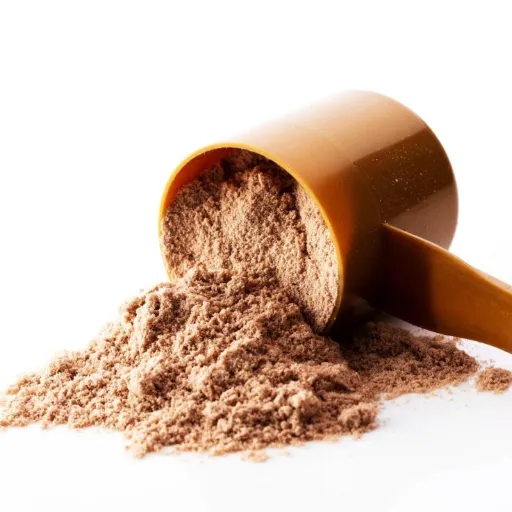
The manufacturing sector is recalibrating its protein sourcing to account for a future where land and water are fixed, finite assets. While the “yuck factor” remains a hurdle for some, industrial-scale entomophagy is being prioritized because it solves several logistical nightmares inherent in traditional livestock. Industry observation suggests that by 2026, the insect protein market is no longer a fringe curiosity but a multibillion-dollar pillar of the circular economy. Here is why larvae-based powders are winning the efficiency race:
- Vertical Space Optimization: Insects like mealworms can be farmed in stacked, climate-controlled trays. A realistic scenario? A single facility can produce 150 tons of protein per hectare annually—roughly 10 times the yield of poultry.
- Water Conservation: Producing 1kg of insect protein requires only 1 liter of water. In contrast, beef necessitates about 15,000 liters.
- Circular Waste Upcycling: Larvae thrive on organic waste streams. This allows manufacturers to turn 5 tons of food waste into high-value protein daily, effectively closing the loop on industrial food loss.
- Feed Conversion Efficiency: Insects are cold-blooded, meaning they don’t waste energy maintaining body heat. They can convert 2kg of feed into 1kg of edible mass, a ratio nearly four times better than cattle.
How can you identify insect-derived ingredients on a supplement label?
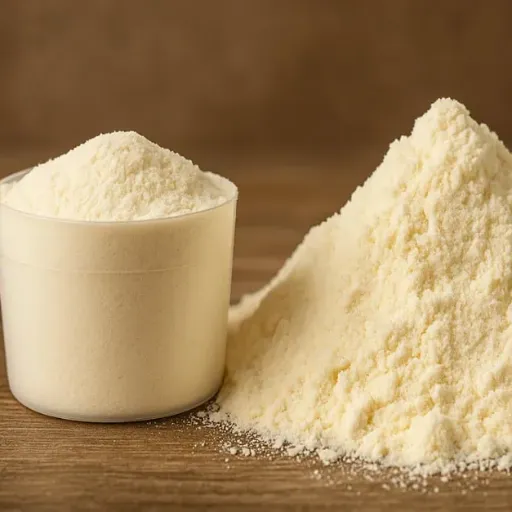
Transparency in food labeling is a legal mandate, not a choice for manufacturers. If a protein powder is made from larvae, it cannot be hidden under vague descriptors like “natural binders” or “proprietary blends.” Industry observation confirms that regulatory bodies, including the FDA and the European Commission, require the explicit listing of the common name and often the scientific name of any insect used.
A realistic scenario? You’re scanning the back of an eco-friendly protein bar and spot “Acheta domesticus” or “Alphitobius diaperinus.” These aren’t fillers; they are the house cricket and lesser mealworm, respectively. Cautious phrasing on labels often includes an allergen warning, as insect proteins contains chitin, which may trigger reactions in individuals with existing shellfish or dust mite allergies. If a product contains even 5% insect-derived material, it must be declared, usually near the end of the ingredient list or highlighted for allergen safety.
Understanding the “Tenebrio molitor” classification
When you see Tenebrio molitor on a label, you are looking at the most widely approved “worm” protein in the global market: the yellow mealworm. Industry standards prioritize this species because its larval stage offers a 48% to 54% protein concentration by dry weight. A practical example of its transparency is the requirement to list its specific form—whether it is “defatted powder” or “dried larvae.” This classification ensures that consumers seeking sustainable alternatives know exactly which “insect flour” is fueling their recovery.
Nutritional Bioavailability
Oats are the structural and nutritional engine of any legitimate hobnob biscuit recipe. Unlike refined wheat flour, which often loses its micronutrient density during the milling process, the rolled oats used here retain their germ and bran. This matters for bioavailability. Industry observations suggest that the high beta-glucan content in oats may slow down the glycemic response, meaning the energy from that afternoon snack is released more steadily. In a realistic scenario, combining these oats with a source of vitamin C—perhaps a side of berries—can actually help the body better absorb the non-heme iron found in the grain.
While a single biscuit provides roughly 8.4% of your daily fiber needs, the “real” benefit lies in the resistant starch. This specific starch resists digestion in the small intestine, instead fueling beneficial gut bacteria. It isn’t just about the calories; it’s about how effectively your system can actually use the 2.3 grams of protein tucked into every crunchy bite.
Comparing the Environmental Footprint of Whey vs. Worm Protein
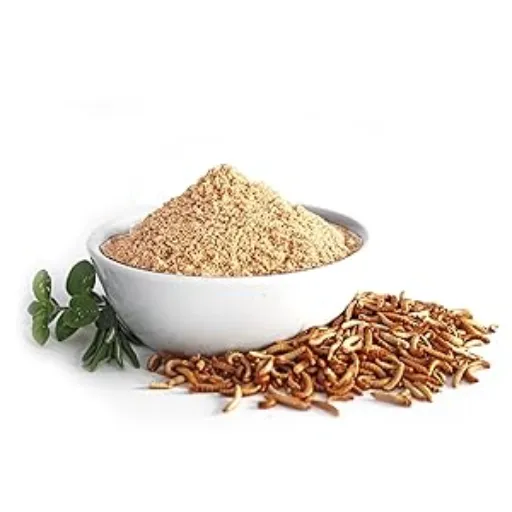
While whey has long been the default for muscle recovery, its environmental “overhead” is becoming a significant industrial liability. Industry observation suggests that as water scarcity and carbon taxes tighten, the resource efficiency of larvae-based proteins is no longer just a marketing angle—it is a logistical necessity. To put it bluntly, dairy production is a multi-stage energy drain: you must grow the feed, sustain the cow, process the milk, and finally isolate the whey. Insect farming skips these middle steps. A realistic scenario? Replacing just 10% of global whey consumption with mealworm protein could save enough water to supply a medium-sized city for a decade. Cautious phrasing is warranted, as total impact often depends on the facility’s power source, but the raw biological efficiency of insects is difficult to beat.
Water consumption metrics per kilogram of finished powder
The disparity in water usage is perhaps the most staggering metric. Traditional dairy farming requires water for the cattle to drink, to irrigate the vast fields of alfalfa and soy they consume, and to clean the processing facilities. Current data suggests that producing one kilogram of whey protein can require upwards of 5,000 liters of water. In stark contrast, mealworms are remarkably drought-resistant; they often derive all necessary hydration directly from their solid feed. A practical example is a vertical insect farm in a desert climate that produces 1,000kg of protein using less than 2% of the water a traditional dairy equivalent would demand.
Greenhouse gas emissions in vertical insect farming
Methane from enteric fermentation makes cattle a heavy hitter in climate metrics, but insects offer a different profile. Vertical insect farming typically emits about 10 to 100 times less greenhouse gas than traditional livestock. However, it isn’t a “zero” game. Because mealworms require a strictly controlled climate—roughly 25°C to 28°C—energy usage for heating and ventilation can be high. Industry observation reveals that the greenest labs now utilize “waste heat” from nearby factories to maintain these temperatures, effectively lowering their carbon footprint to a level that makes even plant-based isolates look resource-intensive.
Feed-to-protein conversion ratios in modern bio-reactors
Insects are cold-blooded, which is their ultimate “bio-hack.” Unlike a cow, which burns roughly 90% of its caloric intake just to keep its heart beating and its body warm, a mealworm converts its feed directly into biomass. In modern bio-reactors, the feed-to-mass conversion ratio is often near 2:1. This means 2kg of feed creates 1kg of edible mass. Compare this to beef, where the ratio tends to be closer to 10:1 or 12:1. When you factor in that 100% of the larvae is edible versus only 40% of a cow, the efficiency gap becomes a chasm.
Is it safe for people with shellfish allergies?
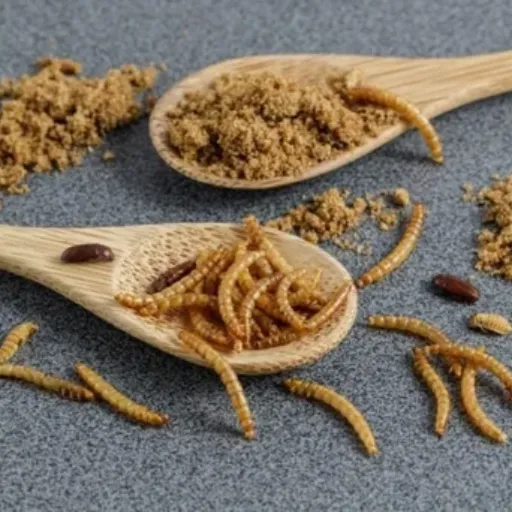
The biological relationship between insects and crustaceans is closer than many realize. Both groups belong to the phylum Arthropoda, meaning they share a common structural component: chitin. Because of this shared ancestry, individuals with a known allergy to shrimp, crab, or lobster often experience cross-reactivity when consuming mealworm protein.
Industry observation shows that the specific proteins triggering these reactions—tropomyosin and arginine kinase—are remarkably similar across species. A realistic scenario involves a consumer unknowingly triggering an anaphylactic response because they assumed “insect-based” meant “shellfish-free.” Cautious phrasing on modern labels usually includes a bolded warning: “Individuals with a crustacean allergy may also be sensitive to insect protein.” If you’ve ever had a reaction to dust mites, you should also exercise extreme caution. Research suggests that up to 14.7% of people with shellfish sensitivities may react to edible larvae, making strict patch testing or medical consultation essential before the first scoop.
FAQ Section
Q: Is “worm protein” the same thing as cricket flour?
A: Not quite. While both fall under the “insect protein” umbrella, they are derived from different species. Cricket flour comes from the house cricket (Acheta domesticus), whereas most worm-based powders use yellow mealworms (Tenebrio molitor). Nutritionally, they are similar, but mealworms tend to have a slightly higher fat content and a milder, more cereal-like flavor compared to the distinct nuttiness of crickets.
Q: Are these products currently sold in mainstream grocery stores?
A: Availability is expanding rapidly. While you may not find them on every local corner, major retailers like Kroger and various health-focused chains have begun stocking insect-enriched chips, bars, and baking mixes. Most dedicated protein powders are still primarily found through online specialty retailers or Amazon, though “hybrid” supplements are increasingly appearing in the wellness aisles of mainstream supermarkets across North America and Europe.
Q: Do insect protein powders have a distinct earthy taste?
A: Many users describe the raw taste as mildly earthy or similar to toasted sunflower seeds. However, once processed into a fine powder and defatted, the flavor becomes quite neutral. This allows it to blend seamlessly into shakes or baked goods without overpowering other ingredients. Unlike plant-based proteins that can be chalky, insect powder often provides a smoother texture, though it may add a slightly darker hue to your smoothies.
Q: Is there a risk of parasite transmission from insect-based supplements?
A: When sourced from regulated industrial farms, the risk is negligible. While wild insects can carry parasites, food-grade larvae are raised in sterile, vertical environments on controlled grain diets. Furthermore, the industrial “blanking” and dehydration phases involve high temperatures that effectively neutralize pathogens. Leading manufacturers also conduct rigorous third-party microbial testing to ensure the final powder meets the same safety standards as whey or soy.
Q: Are worm-based proteins considered vegan or vegetarian?
A: By strict definition, no, because insects are members of the animal kingdom. However, many “entovegans” or “flexitarians” include them in their diets due to their minimal environmental impact and lack of complex sentience. For those who avoid meat primarily for sustainability or animal welfare reasons, insect protein is often viewed as an ethical middle ground that provides essential Vitamin B12 not found in a standard vegan diet.
Q: What are the FDA labeling requirements for edible insects?
A: The FDA requires that any insect-based food be raised specifically for human consumption and labeled by its common and scientific name. You will never find “worms” secretly mixed into a product; it must be clearly listed, typically as “Yellow Mealworm Powder (Tenebrio molitor).” Additionally, because insects share biological markers with crustaceans, manufacturers are increasingly encouraged to include an allergen warning for those with shellfish sensitivities.