
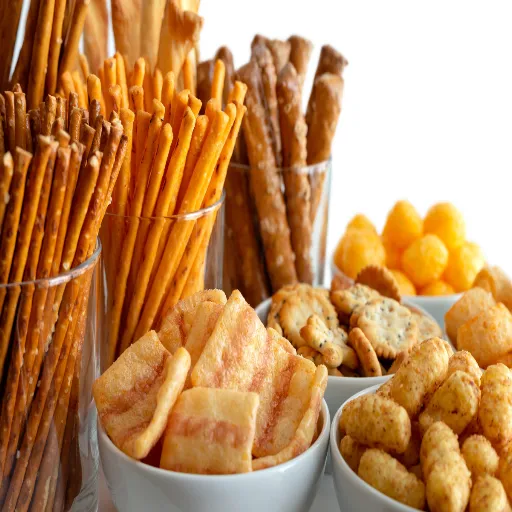
12 Best Snacks to Sell for Profit: From Home Kitchen to Commercial Production

Profitable snack products which will generate the highest revenue for businesses include extruded puff snacks and gourmet popcorn and tortilla chips and protein bars and fried savory snacks. These product categories achieve profitability because they require inexpensive raw materials yet their popularity among consumers remains strong and their manufacturing capacity can expand from small-scale production to complete automated production systems.
Most snack selling guides fail to provide crucial information which reveals the most profitable snacks for sale. The global snack market will reach a value of more than $800 billion by 2027 according to Euromonitor. That is not a typo. The entrepreneurial group which controls the largest market share consists of business founders who develop products with scalable potential from their initial creation stage.
You already know that snacks can be profitable. What you need is a clear map from product idea to production reality. This guide covers 12 proven, high-margin snack categories and profitable snacks to sell in any market. More importantly, it shows you how each one moves from homemade batches to automated output on a complete fried snack production line. You will learn which products suit your market, what equipment drives efficiency, and how to avoid the bottlenecks that kill growing snack businesses.
Key Takeaways
- Extruded puff snacks and gourmet popcorn deliver the highest profit margins, often reaching 50-80% for commercial producers.
- Protein bars and functional snacks are the fastest-growing category, with 17% year-over-year demand growth according to Tastewise.
- The most successful snack entrepreneurs choose products that can scale from manual production to automated lines without changing the core recipe.
- Twin-screw extruders and continuous fryers can reduce per-unit costs by 40-60% when production volume crosses critical thresholds.
- Pet treats, healthy vegetable chips, and ethnic savory snacks represent underserved niches with strong global demand and premium pricing power.
What Makes Snacks to Sell Truly Profitable?
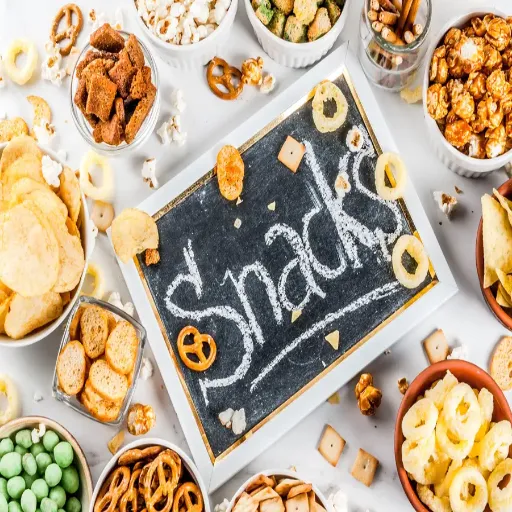
Low Ingredient Cost, High Perceived Value
The snack requires cheaper base materials which should enable it to reach high market prices. The cost of corn rice wheat flour and starches amounts to only a few cents for each kilogram. The combination of flavor and texture engineering and intelligent packaging lets products derived from the same basic material achieve 10 to 20 times their original value. Popcorn serves as the standard reference point. The market price for unprocessed corn reaches 0.50 per kilogram. The popped and flavored product from that same kilogram will produce 0.50. The popped and flavored product from that same kilogram will generate retail sales between 10 and 15 dollars. The company achieves higher profit margins through its gourmet products which include truffle and cheese and ethnic spice variations.
Shelf Stability and Distribution Flexibility
The second pillar that makes snacks to sell profitable is shelf life. The ability of products to maintain freshness without refrigeration allows them to reach multiple markets. The products become suitable for distribution through retail outlets and vending machines and online sales and international markets. The market for extruded snacks and dried fruit chips and sealed biscuit packs has better results than fresh baked goods in commercial environments. The extended shelf life of products helps businesses decrease waste while making distribution easier and extending service to customers in remote locations.
Scalability: From Cottage Kitchen to Factory Floor
The third pillar, as well as the one which most advisors most snacks to sell venturers forget, is thinking big. If I can sell 10 kilos of some snack it ought to be sellable in 10 tonnes as well. If that is not the case, there will be growth walls that even the best marketing strategies cannot prevent.
Priya Patel had begun frying sev in bulk at her local bazaar in Mumbai in around 10 kilograms in one go to sell such sev and fried in only one large pang every morning. This picked out of the shelf all day. Unfortunately, orders started to trickle in. Thus within half an year, she had 3 people to help her and she operated resorted to four pans for frying instead of two. Then she came up short. That is, the overheads of frying 50 kilos per day were 45% of the sales. The quality was lost. The orders coming from the nearest stores in the chain rermained unacknowledged for she was unable to promise the required amount.
It was a solution from Priya that changed the entire focus of the story. She purchased a continuous fryer with a seasoning drum. This lifted her production to 800 kilograms per day. The labor costs decreased to 12% of the sales dollar now. But the fact that supermarkets turned out to be her major customer was even more important. Instead of 22%, she now earned 38% of profit. They are the same snacks to sell. In other words, the problem was not with the snacks themselves but with how the manufacture of the snacks was done.
This is the central truth about snack profitability for anyone researching snacks to sell. Your recipe matters. Your branding matters. But your production method determines whether you own a job or a business. If you want a deeper breakdown of how snack margins work across categories, our guide to snack profit margins covers the numbers every producer should know.
12 High-Profit Snacks to Sell in 2026
1. Extruded Puff Snacks
Extruded puff snacks are among the most versatile snacks to sell, sitting at the intersection of low cost and infinite variety. Corn, rice, or potato starch feeds into a twin-screw extruder. Heat and pressure create the signature airy texture. From there, flavor options are nearly unlimited. Cheese, barbecue, spicy masala, seaweed, and sweet coatings all work on the same base. Raw material costs typically run 15-25% of wholesale price. With the right twin-screw extrusion systems, you can adjust screw profiles and temperature zones to create anything from crunchy rings to soft, melting puffs. This is one of the most versatile categories for entrepreneurs who want one production line serving multiple products.
2. Gourmet Popcorn
No snack matches popcorn for pure margin potential among snacks to sell commercially. Raw popcorn kernels cost roughly 1to1to2 per kilogram. Gourmet retail bags sell for 15to15to30 per kilogram. That is an 80% gross margin before overhead. The key is flavor differentiation. Truffle parmesan, sriracha lime, matcha white chocolate, and regional spice blends turn a commodity into a premium product. Production requires a popping chamber, a coating drum or spray system for flavoring, and flow-wrap packaging. Start with a small batch system. Scale to continuous production as demand grows.
3. Tortilla Chips and Doritos-Style Snacks
Tortilla chips enjoy universal market recognition, making them reliable snacks to sell in almost any region. Corn masa forms the base. Cutting, frying or baking, and seasoning create the final product. Doritos-style coated triangles command higher prices than plain chips because the flavor layer adds perceived value. A fried snack production line with precise temperature control ensures consistent texture and oil absorption. This category works particularly well in markets where Western snack formats are gaining traction but local flavors dominate consumer preference. Think tandoori masada chips for India or chili-lime for Latin America.
4. Protein Bars and Energy Bites
Protein-forward snacks to sell grew 17% year-over-year according to Tastewise data. Consumers want convenient nutrition. Protein bars deliver it in a shelf-stable format. The production process involves mixing protein powder, binders, nuts, and flavorings, then forming, cutting, and wrapping. A dedicated nutrition bar production line handles forming and portioning with precision that manual methods cannot match. Margins are strong, especially for premium positioning with clean-label ingredients. This category also lends itself to subscription models, which improve customer lifetime value.
5. Fried Savory Snacks (Kurkure, Sev, Bhujia)
Savory Indian snacks have existed for generations and they are reliable snacks to sell regardless of the weather or time of year. Snacks like Kurkure, sev and bhujia are, on the other hand, founded on gram or rice flour, or, extruded bases with particular spices of their own. It stays at a certain level throughout the year and only peaks up during some celebrations. The production process is understood by virtually every firm. The base shape is created by the extruder machine. In line cooking is done by a continuous fryer. The seasoning tumbler gives the flavor and oil. Inconsistency is what successful owners avoid and struggling ones wish they were avoiding. Systems equipped with automated temperature controls and mechanisms for filtering the oil provide the desired quality of the product over long production runs.
6. Corn Flakes and Breakfast Cereals
Breakfast cereals could be perceived as formal meals and not snacks, but the pattern of consumption at all wakes suggests that such meals as breakfast cereal are, in fact, versatile snacks to sell other than mornings occasions. In addition, the durability of corn flakes, their basic composition, and the high B2B demand motivates them. Hotels, cafeterias, and other institutional sales buy in carton boxes. Flaking gains more versatility from the extrusion process that involves more complicated machinery compared to puffed snacks, however, volumes savings and contract are benefits that usually exceeds investment in we offers this equipment. The emulsifiers breathing enables reaching consumer products that honey knuckle, cake ‘choco’, alternate projections – fortifications.
7. Baked Biscuits and Cookies
Biscuits and cookies are universal comfort foods with strong seasonal demand spikes, making them reliable snacks to sell during holidays and gifting seasons. Holiday gifting, corporate hampers, and wedding favors all drive bulk orders. The production spectrum ranges from simple drop cookies on a wire-cut machine to laminated crackers and sandwich biscuits. Biscuit manufacturing equipment supports everything from soft dough forming to hard dough rotary molding. The key profit driver here is premium positioning. Artisanal packaging, clean ingredients, and unique flavor combinations command prices 3 to 5 times higher than mass-market alternatives.
8. Pet Treats and Snacks
Pet humanization is not a trend. It is a permanent shift that makes pet treats some of the most profitable snacks to sell. Pet owners spend on treats the way parents spend on candy for children. Single-ingredient dehydrated meats, dental chews, and shaped biscuits all sell at premium prices. The regulatory burden is lighter than human food in many jurisdictions. Production uses similar extrusion and drying equipment as human snacks. A pet food extrusion line can produce treats with specific nutritional profiles, textures, and shapes. This category offers some of the highest emotional pricing power in the entire snack landscape.
9. Healthy Vegetable and Fruit Chips
Clean-label snacking continues to expand globally, creating new opportunities for healthy snacks to sell. Consumers want chips made from real vegetables and fruits without artificial preservatives. Kale, banana, apple, sweet potato, and beet chips all have established demand. The production challenge is moisture removal. Traditional frying adds oil and calories. Air frying, vacuum frying, and industrial microwave drying equipment offer alternatives that preserve color, flavor, and nutrients while achieving crispy texture. These methods position the product in the premium health segment where margins are strongest.
10. Gluten-Free and Keto Crackers
Dietary restriction is not a niche anymore. It is a purchasing filter. Gluten-free and low-carbohydrate crackers made from almond flour, coconut flour, or seed bases attract loyal customers, making them excellent snacks to sell for health-focused audiences. The production process uses extrusion or sheeting lines adapted for non-wheat doughs. Packaging must clearly communicate dietary benefits. Subscription boxes and specialty retailers are natural distribution partners. This category rewards producers who nail texture. A cracker that crumbles or tastes like cardboard will not generate repeat sales, no matter how healthy the ingredient list.
11. Flavored Nuts and Seed Clusters
Nuts and seeds fall under the luxury ingredient category. Cooking and enhancing the flavor makes them one of the most profitable snacks and snacks to sell at a higher price. It is more expensive to buy honey roasted peanuts, wasabi almonds or dark chocolate coating mixed seed cluster. To make the products, one requires roasting machines, seasoning paddles and chain links cooling systems. There is not as bigger machine required as for the extruding or cooking lines therefore those who want to set such a factory with a small room available can think about this. The cost of the raw materials is much greater than that of maize or wheat, but the prices in the market of products have also increased.
12. Seaweed Snacks and Rice Crackers
Consumption of Asian snacks is on an increasing trajectory and the market is expanding beyond the region’s borders while growing within. Japanese snack foods such as seasoned seaweed sheets, crunchy rice snacks, and chewy mochi cakes are exotic snacks, that benefit consumer interest in multicultural tastes, and therefore are snacks to sell to any adventurous food manufacturer. Among the product offerings, seaweed is exceptionally profitable. It is cost effective on the raw materials stretched and low in processing. It is merely a drying, seasoning, and packing activity into finished products. Rice crackers need to be puffed or baked and then seasoned. Both are well suited to the diet-conscious and tend to complement the lunch box or the consumption of snack foods while engaging in other activities.
How to Choose the Best Snacks to Sell in Your Market
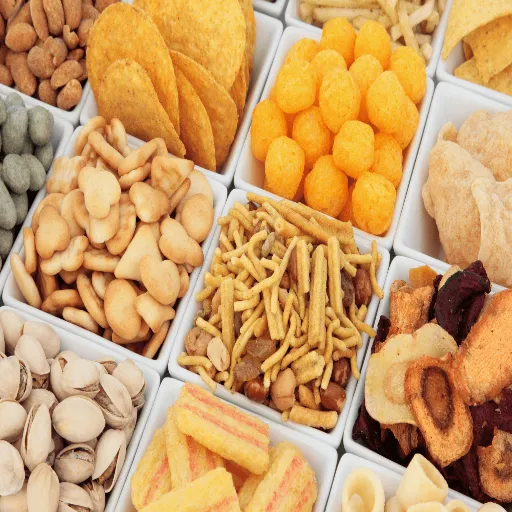
Analyze Local Demand and Competition
The best snacks to sell can often be unrelated to what’s popular everywhere else in the world. In this instance, it is the consumers’ needs within that market which the available options do not fulfill. Do a little scouting of the different retail shelves in your area. Identify what is available and what is not. For example, if all the shops have potato crisps in every corner but none stock protein bars, take advantage. For example, if there are more tasty snacks but the healthy option is non-existent, there is the niche. Understanding the local taste, purchasing power, and supply chain are far more important than the trends that are seen worldwide.
Consider Your Startup Budget and Space
There are certain snacks where you can produce them with very minimal equipment. ‘Zesty’ nuts require only a roaster and a coating drum. The opposite would be something like puffed extrudates which needs the entire line to commence production. Determine the sort of snacks to sell with the availability of your money and size of your place. If you only have the ability to start with a smaller product, it will not stop you from expanding in the future. Rather, it only guarantees that you will be able to stick around and eventually expand.
In São Paulo, NutriCrunch failed for this reason. NutriCrunch rolled out gourmet cookies thinking that they could win on having a refined tier. They couldn’t. Other products of same kind with more or less the same kind of luxury got produced locally at reasonable prices with an average of 30% price cuts. It happened with NutriCrunch, too, which obliterated all their initial funds in around 8 months. They reseated their perspectives thereafter. They turned the same nut-and-seed base into health bars aimed at the fitness and health community which did not have a provider in the area. They got a small forming machine and a wrapper. They increased their profit from 18 percent to 42 percent in one year. It was not because they got better at cooking. It was because they made a decision to make a product where there was a real need for it in their local market.
Plan for Scaling from Day One
While considering various snack business ideas, current fashions should not influence your choice. What matters – is that a particular idea or product can be manufactured as required. Hand rolled, hand cut and individually glazed snacks will only limit the scale of production even if demand exists. Go for products where the only interfering factor in scaling up is automation and not the reframing of the product itself. This accounts for the fact that extruded snacks, fried snacks and bars to be formed are good snacks to sell for enterprising individuals looking at going commercial.
Scaling Snacks to Sell: From Recipe to Production Line
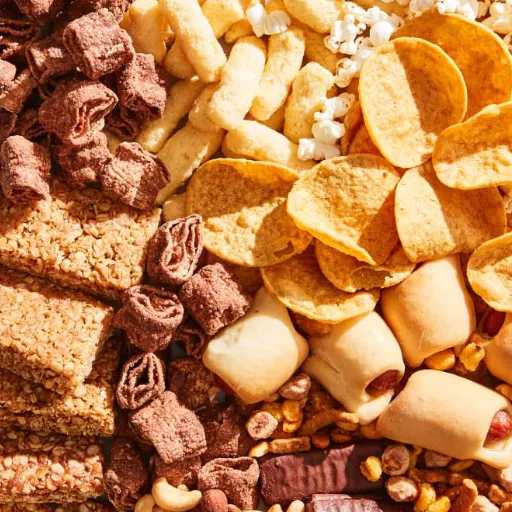
Scaling snacks to sell happens in four distinct stages. Skip any of them and you risk quality failures, regulatory problems, or cash flow crises.
Step 1: Standardize Your Recipe
Your home recipe for snacks to sell is not your commercial recipe. Industrial production requires precise measurements, documented processes, and ingredient specifications that account for batch-to-batch variation. Water content, particle size, and temperature sensitivity all become critical at scale. Work with a food technologist to convert your concept into a production-ready formula.
Step 2: Test Semi-Automated Production
Before buying a full production line, validate demand for your profitable snacks to sell with semi-automated equipment. A small extruder, a table-top fryer, or a manual forming machine lets you produce consistent batches for market testing. This stage reveals problems that never appeared in your kitchen. Packaging compatibility, shelf-life stability, and consumer feedback all get refined here without committing to a major capital investment.
Step 3: Invest in Targeted Equipment
Once demand is proven, invest in equipment that matches your product and volume goals. Modular systems are ideal because they grow with you. Extrusion solutions for snack manufacturing handle puff snacks, cereals, and pet treats with screw and die changes. A continuous fryer with automated oil management serves chips, crackers, and fried savories. Seasoning drums, cooling conveyors, and packaging machines complete the line. Buy for your 24-month projected volume, not your current volume.
Marcus Chen planned for scale from day one with his popcorn brand in Jakarta. He started with a compact continuous fryer and flavoring drum sized for 200 kilograms per day. That sounds small. But the machine was designed for modular expansion. When his retail partnerships expanded into three supermarket chains, he added a second fryer and upgraded his packaging line. He never had to replace his core equipment. Revenue grew 400% over 18 months. His initial equipment decision made that growth possible.
Step 4: Optimize for Consistency and Compliance
Commercial snack production for snacks to sell must meet food safety standards in your target markets. HACCP plans, traceability systems, and quality control checkpoints are not optional for scale. Automated production lines help here. Real-time monitoring of temperature, speed, and pressure makes automatic adjustments that manual operators cannot match. Consistency builds brand trust. Compliance keeps you in business. For a detailed look at how automation supports both goals, read our overview of automated snack production systems and their quality control features.
Ready to move from recipe to production line? Explore our complete snack processing systems and discover how modular equipment grows with your business. Our engineers can configure lines for extruded snacks, fried products, nutrition bars, and more. Request a customized quote tailored to your product and capacity goals.
Conclusion
The best snacks to sell share three characteristics. They enjoy strong consumer demand. They offer healthy profit margins. And they can scale from small batches to industrial output without losing what made them appealing in the first place.
Extruded puff snacks, gourmet popcorn, tortilla chips, protein bars, and fried savory snacks consistently top the profitability charts. Health-focused categories like vegetable chips, gluten-free crackers, and functional nutrition products are growing fastest. Pet treats and global formats like seaweed snacks represent emerging opportunities with less competition.
Your success with snacks to sell depends on more than picking the right product. It depends on planning for production scale before you need it. The entrepreneurs who thrive are the ones who engineer their recipes, test their markets, and invest in equipment that grows alongside their ambition.
Start your production journey today. Whether you are launching your first snack product or expanding an existing line, Shandong Loyal Industrial provides tailored food processing solutions designed for your specific goals. Contact our team to discuss your product, your market, and the equipment that will take you from kitchen experiments to commercial success.
Sources: