
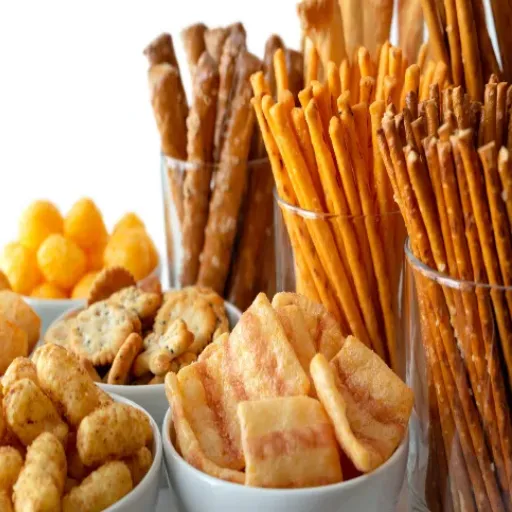
12 Best Snacks to Sell for Profit in 2026: From Home Kitchen to Commercial Production

The best snacks to sell for profit in 2026 are extruded puff snacks, gourmet popcorn, tortilla chips, protein bars, fried savory snacks, and plant-based alternatives, all categories that combine low ingredient costs with strong consumer demand and scalable production potential. Whether you’re starting from a home kitchen or planning a commercial facility, choosing the right snack category can mean the difference between a side hustle and a thriving manufacturing business.
When Priya Sharma launched her snack brand in Mumbai in early 2024, she started with handmade granola bars sold at weekend markets. Her margins were decent, but she hit a ceiling fast. “I was working 14-hour days and still couldn’t fulfill the orders coming in,” she recalls.
“The moment I switched to a semi-automated extrusion line for puffed rice snacks, my output quadrupled and my cost per unit dropped by 60%.” Today, her products sit on shelves in 200+ stores across India.
Her story illustrates a truth that most snack business guides miss. It’s not just about what you sell. It’s about how you manufacture it.
This guide covers 12 proven, high-margin snack categories for 2026. More importantly, it shows you how each category scales from cottage production to automated manufacturing. That is where the real profit lives.
Key Takeaways
- Extruded puff snacks and gourmet popcorn offer the highest margins, ranging from 50% to over 80% at scale.
- The global snack market reached 283billionin2026,withextrudedsnacksaloneprojectedtohit283billionin2026,withextrudedsnacksaloneprojectedtohit115 billion by 2035.
- Modular production lines deliver 22% higher ROI than fixed lines, with typical payback periods of 3 to 5 years.
- Plant-based protein snacks represent the fastest-growing segment, with India’s plant-based market projected to grow 10x by 2028.
- 91% of global consumers snack daily, creating consistent, recession-resistant demand across all categories.
What Makes a Snack Profitable in 2026?
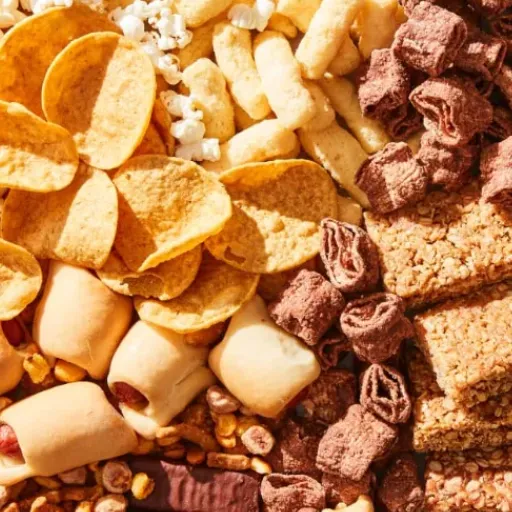
Not every delicious snack makes a profitable business. The most successful snack entrepreneurs evaluate opportunities through three lenses: ingredient economics, shelf stability, and production scalability.
Low ingredient cost paired with high perceived value is the foundation of snack profitability. Corn, rice, and potato starch cost pennies per serving. Add flavor innovation, attractive packaging, and health claims, and consumers willingly pay 3to3to8 per bag.
Gourmet popcorn exemplifies this perfectly. Raw kernels cost roughly 1to1to2 per kilogram. Retail bags of flavored gourmet popcorn sell for 15to15to30 per kilogram. That is an 80% gross margin before overhead.
Shelf stability determines how far your product can travel and how long it can wait before selling. Fried snacks, extruded puffs, and dried fruit chips all offer months of shelf life. Fresh or refrigerated snacks may taste better, but they limit distribution and increase spoilage risk. Most successful snack businesses start with shelf-stable products for this reason.
Scalability separates hobby sellers from real manufacturers. A snack that works in your kitchen but cannot translate to a production line will always cap your income. The smartest entrepreneurs choose recipes that can move from manual batches to semi-automated systems. Eventually, they scale to fully automated production lines without changing the core product.
Equipment selection makes this possible.
A twin-screw extrusion system can transform simple grain flour into hundreds of snack shapes and textures. A continuous fryer with automated oil filtration runs 24 hours with minimal labor. Automated flavoring drums ensure every piece carries the exact same seasoning profile.
These technologies turn snack making from a craft into a scalable business.
Want to understand the full profit potential before choosing your snack category? Read our breakdown of how snack profit margins work across different production methods.
12 High-Profit Snacks to Sell in 2026
1. Extruded Puff Snacks
Extruded puff snacks sit at the intersection of low cost, high margin, and infinite variety. Made from corn, rice, potato, or tapioca starch, these light, crunchy products absorb flavors beautifully and appeal to consumers across every age group and region.
Profit margins range from 50% to 80% at commercial scale. Raw material costs typically run 15% to 25% of wholesale price. The real magic lies in flavor differentiation. Cheese, barbecue, masala, sour cream, and spicy chili-lime are just the beginning.
Innovative brands are launching matcha, truffle parmesan, and sriracha-lime variants. These command premium pricing and build brand loyalty.
Production requires a twin-screw extruder. It cooks dough under high pressure and forces it through a die to create shapes — balls, rings, pillows, or custom forms. A mid-range extrusion line handling 100 to 300 kg per hour typically costs 20,000to20,000to80,000. For manufacturers looking at serious volume, industrial lines reaching 300 to 700 kg per hour run 80,000to80,000to200,000.
The equipment pays for itself quickly. A manufacturer producing 200 kg per hour, 16 hours per day, generates roughly 3,200 kg of finished product daily. At a conservative wholesale price of 4perkilogram,dailyrevenueexceeds4perkilogram,dailyrevenueexceeds12,000.
Even with ingredient, labor, and energy costs factored in, payback periods of 2 to 3 years are common.
Ready to explore extrusion technology for your snack line? Learn more about our twin-screw extrusion systems designed for puff snacks, core-filled pillows, and custom shapes.
2. Gourmet Popcorn
Gourmet popcorn remains the ultimate high-margin snack for entrepreneurs with limited startup capital. Raw popcorn kernels are among the cheapest food ingredients available. Yet flavored, packaged gourmet popcorn sells at prices rivaling premium chocolate.
The business model is straightforward. Source quality kernels, develop a signature flavor profile, package attractively, and build a brand story. Truffle parmesan, sriracha lime, matcha white chocolate, and loaded baked potato are flavors that differentiate commodity popcorn into a premium product.
Entry-level production needs minimal equipment. A commercial popping machine, a flavoring drum, and a packaging unit form the core setup. Total startup investment can run as low as 5,000to5,000to15,000 for a cottage or small commercial operation. Scaling to automated continuous popping and coating lines ranges from 30,000to30,000to100,000 depending on throughput.
The key challenge is shelf life. Oil-based seasonings can turn rancid without proper packaging. Vacuum-sealed or nitrogen-flushed bags extend freshness to 6 to 12 months.
Invest in quality packaging equipment early. This prevents product quality issues that damage brand reputation.
3. Tortilla Chips and Doritos-Style Snacks
Tortilla chips enjoy near-universal appeal. They pair with dips. They stand alone as snacks. They appear at virtually every social gathering.
This category offers strong B2B potential. Restaurants, cafes, and catering businesses buy tortilla chips in bulk continuously.
Production starts with corn masa preparation. The dough is sheeted, cut into triangles or strips, and then fried or baked. Continuous fryers ensure consistent texture and color. Seasoning drums apply flavor coatings evenly across every chip.
The equipment investment for a small tortilla chip line runs 25,000to25,000to60,000. Larger automated systems with integrated masa preparation, sheeting, frying, seasoning, and packaging cost 80,000to80,000to150,000.
The category rewards regional flavor innovation. Tandoori masala chips for the Indian market, chili-lime for Latin America, and wasabi soy for East Asian consumers all command premium prices. Best of all, they use the same base production equipment.
4. Protein Bars and Energy Bites
The protein snack market hit $74 billion in 2026 and continues climbing. Consumers want convenient, high-protein options that fit busy lifestyles. Protein bars, energy bites, and functional snack bars meet this demand perfectly.
Manufacturing requires mixing, forming, cooling, and wrapping equipment. A nutrition bar production line handles dough mixing, slab forming, cutting, and individual wrapping in one continuous process.
This ensures consistent weight, texture, and appearance across every bar. Consistency is critical for brand trust.
Profit margins typically range from 40% to 55%. The ingredient cost is higher than corn or potato-based snacks. Protein powders, nuts, and natural sweeteners drive up the base cost. However, consumers willingly pay 2to2to4 per bar for products with 15 to 20 grams of protein and clean-label ingredients.
The subscription box model works exceptionally well here. Brands offering monthly deliveries of assorted protein bars build predictable recurring revenue. They also earn higher customer lifetime value than one-time retail purchases.
5. Fried Savory Snacks
Traditional fried savory snacks dominate markets across South Asia, Africa, and Latin America. Kurkure, sev, bhujia, and plantain chips all enjoy established demand. They use simple ingredient lists and deliver strong profit margins of 35% to 50%.
Production centers on continuous frying systems. Raw materials like gram flour, rice flour, or sliced plantains enter a continuous fryer. They cook at controlled temperatures for precise durations. Oil filtration systems maintain oil quality and extend usable life by 15% to 20%.
Seasoning drums apply spice blends immediately after frying. The product is still warm and receptive at this stage.
The beauty of this category is cultural specificity. A single production line can produce different products for different markets. Simply change the die shape, flour blend, or seasoning recipe.
One extruder and fryer setup can make Kurkure for India, chin-chin for Nigeria, and plantain chips for Colombia. All use the same core equipment.
6. Corn Flakes and Breakfast Cereals
Breakfast cereals represent a massive, stable market with strong B2B potential. Hotels, cafes, airlines, and institutional food services purchase bulk cereals continuously. The production process is similar to extruded snacks, twin-screw extruders cook and shape grain dough into flakes, which are then toasted and coated.
The equipment overlap with snack production is significant. Manufacturers already running extrusion lines can add flaking rollers and toasting ovens to enter the cereal market without building an entirely new facility. This diversifies revenue streams and maximizes equipment utilization.
Margins are moderate compared to gourmet snacks, typically 25% to 40%, but volume potential is enormous. A single production line can output several tons per day, and the B2B sales model reduces marketing costs compared to consumer brands.
7. Baked Biscuits and Cookies
Biscuits and cookies offer universal appeal, strong gifting potential, and excellent seasonal sales. Holiday-themed cookie boxes, corporate gift sets, and premium biscuit assortments sell year-round with significant spikes during festive periods.
A biscuit production line automates dough mixing, sheeting, cutting, baking, cooling, and packaging. Hard biscuits, soft cookies, sandwich biscuits, and crackers all run on the same core equipment with die and recipe changes. This versatility makes biscuit lines an attractive investment for manufacturers exploring multiple product categories.
Startup costs for small biscuit operations begin around 15,000to15,000to30,000. Full automated lines with integrated packaging run 50,000to50,000to120,000. The category rewards premium positioning, artisanal, organic, and gluten-free biscuits command 2 to 4x the price of mass-market alternatives.
8. Pet Treats and Snacks
Pet humanization is not a trend. It is a permanent shift in how consumers spend money. Premium pet treats made from single ingredients, natural preservatives, and veterinary-approved formulations sell at prices that would seem absurd a decade ago. Yet sales continue growing.
The manufacturing overlap with human snacks is significant. Extrusion systems that produce puffed snacks can produce dental chews and training treats with minor modifications. Dehydrators that make fruit chips can make sweet potato chews for dogs. This allows snack manufacturers to enter the pet market without entirely new equipment investments.
Regulatory requirements are typically lighter than human food. Standards vary by country, so check local rules.
Profit margins are strong. Customer loyalty is higher than in human snacks. Pet owners who find a treat their dog loves rarely switch brands.
A pet food production line offers dedicated extrusion, drying, and coating systems specifically engineered for pet treat manufacturing. These systems handle the denser dough formulations and longer drying cycles that pet products require.
9. Healthy Vegetable and Fruit Chips
Health-conscious consumers want crunchy, satisfying snacks without the guilt. Vegetable and fruit chips, kale, beet, sweet potato, banana, apple, meet this demand perfectly. These products command premium prices and attract loyal, repeat buyers.
Production methods vary. Vacuum frying preserves color, flavor, and nutrients better than conventional frying. It also uses less oil. Air frying and baking offer even lower-fat alternatives.
Industrial microwave drying systems provide rapid, uniform dehydration. They maintain nutritional content and crisp texture.
The equipment investment is higher than conventional snack frying. Vacuum fryers and microwave drying systems command premium prices. However, the product pricing power justifies the investment. A 100-gram bag of vacuum-fried vegetable chips retails for 4to4to6, roughly double the price of conventional potato chips.
10. Gluten-Free and Keto Crackers
Dietary restriction is no longer a niche. Gluten-free, keto, and low-carb products sit in mainstream supermarkets worldwide. Crackers made from almond flour, coconut flour, flaxseed, or cheese deliver the crunch consumers crave without the carbohydrates they avoid.
The ingredient cost is higher than wheat-based products, but so is the selling price. A 150-gram box of almond flour crackers retails for 5to5to8, 2 to 4x the price of conventional crackers. Margins of 40% to 58% are achievable at scale.
Production requires mixing, sheeting, cutting, and baking equipment. The dough behavior of alternative flours differs significantly from wheat, so recipe development and process optimization are critical before scaling to automated production.
The gluten-free snack market is forecast to grow at 5.6% CAGR through 2033. Keto and low-carb segments are growing even faster as weight management and metabolic health remain top consumer priorities.
11. Flavored Nuts and Seed Clusters
Nuts and seeds are nutritional powerhouses that consumers already perceive as healthy. Adding flavor innovation, honey-roasted, wasabi, chili-lime, dark chocolate-coated, transforms a commodity into a premium snack with strong margins.
Production is simpler than extruded or fried snacks. Roasting ovens, cooling conveyors, and flavoring tumblers form the core equipment. Packaging requires nitrogen flushing to prevent rancidity and maintain crunch. Total equipment investment for a small operation runs 10,000to10,000to30,000.
The B2B opportunity is significant. Airlines, hotels, and corporate catering services purchase flavored nuts in bulk for in-flight service, minibar offerings, and conference refreshments. These contracts provide steady, predictable revenue with lower marketing costs than consumer retail.
12. Plant-Based Protein Snacks
Plant-based protein snacks represent the fastest-growing opportunity on this list. Consumers want protein without meat. Flexitarians, vegetarians, and health-conscious omnivores all drive demand for legume-based, high-protein snacks.
Extrusion technology enables this category at scale. Pea protein, soy protein, lentil flour, and chickpea flour can be extruded into puffs, crisps, and textured pieces that deliver 15 to 20 grams of protein per serving. The texture and mouthfeel rival conventional extruded snacks, eliminating the compromise that earlier plant-based products forced on consumers.
India’s plant-based market alone is projected to grow tenfold by 2028. North America and Europe already show strong demand. The global opportunity is enormous for manufacturers who invest in extrusion capabilities early.
Margins of 40% to 55% are standard. The key challenge is flavor masking, some plant proteins carry earthy or bitter notes that require careful seasoning formulation. Working with an experienced extrusion equipment partner who understands recipe development accelerates this process significantly.
Snack Production Equipment: Cost and ROI at Every Scale
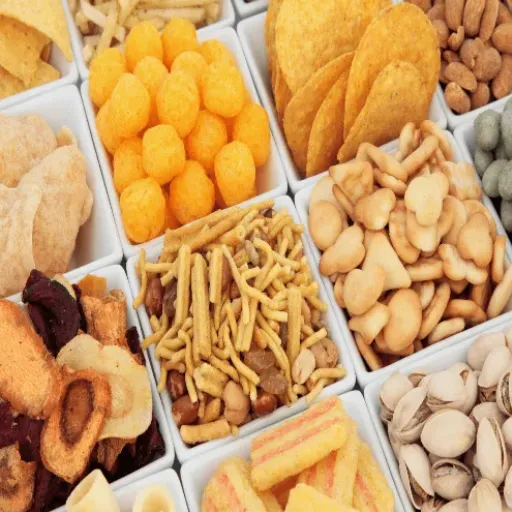
Choosing the right snack category is only half the decision. Understanding equipment costs and ROI timelines ensures you invest wisely and scale efficiently.
| Equipment Tier | Typical Capacity | Price Range (USD) | Best For |
|---|---|---|---|
| Entry-Level | Minimal batch | 1,000−1,000−12,000 | Home/cottage startups |
| Mid-Range Extruders | 100-300 kg/hr | 20,000−20,000−80,000 | Small-medium manufacturers |
| Industrial Lines | 300-700 kg/hr | 80,000−80,000−200,000 | Scaling operations |
| Premium Automated | Multi-product, high-throughput | 150,000−150,000−350,000 | High-volume plants |
The payback period for most snack production equipment falls between 3 and 5 years. However, several factors can accelerate returns dramatically. Modular production lines deliver 22% higher ROI than fixed, single-purpose lines.
These systems use interchangeable dies, quick-release components, and flexible configurations. The ability to switch from cheese puffs to core-filled pillows in a few hours means one line serves multiple product lines. This maximizes equipment utilization.
Preventive maintenance is equally important. Structured maintenance programs for fryers, extruders, and packaging equipment reduce unplanned downtime by 30% to 40%. In high-volume plants, a single hour of continuous fryer downtime can cost $18,000 or more in lost production.
Energy efficiency also matters. Frying and drying account for 30% to 40% of energy consumption in snack plants. Heat recovery systems, variable frequency drives, and advanced insulation can cut energy costs by 25% to 30%, directly improving margins.
Looking for a complete overview of automated snack production? Our guide to automatic snack production lines covers everything from raw material handling to finished product packaging.
How to Choose the Right Snack for Your Market
The best snack for your business depends on your local market, available capital, and long-term ambitions. Here is a framework for making the right choice.
Analyze local demand first. Walk through supermarkets, convenience stores, and markets in your target region. Which snack categories have the most shelf space? Which products are frequently out of stock?
What flavors dominate, and where are the gaps?
In Southeast Asia, spicy extruded snacks and seaweed products dominate. In North America, protein-forward and better-for-you options lead. In Africa, fried plantain chips and savory grain-based snacks are staples.
Match your budget to realistic entry points. If you have 5,000to5,000to10,000, gourmet popcorn or flavored nuts offer the fastest path to revenue. If you have 50,000to50,000to100,000, extruded puffs, tortilla chips, or protein bars become viable. If you have $200,000+, you can build a multi-product facility with the flexibility to pivot as market demands shift.
Plan for scaling from day one. The most expensive mistake new snack entrepreneurs make is choosing a product that cannot grow beyond manual production. Before committing to any category, ask yourself three questions.
Can this recipe work in a mixer ten times larger? Can this shape be produced by an extruder? Can this packaging format run on an automated line?
If the answer is no, you are building a ceiling into your business from the start.
Carlos Mendez learned this lesson the hard way in Mexico City. He built a successful handmade churro business with $3,000 in startup capital. Within 18 months, demand exceeded his manual capacity. But his recipe relied on hand-piping techniques that no machine could replicate.
He eventually had to develop an entirely new product line for automated production. He was essentially starting over. “I wish I had thought about the machine on day one,” he says now. “It would have saved me two years and a lot of money.”
From Recipe to Production Line: Scaling Your Snack Business
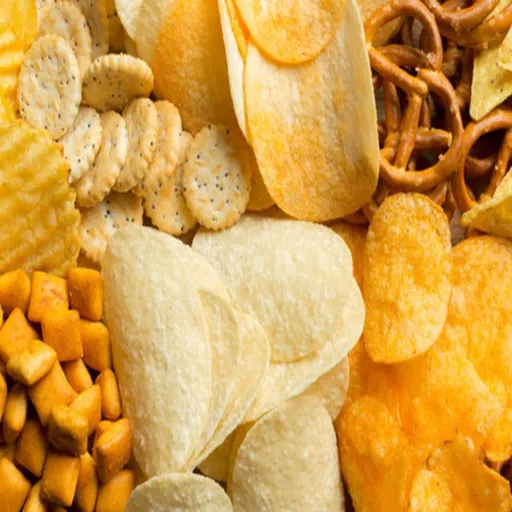
Scaling a snack business follows a predictable path. Understanding each stage helps you plan investments and avoid common pitfalls.
Step 1: Standardize your recipe. Commercial production demands consistency. Every batch must taste identical, weigh the same, and look uniform. Document exact ingredient weights, mixing times, temperatures, and cooking durations.
Test your recipe at double, triple, and ten times your current batch size. Scaling often reveals hidden issues. A flavor that works at 5 kilograms may taste different at 500 kilograms.
Step 2: Test semi-automated production. Before investing in a full production line, validate demand with semi-automated equipment. A small extruder, benchtop fryer, or tabletop packaging machine lets you produce commercial volumes without committing to industrial-scale investment. This stage typically handles 20 to 50 kg per hour, enough for local distribution and online sales.
Step 3: Invest in targeted equipment. Once demand justifies the investment, purchase equipment matched to your specific product. Work with a manufacturer who understands your recipe, your market, and your growth plans.
Customization matters. A standard extruder may work for generic corn puffs. Producing core-filled snacks, high-protein extrudates, or specific regional products requires tailored screw configurations, die designs, and process parameters.
Step 4: Optimize for consistency and compliance. Food safety certifications become essential as you scale. HACCP, ISO 22000, FDA registration, or local equivalents all matter. Document every process step.
Implement quality control checkpoints for weight, moisture content, texture, and microbial safety. Consistent quality builds the brand trust that drives repeat purchases.
At Shandong Loyal Industrial Co., Ltd., we have guided hundreds of snack entrepreneurs through this scaling journey. Our modular extrusion systems, continuous fryers, and automated flavoring lines are designed to grow with your business, from the first semi-automated tests to full industrial production.
Conclusion
The snack industry offers extraordinary opportunity for entrepreneurs who think beyond the recipe. The best snacks to sell combine high consumer demand, strong profit margins, and, critically, the ability to scale from kitchen experiments to automated production.
Extruded puff snacks, gourmet popcorn, tortilla chips, protein bars, and plant-based alternatives all meet these criteria. Each category offers margins of 35% to 80% at scale. Each can be produced on equipment that grows with your business. And each serves the $283 billion global snack market that continues expanding year after year.
The entrepreneurs who win in this market are not necessarily the ones with the best recipes. They are the ones who choose snacks that can be manufactured efficiently, consistently, and profitably at commercial scale.
Start with proven categories. Design your process for growth. Partner with equipment specialists who understand the journey from first batch to full production.
Ready to scale your snack production? Explore our complete snack processing lines or contact our team for a customized production solution tailored to your specific product and market.