
Homemade Snacks to Sell: From Cottage Kitchen to Commercial Production

The best homemade snacks to sell in 2026 combine low startup cost, shelf stability, and a clear path to scale. Think gourmet popcorn, granola, energy bites, roasted nuts, protein bars, and vegetable chips. These products can start in a cottage kitchen, build a local following, and grow into a commercial production business with the right equipment.
Last year, Maya Chen was baking granola in her apartment kitchen and selling it at a weekend farmers market in Portland. Within eight months, she had three local cafes placing weekly orders. Her problem wasn’t demand. It was capacity.
She was mixing, baking, and bagging 200 units by hand every Sunday. That’s when she realized her snack idea was a real business. But her production method was still a hobby.
This guide is for entrepreneurs like Maya. You will learn which homemade snacks sell best, how to price and package them, where to sell them, and how to scale from a home kitchen to a commercial production line without losing the quality that built your brand.
Key Takeaways
- The global snack market is projected to reach $283 billion in 2026, creating strong demand for innovative homemade and artisan snacks.
- Gourmet popcorn, granola, energy bites, roasted nuts, and protein bars are the best homemade snacks to sell because of low startup cost and high margins.
- Most states allow shelf-stable homemade snacks under cottage food laws, but you must follow labeling, allergen, and revenue-cap rules.
- Pricing should account for ingredient, packaging, labor, and overhead costs, with retail prices typically 2.5× to 4× the cost of goods.
- Scaling from a home kitchen to commercial production requires recipe standardization, a licensed facility, and eventually targeted equipment like mixers, extruders, fryers, and packaging machines.
Why Homemade Snacks Are a Smart Business in 2026
The snack industry is growing faster than most food categories. According to Towards FnB, the global snack food market is expected to reach $283.24 billion in 2026. It will grow at a 6.5% CAGR through 2035.
Consumers are not just buying more snacks. They are buying snacks with cleaner labels, higher protein, plant-based ingredients, and unique flavors.
This shift creates a perfect entry point for small producers. Large brands move slowly. A home-based entrepreneur, however, can test a new flavor, respond to local feedback, and build a loyal customer base. Often, this happens before the big players notice the trend.
Three forces are driving the opportunity:
- Health and wellness: Clean-label, high-protein, gluten-free, and vegan snacks are no longer niche. Data shows 66% of shoppers in 2026 research ingredients carefully before buying.
- E-commerce and direct-to-consumer: Platforms like Shopify, Etsy, and Instagram make it possible to sell homemade snacks nationwide from a home kitchen.
- Local and artisan preference: Many buyers actively seek small-batch, locally made alternatives to mass-market snacks.
Mathematically, entrepreneurship in the food industry is enticing. A bag of gourmet popcorn can cost less than 0.50iningredients.Itcansellfor0.50iningredients.Itcansellfor4.00 to 8.00.Abatchofenergybitescancost8.00.Abatchofenergybitescancost0.30 each. It can retail for 2.50to2.50to3.50.
Therefore, the challenge is not finding a profitable product. The challenge is building a production system that can grow with demand.
15 Homemade Snacks to Sell (Cottage-Food Friendly)
Not every snack is suitable for a home-based business. The best options are shelf-stable, easy to package, and simple to produce in batches. Below are 15 proven homemade snacks to sell, grouped by category.
Baked and Sweet Snacks
Homemade cookies remain one of the easiest entry points. Chocolate chip, oatmeal, shortbread, and decorated sugar cookies sell well at markets and online. Focus on a signature flavor or theme, such as gluten-free or vegan options, to stand out.
Brownies and blondies work because they are dense, travel well, and feel indulgent. Cut them into consistent portions and package them individually for cafes and gift boxes.
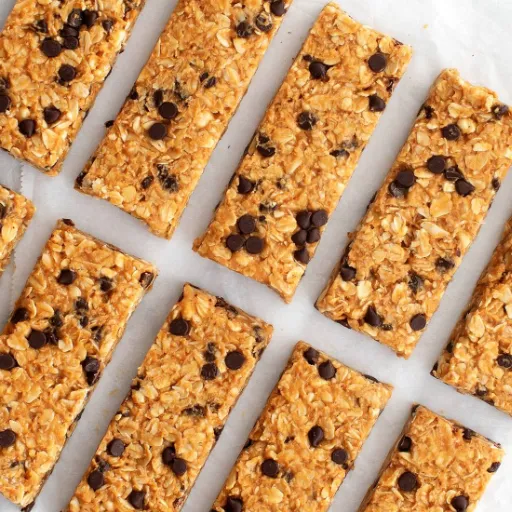
Granola and muesli are ideal for beginners. They use inexpensive ingredients, have a long shelf life, and can be differentiated with flavors like maple pecan, coconut chai, or dark chocolate sea salt.
Energy bites and protein balls are fast-growing because they fit health trends. They require no baking and can be made with oats, nut butter, dates, seeds, and protein powder.
Savory and Salty Snacks
Gourmet popcorn is repeatedly cited as one of the highest-margin snacks. Raw popcorn kernels cost roughly 1to1to2 per kilogram, while flavored retail bags sell for 15to15to30 per kilogram. Flavor innovation, such as truffle parmesan, sriracha lime, or matcha white chocolate, creates premium positioning.
Roasted and flavored nuts are simple to produce and highly profitable. Honey-roasted almonds, wasabi peanuts, and dark chocolate-covered cashews are popular variations.
Specialty potato chips and vegetable chips appeal to buyers looking for alternatives to mass-market chips. Sweet potato, beet, kale, and apple chips can be baked or air-fried for a healthier positioning.
Rice crackers and seaweed snacks are growing globally as Asian snack formats gain popularity. These require careful packaging to maintain crispness.
Healthy and Specialty Snacks
Protein bars are one of the fastest-growing categories. According to GII Research, the protein snacks market is expected to reach $5.86 billion in 2026. Plant-based proteins from peas, brown rice, and hemp are especially popular.
Fruit chips and dried fruit are clean-label favorites. Banana chips, apple rings, and mango slices have strong market appeal, especially when sold without added sugar.
Keto and gluten-free crackers serve loyal dietary segments. Almond flour, coconut flour, and seed-based crackers can command premium prices.
Preserved and Packaged Goods
Homemade jams, jellies, and preserves have long shelf lives and strong gift-market appeal. Pair them with a branded label story about local fruit or family recipes.
Pickled vegetables and fermented snacks work in markets with permissive cottage food or food freedom laws. Always verify local regulations before selling fermented products.
Spice blends and seasoning mixes are lightweight, shelf-stable, and easy to ship. They pair naturally with snack kits or recipe bundles.
| Snack Type | Startup Cost | Est. Gross Margin | Shelf Life | Best Sales Channels |
|---|---|---|---|---|
| Gourmet popcorn | Low | 70–80% | 2–4 months | Markets, online, retail |
| Granola | Low | 60–75% | 3–6 months | Cafes, online, subscription |
| Energy bites | Low | 65–80% | 1–2 weeks refrigerated | Gyms, cafes, online |
| Roasted nuts | Low | 55–70% | 3–6 months | Markets, retail, gift boxes |
| Protein bars | Medium | 60–75% | 2–4 months | Online, gyms, health stores |
| Cookies | Low | 60–75% | 1–2 weeks | Markets, cafes, custom orders |
| Vegetable chips | Medium | 50–65% | 1–3 months | Markets, online, specialty stores |
Want to see which snacks scale best into full manufacturing? Read our guide to the best snacks to sell for profit for a deeper look at high-margin production categories.
How to Choose the Best Homemade Snacks to Sell
Choosing a product is not about picking your favorite recipe. It is about matching your skills, kitchen capacity, local demand, and growth goals.
Start by answering three questions:
- What can I produce consistently at volume? Hand-decorated cookies may be beautiful, but they are hard to scale. Products like granola, popcorn, and roasted nuts are easier to standardize.
- What does my local market lack? Visit farmers markets, cafes, and grocery stores. Look for gaps in healthy snacks, ethnic flavors, or dietary-specific products.
- What fits my budget? Some snacks require only basic kitchen equipment. Others need dehydrators, sealers, or specialized machines.
David Okonkwo started selling plantain chips at a market in Lagos after noticing that imported brands dominated the snack aisle. He began with a small batch fryer and local sourcing. Within two years, his brand supplied 40 retail locations. His success came from matching a familiar product to an underserved local market.
Also consider scalability from day one. A snack that works in a home oven but cannot transfer to a commercial line will eventually limit your growth. Products like extruded puffs, tortilla chips, and fried snacks scale efficiently with automated equipment. Homemade cookies and decorated treats scale less easily.
Legal Basics for Selling Homemade Snacks
Before selling your first bag, learn about the legalities involved where you live. In the US, the legalities regarding cottage food laws vary from one state to another. There isn’t a uniform law for the entire country.
Most laws regarding cottage foods only permit shelf-stable, “not potentially hazardous” foods. This typically includes:
- Baked goods like cookies, brownies, and breads
- Candies and chocolates
- Jams, jellies, and preserves
- Dried herbs, spices, and mixes
- Popcorn, granola, nuts, and some dried fruits
Foods usually not allowed under cottage food laws include:
- Meat, seafood, and poultry products
- Dairy-based foods like cheesecakes or custards
- Fresh-cut fruits and vegetables
- Canned low-acid vegetables
- Foods requiring refrigeration
Common Requirements
Most cottage food operators must:
- Register or obtain a permit from the state or local health department
- Complete a basic food safety course
- Label every product with the product name and business contact details
- List all ingredients in order by weight
- Disclose major allergens clearly
- Add a required statement, such as “Made in a home kitchen not subject to state inspection”
- Stay under an annual gross sales cap, which can range from 25,000to25,000to100,000 or more depending on the state
Some states, including Wyoming, North Dakota, and Utah, have broader “Food Freedom Laws” that allow a wider range of homemade foods to be sold directly to informed consumers. Always check your state and local rules before launching.
When sales grow beyond your cottage food cap, or when you want to sell wholesale or online across state lines, you will need to move to a licensed commercial kitchen or work with a co-packer.
Pricing and Costing Your Homemade Snacks
Pricing mistakes kill snack businesses faster than bad recipes. Many new sellers underprice because they forget to account for labor, packaging, and overhead.
Use this simple framework:
- Calculate your cost of goods sold (COGS). Add ingredient costs, packaging, labels, and any direct production supplies.
- Add labor. Even if you are the only worker, assign an hourly rate. If a batch takes two hours and yields 50 units, labor is a real cost.
- Add overhead. Include kitchen rental, utilities, insurance, permits, and marketing.
- Apply your markup. Retail prices are commonly 2.5× to 4× COGS. Wholesale prices are usually 1.8× to 2.5× COGS.
For example, if a bag of granola costs 1.20iningredientsandpackaging,andtakes1.20iningredientsandpackaging,andtakes0.30 of labor and overhead, your total cost is 1.50.Awholesalepriceof1.50.Awholesalepriceof2.70 and a retail price of $4.50 would be reasonable.
Track every batch. Small changes in ingredient prices or yield can quickly erode margins. As a result, use a simple spreadsheet or small business accounting software to monitor costs monthly.
Packaging Homemade Snacks to Sell Online and Locally
Your packaging does three jobs at once: it protects the product, communicates your brand, and convinces someone to buy.
Packaging Basics
Choose packaging that matches your product’s shelf life and sales channel:
- Cellophane or kraft bags work for short-shelf-life baked goods sold at markets.
- Stand-up pouches with resealable zippers are ideal for granola, popcorn, and nuts sold online or retail.
- Vacuum-sealed bags extend shelf life for nuts, jerky, and dried fruit.
- Tray sealers or flow wrappers become important when scaling to retail and need professional presentation.
Labeling Requirements
Most jurisdictions require labels to include:
- Product name
- Net weight
- Ingredient list in descending order by weight
- Allergen disclosure
- Business name and contact information
- Best-by or expiration date
- Required cottage food or commercial kitchen statement
Brand Story
Small brands win on story. Share why you started, where your ingredients come from, and what makes your snack different. A strong brand story can justify a higher price and create customer loyalty.
Where to Sell Your Homemade Snacks
Your first sales channels should match your production capacity. Start small, prove demand, then expand.
Farmers Markets and Local Events
Farmers markets are the classic starting point. They offer direct customer feedback, immediate cash flow, and low upfront risk. The downside is time. A single market can consume a full weekend.
Online Stores
Shopify, Etsy, and Squarespace make it easy to sell homemade snacks online. You control branding, customer relationships, and margins. However, shipping food requires careful packaging, and you must comply with regulations in every state where you sell.
Wholesale to Cafes, Gyms, and Retail Stores
Wholesale is where growth accelerates. A single cafe that orders 50 units per week can double your volume overnight. Approach local businesses with samples, pricing sheets, and clear delivery terms.
Subscription Boxes and Corporate Gifting
Subscription models create predictable revenue. Corporate gift boxes around holidays can generate large one-time orders. These channels work best once your production is consistent and scalable.
Priya Patel started selling sev, a crispy chickpea flour snack, at a single market in Mumbai. After three months, two neighborhood grocery stores agreed to stock her product. Within a year, she moved into a small commercial kitchen.
She added a continuous fryer and seasoning drum. Today she supplies 15 retail locations. Her turning point was not a better recipe. It was choosing a product that could scale without losing its core identity.
Planning your growth path? Our how to start a snack business guide walks through the full startup process from idea to first sale.
Scaling Homemade Snacks to Commercial Production
There comes a point where hand-mixing and home ovens become the bottleneck. Recognizing that point early can save months of frustration. In addition, planning your scaling path before you hit capacity helps you make smarter equipment decisions.
Signs You Are Ready to Scale
- You have repeat orders you cannot fill on time
- Your weekends are consumed by production
- Your costs are rising because you are buying ingredients in small quantities
- Retailers or distributors are asking for larger volumes
- Your product quality varies between batches
The Scaling Path
- Standardize your recipe. Convert volume measurements to weight. Document every step, temperature, and timing. This is the foundation of consistent production.
- Move to a commercial kitchen. A licensed shared kitchen or your own small facility allows you to produce more, meet regulatory requirements, and sell into new channels.
- Invest in targeted equipment. A commercial mixer, oven, or sealer can multiply output without requiring a full production line.
- Add automation selectively. When volume justifies it, equipment like extruders, continuous fryers, and packaging machines reduce per-unit costs and improve consistency.
Equipment decisions should be based on your 24-month projected volume. Do not buy for today’s volume. Buy for where you expect to be in two years.
Buying too small means replacing equipment within a year. Buying too large strains cash flow before demand justifies it.
Shandong Loyal Equipment Solutions for Growing Snack Businesses
As demand grows, the right equipment becomes a competitive advantage. Shandong Loyal Industrial Co., Ltd. designs modular food production lines that help snack entrepreneurs scale without rebuilding their operation from scratch.
For homemade snack businesses moving into commercial production, the most relevant equipment includes:
- Industrial mixers and dough processors for consistent batters and doughs
- Twin-screw extruders for puff snacks, curls, and textured products
- Continuous fryers for chips, extruded snacks, and fried savory products
- Seasoning and flavoring drums for even coating of oils, powders, and spices
- Cooling conveyors to stabilize products before packaging
- Packaging machines including vertical form-fill-seal systems for bags and pouches
Our fried snack production line is designed for products like potato chips, tortilla chips, and extruded fried snacks. For puff snacks and cereals, our food extrusion solutions offer recipe-specific adjustments and scalable capacity.
What sets Shandong Loyal apart is customization. Every production line is engineered around the product, capacity, and facility constraints of the client. Machines are built with food-safe stainless steel, designed for global compliance, and backed by responsive technical support.
Ready to move from home kitchen to commercial production? Explore our food equipment range or contact our team for a tailored production line proposal.
Frequently Asked Questions About Homemade Snacks to Sell
What are the best homemade snacks to sell for beginners?
The best homemade snacks for beginners are shelf-stable products with simple recipes and low equipment costs. Gourmet popcorn, granola, roasted nuts, cookies, and energy bites are all strong starting points. These snacks require minimal kitchen tools, have broad appeal, and can be packaged attractively for farmers markets or online sales.
Do I need a license to sell homemade snacks?
In most U. S. states, you can sell certain homemade snacks under cottage food laws without a commercial kitchen license. However, you usually need to register with your state or local health department, complete a food safety course, and follow labeling rules. Once you exceed sales caps or sell wholesale, you will need a licensed commercial kitchen or co-packer.
How much does it cost to start a homemade snack business?
Startup costs can range from 200to200to2,000 for a cottage kitchen operation, depending on ingredients, packaging, and permits. Scaling to a commercial kitchen or small production line can require 10,000to10,000to50,000 or more. The key is to start small, validate demand, and reinvest profits into growth.
What is the most profitable snack to make and sell?
Gourmet popcorn is often the most profitable, with raw kernels costing around 1to1to2 per kilogram and flavored retail bags selling for 15to15to30 per kilogram. Energy bites, granola, and roasted nuts also deliver strong margins because their ingredient costs are low and customers pay premium prices for healthy, artisan products.
How do I scale homemade snacks to commercial production?
Scaling requires three steps. First, standardize your recipe with weight-based measurements and documented procedures. Second, move to a licensed commercial kitchen when demand exceeds cottage food capacity. Third, invest in targeted equipment such as commercial mixers, extruders, fryers, and packaging machines that match your 24-month projected volume.
Conclusion
The best homemade snacks to sell are not just tasty. They are profitable, shelf-stable, and scalable. Gourmet popcorn, granola, energy bites, roasted nuts, and protein bars all offer low startup costs and strong margins. The key is to treat your kitchen like a business from the start.
Start by choosing a product that matches your market and skills. Follow your local cottage food laws. Price your product for real profit. Build a brand story that connects with customers. Then, when demand grows, scale your production method before demand outpaces your capacity.
Remember: your recipe matters. Your branding matters. But your production method determines whether you own a job or a business.
If you are ready to scale your homemade snack operation, Shandong Loyal can help. From semi-automatic starter lines to fully integrated production systems, we provide the equipment and expertise to turn your snack idea into a growing food business.