
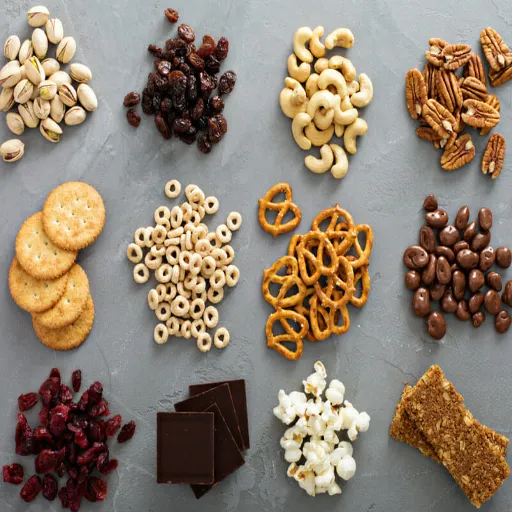
Healthy Snacks to Sell in 2026: A Manufacturer’s Guide to Better-for-You Production

The healthiest snacks to sell in 2026 are protein bars, roasted nuts, baked vegetable chips, air-popped grains, protein puffs, gluten-free crackers, functional gut-health snacks, plant-based legume snacks, low-sugar granola, and air-popped popcorn. Each category matches a specific consumer demand, high protein, low sugar, clean labels, or plant-based, and each can be manufactured profitably at scale with the right equipment.
What separates a trending product from a real business is production capability. Many entrepreneurs start with a popular recipe, then hit a wall when demand outgrows their kitchen. That’s where the right manufacturing approach changes everything.
In this guide, you’ll learn which healthy snacks are driving the most demand, how consumer health trends translate into manufacturing decisions, and what equipment you need to move from small batches to industrial-scale production. Whether you’re launching a new brand, expanding a private-label operation, or upgrading an existing snack line, this article gives you a practical roadmap.
Key Takeaways
- The global healthy snacks market is projected to grow from ~34.84 billion in 2026 to 34.84 billion in 2026 to 62.75 billion by 2035, driven by protein-forward, low-sugar, and clean-label demand.
- The most profitable healthy snacks to sell include protein bars, roasted nuts, baked chips, air-popped grains, and protein puffs, with margins ranging from 80% to over 300%.
- Manufacturing success depends on choosing equipment that preserves nutrition, baking, air-popping, extrusion, and microwave drying outperform traditional frying for health-positioned products.
- Mid-scale healthy snack production lines typically pay back in 18–24 months at 70% utilization.
- Health claims on labels must comply with local regulations, including substantiation for terms like “high protein,” “low sugar,” and “gluten-free.”
Why Healthy Snacks Are a High-Growth Market in 2026
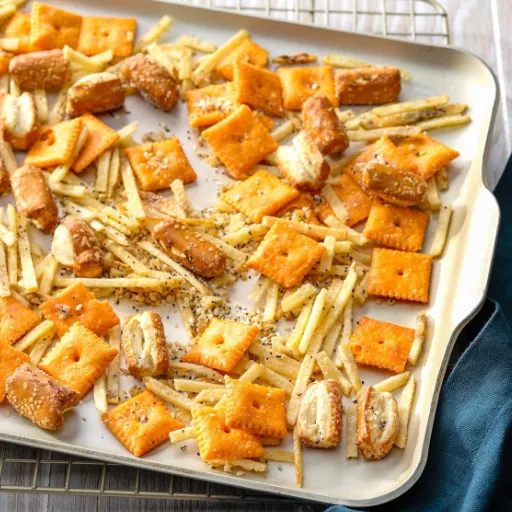
Healthy snacking is no longer a niche. It has become the default expectation for a large share of consumers. According to market forecasts, the global healthy snacks market is expected to reach approximately 34.84billionin2026andgrowto34.84billionin2026andgrowto62.75 billion by 2035 at a compound annual growth rate of about 6.73%. North America leads with 38% of the market, followed by Europe at 29%.
This growth is not accidental. Consumer behavior has shifted dramatically. Around 92% of adults consume at least one snack per day, and health is now one of the top purchase drivers. Shoppers are reading labels more carefully, seeking protein, fiber, and healthy fats while avoiding added sugars, artificial ingredients, and excessive sodium.
This gives manufacturers a definite advantage. Brands that can produce better-for-you snacks at scale, with honest labels and competitive pricing, are positioned to capture shelf space across supermarkets, convenience stores, e-commerce, and vending channels. E-commerce and subscription boxes have further expanded access, allowing smaller brands to reach national or global audiences without traditional retail gatekeepers.
Want to see how a complete snack production line supports this growth? Explore our food production line solutions to match your capacity goals.
Consumer Shifts Creating Manufacturing Demand
Several macro trends are reshaping what consumers buy and what manufacturers must produce:
- Protein-forward snacking: Protein content now influences roughly 47% of snack purchases. Consumers expect 10–15g of protein per serving in bars, chips, and puffs.
- Low-sugar and no-added-sugar products: About 41% of buying decisions are affected by sugar reduction claims.
- Clean labels: Around 62% of consumers read nutrition labels, and they prefer short ingredient lists with recognizable components.
- Plant-based and allergen-friendly options: Nearly 59% of consumers are gravitating toward plant-based snacks, while gluten-free and dairy-free demand continues to rise.
- Functional benefits: Gut health, immunity, energy, and probiotics influence roughly 29% of premium snack launches.
- Sustainable packaging: Recyclable and mono-material films are becoming standard, especially in Europe under the Packaging and Packaging Waste Regulation (PPWR).
These trends do not just influence recipes. They dictate equipment choices, packaging formats, shelf-life strategies, and regulatory compliance.
What Counts as a “Healthy Snack”?
A healthy snack is a nutrient-dense, minimally processed food that provides protein, fiber, and healthy fats while limiting added sugars, sodium, and artificial ingredients. It supports satiety, stable energy, and specific dietary goals without relying on empty calories.
This definition matters because it shapes both product development and marketing. A snack that is merely “low calorie” is no longer enough. Consumers want functional nutrition, transparency, and ethical sourcing. Manufacturers who understand this can build products that justify premium pricing.
Certifications and Claims That Sell
Certain claims can significantly increase purchase intent, but each carries regulatory requirements:
- High protein: Must meet minimum protein thresholds per serving in most jurisdictions.
- Low sugar / no added sugar: Requires accurate sugar content testing and labeling.
- Gluten-free: Must comply with FDA, EFSA, or local standards for gluten content.
- Organic: Requires certified organic ingredients and supply chain documentation.
- Non-GMO: Often verified through third-party certification.
- Vegan / plant-based: Must exclude animal ingredients and manage cross-contamination.
- Keto-friendly: Typically requires low net carbohydrate content.
Always verify local regulations before printing claims on packaging. Misleading health claims can result in fines, recalls, and lasting brand damage.
Top 10 Healthy Snacks to Sell in 2026
The following categories are selected based on consumer demand, profit potential, manufacturing feasibility, and alignment with 2026 health trends. Each includes the health positioning, equipment path, and scaling strategy.
1. Protein Bars and Energy Bites
Protein bars remain one of the strongest healthy snacks to sell, with category growth around 17% year over year. They appeal to fitness enthusiasts, busy professionals, and anyone seeking convenient nutrition.
The winning formula today is clean-label protein with 10–15g per serving, low added sugar, and recognizable ingredients like nuts, seeds, dates, and whey or plant protein. Subscription models work particularly well here because repeat buyers generate predictable revenue.
Equipment path: batch mixer → bar forming machine or extrusion former → cooling tunnel → flow wrapper.
Scale path: shared commercial kitchen → co-packer → dedicated nutrition bar production equipment.
2. Roasted and Flavored Nuts and Seeds
Roasted nuts and seeds offer some of the highest markup potential in the healthy snack space, with margins ranging from 150% to 315%. Raw almonds, cashews, pumpkin seeds, and sunflower seeds are relatively low in cost but command premium prices when seasoned, packaged, and positioned as functional snacks.
Health positioning focuses on healthy fats, plant protein, fiber, and low-sodium or spice-coated options. Gourmet mixes with chili-lime, turmeric, or sea salt cater to both taste and wellness trends.
Equipment path: cleaning/sorting machine → roasting oven → seasoning drum → cooling conveyor → vacuum packaging machine.
Scale path: small batch roaster → industrial nut roasting and packaging line.
3. Baked Vegetable and Fruit Chips
Baked vegetable and fruit chips carry a strong health halo. Kale, beet, sweet potato, apple, and banana chips can sell for 2–3 times the price of conventional potato chips because consumers perceive them as closer to whole foods.
The key manufacturing decision is baking or vacuum-frying versus deep-frying. Baked chips retain less oil and align better with low-fat positioning. Vacuum frying preserves color and nutrients better than conventional frying but still adds oil. Many successful brands use air-drying or low-temperature baking to keep oil content minimal.
Equipment path: washer/slicer → dryer or vacuum fryer → seasoning system → nitrogen-flush packaging line.
Scale path: food dehydrator → small vacuum fryer → automated baked chip production line.
4. Air-Popped and Popped Grain Snacks
Air-popped and popped grain snacks, including rice cakes, popped quinoa, and whole-grain puffs, are among the most profitable healthy snacks to sell. Their raw material cost is extremely low, and their light weight reduces shipping costs significantly.
These snacks appeal to consumers seeking whole grains, low calorie counts, and gluten-free options. They also serve as excellent carriers for flavor innovation, from sea salt and olive oil to savory herb blends.
Equipment path: grain conditioning system → popping machine or pellet expander → seasoning drum → flow wrapper.
Scale path: small popper → industrial air-popping line with automated seasoning and packaging.
5. Protein Chips and Savory Puffs
Protein chips and savory puffs are the fastest-growing segment of the healthy savory snack market. By fortifying extruded snacks with pea protein, whey, or ancient grains, manufacturers can deliver 10g or more of protein per serving while maintaining a crunchy, satisfying texture.
These products succeed because they satisfy cravings for salty, crunchy snacks without the nutritional trade-off of traditional chips. Baked or extruded-and-dried formats avoid the high oil absorption of frying.
Equipment path: mixer → twin-screw extruder → dryer → flavoring system → packaging.
Scale path: entry-level extruder → mid-scale twin-screw extrusion systems capable of 200–500 kg/h.
6. Gluten-Free and Ancient Grain Crackers
Gluten-free and ancient grain crackers serve a loyal, underserved customer base willing to pay premium prices. Millet, quinoa, amaranth, almond flour, and seed-based formulations offer gut-friendly fiber and a clean ingredient story.
This category works well for both retail and direct-to-consumer channels. Many brands build strong repeat purchase behavior by positioning their crackers as both healthy and versatile, suitable for snacking, cheese boards, and meal pairing.
Equipment path: dough mixer → sheeter → baking oven → cutting machine → cooling conveyor → packaging.
Scale path: shared bakery kitchen → dedicated cracker and biscuit production equipment.
7. Functional Gut-Health Snacks
Functional snacks targeting gut health can justify price premiums of 30–50%. These products include prebiotic fiber bars, probiotic bites, and adaptogen-infused snacks. The key is delivering a measurable functional benefit while maintaining taste and texture.
Fiber fortification is the most accessible entry point. Adding 3–6g of prebiotic fiber per serving supports digestive health claims without requiring live cultures. Probiotic snacks require more careful handling, including barrier packaging and refrigerated or shelf-stable strain selection.
Equipment path: mixer → forming equipment → enrobing or coating system → barrier-film packaging.
Scale path: co-packing partner → owned facility with climate-controlled production and packaging.
8. Plant-Based Snacks: Chickpea, Lentil, and Bean-Based
Plant-based snacks made from chickpeas, lentils, and beans align with the 59% of consumers moving toward plant-forward diets. These ingredients are naturally high in protein and fiber, allergen-friendly compared to nuts, and cost-effective at scale.
Roasted chickpeas, lentil chips, and bean puffs have moved from specialty health stores to mainstream supermarkets. They also work well in extruded formats, where legume flour can replace or supplement grain bases.
Equipment path: soaking/cooking system → dryer or extruder → seasoning drum → packaging.
Scale path: batch roasting → continuous extrusion or roasting line for consistent throughput.
9. Low-Sugar Granola and Cereal Snacks
Low-sugar granola bridges the breakfast and snacking categories. It has a long shelf life, works in bulk bins, single-serve pouches, and subscription boxes, and supports clean-label positioning when sweetened with monk fruit, allulose, or small amounts of honey.
The health angle is straightforward: reduced sugar, whole grains, and added protein or fiber. Granola clusters also travel well, making them ideal for e-commerce.
Equipment path: mixer → baking oven or drum roaster → cooling tunnel → cluster breaker → packaging.
Scale path: small bakery oven → continuous granola production line.
10. Healthy Popcorn and Whole-Grain Puffs
Popcorn is one of the most profitable healthy snacks to sell, with margins often exceeding 80%. Air-popped popcorn is naturally whole grain, low calorie, and high in fiber. When seasoned with natural flavors and minimal oil, it appeals to a broad audience.
Whole-grain puffs made from sorghum, millet, or brown rice offer similar benefits with more novelty. Both formats are lightweight, shelf-stable, and easy to flavor.
Equipment path: popcorn popper or extruder → flavoring drum → packaging.
Scale path: kitchen popper → commercial popper → automated popping and packaging line.
Manufacturing Equipment for Healthy Snacks
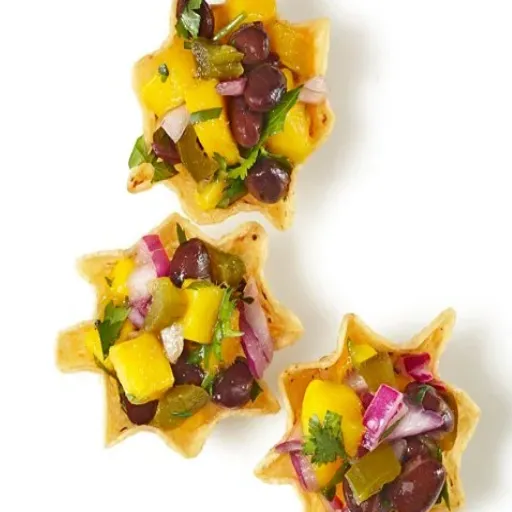
Choosing the right equipment is where health positioning becomes production reality. The wrong cooking method can undermine a clean-label recipe, while the right line can preserve nutrients, reduce oil, and scale efficiently.
Baking vs. Frying: The Health Decision
For healthy snack manufacturing, the cooking method is as important as the ingredients. Baked chips and crackers retain significantly less oil than fried alternatives. Air frying can reduce fat content by 70–80% compared to deep frying. Extrusion followed by drying, rather than frying, produces puffs and crisps with lower fat and consistent texture.
This does not mean frying has no place. Some vegetable chips still use vacuum frying to preserve color and crunch. The key is matching the cooking method to the health claim you want to make.
Core Equipment by Category
Most healthy snack production lines share a common workflow, even if the specific machines differ:
- Raw material handling: silos, hoppers, conveyors, and cleaning/sorting systems.
- Mixing and blending: batch mixers, ribbon blenders, or continuous mixers.
- Forming or extrusion: bar formers, sheeters, extruders, or molders.
- Cooking or drying: ovens, fryers, air fryers, dryers, or microwave systems.
- Seasoning: oil sprayers, seasoning drums, or coating systems.
- Cooling: cooling conveyors or tunnels.
- Packaging: flow wrappers, pouch fillers, vacuum sealers, or nitrogen-flushing machines.
- Quality control: metal detectors, checkweighers, moisture meters, and vision systems.
Industrial microwave drying equipment is particularly valuable for heat-sensitive healthy snacks. It dries quickly while preserving color, nutrients, and flavor better than conventional hot-air drying.
Equipment Investment by Production Scale
| Scale | Investment | Capacity | Best For | Typical Payback |
|---|---|---|---|---|
| Entry-level | 5,000–5,000–20,000 | 10–50 kg/h | Recipe validation, farmers markets, cottage food | 12–24 months |
| Mid-scale | 60,000–60,000–180,000 | 200–500 kg/h | Regional brands, private label, co-packing | 18–24 months at 70% utilization |
| Industrial | 200,000–200,000–600,000+ | 1,000+ kg/h | National or international brands | 12–18 months for high-margin products |
These figures are ranges. Actual payback depends on product margin, utilization rate, labor costs, and local market pricing.
Mini-story: When Priya launched her baked chickpea snack brand in Mumbai in 2023, she started with a small convection oven and hand-seasoned each batch. Demand grew fast, but her oil content varied batch to batch and her packaging could not keep the product crisp beyond six weeks. In 2025 she invested in a mid-scale roasting and seasoning line with nitrogen-flush packaging. Her oil absorption dropped by 35%, shelf life extended to nine months, and she landed her first supermarket chain. The line paid for itself in 20 months.
2026 Health Trends Shaping What Snacks Sell
Understanding consumer trends helps manufacturers choose the right product before investing in equipment. Here are the trends most likely to drive healthy snack sales in 2026.
Protein-Forward Everything
Protein is no longer limited to bars and shakes. Consumers now expect protein in chips, puffs, crackers, and popcorn. The sweet spot is 10–15g per serving for savory snacks and 15–20g for meal-replacement bars. Manufacturers should consider protein fortification during formulation and select equipment that handles dense, sticky, or heat-sensitive protein blends.
Low Sugar and No Added Sugar
Sugar reduction influences about 41% of snack purchase decisions. Natural sweeteners like allulose, monk fruit, and stevia are increasingly common, but each behaves differently in baking and extrusion. Recipe testing on production-scale equipment is essential before launch.
Clean Label and Transparency
Short ingredient lists win. Consumers avoid artificial colors, preservatives, and unfamiliar additives. This trend affects sourcing, formulation, and shelf-life management. Clean-label products often require better packaging barriers or shorter distribution cycles.
Plant-Based and Allergen-Friendly
Plant-based snacking continues to expand beyond vegans. Flexitarians, lactose-intolerant consumers, and parents seeking school-safe snacks all drive demand for allergen-friendly options. Legume-based and seed-based products are well positioned here.
Functional Benefits
Gut health, immunity, energy, and beauty-from-within claims are showing up in more snack launches. Prebiotic fiber is the easiest functional addition for most manufacturers because it is shelf-stable and blends into bars, crackers, and puffs.
Sustainable Packaging
Sustainable packaging is becoming a purchase driver, especially in Europe. Mono-material films, recyclable pouches, and reduced plastic use can differentiate a brand. Manufacturers should plan packaging line compatibility with these materials early.
How to Choose the Right Healthy Snack for Your Market
Not every healthy snack category fits every manufacturer. The right choice depends on your market, capital, and production strengths.
Match Trends to Local Demand
Regional preferences vary significantly. Southeast Asian markets may favor seaweed, mung bean, and tropical fruit snacks. Indian consumers increasingly demand millet-based products. North American and European buyers prioritize protein, low sugar, and clean labels. Research your target market before selecting a product.
Evaluate Nutrition Claims Carefully
Health claims must be truthful and compliant. Terms like “high protein,” “low sugar,” and “gluten-free” have legal definitions in most markets. Invest in nutritional testing and legal review before finalizing packaging.
Consider Shelf Life and Distribution
Fresh snacks like cut fruit or hummus have high margins but require cold chain distribution. Ambient products like bars, nuts, and popcorn offer simpler logistics and wider retail reach. Match your product to your distribution capability.
Start With One Health Positioning
Trying to be everything at once dilutes your message. Start with one clear positioning, high protein, low sugar, plant-based, or gut health, and expand once you have proven demand.
Need help matching a snack category to your production capacity? Contact Shandong Loyal for a customized equipment consultation tailored to your recipe and market.
Regulatory and Labeling Essentials for Healthy Snacks
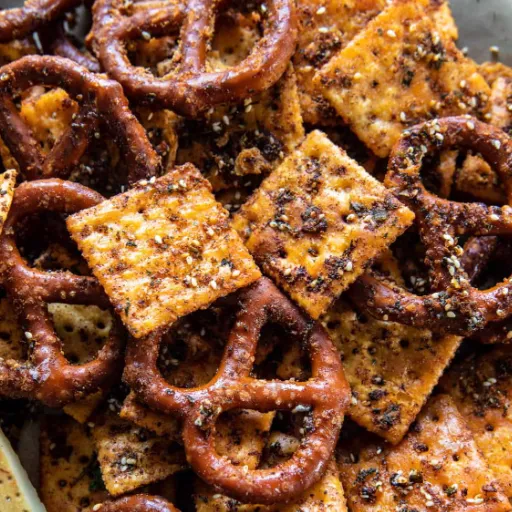
Healthy snack brands face more regulatory scrutiny than conventional snacks because health claims attract attention from consumers and regulators alike.
Food Safety Certifications
At minimum, manufacturers should implement HACCP and GMP protocols. For retail distribution, certifications like ISO 22000, BRC, or SQF are often required by major retailers. These standards demonstrate that your facility can produce safe, consistent products.
Health Claims and Labeling
Every claim on your label must be substantiated. Nutrition facts panels must include accurate values for calories, macronutrients, fiber, sugar, and allergens. Ingredient lists must be complete and ordered by weight. Allergen declarations are mandatory in most markets.
Facility Registration and Export
In the United States, food facilities must register with the FDA. In the European Union, products must comply with EFSA regulations. Export markets may require halal, kosher, or organic certifications depending on the target customer base.
Working with an experienced equipment supplier can simplify compliance. Shandong Loyal designs production lines with food-safe stainless steel construction and configurations that support international hygiene standards.
Mini-story: A snack startup in California launched a “low-sugar” protein bar in 2024 without verifying the claim against FDA thresholds. Six months later, a competitor complaint triggered a regulatory review. The company had to relabel 50,000 units and pause production for three weeks. The lesson: validate every health claim before it reaches the package.
Conclusion
Healthy snacks to sell are more than a trend. They represent a sustained shift in how consumers eat, shop, and evaluate food brands. The manufacturers who win in this space will be those who combine strong health positioning with scalable, compliant production.
The opportunity is substantial. The global healthy snacks market is on track to nearly double by 2035. Categories like protein bars, roasted nuts, baked chips, and air-popped grains offer strong margins and growing demand. But success requires the right equipment, honest labeling, and a clear understanding of your target market.
Whether you are starting with one product or expanding an existing snack line, focus on what your customer values most. Then build your production process around that promise. The right healthy snack production line will help you maintain quality, control costs, and scale with confidence.
Ready to manufacture healthy snacks at scale? Contact Shandong Loyal for a customized production line quote and recipe-specific consultation. Our team can help you move from concept to commercial production with equipment tailored to your specific snack category and capacity requirements.