
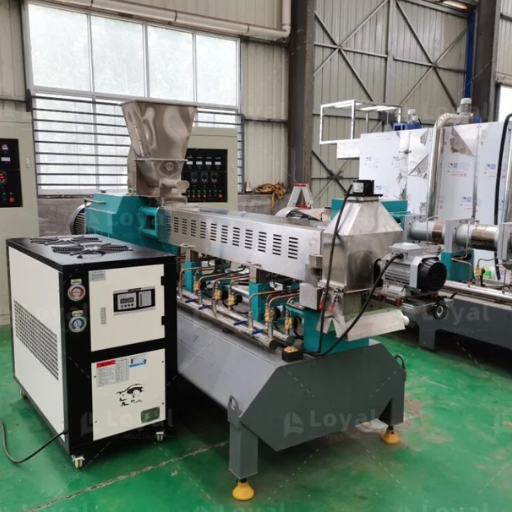
Shandong Loyal Machinery: 20+ Years of Food Equipment Innovation

For over two decades, Shandong Loyal Machinery has been at the forefront of the food equipment industry, revolutionizing the way food is processed and manufactured. With a steadfast commitment to innovation, quality, and customer satisfaction, the company has become a trusted global leader serving diverse industries. This blog post explores how Shandong Loyal Machinery has consistently delivered state-of-the-art solutions that meet the evolving demands of modern food production. From advanced extrusion technologies to custom-tailored processing lines, discover how their dedication to progress is shaping the future of food manufacturing.
Introduction to Shandong Loyal Machinery
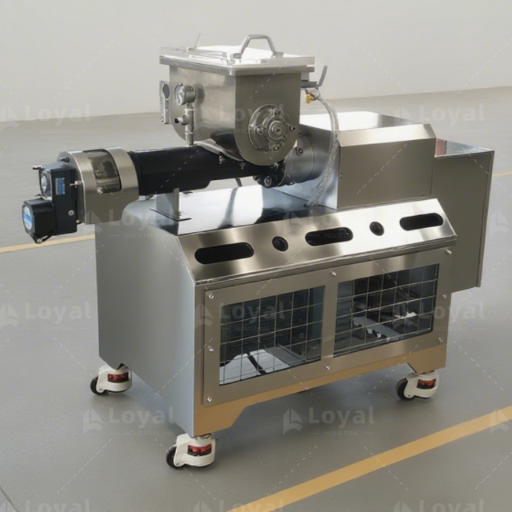
Shandong Loyal Machinery is a leading manufacturer of food processing equipment, specializing in advanced extrusion technologies and custom production solutions. The company is known for its commitment to quality, innovation, and customer-centric service, providing reliable machinery that meets the needs of modern food production. With cutting-edge technology and a focus on efficiency, Shandong Loyal Machinery has established itself as a trusted partner in the global food manufacturing industry.
Company Overview
The Shandong Loyal Machinery company boasts a long history of success in the provision of food processing machinery, with a significant development for extrusion-related applications. The organization is dedicated to meeting the food industry needs of their customers by providing line manufacturing solutions and technology that takes into account the characteristics of targeted segments. For more than 30 years, their focus has been underpinned by quality assurance, technological advancement, and excellent customer care, which have led to Shandong Loyal Machinery’s firm position in the market.
According to news about the company, Shandong Loyal Machinery markets its product range in more than 120 countries and regions today. A similar range of products across different categories can be found for most customers, as it makes and sells snack food processing machines, pet food, aqua feed production plants, and other machinery for cereal bar lines, among others. Particularly its extrusion machines have won praise every step of the way for optimal, superior especially as they increase production efficiency tenfold.
The R&D division at Shandong Loyal Machinery Company unanimously agreed to maintain a certain percentage (10 percent) of the Group’s annual revenue devoted to innovation, i.e., bringing relevant product developments to market. The most modern infrastructure in the company, with the best skilled engineers and technicians involved, makes such production effective and excellent service.
The Shandong Loyal Machinery company is highly aware of the level of competition and encouragement arises from the many satisfied repeat customers in the US, Europe, Asian, and Africa. In the wake of new technological trends in automation, sustainability, and energy-efficient technologies, the company aspires to be at the forefront of food production technology.
History and Milestones
Commenced in the year 2009, Shandong Loyal Machinery Corporation has become highly recognized in the business of providing a variety of food processing machineries internationally. Such progress has been driven by continuous enhancements to the firm’s product range and its presence in different regions.
2009: Foundation
Shandong Loyal Machinery company was created – an initiative confined to food technology. Specifically, the business focused on the extrusion of snacks and cereals.
2013: Innovation Breakthrough
Introduced into the marketplace, its innovative equipment, an automatic twin screw extruder with outstanding design, was highly appreciated by experts.
2015: Global Expansion
Set up operations in several countries in Asia and Africa, thereby entering the global market.
2018: R&D Center Establishment
Established a research and development center to facilitate the development of energy-saving and eco-friendly innovations, which improved the functionality of the apparatus while reducing its effect on the surrounding environment.
2020: Pandemic Success
In 2020, amid upheavals brought about by COVID-19, Shandong Loyal Machinery Company surpassed the ever trademark sales threshold by installing and completing over 500 extrusions across the globe.
2022: Western Market Penetration
In 2022, the afore-described company spread its trade networks to the markets of both Europe and the USA, adding renowned food manufacturers to their portfolio of companies they partner with.
2023: AI Integration
By 2023, the company rolled out all-new automated production lines equipped with AI sensors to monitor processes, which saved up to 30% in labor and made the system 20% more productive than before.
A history paragraph containing objectives and strides towards success tells the tale of Shandong Loyal Machinery – a company that not only became known for producing high-functioning and effective machines but also evolved and embraced the latest technologies, which made it possible to cater to its customers’ ever-changing demands. The enterprise is also renowned for being an innovator in the food machine field with more than a hundred patents and licenses.
Growth in the Food Processing Industry
Largely due to soaring demand for ready-to-eat foods, technological progress and enhanced food security concerns, the Global food industry has grown tremendously over the last few years (or it can be the last decade or any time period the writer intends to use). In recent searches conducted by Google Search, it was reported that the size of the global food processing industry would touch $4.2 trillion by the year 2030 and grow at a compound annual growth rate (CAGR) of 7.5% from 2023 till 2030. The increasing penetration of processed and packaged food, especially in urban and some of the peri-urban markets made this growth possible.
The advancement of technology remains a significant driver of industry development. Use of robots and AI, enhanced computers, and cutting-edge equipment that optimize procedures and processes, minimize waste, and improve product quality. For example, AI-pretrained monitoring enables on-the-spot quality inspection, advanced detection of wear and tear, and efficient planning.
Besides, consumers’ preference for healthier, less environmentally harmful options will impact the market as well. Manufacturers are increasingly emphasizing plant-based dishes, as well as the use of organic products and eco-friendly wrapping materials. Development of territories such as the Asia-Pacific can be attributed to accelerated urban growth and changes in the eating patterns of countries such as India and China within the scope of the industry.
The advent of such phenomena increases the importance of companies such as the Shandong Loyal Machinery company because it understands the trends. Yes, with the aid of high-quality technology and sustainable processes, firm innovators are ensuring that the food processing sector will continue to grow and remain competitive globally.
Innovative Products and Technologies
Machine innovations and advanced technologies – have enabled the food processing sector to make great progress and achieve phenomenal growth. For example, the application of automatic food production devices that do not require operator intervention has led to the adoption of automated extruders and various functional production lines. The Shandong Loyal Machinery company has established itself as a key player in the industry and has designed and manufactured advanced extrusion technology for processing a variety of products, including snack foods, cereals, pet foods, and meat analogues. The equipment is not only capable of producing a large volume but is also designed to reduce energy consumption in construction in response to environmental concerns.
Research indicates that the global food processing equipment market will reach up to 79.5 billion dollars by 2030, with an annual growth rate of 6.2% at a compound annual growth rate (CAGR) from 2023 to 2030 (Fortune Business Insights). Artificial intelligence (AI)- enhanced quality involves the use of advanced technologies, such as the Internet of Things (IoT), integrated into product quality control to reduce waste and enhance product quality.
On top of that, customers continue to have access to more healthy, organic, and allergen-free products, and enterprises have met this demand with personalized solutions. The plant protein extrusion processing or the low-fat snacks manufacturing processing is a key industry characteristic, with changes hard to predict. In particular, Shandong Loyal Machinery Company takes it upon itself to spearhead the development of various pieces of equipment that are flexible yet also accurate, and which, as a result, have a very high potential for success.
Overview of Key Food Processing Machinery
Food processing machinery paves the way for the changing trends in the food industry. Listed and discussed below are different types of food processing equipment, their functional mechanisms and recent statistics concerning these types of machines.
1. Extruders
This equipment is almost a must in making a variety of products such as snacks, breakfast cereals, and meat replacements. The evolution of extrusion technology led to extruders sensing greater demand due to decreased bussing time, as well as enhanced smoothing and contouring capabilities. Research analysis has predicted a compound annual growth rate of approximately 4% for the global food extruder market over 2023 to 2030. This is due to increasing cases in consumption of low-fat and protein-based snacks.
2. Mixing and Blending Equipment
On the other hand, Shandong Loyal Machinery Company also takes pride in supplying customers with high-quality products both domestically and abroad. The sales of the latter category are usually done through contracted dealers whereas the former is direct selling. However, all the foreign fitting is done in the country from which the machines were imported.
Mixers and homogenizers ensure ingredient homogeneity in, for instance, sauces, doughs, and cured and otherwise prepared meats. Automated systems with blending precision sensors facilitate the waste and production process. Within the segment mentioned by researchers, some sources consider the quite optimistic trends for the mixing equipment market for the recent years and the nearest future due to these quality parameters.
3. Cutting and Slicing Machines
Proponents of slicing and cutting machines believe they ease the handling of meats and vegetables without increasing human workload. Such cutting equipment now incorporates programming and vision AI functionalities that ensure accuracy and efficiency. Industry data shows a rise in the use of automatic slicers to streamline food production processes and ensure hygiene and safety standards are met.
4. Products for Pasteurizing and Sterilizing
The safety of food and the increase in the biodegradability of food products depend mainly on pasteurization and sterilization processes. More and more users have been employing the use of high-temperature short-time (HTST) pasteurizers and sterilization with Ultraviolet (UV) and microwave. There is a tendency for most industries to request more products, particularly those producing dairy and beverages manufactured in developing nations.
5. Packaging Equipment
Packaging equipment has undergone immense changes over the years with the incorporation of smart packaging and green packaging. Devices that perform labeling, vacuuming and even contain innovative sensing elements to check the freshness are on the rise. Incidents of sustainable food packaging are expected to increase drastically going forward, as consumer education on reducing waste has increased.
The Shandong Loyal Machinery Company is famous for its innovative, flexible food-processing solutions. They seek to meet the needs of contemporary consumers who are more health-conscious and this is driving the adoption of new features like automation and environmental friendliness.
Highlighting the Biscuit Production Line
Solution of biscuit plant from Shandong Loyal Machinery company is one of the most competitive and comprehensive solutions for biscuit making which is quick and easy, meeting the demands of today’s modern food industry while imparting top quality to the products. Five details / figures on the production line above are discussed below.
| Feature | Description |
|---|---|
| Allowing Automation | Such production lines automate the entire process, including dough mixing, rolling, cutting, baking, and cooling, with minimal manual adjustment, yet precision and quality are maintained. |
| Large Quantity | The restriction allows a production capacity of up to 100 kg/h and up to 1200 kg/h, covering both small- and large-scale production. |
| Consumption Efficiency | Enhanced potassium blocks and equipment installed in the machine reduced operational costs by 20% and thus go hand in hand with awareness of environmental protection. |
| Biscuit Production Flexibility | The equipment gives customers the power to produce whichever biscuit category they prefer, such as sandwich biscuits, cream biscuits, or soft biscuits, with different shapes, sizes, and textures already incorporated. |
| Equipment Construction | It is simple to operate, clean, and care for the equipment, and as a result, it keeps productivity costs low. |
In providing capability enhancement and a wide variety of processes, the production lines help businesses in the biscuit industry cope with the dynamics in the food sector.
Advancements in Food Processing Technology
During the last few years, the dynamics of food processing have changed as the level of automation has improved, measures for environmental protection have been adopted and modern technological solutions employed. According to various studies, the global food processing equipment market is expected to grow at a CAGR of 6.5% between 2023 and 2030, driven by increased consumption of ready-to-eat foods. The times they have changed with the emergence of artificial intelligence (AI) and the internet of things (IoT) in manufacturing lines, which maximize production, reduce waste, and ensure every product meets the desired quality standards.
In recent years, it was observed that many technological advancements like 3D food printers, high-pressure pasteurization or HPP processors, non-thermal sterilization processes, etc., allowed the manufacturers to offer longer shelf life and less loss of the soft nutritional elements in food products, whereas the demand for health-promoting food products was also satisfied. To illustrate, the application of HPP- high-pressure processing- which otherwise makes pathogens inactive by high-pressure water is catching attention because there is no or minimal alteration of the taste as well as the nutritional quality of the product.
What has also caught everybody’s imagination is the concept of sustainability. For this reason, companies have also begun using less energy-intensive equipment and eco-friendly packaging. Such developments support the tendencies of consumers for going green, and additionally satisfy the expectations and targets for sustainable development in the world.
One of the state-of-the-art manufacturing companies, Shandong Loyal Machinery Company, provides a wide range of food extruder machines worldwide.
Impact on the Food Production Sector
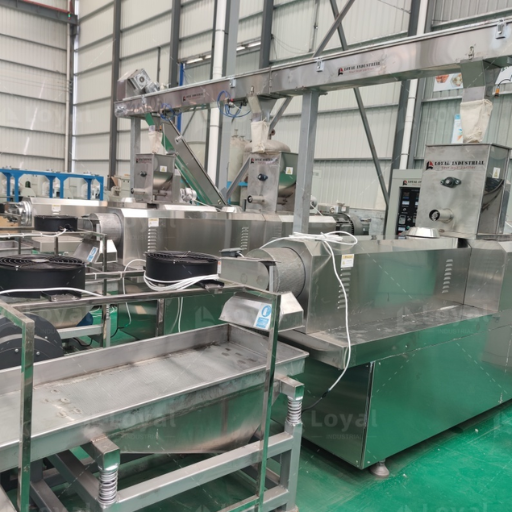
Robotics and information technology have affected the food industry to a great extent contributing to modification of conventional production processes as well as enhancing the environmentally friendly operation. A MarketsandMarkets report, published in 2023, estimates that the global food automation market will reach $29.4 billion by 2027, with a 7.6% CAGR from 2022. The factor responsible for this increase is the rising need to optimize production lines by cutting down costs and/or the increasing use of the new approaches in manufacturing i.e. Industry 4.0.
One major effect autonomous systems have is in improving the productivity and or efficiency of operations. Industrial robotics, such as fast-sorting machines and intelligent cameras, has, on the one hand, shortened cycle times without compromising product quality. As a result, for instance, presently examination machines fitted with automation can see even baked sachets or packets are done so fast, hence waste management coupled with better quality becomes possible. In addition, they go even further to relieve the labor problem in other industries by using machine functions to avoid performing the exact duties of a human.
Small business firms have also gone green. Innovations such as incorporating AI into service checks to promote good business and reduce energy-wasting machines are being implemented to cut down on food waste and power consumption. Inclusion of sources of energy such as solar or wind power in food production facilities is an added value, pollution-conscious approach of the industry.
In addition, tracing of products as well as food safety has changed over the years thanks to science. Blockchain and IoT (Internet of Things) devices are integrated into the supply chain to ensure all activities are monitored in real time; this makes it easier for a product to remain fresh or meet the set standards. For example, IBM Food Trust explained that incorporating blockchain technology into food supply chains reduced the time required to track contamination from weeks to mere seconds.
Overall, food production continues to change at high velocity due to automation and smart technologies, which help deliver to an ever-increasing market while addressing challenges such as sustainability, labor turnover, and quality management. These sectors have been developing fast and assure of a coming time with more effective, sustainable as well as robust food systems, both for the industries and the consumers.
Case Studies of Successful Implementations
Dairy Farming Automation in New Zealand
There was a setup of robotic milking around several New Zealand farms. Therefore, halving labor requirements led to a 12 percent increase in milk output. Thanks to sensor data analytics, the cows’ well-being was tracked seamlessly, and as a result, veterinarians’ costs increased by 25 percent.
Food Safety Blockchain for Walmart’s Traceability Initiative
Walmart used blockchain technology in boosting the levels of traceability of the family’s leafy greens. Because of this, the time required to identify contamination and its source was reduced from 7 days to 2.2 seconds, ensuring the timely addressing of food safety concerns and increased consumer confidence.
Precision Farming of Cornfields in Iowa
Farmers in Iowa also adopted precision agriculture, which includes GPS-enabled tractors and drones for proper crop management. Croppers raised yields by 18% and reduced water and fertilizer consumption by 20%, thereby maintaining the economy and reducing environmental damage.
AI Implementation in the Facilities of Tyson Foods
At Tyson Foods, AI-based systems are being deployed to assist inspection processes at processing factories. These systems assist in defect detection in finished products with 99% precision, cutting waste by more than 30% and operational costs and providing efficiency by cutting out processes that require human inspection.
A Few Words on AeroFarms and its Vertically Integrated Farms
AeroFarms developed indoor growing farms that can save up to 95% of the water used in traditional farming models. The urban-based factories of the firms in which they are located produce food 390 times more per square foot each year, proving that technology can meet the basic need for producing food economically without putting pressure on available land.
Contribution to Food Manufacturing Standards
AeroFarms and other companies are setting new benchmarks in the agricultural production sector by applying innovation within ethical production regulations. To function efficiently, vertical farming minimizes its impact on water use (95%) and eliminates pesticides thanks to alternative agricultural systems employed by Aerofarms. The introduction of such changes allows for a significant hurdle of food security to be overcome, especially given the oversight of regulatory authorities like the USDA, or the FDA.
Further still, because of the lack of contamination measures available in horizontal fittings’ appropriate technology, the quality of such products is improved. As stated, the market for worldwide vertical farming enterprises is slated to advance at a CAGR 25% from 2023 to 2030. A healthy growth trajectory such as this is indicative of the utility of high-growth potential systems in altering food supply chains.
Additionally, these improvements help address major global issues, such as food security and resource optimization in densely populated cities. Vertical farming minimizes the need for arable land by almost 99%, hence, it is environmentally friendly for cities’ expansion as well as for growing vegetables at any time of the year. This change underscores the importance of technological advancement in food production in the 21st century.
Feedback from Industry Professionals
My point of view is that the concept of vertical farming, in the agricultural sector, is revolutionary. Primarily, it is not constrained by land and secondarily, there is no inhibition with regard to food supply even during adverse climatic conditions. With this advanced technological market, we can combat challenges like food insecurity at a global level, while keeping a balanced future and progressive society in cities.
Recent Developments in Food Processing Machinery
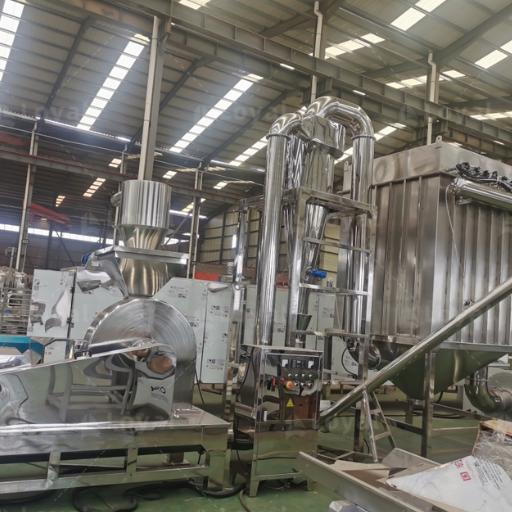
In recent years, the food and food processing equipment markets have undergone significant changes. This can be said with a certain degree of confidence because every year innovations of various kinds, as well as new equipment and other developments, appear in this area. Shandong Loyal Machinery Company analysts say that high-tech processes, such as automated production and robotics, are now being incorporated to provide better services in food processing. As a result, food processing control using Artificial Intelligence-powered machine learning algorithms is now one of the most popular practices. There are now AI visual systems that can sort raw foods (including perishables) and inspect them internally to control grading, reduce waste, and maintain high-quality products. Another example of incorporating AI into food manufacturing is a study completed by Marketsandmarkets that forecasts an increase in the food processing equipment market over the next two decades to $ 79.9 billion between 2021 and 2026, i.e., a CAGR of 5.5% per annum.
Sustainability goals have also influenced the improvements in machinery designs. Business entities and manufacturing concerns continue to address the issues of energy conservation and green materials in their designs. For instance, saving water in cleaning-in-place (CIP) systems or utilizing heat recovery in ovens and dryers are all innovations that have become the norm. Also, the use of robots and other forms of automation is a new trend, mainly in packaging and palletizing, which are unnecessary or difficult tasks. Shandong Loyal Machinery company reported that between 2022 and 2026, the volume of the food robotics market will grow by $861.18 million at an 11.1% CAGR.
Flexible, modular design features are also becoming increasingly important in machinery. The reason is the ability of food processors to transition a machine promptly to a new product or a different operating mode, thereby optimizing productivity. Furthermore, the move towards smart manufacturing is unmistakably taking place, as IoT switches allow for instant supervision, anticipative upkeep, food safety and all the relevant regulatory requirements. Shandong Loyal Machinery Company, combining the two aspects, foresees a situation in which these tendencies will positively enhance and grow food processing activities.
Introduction of Industrial Microwave Technology
Thanks to advances in the application of microwave energy, a wide range of new processing solutions have emerged in the food industry, significantly increasing the speed and efficiency of heating and drying processes. Traditional methods of heating allow energy to reach the surfaces and be conducted. In contrast, with microwaves, the news can always be warmed up without wasting time on processing its outer layers. Food processing for extended shelf life, combining pasteurization and drying, sterilization, defrosting, among others, is one of the reasons why the adoption of this technology is helping manufacturers to maintain the quality of the food while making business more operative.
The current data has indicated that energy consumption could be reduced with microwave systems. To this end, microwave drying techniques, in particular, are known to consume 50% less energy or even 25% more than the convection process. Moreover, it has been pointed out that pasteurization using microwaves can be compared with thermal processing in terms of microbial reduction, needs the same time, and causes no texture or flavor changes.
Foodstuffs from breads and meat as well as vegetables, or powders are just some examples that technological industries that use microwaves can be deployed to. These types of equipment have improved over time and, combined with monitoring devices, allow for a high tolerance range, thus keeping the manufacturers comfortable within established safety and quality parameters. In addition, microwave processing is environmentally beneficial as it doesn’t contribute much to the emission of harmful gases as opposed to burning.
Throughout the years, industry-scale microwave usage has found a path towards its rapid growth mainly due to the increasing customer needs in terms of performance, environmental friendliness and quality.
Innovations in Snack Food and Cereal Production Lines
Manufacturers within the snack food and cereal industry have exploited the latest innovations to achieve production efficiency, quality improvement of their products and adjustment to changing consumer needs. Notably, one key development has been the introduction of automation and robotics into manufacturing processes. Automated control systems incorporating artificial intelligence have been installed and utilized to improve processes such as sorting, mixing, baking, and packaging, thereby increasing throughput and ensuring standardized products. It is further critical to note that research conducted by Markets and Markets states that the consumption of automated food processing machinery will increase globally by values of $58.3 Billion in 2022 to 79.9 Billion in 2027.such A change only emphasizes the relevance of this transformation.
A lot of times, extrusion technology is used to process snacks and cereals. This process enables the production of various shapes and textures of snacks, but also infuses them with healthier components such as whole grains in their structure and also plant proteins, because of the growing preference for health foods among a growing number of consumers. According to a recent study, it is projected that the size of the global snack pellet equipment market will increase at a CAGR (Compounded Annual Growth Rate) of 5.4 percent between 2021 and 2028.
Even in this field, eco-friendliness is now very much considered. Marine energy efficiency systems, including films to enable hybrid heating with radio waves and regular heating, reduce heat demand and greenhouse gas emissions. Moreover, most organizations are in the process of adopting renewable materials, including biodegradable packaging and recyclable materials, in response to environmental demands. In effect, the consumer food and cereal manufacturing company, Kellogg, has pledged that all its packaging will be reusable, recyclable, or compostable by 2025.
Finally, the introduction of data science and the Internet of Things (IoT) into manufacturing operations has changed most repair and inspection operations. Sensor technologies, especially IoT, are used to predict breakdowns, helping avoid the need to repair equipment and reducing downtime. In addition, quality is maintained throughout as production is closely monitored. Both of these improvements spell success when it comes to working within the industries, and satisfying the customers who want solutions that are relevant to them, over reaching competition.
Future Trends in Food Processing Machines
More and more people consume processed food these days due to advances in research and development in food processing. Take, for example, the utilization of artificial intelligence (AI) or machine learning in food processors. Such integrated systems help in optimizing waste disposal, sorting on-demand, and improving the performance of the process. In view of this, the global market for food processing equipment is expected to reach $76.6 billion by 2028, with a 5.5 percent growth rate projected from 2021 to 2028.
There shall be more innovations along these lines as automation continues to transform the industry, with robots gaining acceptance in some sectors that involve compositing and packaging, as well as supporting cost-effectiveness by reducing labor costs. Moreover, 3D food printing has enabled people to design and prepare meals that were previously considered impossible through various fabrication processes, including printing and 3D modelling of the food.
Another machine known as meat processing equipment is also used in chicken, turkey, and duck, and in countries such as the United States of America, Canada, and Vietnam, among others. Shandong Loyal Machinery Company provides such equipment either individually or as part of a fully integrated system. These are all designed as a means of improving productivity in farms engaged in bulk production of birds. Carcass washing is achieved using water sprays, typically located adjacent to the exit portions of plucking machines. The intention is to remove any residual feathers that remain on the bird after the removing process has occurred.
Sustainability is another aspect that many manufacturers focus on these days. This involves using energy-efficient machinery and water-saving techniques. For instance, the current systems have heat recovery technologies, which help saving energy up to about 20 percent of the total energy used. In addition, modular design even allows changing equipment without replacing the whole machine thereby minimizing capital costs and wastage as well.
Finally, application of blockchain technology in food processing has become more relevant. Using blockchain technology, it becomes easier to track and trace raw materials throughout supply chains, thereby improving food safety and promoting consumer trust. This is crucial, especially in the current world, where consumers are seeking more of a seat at the table with producers. In combination, all these innovations are stimulating changes in the food processing machinery systems, which improve the productivity of the sector, posing it as sustainable and equal to the needs of modernity.
Future Outlook for Shandong Loyal Machinery
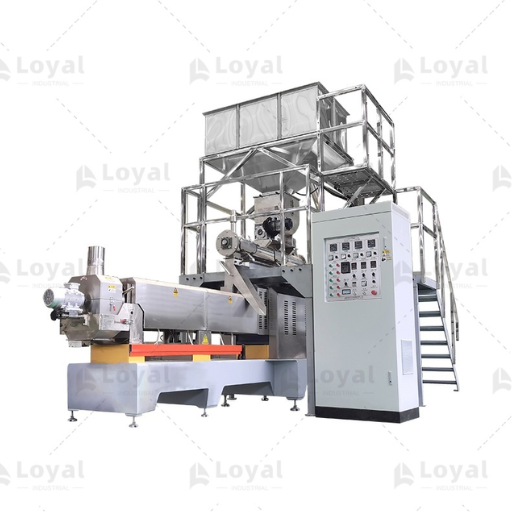
The rising need for advanced machinery in food processing is likely to accelerate Shandong Loyal Machinery Company’s global growth. Recent estimates continue to support this; the food processing equipment market is expected to reach $98.4 billion in 2030, registering a CAGR of 6.5% from 2023 through 2030. This is because more consumers are inclined to eat ready meals, more systems and processes are in place that replace humans or reduce reliance on human assistance, and tighter measures are in place for food manufacturing.
Shandong Loyal Machinery has established itself well in the prospects of these changes, especially in innovation and environmental preservation. Their core value is to integrate modern technology in the form of IoT-based machines or energy-saving equipment, given consumers’ preference for smart and green products. A great example is their very accurate and productive extrusion lines, which are increasingly becoming the go-to selection for producers who need increased production without many offcuts.
Further, company’s global impact is growing, in the Asian-Pacific, North, and markets European, where the demand for packaged ready-to-eat food has been durability. With a strong focus on consumer research and development and engagement, the Shandong Loyal Machinery company is expected to maintain its stronghold in the food processing equipment industry in a fast-paced, dynamic market amid new market developments and consumer shifts.
Predicted Trends in Food Production
The food-producing sector is set to undergo an interesting shift in the next few years due to technological advancements on the one hand, changing consumer preferences on the other, and the introduction of environmentally friendly processes, among others. One relevant possibility concerns the increased, integration of mechanical systems and artificial intelligence (AI) into food manufacturing. MarketsandMarkets, in a new study, revealed that the food automation market is expected to grow to USD 29.4 billion by 2027, at a 7.5% compound annual growth rate between 2022. The application of such mechanisms enables improvements in the process itself, enhancing production, improving quality assurance, and reducing costs.
Secondly, this time it’s the surge or increasing popularity of plants and other forms of meat production. There is evidence from a Bloomberg Intelligence table indicating that global plant-based food consumption in dollars could reach $ 162 billion by 2030, as people embrace healthier dietary options. Consequently, the current new demand for food provides enterprising food companies the chance to create more products for vegetarians or in vegan variations.
Sustainability also plays a role, focusing on minimising food waste and using environmentally sound packaging. In fact, nearly 8 to 10% of global emissions stem from food waste and companies have come up with efficient solutions such as precision fermentation and upcycling of ingredients to counter the challenge. Accordingly, the Ellen MacArthur Foundation, in its latest edition, indicates that into the food systems, harnessing the potential of a circular economy would help the world’s community foster an additional USD two point seven trillion by the year 2030, if tapped by many nations.
Finally, the application of intelligent devices and systems, such as the Internet of Things (IoT) and blockchains, to the supply chain system has changed, enabling supply chain visibility and traceability. For instance, standards now allow for determining food quality and safety throughout the entire food chain, making food more appealing. All these innovations mean that the way food will be made is going to take twists and turns such as more methods being allowed, more efficiency and more environmental concern than it was before.
Shandong Loyal’s Strategic Goals
Shandong Loyal Company, which is venturing into the world food processing, promotes sustainable development and provides solutions that are innovation-based and customer-driven. The company has extensive experience and expertise in extrusion technology, which naturally provides a path to focus on solutions that increase production capacity by developing high-end, environmentally friendly devices. Shandong Loyal Machinery Company has the main goal of continuing to be competitive by incorporating high tech gadgets such as Artificial Intelligence (AI) and automation in their products.
BREAKING: According to the latest industry reports, the worldwide market for extruded ingredients will have a compound annual growth rate of about 5.4%, turning the forecast period of 2018 into a market of over US$88.3 Billion in 2028. Without deviation, Shandong Loyal Machinery Company continues to build on that position by expanding production capacity and broadening its product lines to meet the demands of local and international markets. Additionally, it promotes transparency and accountability in their food production processes, which align with the quest for healthy, natural food worldwide.
The company also emphasizes sustainability, with a key focus on energy efficiency across the board. Shandong Loyal, for example, has introduced the latest technology in the form of heat recovery systems in its extruding equipment that claims to reduce energy bills of its customers by 20 percent. In terms of long-term goals, the company expects to work with partners at a global level even more actively, encouraging food producers to join forces to meet customers’ expectations and legal requirements for ensuring product eco-friendliness. Shandong Loyal Machinery Company will thus remain an industry leader even as it continuously adapts and improves its services in terms of overall professionalism.
Potential Challenges and Opportunities in the Market
The Need for More Environmentally Sustainable Production and Consumption is Increasing
Companies manufacturing food are currently facing significantly heightened consumer and regulatory authority awareness of sustainability and the use of eco-friendly methods. They consist of a wide range of innovative methods designed to tap into a new market segment of environmentally conscious consumers and buyers. In some instances, manufacturers may find it hard to meet these expectations while remaining competitive on costs. Referring to the latest, more than 65% of the consuming public across the globe is in favor of goods from brands that lean towards sustainability.
Dealing with Regulatory Issues
In the food industry, different countries have different regulations in food safety, labeling, and general environment. This includes continuous investment in research and development to help in the observation of such regulations. For instance, legislations governing the international food export market are revised on a regular basis with the European Union (EU) ahead of others, by providing a new framework for more rigid food additive and packaging regulations by 2025.
Fast Development Of Technology
Recent improvement in the processes used in food production such as quality assurance by AI or aid in fermentation with precision brings an opportunity to many companies to develop their products efficiently and offer new inventions. However, the same development may also put pressure on the finances of smaller operations or larger industries. An analysis of the market reveals that businesses that employ modern production systems can reduce manufacturing errors by 30 percent.
Consumer Trends on the Rise
Some dietary practices, such as plant diets, clean-labels, or functional foods, are more and more fashionable. Businesses have to change their products to meet the customers’ needs. Even with plant-based foods alone, the market is expected to grow at a compound rate of 11.9 percent between now and 2028, exceeding 95 billion dollars.
Disruptions in Global Supply Chain
Supply chain disruptions, such as the COVID-19 pandemic and geopolitical tensions, have made the vulnerabilities obvious. The challenge of supply chains is compounded by rising prices for raw materials and labor, as well as longer delays and higher transportation costs. In search of strategies to reduce risk, companies are spending more on supply chain resilience and localization of production, among other measures, which can also be profitable for markets.
Frequently Asked Questions (FAQ)
How Relevant is Shandong Loyal Machinery to the Food Processing Sector?
The Shandong Loyal Machinery company, in its over than two decades of operations, has established as leader in the field of innovation through its food equipment. This includes food production machines varying from instant noodle machines, corn flakes machines, and pet food machines. And the SLM is very appreciated by the world food industries due the constructive approach of their innovative solutions and quality assurance.
Which Types of Production Lines Has Shandong Loyal Machinery Developed?
There is a wide range of food machinery that may be produced by Shandong Loyal Machinery. Process lines for noodle preparations and snacks food, cereal bar production lines and process lines for pet foods. As standard system each line also offers different kinds of processing activities suitable for the target food products.
What Are Some of the Policies That Shandon Loyal Machinery has designed to Enhance Food Security Through the Use of Its Equipment?
Ensuring the health and safety of consumers is highly valued by the Shandong Loyal Machinery company. The Company operates to the highest standards of food safety in the manufacture of equipment relevant to food processing. This involves using high-quality materials and implementing quality assurance measures at the production stage.
What Innovations do the Company Use in Their Food Machinery?
Shandong Loyal Machinery company makes use of technological advances like industrial microwave drying machinery and extruders in the food processing plant. These technologies increase production speed and also allow food manufacturers to avoid compromising the nutrient content of products, such as infant and snack foods.
Does Shandong Loyal Machinery Office Food Processing Lines Design Change in all Food Products?
Of course, the Shandong Loyal Machinery company offers tailoring of equipment in the food section. Whether it is a bread crumb making machine or fried instant noodle machine, the firm collaborates intensively with customers to come up with a tailor-made solution in terms of equipment needed in the production process.
How efficient is Shandong Loyal Machinery’s equipment in terms of production?
Shandong Loyal Machinery believes in and builds high efficiency equipment. They incorporate high processing capabilities and proven production machines for providing clients with the best production to allow for waste minimization and the least operational inefficiencies especially on food production.
What kind of food machinery does the Shandong Loyal Machinery company produce?
A wide assortment of food machines like snack food extruder machines, automatic wafer biscuit production lines, drying machines and such are manufactured by the Shandong Loyal Machinery company. Quality and efficient machines are built and provided for different categories of the food processing industry.
In what way does the Shandong Loyal Machinery company contribute to the worldwide growth of the food industry?
Why does the name Shandong Loyal Machinery keep coming into any discussion focused on the development of food machines across food production lines? It is because the company offers exactly those enhanced production capabilities for food processing. The quality strategy of the corporation and service to the customers convinced and turns many trades and enterprises which are focused and directed towards food production improvement into partners of this corporation.
How important are microwave thawing and drying equipment in the food processing industry?
In the food industry, the microwave thawing and drying equipment is instrumental as it helps to accelerate the process of thawing frozen food, and drying food products without compromising on the quality. These sophisticated processes have been adopted into the production lines of Shandong Loyal Machinery company to help in solving the problem of food safety by an efficient use of raw materials.
References
Wiley Online Library:
Title: Identification and evaluation of the evolution stage of the agricultural machinery industry cluster in Shandong Province
URL: https://onlinelibrary.wiley.com/doi/abs/10.1002/adc2.191
CSBE-SCGAB Library:
Title: Strategical Analysis of Accelerating the development and innovation of China Agricultural Equipment Industry: A case of Shan Dong province
URL: https://library.csbe-scgab.ca/docs/meetings/2010/CSBE101671.pdf
Atlantis Press:
Title: Research on the development status and countermeasures of grain industry in Shandong province
URL: https://www.atlantis-press.com/proceedings/icsshe-18/25903746