

2D/3D Snack Pellets Production: Shaped Snack Innovation

The snack food industry is ever-changing due to the emergence of new technologies and the development of new human dietary habits. With the inclusion of 2D and 3D snack pellets into the food industry, this trend has been taken to another level of improvement, where manufacturers are able to create munchies as a result of the new approach. The place of these designs in shaped snacks remains paused before consumers, whereas they are well deployed by the producers for several reasons, including but not limited to facile structuring. This blog will delve into the exciting universe of 2D and 3D snack pellet manufacturing, where all production gadgets and methodologies, product differentiation in the sector, and their implications on the industry as a whole will be discussed. Not only will the development of snack products be viewed from a new perspective on food technologies, but also be conceivable to the most common observers.
Overview of Snack Pellet Production
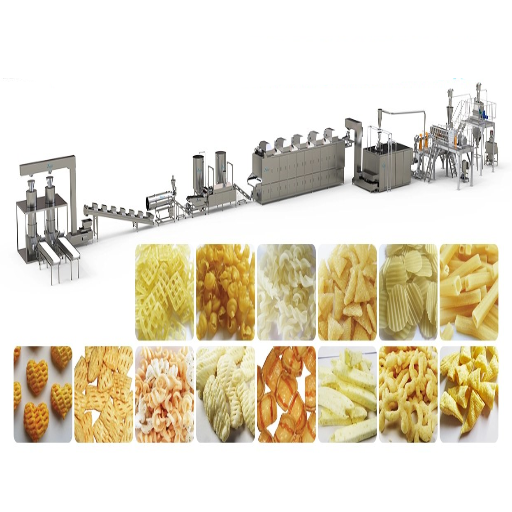
Snack pellet production requires potato starch and wheat, corn, and other cereals as raw materials to produce semi-finished products that remain stable on shelves. The process begins with mixing all ingredients until they reach a state where the dough can be processed through extrusion or molding methods. The production process enables operators to create export-ready products by cutting pellets into two-dimensional or three-dimensional shapes, which they then dehydrate to achieve an extended shelf life. The pellets undergo various expansion methods, including frying and baking, and air popping, which result in different textures and flavor profiles. The snack industry manufacturers prefer this method because it enables them to create customized products while achieving operational efficiency.
What are Snack Pellets?
Snack pellets serve as intermediate production components that manufacturers use to create ready-to-eat snacks. Manufacturers create potato and cereal, and legume snack pellets by processing these raw materials into a dense and pliable dough through mixing, extrusion, and molding methods. The process of shaping snack pellets into their final form requires dehydration because it extends their shelf life and simplifies their storage and transportation. The food undergoes expansion through frying or baking, or air popping, which produces its ultimate flavor, texture, and shape. The production method provides manufacturers with multiple options, which enable them to produce different snack products that meet the requirements of various markets.
Types of Snack Pellets: 2D vs 3D
Snack pellets can be divided into two main categories, which are based on their physical structure and their manufacturing process; this division includes 2D pellets and 3D pellets.
2D Snack Pellets
2D Snack Pellets have a flat shape that exists only in two dimensions. They are produced using simple molds or dies and are often made from ingredients like potato, wheat, or corn. The extrusion process used in this type of pellet production creates an easy and quick production method. Once they expand, the material becomes thin and crispy, which forms snacks that resemble traditional chip products.
3D Snack Pellets
3D Snack Pellets, on the other hand, are designed to have a more complex, three-dimensional shape. These shapes are achieved through more advanced die or roller technology, resulting in expanded snacks that stand out in texture and appearance. 3D pellets are commonly infused with hollow spaces or intricate designs, which makes them highly appealing for innovation in product shapes and flavors in premium snack markets.
The choice between 2D and 3D pellets depends on product positioning, cost efficiency, and desired consumer appeal, which enables brands to use specific production methods that correspond with current market needs.
The Role of Extrusion in Snack Production
One of the things that is making the technology advancements so quick and impressive is the ability of researchers to be creative and to always come up with new concepts. In this case, vis-à-vis the technology world, zero tolerance to destruction translates to the existing technology, while the term conflict is used to refer to the technologies of industrial civilization. The only difference is that the whole world has already adapted to new technology; for this reason, the conflict between the two world powers is simmering. The term zero tolerance for destruction should not be taken in the context of technology and its advancements.
The use of extrusion in the production of snacks is beneficial, as you can utilize different types of materials, such as cereals, starches, and proteins, in a very efficient manner. By using this process, by the point of production, it is possible to incorporate flavors, nutients and colors into the dough. When it comes tothe latest extrusion equipment, it is versatile and guzzles very less energ,y allowing the manufacturer to manage the flow rate and the structure of ingredients to easily transform 2D phosphated starch products into 3D ones. This new method of snack production has influenced the sector substantially because any new product necessary to be manufactured can be done in the shortest time possible for most aspects, like puff or crispy snacks, and even in cheap marketing, premium extruded pellets. Furthermore, more refined extrusion technologies allow the food industry to produce affordable snacks that correspond to the tastes and preferences of the masses, in terms of taste, texture, and mode of exposure.
3D Snack Pellet Production Lines

The snack pellet production lines, also denoted as 3D snack pellet production line can be defined as advanced systems meant for creating complex three-dimensional snack forms that satisfy the precise production standards and specifications in effect. The advanced extrusion technology, along with modern forming machines used on the snack pellet production lines, produces snacks that exhibit varied shapes, textures, and mouthfeel. Typically, there are three main pillars in making snack pellets that include mixing of ingredients and conditioning, subsequent shaping of the materials using extruders to specific shapes, and finally convention of the extruded product if required by either drying or frying. The latest series of production are substantial available with more than one positive impact due to their effectiveness since working on fats lower than approx 35gper day prevented diabetes to a 40% in a well-designed health program stressing advice on consuming low-fat diets, management of weight, exercise, education, and other issues related to diabetes treatment without commercial sources of information.
Key Features of 3D Snack Pellet Production Lines
Versatile Raw Material Utilization
The 3D snack pellet production lines process multiple raw materials, which include potato starch and cornflour, rice flour, and other composite ingredients. This flexibility enables producers to develop multiple product variations that satisfy various market requirements.
Complex Shape Forming Capabilities
The advanced extrusion technology provides operators with precise control over the creation of complex three-dimensional forms. The system enables snack manufacturers to develop new snack products that include hollow tubes and spiral shapes, and various custom designs that help their products stand out in competitive marketplaces.
Efficient Drying and Frying Integration
The production lines enable complete drying and frying equipment integration, which manufacturers need to create snacks with their required crunchiness and long-lasting shelf life. The optimized drying process decreases moisture content to extend product shelf life, while frying creates the essential taste and mouthfeel.
Automated Control Systems
The automated control system uses advanced automation technology, which includes PLC (Programmable Logic Controller) systems to monitor production processes through real-time observation of temperature, pressure, and production speed. The system provides both operational efficiency and consistent product quality while it minimizes human operational mistakes.
Energy Efficiency and Scalability
The production lines use energy-saving features together with modular design elements to decrease material waste while they control resource usage. The system supports production scaling, which allows manufacturers to move between short production runs and full industrial production.
Stringent Food Safety Compliance
The equipment meets international food safety requirements because its components are made of stainless steel and its design supports hygienic operations, which meet FDA and CE standards. The system includes components that can be cleaned easily to improve hygienic conditions and decrease the production area.
The 3D snack pellet production lines use advanced technology together with their optimal operational procedures to produce high-quality snacks that meet the increasing global demand for different snack varieties.
Advantages of 3D Snack Pellets
- Product Diversity: Multiple product shapes and surface designs of 3D snack pellets enable manufacturers to create multiple attractive products that meet different consumer needs. The ability to create multiple product variations helps businesses to compete with other companies while meeting changing consumer demands.
- Cost-Effectiveness: The production process of 3D snack pellets achieves high efficiency by using cost-effective cereal flours, potato starch, and additional raw materials. The extrusion process helps reduce overall production expenses while maintaining high product quality.
- Extended Shelf Life: The low moisture content of 3D snack pellets enables their storage for extended periods, which makes them ideal for bulk production and extended storage purposes. This practice results in reduced distribution expenses and inventory costs for manufacturers.
- Customization Potential: The basic recipes of 3D snack pellets permit complete customization through different seasoning options, coating methods, and flavoring techniques. The ability to customize products according to local and cultural taste preferences makes them a worldwide snack product that consumers prefer.
- Ease of Transportation: The pellets function as semi-finished products, which makes them easy to move and store because of their lightweight and compact nature. The demand for on-demand pellet rehydration and frying or baking production processes enables manufacturers to decrease their logistical challenges.
- Health-Conscious Options: The advanced 3D snack pellet technology enables the creation of healthier snack products, which include baked and air-fried snacks that use less oil than conventional frying methods. This new product development meets the growing need for health-oriented snack options.
Automation in 3D Snack Production
In snack food production automation, 3D printing technology, involving Robotics, Artificial Intelligence systems, and Internet of Things systems, has been used to advance the level of manufacturing efficiency. At various implications, critical imperatives like the treatment of raw material, the high accuracy of extrusion, and shaping of the product can be ascertained to what standard. AI sensors keep an eye on essential parameters in the process, such as temperature, humidity, and pressure, which can be calculated at various times of the day, allowing corrective action when needed while still maintaining high output and saving materials. The IoT element is also restored, as it gives an activation chance to the machines for proactive maintenance rather than going beyond the machine breakdown.
Automatic packaging equipment that employs robot automation for packing products boosts productivity by assembling chips correctly total overall output due to manual errors, reducing the packaging of Daawat. The quotation also adds that robots can be used in other sectors in order to cope with the task of packing in workshops, bending Conveyors or lift as a lift Inovative covering is improved. It is a critical component of production when using machines because. We know the production process.
2D Snack Pellet Production Techniques
The production of 2D snack pellets uses simple methods to produce uniform flat shapes. The process begins with the creation of a dough mixture that contains fundamental components, which include starches, flours, and seasonings. The dough is shaped through either sheeting and cutting or extrusion methods, which use flat dies to create specific designs. The pellets undergo drying after their shapes have been created to eliminate moisture, which helps them keep their form during the frying or baking process. The production process uses efficient methods that deliver consistent product quality while allowing multiple flavor and texture options to satisfy customer needs.
Process Overview of 2D Snack Pellet Making
The production of 2D snack pellets involves several meticulous steps that ensure the final product meets the desired quality and efficiency standards. First, the raw materials, which usually contain a mixture of starches and flours together with different seasonings, are selected according to the product formulation. The ingredients get mixed to produce a dough that has a uniform composition.
The shaping process uses sheeting and cutting techniques, which allow workers to roll the dough into thin sheets that they can cut into specific shapes or use extrusion through flat dies to create special designs. This stage establishes the pellet’s structure and dimensions, which determine how the final snack will turn out in both texture and appearance.
The pellets start their process by undergoing drying, which reduces the moisture content until it reaches optimal moisture levels. The process prevents structural deformation while extending the shelf life of products throughout their storage period. The team maintains identical drying standards through their precise management of drying time and temperature settings.
The team packages the dried pellets as semi-finished products while they also conduct further operations, which include frying and baking. The team transforms the pellets into ready-to-eat snacks, which consumers can customize by adding flavor coatings or seasonings. The complete process guarantees that the manufacturing of different 2D snack pellets will run smoothly because it provides both efficient operations and flexibility to make various products.
Comparison of 2D and 3D Snack Pellet Production
The production processes of 2D and 3D snack pellets differ primarily in their structural complexity, production techniques, and end-product applications.
The manufacturing methods used to create 2D pellets focus on producing quick results through straightforward processes, while 3D snack pellet production uses advanced manufacturing methods to create marketable products for consumers.
Equipment Used in 2D Snack Production
The production process of 2D snack pellets needs dedicated machines that create products with a uniform shape and texture and consistent production standards. The essential equipment for this process consists of:
- Mixers and Blenders: The machines use these components to create a uniform dough, which serves as the foundation for all upcoming shaping activities.
- Extruders: The dough processing requires single-screw and twin-screw extruders, which operate at controlled temperature and pressure conditions. The extruders shape the dough into flat, uniform forms suitable for 2D snacks.
- Cutting Systems: The rotary and die-cutting systems work together to create specific 2D shapes from extruded dough, which includes chips, rings, and squares. These systems offer flexibility in design based on product requirements.
- Dryers: The continuous drying systems operate to decrease moisture levels in shaped pellets, which extends their shelf life and preserves their desired texture. Hot air dryers or fluid bed dryers are frequently used for this stage.
- Seasoning and Coating Equipment (optional): Certain products use seasoning systems that operate after the drying process to distribute flavors, oils, and coatings throughout the snacks.
The manufacturing process requires all components to function together because their operation creates efficient production while minimizing waste and producing high-quality 2D snack pellets that meet market standards. The production processes achieve better results because the machines use advanced automation and precise control systems, which enable them to produce the required output for customers.
Food Extrusion and Its Impact on Snack Quality
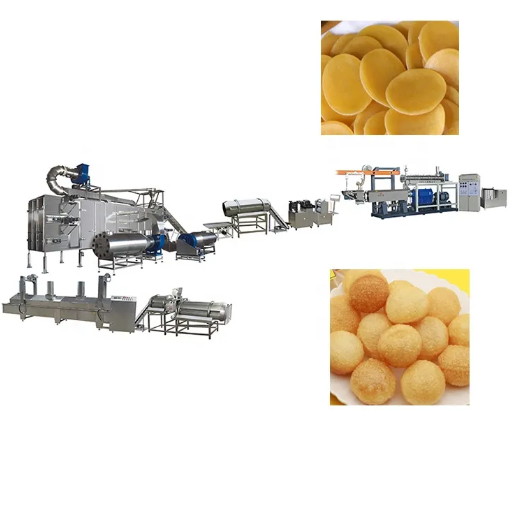
Food extrusion is a manufacturing process that transforms raw ingredients into finalized snack products by applying a combination of heat, pressure, and mechanical shear. The method serves as a crucial factor for snack quality assessment because it establishes all three essential product characteristics, which include texture and flavor development and structural integrity. The process requires operators to maintain exact control over three critical extrusion parameters, which are temperature, moisture, and feed rate, to produce products with constant traits that match what consumers expect. The process produces new shapes while improving digestion, making it essential for creating contemporary snack products.
Understanding the Extrusion Process
The extrusion process consists of multiple stages, which are essential for creating the final product with its desired characteristics. The extrusion system receives raw materials, which undergo exact processing to achieve their target moisture level through blending and hydration. A high-performance screw mechanism inside the barrel receives this mixture. The screw design and its rotational speed control shearing and compression, which determine the texture and structural integrity of the material. The combination of mechanical energy and external heating inside the barrel increases the temperature of the material. The thermal and mechanical processing changes the raw materials at a molecular level, which produces protein denaturation, starch gelatinization, and fat optimization. The die produces the designated shape, but the product undergoes rapid temperature and pressure changes, which cause either expansion or puffing. The industry uses extrusion as a flexible manufacturing method because all process steps can be customized for different applications.
How Extrusion Affects Snack Texture and Flavor
Snack production uses extrusion to create textures that define product flavors through controlled ingredient interactions, which depend on specific temperature, pressure, and moisture levels during the cooking process. The raw material undergoes texture changes when moisture and starch content reach their gelatinization point through processing at high temperatures and high pressures, which results in an expanded structure and crispy texture and different material densities based on particular processing conditions. The process of making products denser requires higher moisture levels, but lower moisture and fast pressure reduction create products with lighter and airier textures.
Extrusion flavor development depends on the Maillard reaction, which occurs when reducing sugars combine with amino acids through high-temperature processing to produce flavors that taste like roasted or caramelized food. The process of extrusion allows better integration of ingredients, which results in the product having uniform flavor distribution throughout its entire composition. The extreme conditions cause delicate flavors to break down, which requires post-extrusion flavoring changes through seasoning and coating to make the product reach its intended sensory characteristics. Through adjusting extrusion parameters, manufacturers develop snacks that have specific texture and flavor characteristics that match different consumer needs.
Long Shelf Life of Extruded Snacks
The production process of extruded snacks results in products that remain fresh for long periods because their production process uses low moisture content and thermal processing methods. The extrusion process effectively reduces water activity within the final product, which creates conditions that prevent microbial growth and product spoilage. The high temperatures used in the extrusion cooking process both complete food preparation and destroy enzymes and microorganisms, which would otherwise harm product quality. Manufacturers use advanced packaging materials, which include multi-layer films, to create packaging solutions that extend shelf life by blocking oxygen, light, and moisture from entering. The combination of these factors enables extruded snacks to preserve their quality and texture and flavor while meeting the requirements of both consumers and supply chain operations.
Innovations in Snack Pellet Manufacturing

The latest developments in snack pellet production methods concentrate on three main areas, which include better processing operations and enhanced product quality, and sustainable business practices. The main technological breakthrough involves using high-capacity twin-screw extruders, which allow manufacturers to control product texture and consistency while achieving lower energy usage. The new development uses alternative raw materials, which include legume-based flours and ancient grains, to produce nutritious snacks that satisfy changing consumer needs. Modern drying technologies, which include infrared and microwave drying methods, enable faster moisture extraction while maintaining product quality. The new technologies enable manufacturers to create snacks that have better nutritional value and produce less environmental harm.
Emerging Trends in Snack Pellet Shapes
The snack industry has observed a rising need for distinctive pellet shapes that offer new consumer experiences. The latest developments show 3D and multilayered pellet designs, which create different textured products that also have visual charm. The food industry is increasingly adopting complex shapes which include spirals and twists, and hollow forms because these shapes enable better frying results and more effective seasoning application, which leads to reliable taste and texture preservation. The food industry demonstrates a clear preference for developing shapes that reflect local culinary traditions and cultural design patterns. Local market demands drive traditional designs, which use artisanal elements to support brand identity. Manufacturers now use customizable modular molds to create new product designs, which help them meet market demands while decreasing production setup time. The latest shape developments serve as essential elements that help companies maintain their market position within the fast-changing snack industry, which values both product functionality and innovative designs.
Future of Snack Pellet Production Technology
I believe the future of snack pellet production technology will focus heavily on sustainability, automation, and ingredient innovation. Energy-efficient drying techniques and optimized extrusion processes will achieve environmental benefits without compromising product quality. The combination of automation and AI technologies will improve production efficiency while reducing material waste and increasing the accuracy of texture and shape production. The investigation of plant-based proteins and upcycled ingredients as potential raw materials will help the company create healthier and environmentally friendly snacks that customers currently want. These developments ensure that the industry stays adaptive, efficient, and aligned with global trends.
Sustainability in Snack Production
Sustainable snack production requires companies to adopt environmentally friendly methods that still satisfy customer needs. The primary approach of the organization aims to achieve resource efficiency through its use of energy-efficient equipment and water-conserving operational methods. The organization establishes waste management systems, which include recycling of byproducts and reduction of packaging waste, to successfully decrease its environmental impact. The company builds ethical and environmentally responsible supply chains through its use of sustainable raw materials, which include certified organic crops and responsibly harvested farm ingredients. The application of biodegradable packaging materials and fully recyclable packaging options contributes to improved sustainable practices. The entire industry currently works to achieve a balance between making profits and protecting the environment because customers increasingly demand products that demonstrate sustainable and responsible practices.
Conclusion
The evolution of 2D and 3D snack pellet production represents a remarkable convergence of innovation, efficiency, and consumer-focused design. From basic flat shapes to complex three-dimensional structures, these manufacturing technologies have revolutionized the snack industry by offering unprecedented variety, quality, and customization options. As the industry continues to embrace automation, sustainability, and novel ingredients, manufacturers who invest in advanced production lines and remain responsive to market trends will be best positioned to meet the growing global demand for distinctive, high-quality snack products. The future of snack pellet production promises even greater innovations that will continue to delight consumers while addressing environmental and health considerations.
Reference Sources
Computational Modeling of Food Extrusion Systems for Optimal Production
Discusses computational modeling in food extrusion systems, which is relevant to 3D snack pellet production.
48th Conference on Senior Engineering Design
Features a design project on puffed snack pellet production lines, providing insights into engineering and design aspects.
Value-Added Processing of Agricultural Products
Examines advanced processing techniques, including hot extrusion for complex food products.
Frequently Asked Questions (FAQs)
What is a 3d snack pellet processing line, and how does it work?
The 3d snack pellet processing line functions as an entire extrusion equipment system that produces 3d snack pellets together with 2d and 3d snack shapes. A typical processing line contains a twin screw extruder together with a pellet making machine or shaper and cutting machine or die inserts and conveyor, drying/cooling equipment and flavoring machine, and packing stations. The system requires raw materials such as corn flour and wheat flour and cassava starch and cassava and their blends to undergo mixing through a batch mixer or flour mixing system which sends the material through a screw conveyor system into the extruder where the system applies high temperature and shear to process the dough until the die and cutting system produces 3d pellet chips and bugle chips and corn puff shapes. The pellet line system enables nonstop production while operators control the process through a touch screen system, which provides advanced automation that decreases staffing requirements.
How does the 2d 3d production process differ from traditional cornflakes or corn puff making?
The 2d 3d production process uses extrusion to form complex 3d variations and 2D snack shapes in a single line, whereas corn flakes and some corn puff processes rely on baking or simple puffing. The extrusion machine provides operators with precise control over texture and density because they can modify die, die insert, and screw settings. The pellet snack-making machine produces both flat 2d 3d pellet snack types and volumized 3d pellet snacks, which enables the production of multiple snack products that include bugle and puffed corn, and pellet snacks, while the manufacturing process delivers consistent final snack products through implementation of process control and the ability to produce without interruptions.
Can a pellet snack machine process a wide range of raw materials like corn, wheat, and cassava?
Yes. The advanced snack machines and pellet chip machines of today can handle a diverse set of raw materials, which includes corn flour and corn starch, wheat flour, and cassava starch. The same pellet-making machine produces corn puff and pellet snacks, and 3d pellet chips, and other specialty shapes through adjustments to recipe and screw speed, and extruder die changes. The processing lines enable snack machine manufacturers to create multiple products through their support of different raw materials and product types.
What are the main line features that enable continuous production and high automation?
The twin screw extruder functions as a primary line feature that enables stable operation to deliver continuous production because it mixes materials and moves them through the system, and the automated batch mixer and screw conveyor systems, and touch screen process control, which manages recipe functions and the automated cutting machine and shaper units, and the integrated flavoring and packing machines. The fully automatic pellet line reduces labor costs, maintains consistent product quality, and supports continuous production with minimal downtime, while allowing operators to quickly switch between 2d and 3d snack formats.
How do die inserts and changing the extruder dies influence the final 2d 3d snack shapes?
Die inserts and extruder dies determine the cross-section and surface features of the extruded dough. The same extrusion machine can produce multiple 3d variations through different die insert swaps, which include bugle chips and pellet chips machine outputs, and flat 2d snacks. The manufacturers can produce numerous final products, which range from 2d and 3d pellet snacks to 3d hollow shapes through the combination of cutting machine intervals and shaper attachments. The selection of die geometry and proper maintenance together represent vital factors that determine product quality across all output categories.
What role do the flavoring machine and post-extrusion handling play in the snack-making process?
The flavoring machine applies seasonings to pellet snacks and 3d pellet chips after their extraction process because the product enters the machine after being added to the machine through drying and cooling. The conveyor systems, together with tumblers, deliver a uniform coating that maintains the original texture. Post-extrusion handling, which includes conveyors and cooling belts, and packing machines, becomes essential to safeguard product quality during continuous production. The flavoring and handling systems become essential for producing market-ready pellet snacks because they help minimize waste.
Is it possible to scale a pellet line from small batch production to fully automatic, continuous production?
The snack industry uses pellet production lines that can expand according to operational requirements. A small pilot line uses a single-screw extruder with manual feeding, while commercial lines use twin-screw extrusion machines together with automated batch mixers, screw conveyors, and touch-screen controls and integrated flavoring and packing systems, which enable advanced operational efficiency. The modular pellet lines that snack machine manufacturers create enable businesses to boost production capacity through additional extruder stations and increased automation, and continuous production with reduced staffing requirements and improved operational efficiency.