

Snacks to Sell at School: A Manufacturer’s Compliance & Equipment Guide

The best snacks to sell at school are single-serve, shelf-stable products that meet USDA Smart Snacks nutrition standards while still tasting good to students. For food manufacturers, that simple definition hides a complex production challenge: you must design recipes, choose equipment, and scale output around strict calorie, fat, sodium, and sugar limits.
Maria Chen learned this the hard way. In 2024, her snack startup landed a trial order for 5,000 bags of roasted chickpeas from a Midwest school district. The students loved the flavor, but the nutrition label showed 215 calories per serving, 15 over the Smart Snacks limit. The district could not stock them. Maria had to reformulate, retest, and rerun the line, missing the back-to-school window and a six-figure annual contract.
That story is why this guide exists. School vending machines, cafeterias, and fundraisers are high-volume, repeat-purchase channels. They are also heavily regulated. In the next sections, you will learn which snack categories perform best in schools, what compliance rules actually mean for your formulation, and which production lines turn those rules into profit.
Key Takeaways
- The most reliable snacks to sell at school are whole-grain puffs, baked chips, popcorn, nutrition bars, and fruit or vegetable crisps that fit USDA Smart Snacks limits.
- USDA Smart Snacks standards cap snacks at 200 calories, 200mg sodium, 35% fat calories, and 35% sugar by weight, with 0g trans fat.
- Compliance is decided at the formulation and equipment stage, not the vending machine.
- Twin-screw extruders, continuous fryers, industrial ovens, and nitrogen-flush packaging are the core systems for profitable school snack production.
- Producers who document nutritionals, allergens, and audit trails win more district contracts and retain them longer.
Why the School Snack Channel Is a High-Opportunity Market
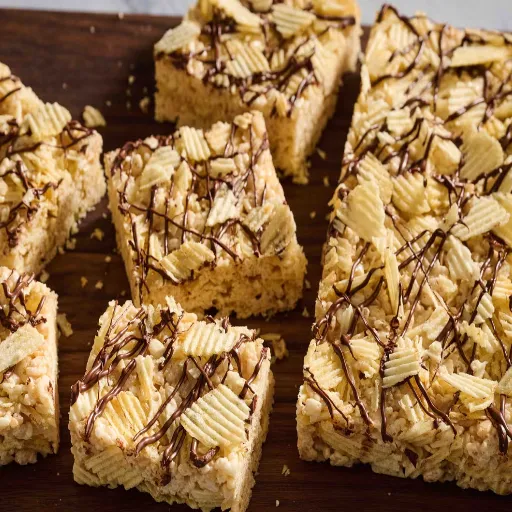
Schools are not a niche market. In the United States alone, more than 50 million students attend public schools, and many purchase snacks through vending machines, school stores, a la carte lines, and fundraising programs. Unlike trendy retail snacks that rise and fall with social media, school demand is predictable: students eat every day, districts reorder on fixed cycles, and successful products can stay on contract for years.
Stable demand and predictable volumes
A single large district can order tens of thousands of units per week. Multiply that across a state or region, and a modest SKU can become a flagship product. The key is consistency. Schools need the same nutrition profile, portion size, and packaging in September, January, and May. That predictability favors manufacturers with automated lines, standardized recipes, and quality control systems.
Tender, vending, and fundraising channels
School snacks move through three main channels:
- Vending machines: Products must be individually wrapped, shelf-stable, and fit standard spiral or tray dimensions.
- School stores and a la carte lines: These often allow slightly broader SKUs but still require Smart Snacks compliance.
- Fundraisers: Federal rules allow limited exempt fundraiser days, but many districts still require healthier options to align with wellness policies.
Each channel has different packaging and case-pack requirements. A line that can switch bag sizes and counts without long changeovers has a clear advantage.
Global parallels beyond U.S. schools
Smart Snacks is a U.S. framework, but the trend is global. The United Kingdom, Canada, Australia, and the European Union have all tightened school food standards around sugar, salt, and fat. Manufacturers who master low-sodium extrusion, reduced-sugar baking, and clean-label frying can export the same know-how to multiple markets.
Want to see how a complete snack line handles these requirements? Explore our fried snack production line solutions →
What Are the Best Snacks to Sell at School? 12 High-Demand Categories
The most successful school snacks share four traits: portion control, clean labels, kid-friendly flavor, and regulatory compliance. Below are the categories that consistently win bids and reorder contracts.
| Snack Category | Why It Works | Key Production Equipment |
|---|---|---|
| Whole-grain crackers and baked chips | Meets whole-grain-rich rule; lower fat than fried | Biscuit/cracker line, zoned oven |
| Puffed extruded snacks | Light, shelf-stable, easy to flavor low-sodium | Twin-screw extruder, dryer, flavoring drum |
| Air-popped or low-oil popcorn | Classic appeal; stays under fat limits | Popping chamber, coating drum |
| Fruit and vegetable chips | Parent-approved, better-for-you positioning | Vacuum fryer or microwave dryer |
| Granola and protein bars | High margin, fits vending machines | Nutrition bar production line |
| Roasted nuts and seeds | Protein-rich, shelf-stable | Roaster, seasoning paddle, cooling conveyor |
| Shelf-stable dairy and yogurt bites | Growing category, unique texture | Freeze dryer, nitrogen-flush packaging |
| Low-sugar cookies and biscuits | Familiar format in portion-controlled sizes | Biscuit production line, flow wrapper |
| Rice crackers and seaweed snacks | Naturally low sugar and sodium | Sheeting line, oven, cutter |
| Tortilla chips with clean labels | Whole-grain option, savory flavor | Tortilla chip line, continuous fryer or oven |
| Trail mix and dried fruit packs | Balanced nutrition in single packs | Weigher, bagger, nitrogen flush |
| Seasonal and limited-run items | Back-to-school and sports tie-ins | Flexible line with quick changeover |
Whole-grain crackers and baked chips
Crackers and chips made with whole grains satisfy the Smart Snacks whole-grain-rich requirement. They also deliver the crunch students expect. Baked versions reduce fat calories and simplify compliance. A biscuit or cracker production line with precise dough sheeting and oven zone control is ideal here.
Puffed extruded snacks
Whole-grain or legume-based puffs are lightweight, shelf-stable, and easy to flavor. They adapt well to reduced sodium and clean-label seasonings. Twin-screw extrusion systems give producers precise control over density, texture, and expansion. That control makes portion sizing more accurate.
Air-popped or low-oil popcorn
Popcorn is a classic school seller. Air-popped or low-oil versions stay well under fat limits. Savory, cheese, or lightly sweet coatings appeal to students. Industrial popping chambers with coating drums and seasoning spray systems produce consistent batches at high volume.
Fruit and vegetable chips
Vacuum-fried or baked apple, sweet potato, beet, and kale chips meet parent demand for better-for-you options. Industrial microwave drying equipment can also produce crisp vegetable snacks with minimal oil. The challenge is sugar and sodium: even natural sugars count toward the 35% sugar-by-weight limit.
Granola and protein bars
Bars are a high-margin category when produced at scale. They travel well, fit vending machines, and can be formulated with whole grains, nuts, seeds, and protein. A nutrition bar production line handles mixing, forming, cutting, and wrapping in one continuous flow.
Roasted nuts and seeds
Roasted almonds, sunflower seeds, and pumpkin seeds are protein-rich and shelf-stable. The main barrier is allergen policy. Many schools restrict peanuts and tree nuts, so producers often lead with seeds or allergen-free facilities.
Shelf-stable dairy and yogurt bites
Freeze-dried yogurt bites and cheese crisps are growing categories. They require controlled drying and packaging to maintain texture and prevent moisture pickup. Nitrogen-flush packaging extends shelf life and protects delicate products.
Low-sugar cookies and biscuits
Cookies can work in schools if sugar is reduced and portion sizes are small. A biscuit production line with rotary molding or wire-cut forming lets producers control weight and shape precisely. That precision directly affects nutritionals per serving.
Rice crackers and seaweed snacks
Rice crackers and roasted seaweed sheets are naturally low in sugar and can be made low in sodium. They are popular in multicultural markets and fit neatly into single-serve packs.
Tortilla chips with clean labels
Tortilla chips made from whole-grain corn or alternative flours can meet whole-grain-rich rules. Baked versions reduce oil, while light seasoning keeps sodium under the 200mg threshold.
Trail mix and dried fruit packs
Portion controlled trail mixes are a combination of whole grains, seeds, and dried fruits. The danger with such products is the sugars present in dried fruits. Careful balancing of the ingredients is required so as not to exceed the 35% sugar content threshold.
Seasonal and limited-run items
Back to school days, examination times, and sports seasons provide opportunities for limited editions. Such an approach helps maintain relevance without expanding the basic product range too much.
Need help choosing which category fits your current capacity? See our guide to the most profitable snacks to sell in 2026 →
USDA Smart Snacks in School: The Compliance Rules Producers Must Know
School Smart Snacks regulations concern all products purchased by students during their school day which is defined as a period starting from midnight before until 30 minutes after the official closing of the school day. If your product does not meet these standards, it cannot be sold through school channels, no matter how good it tastes.
According to the USDA Smart Snacks guide, the core nutrition standards for snacks are:
| Nutrient | Snack Standard | Entrée Standard |
|---|---|---|
| Calories | ≤200 per item | ≤350 per item |
| Sodium | ≤200mg | ≤480mg |
| Total Fat | ≤35% of calories | ≤35% of calories |
| Saturated Fat | <10% of calories | <10% of calories |
| Trans Fat | 0g per portion | 0g per portion |
| Sugars | ≤35% by weight | ≤35% by weight |
Whole-grain-rich and first-ingredient rules
A snack qualifies if it is whole grain-rich, has a fruit, vegetable, dairy product, or protein food as the first ingredient, or contains at least ¼ cup of fruit or vegetable. Combination foods must meet both nutrient and ingredient criteria. This is why equipment that controls formulation consistency matters: a 5% variance in dough composition can change whether the first ingredient claim holds.
Allergen-free and peanut-aware production
Many districts restrict peanuts and tree nuts. Some require products made in allergen-free facilities. Producers should clearly document allergen controls, sanitation protocols, and line segregation. If you can produce certified peanut-free snacks, you unlock a large segment of school bids.
Beverage rules and companion products
Smart Snacks also covers beverages. While this guide focuses on snacks, producers who pair compliant snacks with allowed drinks, such as plain water, low-fat milk, or 100% juice in limited sizes, can offer bundled solutions to districts.
State-level variations and fundraising exemptions
States and districts can adopt stricter rules. Some ban caffeine, limit vending hours, or restrict fundraisers to a few days per year. The Alliance for a Healthier Generation Smart Snacks calculator is a useful tool for checking individual products, but producers should also request the district’s local wellness policy before bidding.
From Recipe to Snack Production Line: Equipment for School Snacks
Compliance is not only a recipe issue. The snack production line you choose determines portion accuracy, oil absorption, moisture content, and final texture. Those variables directly affect whether a product passes nutrition testing.
Twin-screw extruders for whole-grain and legume puffs
A twin-screw extruder cooks and shapes dough under controlled heat and pressure. This food extrusion equipment handles whole grains, pulses, and high-fiber formulations that single-screw systems struggle with. Precise screw profiles and barrel temperature zones let producers dial in expansion, density, and mouthfeel while keeping portion weights consistent.
Continuous fryers and vacuum fryers for chips
Continuous fryers deliver uniform oil temperature and dwell time, which controls fat uptake. Vacuum fryers operate at lower temperatures and reduce oil absorption, making them ideal for vegetable chips that must stay under fat limits. Oil filtration systems extend oil life and keep trans fat at zero.
Industrial ovens and biscuit production lines
Baked crackers, cookies, and chips need zoned ovens with independent temperature and airflow control. A well-designed oven line bakes evenly across the belt, so every piece in the pack meets the same nutrition profile. Rotary molding and wire-cut machines then shape products to exact weights.
Popcorn production and flavoring systems
Industrial popping chambers use hot air or oil to pop corn at high throughput. After popping, a coating drum or spray system applies seasoning evenly. Oil levels and seasoning weights are critical: even a small over-application can push fat or sodium above Smart Snacks limits.
Nutrition bar forming and cutting lines
A nutrition bar production line mixes ingredients, spreads the mass into a slab, cools it, and cuts it into portions. Servo-controlled cutters maintain tight weight tolerances, which keeps calorie and nutrient claims accurate across thousands of bars.
Industrial microwave dryers for fruit and vegetable crisps
Microwave drying removes moisture quickly without deep frying. The result is a crisp vegetable or fruit snack with lower oil content than traditional fried chips. Tunnel microwave systems can handle continuous production and integrate with seasoning and packaging downstream.
Seasoning drums, coating lines, and nitrogen-flush packaging
The final flavor and shelf life come from seasoning and packaging equipment. Seasoning drums coat products evenly while minimizing waste. Nitrogen-flush packaging displaces oxygen, extends shelf life, and protects delicate snacks like puffs, popcorn, and vegetable chips during distribution.
Looking for a complete line built around your recipe? Contact our team for a custom snack production proposal →
Formulation Adjustments That Keep Healthy Snacks to Sell at School Compliant
Equipment provides the platform, but formulation wins the contract. Here are the most common adjustments producers make to move a retail snack into the school channel.
Reducing sodium and sugar without sacrificing taste
Salt and sugar reductions are the hardest changes because they directly affect flavor. Strategies include:
- Using potassium chloride blends or natural umami sources to replace part of the salt.
- Adding herbs, spices, and citrus notes to boost perceived flavor.
- Replacing refined sugar with dried fruit, inulin, or maltitol where regulations allow.
- Using masking agents to reduce the metallic taste of some salt replacers.
Using whole grains, pulses, and fibers
Whole-grain flours, chickpea flour, lentil flour, and pea protein improve nutritional scores while adding structure. They may also assist in complying with the whole grain-rich or protein first food ingredients criteria. Test batches are essential: alternative flours absorb water and oil differently than refined wheat or corn.
Clean-label oils and frying alternatives
High-oleic sunflower oil, avocado oil, and canola oil offer better fat profiles than traditional frying oils. Vacuum frying and air frying reduce total fat. For baked products, using oil sprays rather than bowl mixing gives more precise fat control.
Portion control and single-serve packaging
Sometimes the easiest path to compliance is a smaller serving. A 1-ounce bag of chips may fail, while a 0.75-ounce bag passes. Flow wrappers and vertical form-fill-seal machines must be able to handle the target portion reliably. Overweight product not only risks non-compliance but also raises cost per unit.
Profitability of Snacks to Sell at School and Scaling Considerations
The most profitable snacks to sell at school balance strong student appeal with low ingredient cost and high throughput. Producers should focus on categories that use simple base materials, short ingredient lists, and fast cycle times.
Calculating cost per serving for school bids
Cost per serving includes ingredients, packaging, labor, energy, quality testing, and distribution. Because schools are price-sensitive, producers must hit a target retail or wholesale price while leaving enough margin. A line with high throughput and low giveaway weight protects margins.
Line utilization and SKU rationalization
Running many small SKUs on one line increases changeover time and waste. Successful school producers often start with two or three core products and expand only when volumes justify dedicated equipment. Modular lines that share mixers, conveyors, and packaging machines make this easier.
Private-label and co-packing opportunities
Not every producer wants to build a brand. Co-packing for existing school snack brands or private-label programs for distributors can fill capacity with lower marketing costs. The requirement is the same: compliant, consistent, documented production.
Minimum efficient scale for school contracts
A district trial might be 5,000 units, but a real contract can be 50,000 to 500,000 units annually. Producers should know their break-even volume before bidding. Investing in automated packaging and inspection systems often pays off once weekly orders exceed a certain threshold.
Tom Brennan’s story illustrates the point. His family bakery won a contract to supply low-sugar cookies to a state school system. The first year, they ran the line two days a week and barely broke even. After upgrading to a continuous biscuit line with automatic stacking and flow wrapping, they cut labor per unit by 40% and added two more districts the following year. The equipment investment turned a marginal contract into a 30% revenue increase.
How to Sell Snacks to Schools: Market Entry Steps
Production capability is only half the battle. Winning school business also requires understanding procurement, documentation, and relationship management.
| Step | What to Do | Why It Matters |
|---|---|---|
| Register as a vendor | Submit business licenses, insurance, SQF or BRC certificates, and nutrition labels | Districts cannot buy from unapproved suppliers |
| Choose a sales channel | Sell through broadline distributors or directly to large districts | Distributors offer reach; direct sales protect margin |
| Run sample programs | Provide final-packaged samples with accurate labels | Taste tests mean nothing if nutritionals fail |
| Organize documentation | Keep batch records, allergen controls, and HACCP plans ready | Audited food directors need fast, accurate paperwork |
| Review local wellness policies | Request district-specific rules beyond federal standards | State and district rules can be stricter than USDA |
Registering as a qualified vendor
Most school districts and foodservice distributors maintain approved vendor lists. Registration usually requires business licenses, insurance certificates, food safety certifications such as SQF or BRC, and product nutrition labels. Have these documents ready before bidding.
Working with distributors vs. direct sales
Selling through a broadline distributor gives access to many districts at once but reduces margin. Direct sales to large districts keep more margin but require your own logistics and customer service. Many producers use a hybrid model.
Sample and trial programs
Districts often run taste tests with students before adding a product. Provide samples in final packaging with accurate labels. A positive taste test is meaningless if the nutrition facts disqualify the product later.
Documentation and audit readiness
Keep batch records, allergen controls, nutrition testing certificates, and HACCP plans organized. School food directors are audited, and they need suppliers who can respond quickly with accurate paperwork. A well-documented quality system becomes a competitive advantage.
Frequently Asked Questions About Snacks to Sell at School
What are the best snacks to sell at school?
The best snacks to sell at school are whole-grain crackers, baked chips, puffed snacks, air-popped popcorn, fruit and vegetable crisps, granola bars, and seeds. They must be single-serve, shelf-stable, and meet USDA Smart Snacks nutrition standards.
What makes a snack compliant with USDA Smart Snacks?
A compliance snack will not contain more than 200 calories, 200 mg sodium, and 35% of its calories from fat. It should also contain less than 10% of its calories from saturated fat, zero grams of trans fat, and 35% or less of calories from sugars. The snack must also be whole grain rich or have one of the four listed foods as the first food ingredient.
What equipment is needed to produce snacks for schools?
Common equipment includes twin-screw extruders, continuous or vacuum fryers, industrial ovens, popcorn popping systems, nutrition bar lines, seasoning drums, and nitrogen-flush packaging machines. The exact line depends on the snack category.
Are healthy snacks to sell at school profitable?
Yes, when produced at scale. Categories like popcorn, puffs, and nutrition bars can achieve strong margins because they use low-cost base ingredients and run on high-throughput lines. Profitability depends on portion control, low giveaway weight, and efficient packaging.
How do I sell snacks to a school district?
Register as an approved vendor, submit nutrition labels and food safety certifications, provide samples in final packaging, and keep batch records and allergen documentation organized. Many producers also work through broadline distributors to reach multiple districts.
Can I sell homemade snacks at school?
Most school districts require commercially packaged products from licensed facilities that meet food safety standards. Homemade items without nutrition labels, allergen controls, and liability insurance rarely qualify for school vending or meal programs.
Conclusion
The school snack market rewards producers who think about compliance before the first batch. The best snacks to sell at school are not just tasty; they are portion-controlled, nutrition-compliant, and produced on equipment that can repeat the same result across hundreds of thousands of units.
To compete in this channel, focus on four priorities: choose categories that naturally fit Smart Snacks limits, invest in equipment that controls portion and nutrition, reformulate with clean-label ingredients, and build documentation systems that make audits easy. Do this well, and school contracts become a stable, repeatable growth engine for your business.
Ready to design a production line for the school snack market? Request a quote from Shandong Loyal Industrial Co., Ltd. today → Our team can help you select extruders, fryers, ovens, and packaging systems tailored to your recipe and compliance goals.