
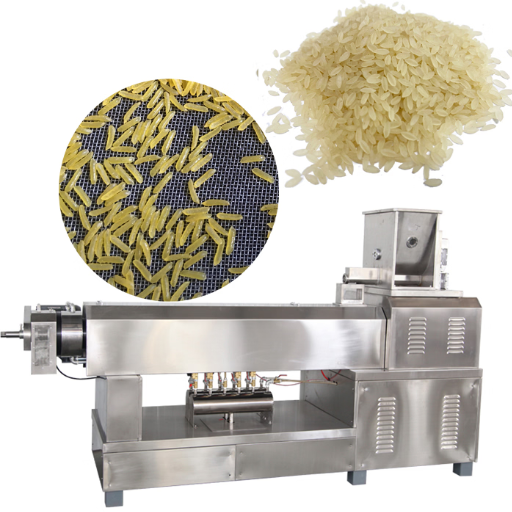
Artificial Rice Production Line: Understanding the Process and Benefits

The rising popularity of eco-friendly, nutritious meals has made advanced food technologies highly important, with artificial rice production among the most notable advances. This article investigates the structure of an artificial rice production line and discusses its complex operations and multi-dimensional advantages. Artificial rice production, for instance, addresses the challenge of feeding the ever-increasing, malnourished population, which requires attention from governments across many countries, while introducing a new approach – enhancing a food staple. Feel free to follow us as we break down the system, highlight the positive aspects, and see how it encompasses modern needs within the field of food technology.
Introduction to Artificial Rice Making Machine
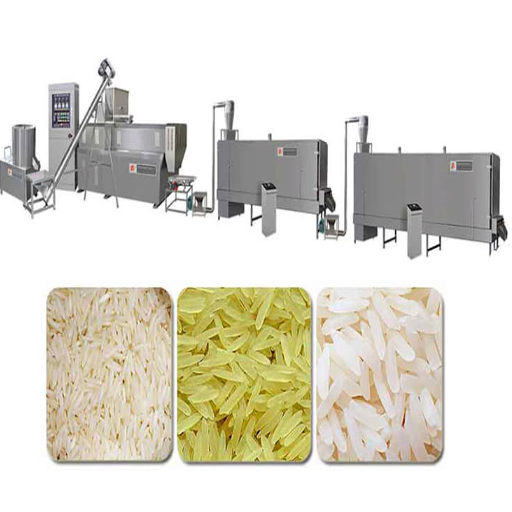
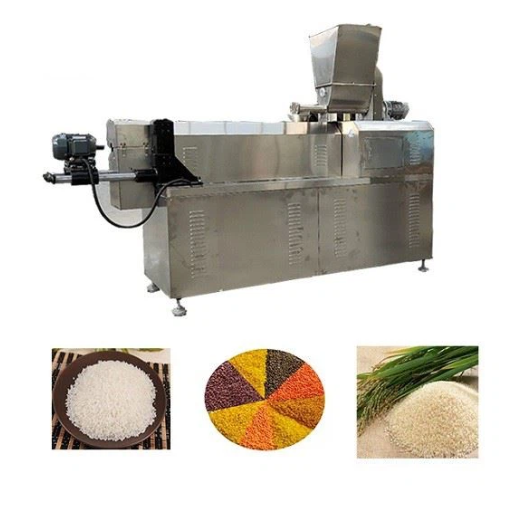
In simple terms, an artificial rice production line is an industrial piece of equipment worth noting as it allows for the processing of plastic materials that are rice flour, extruders, and plasticisers, which turn into rice grains. Simply stated, the concept helix is designed to fabricate fake rice with its main purpose being to concentrate the nutritional content in a grain of rice-like material. Such machines are rather resourceful about texture, size, property, as well as about the lets say, additives. Their uses include addressing the problem of the scarcity of food, as well as treating rice in a way that benefits the general population.
What is Artificial Rice?
Imitation rice, however, refers to a manufactured food product that essentially seeks to copy rice in structure, texture, and preparation, but with improved or additionally altered nutritional content. Usually, the formation of such a product is achieved through the process of extrusion, which essentially entails the combination of different raw materials such as rice flour, starch, vitamins, minerals, and other ingredients into rice-like shapes. This is a great initiative towards fighting the issue of malnutrition because the artificial rice is able to incorporate essential micronutrients such as iron, zinc, and vitamin A. The production of artificial rice is also viewed as one of the measures that can be used to address food insecurity in areas that do not have sufficient amounts of rice or optimum nutrition.
Components of an Artificial Rice Production Line
Raw Material Mixer
In this stage, raw materials, including rice flour, starch, micronutrient powders, and others, are first weighed and thoroughly mixed. Using a mixer that rotates at great speed makes it possible to distribute the materials evenly, which in turn is extremely important to produce a good quality product that is uniform in terms of texture and nutritional value.
Extruder Machine
The resulting mixed structure is then loaded into an extrusion machine that processes the contents to rice-like grains using heat, pressure, and shear induced by the machine itself. Based on the extruder used, the grain length, thickness, and even the density can be varied so as to make the grains appear more ‘rice-like’.
Drying System
The extruder produces rice-like grains with enhanced moisture content, which need to be dried out after the extrusion process to guarantee longer storage. A conveyor belt type or a fluid bed drying machine, or in some cases an industrial drying machine, is employed to bring down the moisture to the levels conducive to safe storage.
Cooling Conveyor
The drying system immediately drops the warm dried product into a cooling conveyor that ensures fast cooling of the dried product.
Frozen keywords and phrases list:
artificial rice production line
Cooled air hampers compressing of the grains as refrigerating the equipment is necessary on specialized conveyor belts during an excess ninety nine percent flooding of the grains in question. Overheating may cause package condensation and agitation of the grains.
Fortification Equipment
In most cases, grain fortification is prepared and implemented to coat grains with micronutrients or other additives to enhance the product and prepare targeted fortification if the need arises.
Cake Packaging Machine
After this, using a precise packaging process, the artificial rice gets weighed, packaged tightly, and locked in either vacuum-sealed pouches or nitrogen-filled ones for the purposes of freshness and hygiene in logistics and distribution. With the advent of the automatic packaging system, the processes are simplified, and the work is reduced.
This equipment, being part of a working artificial rice production line, allows the system to operate effectively at its maximum capacity, providing enormous productivity, high quality of the finished products, and scaling of the production.
How the Rice Extruder Machine Works
An artificial rice production line transforms raw materials of rice with different processes, including both thermal and mechanical, into a final product chemically termed as an extrudate. To accomplish the above task, the raw ingredients [rice flour, etc.] are introduced through the extruder in the form of fine particles or a paste. It is located inside the operating cone of the machine where the materials get pushed during the operation of two opposed digits that are set at a particular effective gait.
The machine makes use of high pressure and calibrated temperature to cook and bind the elements of the mixture to the optimum texture and structure. This process makes it possible for the starch granules within the mixture to adhere to each other effectively, yielding a firm and strong product. The processed mass is finally extruded through the die placed at the output of the machine. Thereafter, a high-precision cutter carves out a section of the extruded mass and lowers its temperature, making the part safe and stable.
Some high-tech extruders additionally have right in the process monitoring units covering temperature, screw speed, and moisture content to guarantee good quality at all times. These extruders are flexible in the sense that they can be set to produce different textures and compositions of the product. This renders them a very important technology for sustainable growth and productivity in an artificial rice production line.
Production Process of Fortified Rice
Fortified rice is produced by mixing rice flour and micronutrient premixes, followed by processing it into simulated rice kernels. Usually, the steps included are blending rice flour with appropriate vitamins and minerals such as iron, zinc, folic acid, vitamin B12, and others. At this stage, the admixture is transferred through the heater under pressure and moisture inside an extruder, which can be described as a device forming pastes.
The extra dough is changed outside the processor into rice dough in the form using the cutting devices. The fortified grains are then dried to lower the water activity for product stability and shelf life. This is achieved by blending them with ordinary rice in the proportion of 1:100 or 1:200 without changing the color or taste.
At every stage, quality management is ensured by manufacturers checking nutrient loss, variance, and water content with sophisticated equipment. For ease of operation, engineered processes are developed for fortified rice production with respect to both eliminating micronutrient deficiencies on a large scale and keeping the traditional rice’s texture and flavor.
Steps in Nutritional Rice Production
Selection and preparation of the appropriate raw materials
The standard of raw rice quality for mass spectra analysis is very high and is enclosed in food safety and quality control guidelines. This means that rice is subjected to cleaning and the micronutrients are such as iron, Zinc, vitamins, and folic acid in an even composition of special ratios brought about by nutritional considerations.
Formation of Fortified Kernels
The products made to be internalized include starch from rice and other components that aid in forming a useful mixture. This is done by extruding, in which a material is expanded to such a shape that looks like rice kernels already in hand. Extrusion is completed in a thermo-controlled medium, keeping the nutrients activated and the compactness of the material enhanced.
Blending Fortified Kernels with Traditional Rice
The fortified rice grains are uniformly distributed among ordinary rice grains at the desired proportion. This proportion is usually 1:100 or 1:200. In this way, the health benefits of the fortified rice can be enhanced without deteriorating either the appearance or the taste of the rice.
Drying and Polishing of Rice
After the rice has been blended, it is then dried at a controlled temperature, which is adequate enough to reach the safe level of moisture. Some degree of polishing may take place to improve the surface of the rice and mimic the surface texture of rice grain. The said step is Table 7: Artificial rice production line 6.5 Grade power consumption () All processing 24. There is a further need for control of pressed products to ensure consumer satisfaction and attractive-looking pressed products for the consumer.
Quality assurance and packing
All the pertinent parameters, including stability, dry substance content, and evenness, among others, undergo stringent controls. As soon as the product conforms to the requirements, it is sealed in containers that can discharge the air and retain the freshness for as long as possible.
The following levels demonstrate a thorough understanding of how micronutrient deficiencies can be tackled through fortified rice while preserving the characteristic features of rice.
Role of the Mixer in the Production Line
The blender is crucial for the rice fortification process as it guarantees that premixes with micronutrients are evenly mixed into rice flour or rice in rice fortification work. Many performant blenders are configured to give assurance that by incorporating vitamins and minerals, there will not be any inhomogeneous chocolate that refutes the nutritional and homogeneous content of the product, in its state. Such precision is obtained thanks to time and speed curves, acting on the density and particle size of the raw materials. The processor enhances the quality and safety of the fortified rice finished product or ensures it is within regulatory and standards limits by reducing blooming effects and facilitating uniform nutrient application. This process is also performed to eliminate adverse effects on the quality of enriched rice and promote best practices in the artificial rice production line and its target market.
Automation in Rice Production
Mechanization of rice production offers immense value in meeting in milled rice, driving cheap, orderly, and scale technology. Mechanization includes the use of robotics, data collecting devices, and artificially intelligent cuddw information in the process of boring labor. These mechanisms, however, support rice manufacturing in the areas of packaging, grading, and wrapping by utilizing enhanced data management techniques, including machine learning, to meet all the set guidelines aimed at enhancing the quality of production. Apart from that, industrial automation also supports predictive maintenance that keeps the systems in working condition for longer with minimal interruptions. Machine-learning systems also assist with every process of utilization, for example, lowering water and electricity consumption. For all intents and purposes, control systems do not play only a productive enhancement role; there are other objectives, such as catering to policies and appetites for products that exist in society.
Advantages of Artificial Rice
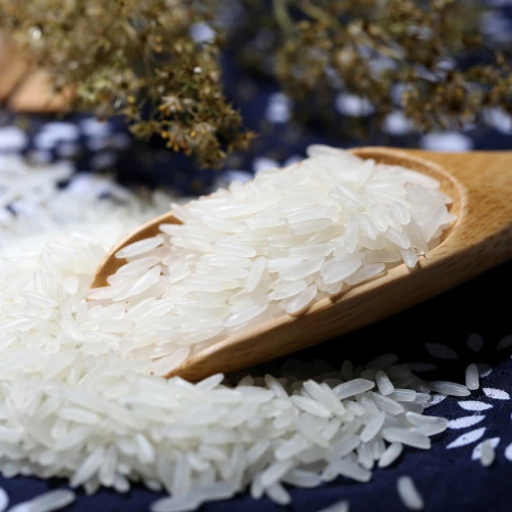
There are a number of undeniable benefits to artificial rice. The rice can be artificially enriched with various nutrients, which have a lot of importance in nutrition, such as vitamins and minerals, to improve the person’s diet. This can be beneficial, especially when the correct balance of nutrients is not possible from the consumed diet alone. It can be less costly in terms of the resources used, as they can manipulate constructive materials that would have been discarded, for example, broken rice. Such rice, like other products, can be designed to satisfy the various available consumer populations. These consumers may be unhealthy or on a diet, thus needing the rice to be gluten-free or having other special features. The production of artificial rice can be maintained at one quality level throughout the process, and it can be produced in large amounts and saved for a later period. Consequently, an artificial rice production line may be regarded as an effective tool in the combat against food shortages.
Nutritional Benefits of Fortified Rice
There are numerous health benefits of using fortified rice, which resolves the problem of micronutrient malnutrition at the population level. It contains micronutrients that are beneficial to the body, such as iron, zinc, folic acid, vitamins A, B12, D, and others. The process of fortification ensures that the nutrient is homogeneously distributed and the vitamins and minerals are bioavailable for digestion. In order to combat anemia, enhance brain functions, and boost immunity, especially in children and women who are most at risk, the consumption of fortified rice on a regular basis is relevant. Additionally, there is minimal loss of nutrients such as vitamins and minerals during the washing and cooking of such rice. The reason fortified rice is seen as a viable option in countries with high levels of malnutrition and food shortages.
Cost-Effectiveness of Instant Rice Making Machines
The introduction of instant-rice-producing machines has turned out to be cost-friendly in rice enrichment facilities meant for large production capacities. It combines high throughput capabilities with inexpensive production by saving the supply of rice since it greatly cuts down the processes of rice processing. The challenges of wages as well as the duration in which the production takes place are equally dealt with by the use of these machines. Further to that, they are designed to be power efficient, which means the variable costs of operation will be brought down, hence more affordable in the developing world. The expenditure incurred on the purchase of these machines in the beginning is soon husbanded. Every passing day As most of the machinery Cost Is Spent On Regular Activities other than production, and there is an added bonanza of improved nutrition, particularly for women and children, as well as the low–income classes. The employment of modular constructions allows for additional manufacturing capability to be introduced without much extra expenditure, in order to address changes in demand. The primary benefit of this technology is that it enables fighting hunger in the world in a manner that is encouraging to the economy.
Market Demand for Nutritious Rice
Nutrient rice is high in demand due to increased focus on and understanding of ‘nutrition’ and health. Deficiencies of micronutrients due to malnutrition are observed in many developing countries; however, fortified rice is a viable alternative that can help address iron, Zinc and Vitamin A deficiency. The fortified rice market is further predicted to witness strong growth over the forecast period as a result of the supportive policies of the governments, increasing incomes, and improved dietary patterns. Scientific study has been exploring ways to tap into the decades of artificial rice production lines stored in the marketplace.
Such factors positively influence the market for fortified rice. It could be attributed to the fact that they can be added to such ready-to-cook products as snacks, rice-based pasta, burfi, etc., and many other categories of food. However, a major part of the demand is served by the Asia Pacific region, which consumes enormous amounts of rice and has strong government polices as well as various nutrition-enhancing programs in place. On the other hand, the demand in North America and Europe is also on the rise due to the trend towards health-friendly food starting to take root with consumers.
The exponential growth of the market for rice as a fortification medium will help to develop specific lines of furniture in the coming years and boost current growth. работа монтажа линии производства искусственного риса is only an example. Similar equipment can be installed in a factory for the production of other fortified grains.
Choosing the Right Manufacturer
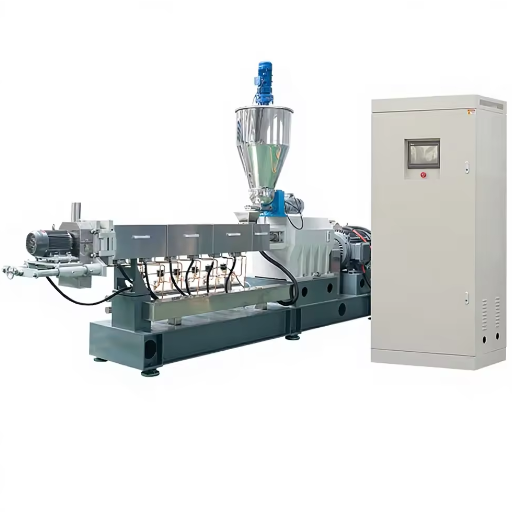
Start by assessing the certifications of the fortified rice manufacturer you have identified. Certifications help to determine whether a manufacturer is producing safe and quality reinforced rice and that their processes also comply with the benefits of the ISO system. Consider their production capacity enough to cater to your desired limits and whether it assures the sustenance of the quality. Look into their supply ethics to clarify that the raw materials used are of high standards. Then check on their previous clients, their reviews, and their portfolio to measure their credibility and trustworthiness in terms of service delivery. Resolution emphasizes selecting those manufacturers who have established themselves on the market and whose practices are open.
Factors to Consider When Selecting a Rice Extruder Machine
Before you buy a rice extruder machine, take into consideration all issues that might be at stake if value for money is assured. To begin with, the capacity of the machine vis-à-vis the production scale of the operation should be determined. Every machine has a different throughput; it could be described in terms of how many kilograms it can handle per hour. Thus, it is necessary to ensure that this satisfies the operational needs. Secondly, the quality of the machine and the manufacturing materials should be analyzed because, in some cases, there are instances where stainless-steel components are necessary due to their longevity and non-corrosive nature as facets of the apparatus in food process tasks. Thirdly, energy efficiency and the cost of running the machine should be assessed in order to determine the economic viability of running the machine for a longer period of time.
The next step is to investigate how sophisticated the special extruder actually is, including the presence of regulation systems and whether it is possible to program it, in order to assess the flexibility of the cutting machine and the operational convenience. For example, all the machines with high levels of automation can boost the workable output and also reduce the number of workers needed. Moreover, check whether it complies with food regulations, etc., e.g., FDA or CE certifications, in order to follow rules and regulations and provide the best product. It is also important to consider the manufacturer’s services, including those offered before and after sales, such as the warranty, replacement parts, and after-sales services, as they are necessary at the stage of work to reduce the period of downtime in the machine and ensure efficient maintenance throughout the useful life of this equipment.
Leading Brands in Artificial Rice Production
Evaluating the performance of the best brands in terms of artificial rice production, the following three companies remain the standard as far as quality, innovation, and reliability are concerned.
Buhler Group
The Buhler group is a world leader in food technology and offers the best and most specific high-energy, efficient, and precise extruding machines for artificial rice production. Their machines are highly energy efficient and preserve all the food safety standards for consumption, i.e., FDA and others. Along with this, Buhler is also instrumental in providing value-added services, such as providing training, parts, and carrying out maintenance of the equipment once utilized.
KAIFENG Youdo Machinery Co., Ltd.
KAIFENG Youdo Machinery deals with the manufacture of cheap and stand-alone artificial rice production lines. Their productions are directed towards ensuring efficiency, ease of use, and most importantly, certification of international standards within the safety sector. Besides, the company offers technical support and an extended warranty across the globe to its customers without any interruptions.
Twin Screw Extruders Manufacturer (TSE)
The company is noted for its state-of-the-art twin screw extrusion technology that is crucial in making high-quality fortified rice. The lead machines are designed for precision of control, and this is evident both in the control of output consistency and in the completion of work with the nutrition levels of food. With TSM, however, there is another niche to which TSM belongs – it is integration with and support of TSM customers, providing installation and implementation activities, more importantly, support and training, assuring that disruptions of the production process will be avoided.
The most popular technologies of high-end brands support increased production, customer satisfaction, adherence to standards, and effective customer support.
Customer Reviews and Testimonials
Positive Feedback
There are many customers who commend the innovative technology and reliability of the equipment used by TSM. Clients consistently note the accuracy and quality control that the machinery provides, as the devices maintain the nutritional value of the fortified rice being processed. In addition, their comprehensive customer service practices, which include installation and intensive operator training, are highly praised for their efficiency in minimizing machine downtime and production enhancement.
Areas for Improvement
Although much of the review is favorable, a few users mentioned that they slightly experienced trouble understanding certain operations at the beginning. Nevertheless, they also commented that the TSM technical assistance team was very cooperative in quickly solving their problems for better operation.
Industry Reputation
As stated before, the company has more than a decade in the artificial rice production line industry.
Throughout the industry, TSM has consistently held a status of a leader in the artificial rice production line technology, with clients often recommending their machines as efficient, adhering to regulations, and requiring low maintenance. What differentiates them is that their customer success is not just any other value in a sea of many, as it comes at the forefront.
Future of Artificial Rice Production
Progress in the field of synthetic rice production should be achieved primarily through the application of robotics, genetically modified food technologies, and sciences aimed at protecting the environment. Machines like the ones developed by TSM, which are extremely productive, will further evolve and will integrate state-of-the-art technology aimed at lowering people’s consumption and\as resources wastage. Biofortification breakthroughs will alleviate the problem of malnutrition across the globe by allowing for the adjustment of rice types with the necessary micronutrient contents to the production facilities. Furthermore, there will be a shift towards seeking eco-friendly methods and materials in the artificial rice production line industry owing to the increasing environmental sustainability drive. Certifications help the industry respond to the rising demand without losing focus on providing healthy as well as sustainable solutions.
Trends in Nutritional Rice Production
A major functional change happening now is that biofortification, where rice is cultivated but enriched genetically to contain essential micronutrients like iron, zinc, and vitamin A, is being achieved in regions where there are widespread inadequacies in diet and worldwide health priorities.
Another substantial advancement is the adoption of extrusion technologies in the process of artificial rice production, which is devoted to designing, fortifying the product with vitamins and other minerals, and conserving the nutritional value of the product. This fortification process, which is based on extrusion technology, has also enabled the use of some protein-rich ingredients of the diet, i.e., legumes and algae, into rice.
Lastly, there is a clear effort being made by the industry to decrease its environmental footprint by adopting more sustainable production practices. Water conservation, green energy, and the use of plant-based or recycled materials are some of the elements of innovation that help to reduce the burden on the environment. All these together signify that the fight against global hunger and efforts to achieve sustainable nutrition cannot be achieved without the development of new ideas and new technologies.
Advancements in Technology for Artificial Rice Making
Speaking about improvements in either artificial rice production line or how it works, the extrusion technology should be mentioned. With this technique, rice grains in artificial forms can now be shaped and given a structure using heat, physical pressure, and the mechanical action of the equipment. Besides, current fortification techniques are so advanced that they allow biofortification of fake rice with a focus on important nutrients such as vitamins and minerals that address a particular health concern. Further, the interfacing of automated functions and AI-based quality checks has optimized the respective production; reduction in waste, uniformity, and productivity have been attained on higher levels.
Potential Global Impact of Artificial Rice
The potential of artificial rice as a new racist in food policy and a boost of economy because it is cheaper than perishable goods and can provide different nutrients besides the rich rice that are missing in ordinary rice. The feed substances and vitamins are incorporated in the solution, which contains all nutritional elements and is manufactured in such places with a ration containing insufficient nutrients of such kind. Making further and better use of locally available materials as a means of food preservation in dry zones and other areas, depending on rice, where cultivation is hard due to climate and other resources, shall include an artificial rice production line.
Artificial rice production technology has the economic potential to spur various industries at the local level as well as generate employment opportunities, particularly in developing countries where the majority of the population engages more in agriculture. Furthermore, the customizability of artificial rice production line like manufacturing gluten-free or enriched with proteins, makes it a viable product for communities and sectors like the special needs population and rational consumers. Moreover, at an economy-wide scale, export rice substitution, which in this case takes the form of import substitution, can be exploited.
Placing an artificial rice production line takes away the worry about excessive water and farmland, thereby saving the environment, instead of traditional rice production. Similar to other manufacturing facilities utilizing renewable energy, the adoption of the responsible manufacture of artificial rice can reduce the carbon emissions of the product and ultimately assist in meeting the geopolitical upholding of sustainable energy. Subsequently, it becomes clear that the emergence of artificial rice is beneficial to several fronts, be it health, economics, or even ecology.
Reference Sources
University of Arkansas – Sustainable Rice Production Research
This research focuses on sustainable rice production methods, which can provide insights into innovative approaches in rice production.
Academia.edu – Production of High Amylopectin Artificial Rice
This paper discusses the production of artificial rice using cassava and glutinous rice flour, offering detailed insights into the process and formulation.
Texas A&M University – Hybrid Rice Seed Production
This document explores hybrid rice production techniques, which may provide relevant context for artificial rice production technologies.
Frequently Asked Questions (FAQs)
In what sense can brown rice be considered? How can the so-called diet rice be manufactured on an artificial rice production line?
Nutriceutical rice is essentially molecules of rice modified and reshaped, incorporating proteins and minerals, with the main aim of eating a nutritious fast food. Diet rice is processed on an artificial rice production line that uses a synthetic rice-making machine, also called an extruder, to process rice into a paste, then mixing the rice with either other cereals or supplementing the rice with grains or black or brown rice, and cooking the dough in kernel shapes and drying. The modern systems allow the entire process from feeding in raw ingredients to bagged product production, enabling better utilization of nutrients in the end product and requiring less labor in comparison to making the product manually.
How does a fully automatic rice line function in a rice-making production line that you can relate to?
The whole cycle of rice food production is accomplished easily and effortlessly through the use of a fully automated artificial rice production line. The whole system incorporates a milling machine, a food extruder, a vibrating sieve, conveyor belts, and a drying apparatus. The raw materials are either ground or mixed, and after adding the required amount of water, they are forced out of the extruder in the form of rice particles, which are then dried and packed. Labor-intensive tasks are reduced by a fully automated artificial rice production line through enhanced energy efficiency and environmental conservation, while other machines utilize food-grade stainless steel to enhance safety standards.
In whose hands lies the responsibility of creating or producing such machines for artificial rice production as is designed by Shandong Loyal Industrial?
You will come across many companies as well as manufacturers who market artificial rice production of rice manufacturing machines. Noteworthy brands are the companies that Shandong Loyal Industrial has in Jinan, for instance. Good suppliers will also use the CE mark, ISO9001 management, and food machine certification, CE machine involvement in promises. As such, when coming to any conclusion as far as the particular supplier is concerned, make sure that the references, the production capabilities, the warranties, and whether the said supplier provides any rice processing line turn-key solutions to the food processing plants shall be taken into consideration.
Do they have different kinds of rice extruders and/or dry cereals that include, for example, millet instead of rice in their products with the extruder?
True, there are many options of grains and bulk foods which can be extruded in the artificial rice production line to create handmade rice-like food products. These include polished and whole grain black rice, millet, or buckwheat, or combinations thereof. It is possible to modify the formula and extrusion conditions to make it soft, wet, and sticky as traditional rice with nutritional values most similar to it. Such products may be labelled with nutritious or niche rice varieties instead.
What health advantages are offered by artificial compared to real rice?
Artificial rice production allows minerals and proteins to enhance the nutritional content of the products, which are deficient in the human body, without the presence of iron, zinc, vitamins, or even proteins or protein concentrates. Unlike whole grains that are generally rich in fiber and other nutrients, artificial rice allows for step-wise addition of the required fortification, especially useful in the processing of foods in institutions such as schools and in situations such as relief food.
Is the technology for processing artificial rice user-friendly and applicable to businesses of every size?
The majority of contemporary gadgets for the manufacture of artificial rice are intended to be user-friendly, such products being some of the most automation-intensive in nature. From small-scale machinery to large industrial rice plants, pilot production lines are available for all. Direct training can even be arranged with the supplier. The components, including but not limited to energy-efficient modules, automatic controls, and modular for ease of assembly, make it possible even for a small business to integrate such technologies or allow extensive machines to work for the expansion of a manufacturing organization.
What kind of certifications and guarantees should one expect from line artificial manufacturing partners?
You may want to look for certifications like the ISO9001 quality management certification, the CE marking for machinery safety, or proof that the machines are fabricated from food-grade stainless steel. A credible supplier will be one who is able to demonstrate regulatory compliance towards food safety, disclose technical specifications of the artificial rice production machine, offer after-sales services, spare parts, and installation assistance.
How viable, financially, is an artificial rice production line; low-cost options or considerations of power and water for the facility, if any?
This general concept of rice machine investments is differentiated depending on what capacity and level of automation are the investor’s goals; there are rather low-cost rice machine solutions, which are low-cost, and high-cost plants, which consume less power and are more efficient systems. Process-oriented lines work on optimizing the water usage during manufacturing and also with drying patterns so as to further save energy. Through the later stages of running the line, one could find it productive by means of reducing labor costs, increasing production, and even manufacturing enriched rice foods that are demanded in the market.