
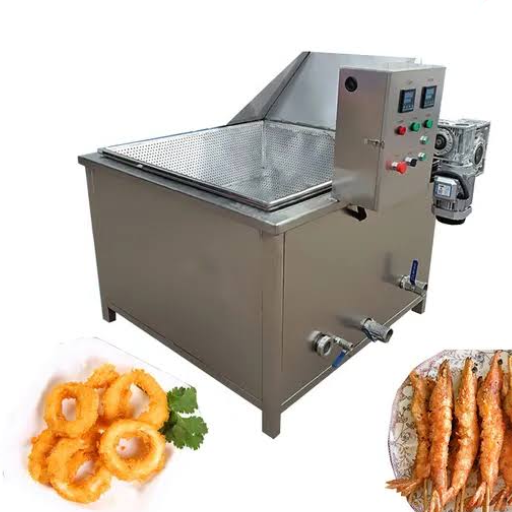
Batch Fryer Price Guide: What It Really Costs in 2026

Here is the short answer: an industrial batch fryer price usually falls between 3,500and3,500and24,000, while a commercial restaurant batch fryer runs 1,000to1,000to7,000. Where your quote lands depends on capacity, heating method, automation level, and certification, not on a fixed menu price.
If you have ever typed “batch fryer price” into a search bar, you already know the problem. One listing shows 3,500 for a small frying pot. Another shows 3,500 for a small frying pot. Another shows24,000 for a CE-certified automated system.
Both are technically batch fryers. The gap between them is not markup. It is engineering.
Priya runs a growing snack brand in Lagos. Last year she built her whole production plan around a listing she saw for $3,550. She budgeted, ordered, and launched.
Then she learned the machine she actually needed, with automatic discharge and enough capacity for her order volume, cost $10,600. She did not waste money. She just did not know what moved the price. This guide exists so you do not make the same miscalculation.
Here is what you will learn: the real price tiers for batch fryers, the seven factors that move the cost, how batch compares to continuous frying, and how to request a quote that actually matches your production goals.
Key Takeaways
- An industrial batch fryer price spans roughly 3,500to3,500to24,000; most food processors pay between 5,000and5,000and11,000 for an automatic model.
- Capacity, heating method, automation, stainless steel grade, and certification drive the biggest price differences.
- Batch fryers cost less upfront than continuous fryers, but the total cost of ownership is what decides the smarter purchase.
- Gas batch fryers usually cost less to run than electric at high throughput, but electric offers simpler installation.
- The cheapest listing is rarely the cheapest to own once you account for oil, energy, labor, and downtime.
How Much Does a Batch Fryer Cost?
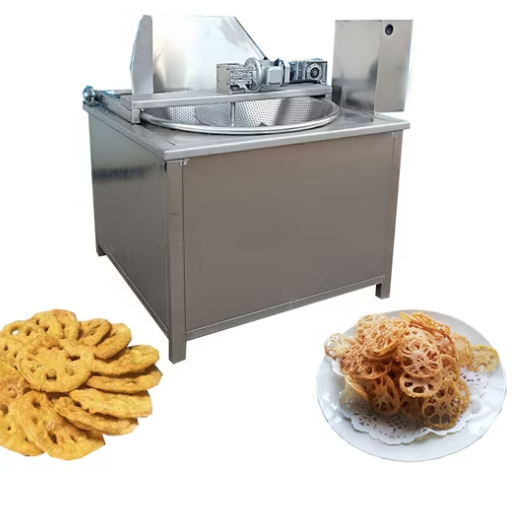
A commercial batch fryer cost depends on where you are buying and what the machine does. To make it concrete, here is how prices break down across five tiers, based on current marketplace and manufacturer listings.
| Tier | Capacity and Spec | Typical Price (USD) |
|---|---|---|
| Entry batch pot fryer | 3 to 10 kg per batch, 9 kW, oil-water separation | 3,500to3,500to3,800 |
| Small industrial batch fryer | 50 to 100 kg per hour, 36 kW | 3,550to3,550to6,000 |
| Automatic batch fryer | 100 to 250 kg per hour, gas, PLC, auto stir and discharge | 9,500to9,500to10,600 |
| High-capacity batch fryer | 100 to 150 kg per hour, 240 L oil, gas or LPG | 5,300to5,300to5,400 |
| CE-certified automated fryer | 25 L, full stainless, auto lift and de-oil | up to $24,000 |
For context, a continuous fryer typically starts around 10,000andcanexceed10,000andcanexceed50,000 for larger systems. That single comparison is why most startups begin with a batch machine and scale into continuous later.
Notice that price does not climb in a straight line with capacity. The automatic batch fryer at 10,600costsmorethanthehigh−capacityunitat10,600costsmorethanthehigh−capacityunitat5,400 because it adds PLC controls, automatic stirring, and automatic discharging. Those features save labor, and labor is a cost you pay every single shift. We cover that tradeoff below.
What Affects Batch Fryer Price?
Seven factors explain most of the spread you see across listings. Understand these and you can compare quotes on equal terms.
1. Frying capacity and batch size
Capacity is the biggest single driver. A small pot that fries 3 kg per batch is a different machine from a fryer that handles 100 kg per batch. Bigger tanks, larger burners, and heavier lifting systems all add cost.
Match capacity to your real daily output, not your dream output. Oversizing wastes money upfront; undersizing forces you to buy twice.
2. Heating method
Batch fryers are heated by gas, electric, diesel, or LPG. Gas and LPG are common in high-volume plants because they recover temperature faster and cost less per unit of heat. Electric is simpler to install and is often preferred where gas infrastructure is limited.
The California Energy Commission’s efficiency analysis notes that gas fryers show a stronger life-cycle benefit-cost ratio for high-throughput use, while electric units remain competitive for smaller, intermittent operations. Ask for running cost estimates, not just purchase price.
3. Automation and PLC controls
Manual discharge and manual stirring keep the price low. Add programmable logic control (PLC), automatic temperature hold, automatic stirring, and automatic lifting and discharging, and the price climbs. What you are really buying is consistency and labor.
A machine that stirs itself does not need a worker standing over it. Over a year of three shifts, that automation can pay for itself several times over.
4. Construction material and stainless steel grade
Food-safe 304 stainless steel is the standard for batch fryers. Some manufacturers offer 316 stainless steel for highly acidic or salty products, which resists corrosion better and costs more. Thinner gauge steel cuts cost but shortens equipment life.
Daniel, a plant manager in Guadalajara, learned this the hard way when a low-cost fryer he imported showed rust spotting within eight months. The 900hesavedbecamea900hesavedbecamea6,000 replacement.
5. Certification and compliance
CE certification and other food-safety compliance documentation add cost, but they matter if you sell into regulated markets or plan to export. A CE-certified automated fryer can run to $24,000, while a comparable non-certified unit might be a third of that. If certification is a requirement in your market, build it into the budget from day one.
6. Manufacturer location and shipping
Most industrial batch fryers are manufactured in China, with a dense cluster of producers in Shandong and Henan provinces. Factory-gate prices are competitive, but shipping, import duties, and freight can add 15% to 40% depending on destination. A 6,000machinedeliveredtoaportinNigeriaorIndiararelylandsat6,000machinedeliveredtoaportinNigeriaorIndiararelylandsat6,000. Request a landed cost, not a factory price.
7. Ancillary systems
Oil filtration, fire suppression, storage tanks, and circulating pumps are sometimes listed as options rather than included. Confirm what “complete” means in your quote. A fryer without proper oil filtration will consume more oil over time, quietly adding operating cost.
Batch Fryer vs Continuous Fryer: Price and Total Cost
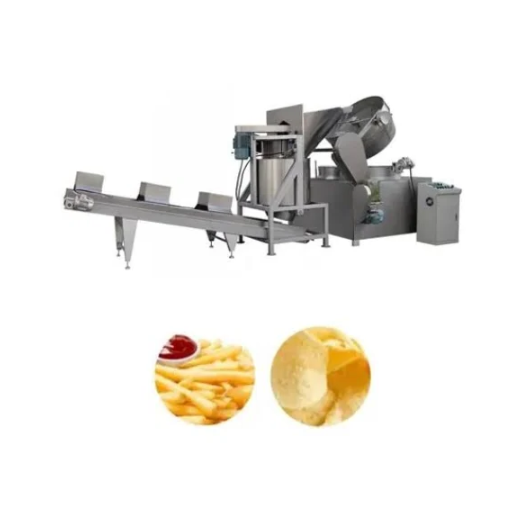
This is the comparison buyers ask about most, and for good reason. The upfront difference is clear, but the long-term picture is more interesting.
Upfront cost comparison
A batch fryer costs less to buy. Continuous fryers start around 10,000andrunpast10,000andrunpast50,000, while a capable batch fryer sits in the 5,000to5,000to11,000 range. If you are launching a product or testing a market, batch is the lower-risk starting point.
Long-term cost: energy, oil, and labor
Continuous frying produces more per hour and needs fewer workers per kilogram. In high-volume, single-product operations, continuous frying can cut labor costs by up to 60%, according to equipment manufacturers. But continuous fryers carry hidden costs too: changeovers of two to four hours between products and minimum run quantities that only make sense at steady, high volume.
Batch fryers cost less upfront but demand more attention. Someone has to monitor each batch, and repeated heating and cooling cycles waste energy. For short runs, multiple products, and variable demand, that flexibility is exactly what you need.
When a batch fryer is the right buy
Choose a batch fryer when your production is under roughly 200 kg per hour, when you run many different products, or when demand is still unpredictable. Choose continuous when you run one product around the clock and can justify the higher capital spend through lower labor cost per kilogram.
Ready to compare real numbers for your product? Explore our fried snack production line to see how batch and continuous frying fit together, or contact our engineers for a landed-cost estimate.
Batch Fryer Price by Application
The same core machine serves many products, but the right configuration changes with what you fry.
Potato chips and nut frying
Potato chips and nuts are the classic batch fryer applications. Kettle-style chips, in particular, rely on batch frying to get the slow-cooked, hard-bite texture that continuous fryers struggle to replicate. For nut frying, oil-water separation fryers are popular because they settle crumbs below the water layer, keeping the oil cleaner and extending its usable life.
Snack pellets and extruded snacks
Extruded snack pellets, like the ones that puff into cheese curls or rings, are often fried in batch machines before seasoning. If you make extruded snacks, the fryer is one part of a larger line that includes the extruder, dryer, and flavoring drum. Our extrusion solutions cover the upstream step so your fried snacks start from a consistent, properly formed pellet.
Meat, fish, and poultry frying
Meat and poultry products need more aggressive heating and often benefit from automatic stirring so pieces cook evenly without sticking. These applications usually sit in the mid to upper price tiers because of the heat load and the hygienic design requirements.
Hidden Costs That Inflate the Sticker Price
The purchase price is only part of the story. These costs show up after the machine is on your floor.
Oil consumption. Frying is oil-hungry. A machine with poor filtration or no oil management can burn through oil fast enough that the savings from a cheap fryer disappear within months.
Energy. Gas versus electric matters most here. At high throughput, gas is usually cheaper to run. At low, intermittent use, the difference narrows.
Labor. A manual batch fryer ties up an operator for every cycle. Automation costs more upfront but frees that person for other work.
Maintenance and spare parts. Low-cost machines often use thinner steel and cheaper components. When a burner or a bearing fails, spare parts from an obscure supplier can mean weeks of downtime. Equipment from an established manufacturer comes with documentation, support, and predictable parts availability.
Shipping and import. Freight, duties, and customs clearance turn a factory price into a landed price. Budget for them up front.
Amara owns a nut processing business in Nairobi. She found two quotes that looked identical on paper, 5,300and5,300and5,400. The lower one did not include an oil storage tank or circulating pump, which she only discovered when the machine arrived.
Those “extras” cost her $1,800 after the fact. The lesson is simple: compare complete systems, not headline prices.
How to Get an Accurate Batch Fryer Quote
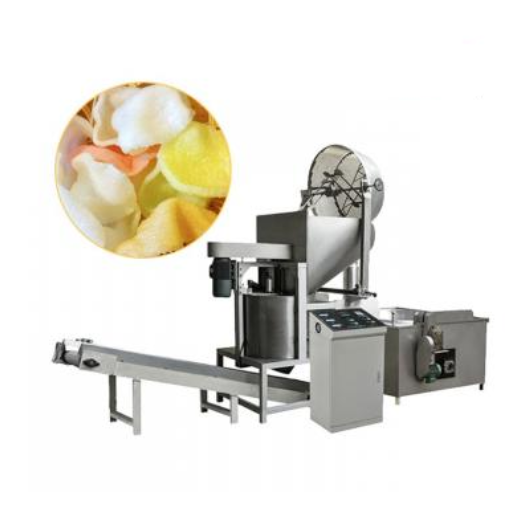
A vague inquiry gets a vague quote. When you contact a manufacturer, have these details ready and you will get a price you can actually trust.
- Product type (chips, nuts, pellets, meat) and its moisture or oil characteristics.
- Required output in kilograms per hour or per day.
- Heating preference (gas, electric, LPG) and what utilities are available at your site.
- Automation needs (manual, automatic stirring, automatic discharge).
- Certification requirements (CE, food safety compliance).
- Destination port so the manufacturer can quote a landed cost.
The more precise your brief, the fewer surprises between quote and delivery. If you are unsure about capacity or configuration, start with a conversation rather than a price. A good manufacturer will help you size the machine correctly before you spend a dollar. You can reach our team through our food equipment catalog to discuss your specific line.
Frequently Asked Questions
What is the cheapest batch fryer price?
A small entry-level batch pot fryer starts around $3,500. These suit low-volume, single-batch production of nuts or small snack runs, not continuous commercial output.
How much does a commercial batch fryer cost to run?
Running cost depends on fuel and oil. Gas is usually cheaper per unit of heat at high throughput, and oil consumption is driven by filtration quality. Total cost of ownership matters more than the sticker price.
Is a batch fryer cheaper than a continuous fryer?
Yes, in upfront price. A batch fryer commonly runs 5,000to5,000to11,000, while a continuous fryer starts around 10,000andclimbspast10,000andclimbspast50,000. For high-volume, single-product lines, continuous can offer lower labor cost per kilogram over time.
How do I choose between a gas and electric batch fryer?
Choose gas for high-volume plants with existing gas service. Choose electric for smaller or intermittent operations where installation simplicity matters more. Ask the manufacturer for running-cost estimates for your specific product.
Why do batch fryer prices vary so much?
Capacity, heating method, automation, stainless steel grade, certification, and shipping all move the price. Two fryers that look alike can differ by thousands of dollars once you compare those factors.
Conclusion
An industrial batch fryer price ranges from about 3,500to3,500to24,000, and most food processors land between 5,000and5,000and11,000 for an automatic machine. The number is driven by capacity, heating method, automation, stainless steel grade, certification, and where the machine ships.
The real decision is not just the batch fryer price. It is total cost of ownership. A cheap fryer that drinks oil, ties up a worker, and rusts in eight months costs more than a well-built machine with support behind it. Know your output, understand the seven cost factors, and request a landed, complete-system quote.
Whether you are frying potato chips in Lagos, nuts in Nairobi, or snack pellets in Guadalajara, the right machine starts with the right questions. We have helped food processors in more than 30 countries size and build frying lines since 2012. Talk to our engineering team and get an accurate quote for your production goals.