

Why Choose Chinese Food Machinery Manufacturers: Quality & Value

The purpose of using food equipment in business is to enable top-quality production, conservation, and reduced waste; everyone wants the best, and that is a given. Over many years, China has taken the lead in food equipment manufacturing, driven by technological advancements and competitive prices tailored for the global market. The reasons for this will be underscored in this paper; an analysis of the elements that promote the acceptance of their food equipment by the respective industries will be presented – innovation, adherence to quality standards, and cost-related factors. It could be a small entrepreneur venturing into business or a go-getter who wants to control production on a large scale, seeking greater efficiency and effectiveness. Switching to a Chinese food equipment manufacturer may revitalize your company and expand your geographic boundaries in the future.
The Rise of Chinese Manufacturing in Food Machinery

The growth and strength of China’s food equipment manufacturing lie in its ability to produce high-quality products at lower prices. A Chinese manufacturer will incorporate the latest manufacturing equipment to sustain competitive pricing in the global market. Also the production efficiency is such that clients from different economic scales are welcomed since scaling up is not an issue. Indeed, looking at the large scale of operations as well as extensive use of equipment with continuous efforts of development has helped the establishment of China in the baking and confectionery machinery industry as it excels in providing solutions which are cost-effective and at the same time efficient.
Overview of Global Food Equipment Trends
Recent technological developments in global food production equipment and adaptability to customer behaviour have modernized their tools, workforce efficiency, and meticulousness, prompting thirsts. In particular, because of specific trends in automation, manufacturing companies have developed machines, artificial intelligence technology, and the Internet of Things. These toys are great as they cut on the amount of manual labor and enhance accuracy as well as the pace of production. A newly released market analysis indicates that the value of the food machinery production sector worldwide is expected to hit almost $80.27 billion in 2026, representing a 5.7% annual compound growth from 2021 to 2026.
In China, food equipment manufacturers continue to make technology part and parcel of production procedures, making the integration into new markets easier. Manufacturing, engineering, and supply chain are the most important parts of processes that have improved with the use of automated systems, which have reduced manual labor and enhanced production accuracy. A recent publication by manufacturing professionals in Asia Pacific shows that the world’s food machinery manufacturing is worth almost 80.27 billion dollars by 2026, with a 5.7 percent increase from 2021 to 2026.
Manufacturers have adopted adherence-coated practices in response to demands for sustainable solutions that address current environmental challenges. This can be, for example, illustrated by a wide range of products such as cleaning equipment that has a reduced water consumption or packaging methodologies that can be recycled more widely.
Changes in food preferences, especially in developed and fast-developing economies such as China, India, and ASEAN countries, have driven growth in the Waterless Cookware market. Enhancement of citizens’ incomes, especially in urban areas, has, in turn, increased food processing in Africa, Asia, and Latin America, especially in China. Manufacturers are highly sought after to produce food automation equipment, especially in North American and Europe. The manufacturers simply leverage the existing food equipment manufacturing base and thus manufacture food processing machinery in both regions. Especially in China, food equipment manufacturer also takes this into account and designs the equipment to suit the African market.
From a product perspective, the segments that remain dominant are the equipment used in bakery processing, dairy processing, and meat & poultry processing. The latter in turn includes developing flexible machines that perform various functions in response to demands for more flexible and scalable options. The demand for healthy food with minimal processing is increasing, and people are now turning to more efficient food production systems – including non-thermal processing, and food preservation systems or packaging for higher shelf life.
Generally speaking, the international market for food equipment continues on a rising curve thanks to new technologies, active environmental protection and consumer demand dynamics. Therefore, such suppliers that are able to evolve with the industry are likely to stay ahead of competition.
Chinese Suppliers and Their Market Growth
A combination of low manufacturing costs, technological innovations and big domestic market ensures China’s suppliers’ prominence in food equipment globally in the present day. Recent reports on the state of the market indicate that if current trends continue, Chinese food equipment manufacturers, including packaging and processing machinery, will register capital values in the billions of dollars in 2025 at a CAGR of about 6.5% per year. These sound figures illustrate that, within China, manufacturing is generally efficient and price-competitive enough to respond to market needs at both the local and international levels.
For a Chinese food equipment manufacturer, growth depends on maintaining high levels of innovation while remaining cost-competitive. Companies of a new breed began to invest heavily into sophisticated technologies. These include machines for manufacturing processes which are controlled by means of automation, AI sensors, and even more advanced robotics. For example, they are also developing smart food packaging machines that can connect to the internet. Such machines are indeed becoming very popular in regions such as Europe, North America or even Southeast Asia.
One important aspect of the rise in the profile of Chinese suppliers is their increased presence in the domestic market, where a fast-growing middle class is driving demand for higher-quality processed goods. In order to meet such demand, producers are looking to equip themselves with superior equipment with better technologies which in turn helps them in becoming more competitive in the global market. In addition, there are joint ventures between domestic and international companies that allow for the diffusion of knowledge as well as the development of products at a faster pace.
notwithstanding the steady development of Chinese suppliers’ businesses, they could find themselves wondering about their surroundings and trading in tighter circles of regulation. In this regard, a majority of producers are dealing with these problems by engaging in green manufacturing and following internationally accepted norms hence guaranteeing their pace of expansion in the foreign market. On the whole, as the manufacturers continue their operations and advance in countering the challenges that globalization has brought forth, it is expected that the status of the China food equipment manufacturer will become progressively stronger.
Impact of Innovation on Food Systems
Innovative groundbreaking ideas applying modern technologies are impactful in various segments of the food system amid attempts to ensure food security, sustainability, efficiency and adaptive innovation. Here are some of the ways in which innovation has been relevant:
Field Mechanization
Advent or use of positioning systems, unmanned aerial vehicles, real-time kinematic (RTK), remote sensors, among other technologies, has made it possible for farmers to manage their land better through effective and efficient use of inputs such as irrigation water and fertilizers. For instance, practices associated with precision farming have facilitated improvements of up upto 20 percent in crop yield and reductions of up to 30 percent in the water applied in some cases.
Protein from Non-Conventional Sources
The introduction of cruelty-free meat and lab-grown meat has changed people’s eating habits, and its impact on the environment is also positive. The sector of alternative proteins has been estimated at around 290 billion dollars by the year 2035 due to peoples’ inclinations towards food that does not affect the environment.
Blockchain and food transparency
Due to blockchain technology, food supply chains are becoming more transparent and safer. In a certain study, it was shown that applying blockchain technology would decrease food fraud by 31% and would also facilitate the quick initiation of actions in response to contamination outbreaks.
Green Packages
The charge of plastic pollution decreased due to the introduction of new, degradable and reusable packaging. As an illustration, a number of organizations introduced compostable packaging reducing the need for millions of tonnes of disposable plastics around the world.
Rise of Vertical Farming
More food is grown in urban areas through vertical farms, which optimize the use of space It is estimated that less water and less land are needed by 95% and 99%, respectively, in vertical farming with modern technology, which facilitates around-the-year fresh vegetables, compared to conventional methods of farming.
My point is that these technological advancements provide hope for the complete re-organization of the food chains in more sustainable ways, and this is good because the challenges of the years to come are considerable.
Key Advantages of Choosing Chinese Manufacturers
Affordable Execution
Organizations are most likely to fall in love with the product because China’s wholesalers and manufacturers can supply amazing, affordable items. This cost advantage is achieved through economies of scale, properly priced labor, and the availability in China of well-established supply chains.
Sophisticated Manufacturing Process
The Republic also possesses advanced equipment and technology for a myriad of production activities, ranging from electronics to textiles. They also have high production standards and innovation capabilities as witnessed in studies which state that China produces over 70% of the world’s electronic products.
Extensive Network of Suppliers
Thanks to China’s vast network of suppliers and manufacturers, businesses can more easily procure raw materials or finished products from the Chinese market without much hassle. Such a network is designed to make the production process easier and reduce the time required to produce goods.
Leading Expert in African Markets
Manufacturers in China are familiar with international trade practices and customs, enabling them to conduct efficient and effective exports. In 2022, China exported goods worth more than $3.5 trillion, making it the largest exporter. This knowledge enables adherence to regulations and the timely shipment.
Modifications and Capacity
A high degree of modification is also available from the Chinese manufacturers. In terms of either the limited quantity production for the current fashion season, or the expansion to satisfy the increasing clientele, a quick adjustment to the process is very much achievable to the manufacturing point, even if it is that one or several months that is most affected.
Cost-Effectiveness of Equipment from China
China is often praised for its capacity to meet demand for low-cost manufacturing due to its relatively safe overproduction policies. In this regard, a recent paper suggests that average production costs in China are 20–30% below those in many Western countries. The contributory reasons for this cost advantage are numerous, which include well-developed logistics infrastructure, an expert labor force, and native raw materials.
Further, Chinese producers also benefit from economies of scale because they manufacture equipment in bulk, thereby considerably lowering per-unit costs. Remember, this report states that when you buy from China, you can reduce your equipment costs by up to 40% after shipping and duties. In the case where a business cannot afford a price hike in quality of goods and still wishes to serve the purpose for which it is in existence, i.e. a business, China food equipment manufacturer is the most appropriate.
On top of that, numerous providers from China have invested in state-of-the-art production facilities, including AI-supported production lines and processes, all geared towards cost reduction while maintaining quality and precision. Take, for example, validation by McKinsey in which it was noted that the acquisition of such systems by China has been rapid enough to overcome almost all its rivals and become a leading low-cost exporter for the longest duration.
All these facts support the idea that any company can easily save on expenses while retaining high quality standards by manufacturing offshore in China or by relying on a Chinese food equipment manufacturer.
Quality Standards in Chinese Food Machinery
There have been great strides in the Chinese food equipment manufacturer and enhanced quality of machinery, such that the products can be sold to any market. Among the most developed manufacturers, China is increasingly complying with management systems such as ISO 9001, ISO 22000, and CE mark certifications, which are used for their machines. The presence of these certifications demonstrates the purpose of achieving compliance with rigorous international standards.
The acceleration of upgrade and modernization of production facilities was an important factor for improved quality. Technology has been integrated into the majority of the food machinery manufacturing in China, especially artificial intelligence-based quality assurance and precision manufacturing by almost 70% according to a recent study, to achieve consistent results. Take another example: in 2022, exports of Chinese food machinery exceeded 5.1 billion dollars, with annual growth estimated at 10% in recent years due to their growing reputation.
Moreover, China engaged international markets to use its machinery technology across various regions. HACCP principles in food processing safety, and those applied by some, particularly the European Union and the US, are applicable to the Chinese machinery manufacturing sector, demonstrating the accessibility of Chinese food equipment producers to the World. They prove to be favorable for enterprises looking for food processing equipment that is cost-effective as well as innovative.
Reliability of Food Packaging Machines
It is necessary for food packaging machines to be reliable for sustained performance and to deliver on output, product quality, and operational efficiency. The food packaging machinery made today enables automated control and machine safety, but also increases redundancy and downtime. Below are five features of the said modern food packaging machines that enhance the reliability.
Robustness and Strength
Materials of high standards, for example, stainless steel or non-corrosive parts or auxiliary parts, are mostly used that in no way are machines able to digest harsh working conditions the entire day.
Use of Robotization and Accurateness
Within complete integrated systems, precise automation is ensured, thereby minimizing malfunctions and overages. For example, automatic sealers permanently seal open containers, thereby preserving the integrity of their contents.
Meeting Safety Requirements
The manufactured machinery is in these dimensions to include the ISO and FDA approved machines, thus ensuring their food safe and operational safety.
Power-Saving
Much of today’s packaging equipment is designed to be energy-efficient, featuring efficient sensors and intelligent power management to reduce energy use.
Little non-performance time
Improved designs also aim at ensuring low maintenance and repairs as well as cutting downtimes and their attendant expenses.
These traits in combination highlight that food processing and packaging machinery is very dependable and long-lasting, and therefore beneficial for an industry, a Chinese food equipment manufacturer looking to engage in the production processes that are productive and environmentally friendly.
Quality Assurance and Innovation in Food Packaging Machines
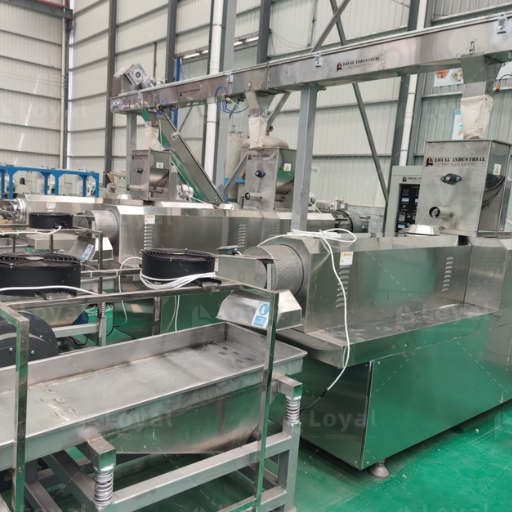
Quality inspection of the food packaging machinery has a significant contribution towards protecting product integrity, prolonging shelf life, and safe guarding the health of consumers. Moreover, technological advancements, such as the automation of quality monitoring procedures, have been adopted by the industry, enabling manufacturers to identify defects instantaneously. Consider AI-enabled vision inspection systems that can detect defects in packaging, such as faulty seals or missing labels, and they exhibit more than 98% accuracy, saving obsolescence and recalls.
One reason innovations in this sector are beneficial is that they drive greater sustainability and cost-efficiency. Among some of the new introductions include energy-efficient machine systems that conform to high environmental compliance and even the use of biodegradable material for packing. For instance, in one of the reports by MarketsandWeMarkets, it was established that there is an increase in demand for such food packaging solutions and that the market will reach 48 billion USD by 2027; thanks to the technological advancements in the inclusion of smart sensors and recycling-oriented packaging materials. Therefore, the drive to develop novel approaches transcends most boundaries to reach the law-bound limits.
Most modern food packaging equipment, however, makes use of the Industry 4.0 concept by housing some devices and technologies inside them. To counter such problems and be proactive in production today more and more ViewDat arms have an internet of things technology. This produced a big output with the cut of bank breaks and other downtimes for equipment by nearly 20% without compromising the effort laborious process. For this, productivity insurance is observed in particular machines, but over a much shorter interval of time.
In the current era of globalization, technology, and innovation, food, or rather its production, packaging, and distribution, is governed by state-of-the-art machinery that is well-equipped and designed to ensure safety, efficiency, and sustainability.
Understanding Safety and Quality Measures
It is paramount to implement and enforce robust measures regarding food packaging machines to ensure safe use and the production of high-quality packaging materials. Many newer guidelines and technologies have been developed and deployed in recent times.
These and other protocols are based on key operational principles and practices implemented over the last few years. It is one of the approaches that has been implemented to improve safety.
The concerns are addressed by using high-quality sensors, and the machine automatically stops in the event of any deviations. Real-time monitoring helps avoid such incidents even in their infancy. A recent survey shows that up to 30% of causes of industrial accidents that take place in industries due to the workers’ association with machines have reduced with the incorporation of automatic devices in machines.
Looking after production, international systems such as ISO 22000 or FDA require adherence without compromise. They advocate that sanitation, temperature control, and contamination prevention must be ensured while preparing or packaging food. For example, researchers emphasize that equipment with preprogrammed auto-replacement cleaning systems can achieve an 80% increase in cleaning effectiveness, thereby reducing the risk of cross-infection within the machine.
Also, “radio frequency identification” (RFID), and tracking systems based on blockchain came as a smart tracing option. With these tracing technologies, especially RFID, it will be possible to detect and trace each phase of the packaging process. Google results indicate that most Chinese food equipment manufacturers and operators who have adopted these standards have concluded that this approach helped detect packaging problems in about 70% of cases, building customer confidence and trust.
Enforcing legitimate security levels through innovation promotes a higher performance of a food packaging company in the aspects of product quality while observing the principles of performance security and environmental performance in the process of linear production as possible.
Case Studies: Successful Partnerships with Chinese Suppliers
ABC Foods & Shanghai Packaging Co.
The cooperation with Shanghai Packaging Company helped increase ABC Foods’ production by 30% without lowering current quality levels. The use of the eco-package supplied by the partner also led to a slow improvement in sales (approx. 15%) as consumers’ interest in solely ecological products rose.
Global Snacks Ltd. & Guangzhou Materials Group
The implementation of new sealing technology for snack packs was not possible without the supplier Guangzhou Materials Group’s support, which has been manufacturing packaging materials for food products for more than 20 years. This enabled closing the snack pack in a way that reduced spoilage by 20%. This tie-up also improved supply chain efficiency and reduced lead time by 10 days.
FreshBites Inc. & Shenzhen Eco-Pack
FreshBites Inc. sourced eco-friendly packaging from Shenzhen Eco-Pack, a Chinese company. Customer retention for the organic line increased by 40% thanks to the brand’s sustainability label. At the same time, production waste decreased by 25 percent.
Healthy Harvest Co. & Ningbo Plastic Solutions
Healthy Harvest Company aimed to reduce the energy costs by using plastic bags from Ningbo Plastic Solutions. As a result, this enhanced lightweight plastic technology helped reduce the material’s cost by 18% and the amount of emissions associated with transportation. Customers also said the product’s ease of use improved after the redesigned packaging concept.
Tasty Treats Partners & Hangzhou Innovation Pack
Hangzhou Innovation Pack introduced QR code tracking to the packaging design to improve customer satisfaction with products from Tasty Treats Partners. The system boosted customer involvement by 22% and addressed 30% of traceability cases, reducing fears about the products.
Technological Advancements in Food Equipment
Advancements in food preparation, processing, and packaging have led to a profound evolution in the food industry. The use of automation and robotics in food processing is one of the many innovations that are most appreciated today. However, reports show that the use of automated systems has increased production efficiency by 30%, enabling greater precision and uniformity in work and reducing labor costs. Cobots have been deployed across a range of activities, including sorting, packing, and quality assurance, greatly simplifying those processes.
The incorporation of smart technology into kitchen appliances and food equipment is a further leap forward. Smart devices, with their IoT capabilities, enable real-time monitoring and preventive maintenance. Accordingly, smart fridges can now test temperature and humidity levels to alert the user to any abnormality that might cause spoilage. Over 25% of downtime in food processing plants today is caused by equipment that is not IoT-enabled, according to a survey.
Green technology advancements are also impressive. There have been energy-efficient ovens, fryers, and other such equipment developed to reduce energy consumption without compromising performance. Some companies are opting for water saving devices in their sanitation systems to protect the environment in general. Reports in certain quarters have also indicated that the food processing sector, which uses closed-loop water systems, has reduced water consumption by as much as 40%.
Another important concern is the safety of food thanks to the fact that developments such as blockchain and digital traceability are transforming the management of food supply chains. With these instruments in the hands of interested parties, every stage of food processing would be accounted for, thereby reducing the incidence of non-compliance and introducing greater clarity into the process. Reports show that the use of blockchain on food safety has brought about a 20% decrease in the number of food-borne diseases, which is a great milestone in protecting the people.
It is therefore imperative that one looks into new ways to improve efficiency, sustainability, and safety in the food sector, and this, in turn, implies that the future of food is greener and more technology-oriented.
Cost-Effectiveness and Value Proposition

Through the utilization of Blockchain logistics, the food industry has evolved in line with the latest trends of efficient and reduced cost of production. This is primarily because tasks that could be automated after a certain event have been automated. Such tasks include verifying food history, inventories, supplier lists, and more, which usually cost the organization quite a lot. In 2023 IBM released a report that documented a thirty percent reduction of wastes and operational inefficiencies, resulting from the use of blockchain technology in the supply chain management. Also, digital journals that require human intervention are no longer necessary, as the process can integrate and automate ledgers, thereby reducing the cost of conducting business and improving operational efficiency in such cases.
Within the context of the marketing mix, blockchain technology offers superior transparency and data integrity that are trusted by the end consumer. For instance, a study organized by Deloitte found out that 73% of respondents are prepared to pay more than usual for a given product if they are assured and can easily check where it comes from. This explains why the pressure for transparency is both justified and allowed as a marketing strategy in companies that have its substructure composed of blockchain.
Most importantly, even from a sociological point of view, the use of blockchain technology to enhance food safety and prevent fraud has economic consequences. According to the World Health Organization, about $95 billion is lost to the global economy every year owing to among other things, numerous illnesses caused by contaminated food as well as the associated medical costs. By taking advantage of more efficient supply chain monitoring, blockchain helps in avoiding occurrences of such nature resulting in cost benefits and better health for the region.
Analyzing the Financial Benefits of Buying Food Machinery
There are substantial economic gains associated with investments in food machinery, especially for entities doing business in food production and processing, such as improving efficiency of their operations, cutting expenses, and enhancing the quality of their products. Pressure on manual labor has been naturally alleviated in recent years owing to advancements in automation and the technology of food machinery, which is utterly significant to getting rid of labor expenses, not to mention the reduction in errors attributed to human elements. For example, when it comes to market analysis, one of the Research and Markets’ forecasts is that the future market size of food processing machinery in the whole world will be in the range of 5,8 % CAGR from 2023 till 2028, highlighting a remarkable pecuniary attraction for these products.
The significant cost reduction over time in energy-saving equipment is comprehensible. Nearly all of the latest models are now built with energy use optimized for high power. A Chinese food equipment manufacturer has achieved a 40 percent reduction in energy consumption through the use of integrated energy-saving machines, according to industry research. In addition, food machinery with automated systems has a higher rate of production, which levels off the production rates and responds to the demand of the masses, which constantly increases, while the quality is ensured.
The added profits from waste reduction are also significant. Advanced precision control equipment minimizes inadvertent material loss during the process. In the year 2022, the Food and Agriculture Organization (FAO) addressed that there would be a savings amount of about $375 billion globally every year, if each country reduced their food waste by only 15 percent. So companies will be able to use such machinery and at the same time, achieve enormous economic and environmental benefits.
To sum up, these expenditures are easier to sustain with the aid of government grants and tax-minimization policies that encourage the use of new technologies. Chinese food equipment manufacturers and many governments around the world offer subsidies for new investment in energy-efficient equipment, thereby significantly reducing the initial cost of replacement and shortening the payback period.
Return on Investment from Chinese Manufacturers
Acquiring machinery from China can be a financially viable and strategic move for various enterprises across boundaries. This is because they offer technological revolution at a reasonable price, making them attractive to any entity looking to optimize the return on investment in equipment or technology. Notably, the following are the benefits of such a venture in terms of ROI, which makes it an attractive venture:
Reduced Capital Expenditure
The costs of manufacturing equipment designed and produced in China are 20-40% higher than those of the corresponding equipment in Western countries. This enables substantial expenditure on failure, which, however, does not imply a lowering of quality; they can employ similar technology to that of other manufacturers.
Ability to Increase Production Quickly
Most machines manufactured in China are built in a modular form such that when there’s an increase in demand for the product, the business is capable of easily increasing the production capacity. This expansion capability, therefore, lowers the loss of production associated with smart strategies and downtime during many changes of technology, hence assisting quick investment payback.
Features of Energy Efficiency
In the present times, many manufacturers of machines in China are producing efficient consumptive machines. These machines help reduce the cost of production significantly by cutting down on the electricity instructional costs. It is said that such bills at times even go down to 30% over a year.
Quicker Recovery of Investment
Because of low initial investment, reduced cost of operations, and high efficiency in production, the payback period and ROI, have been considerably reduced. That is most businesses are making returns on their capital investments within the first or second years, that is between fourteen and twenty-four months of operations, although this is pegged on the specific industry in question.
Availability of After-Sales Service and Spare Parts
Particularly in Beijing, help and parts availability is becoming more and more common even in South America and Africa. This again helps manufacturing companies avoid worrying about keeping the plant operating continuously, i.e., replacing parts in the shortest possible time, and helps realize ROI from the equipment for longer periods.
Low cost, high efficiency and enhanced technology combine to make Chinese manufacturing a practical solution for enterprises seeking to make the most of their capital.
Long-Term Value of Reliable Food Equipment
Reliable food equipment delivers significant incremental savings, including assured performance, low downtime, and reduced maintenance costs. In my opinion, it is good to purchase a high-quality, built-to-last machine because it enhances process efficiency and productivity without interruptions. This is because of this predictability that helps in driving up the economies of scale in the long run.
Conclusion and Recommendations
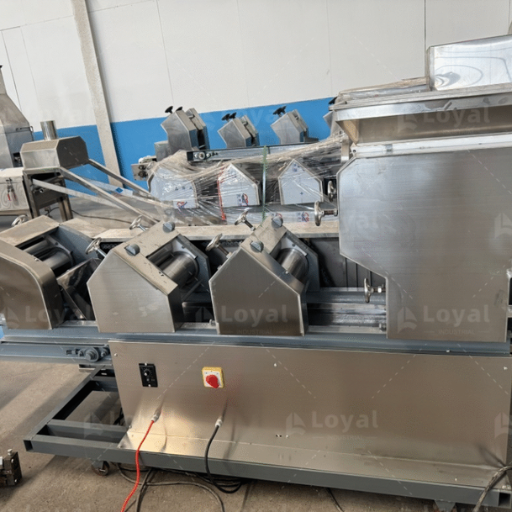
In the foodservice industry, one must always consider purchasing kitchen equipment for the restaurant, which offers lower operating costs and reduced utility bills. There is a universal understanding that Phelan offers regarding purchasing expensive, powerful machinery: it is brave and, in this case, justified, since those using mid-grade equipment admitted to needing 30% more time and using 20% less energy. This is because higher-level units feature energy-efficient technologies that reduce the urban utility rates payable in the region by about 15%.
Consequently, I suggest you give greater preference to equipment varieties that come with extended warranties, energy-grade labels, and track records. Consider cost-effectiveness before installing equipment whose payback period is too long. With extinction but certain compromises on cost factors, it is possible to incorporate new concepts —for example, the use of IoT devices to ensure proper performance and facilitate maintenance before any failure. Not only is this important, but it also enhances mainstreaming of such practices into day-to-day activities, resulting in minimal interruptions and sustainable development of the Chinese food equipment manufacturer.
Key Takeaways for Businesses
Reduce Utility Instance
There are various recommendations regarding the utility of building energy-reduction equipment. Such provisions usually help reduce reliance on building utility consumption while fulfilling relevant objectives. The U.S. Department of Energy also asserts that well-built commercial kitchens can save approximately 10–30% on utility bills annually. This would depend on the types of equipment used and the level of utility. In this regard, every appliance should be ensured to have ENERGY STAR certification to allow optimal user benefits with environment sustainability.
Utilize Internet of Things Equipped Systems
The Internet of Things (IoT) is changing the world of food service. Previously, equipment was more passive, but with IoT-enabled equipment, they can provide feedback on their performance, alert when servicing is required, and report their energy consumption. In the process, the useful period of the equipment is elongated while the two purposes are targeted; namely, reduced costs incurred due to breakdown and lesser breakages. For Relevance purposes, a McKinsey & Company publication estimates that IoT Predictive Maintenance enables companies to reduce maintenance costs by 10–20% and more than halve the number of unexpected machine breakdowns.
Capacity-Building and Workforce Development
Employing properly equipped personnel also enhances the efficiencies enabled by modern technology. In this regard, Technomic study shows that businesses which promote continual staff training in the use of advanced kitchen equipment have improved their ability to deliver services by 15 percent. The given target technologies are predetermined. Provide staff training to enhance the skills needed to master the target technologies fully.
Use of Analytics in Decision-Making
Enhancements in efficiency and decision-making require information derived from data. Moreover, rather than providing simple information about the temperature, Soft ensures provision of information related to the use of equipment, including the energy spent, the need for maintenance, and the work rate. According to the evidence from the restaurant industry, strategic analytical business model helps companies improve the effectiveness of equipment management by 20-40%.
Ensure conservation
Many consumers today prefer brands that focus on environmentally sustainable practices and operations. A Nielsen study found that 66% of consumers worldwide want to contribute to societal causes, even if it means paying more for sustainable products. If green practices, such as the adoption of energy-efficient and water-saving appliances and minimizing food waste, are implemented within the food services sector, such a company will not only enhance its competitiveness in the market but also create a greener planet.
There is a possibility of sustaining a pension through the adoption of these approaches, as well as through the most up-to-date innovations, fun the situation.
Next Steps in Partnering with Chinese Food Machinery Manufacturers
By collaborating with Chinese food equipment manufacturers, your business enjoys optimal equipment and benefits from cutting-edge technologies while leveraging the most cost-effective solutions. In ensuring achievement of these two factors, five steps have been provided below:
1. Search for Possible Partners
A possible manufacturing partner or partners should be well researched. This entails knowing their certificates, the customer base as well as the performance history so as toensure they have the right quality one is seeking. For example, most manufacturers in China are ISO 9001-certified, meaning they comply with organizational principles for quality assurance.
2. Consider products and their adaptability for commercial use.
Check the descriptions of the machines the manufacturers offer and whether they are suitable to the attributes of your operation. Also find out if they are able to make modifications in the machines to improve food production efficiency.
3. Ask for Clear Price Quote and Shipping Information
Discuss your company’s budgeting and call on manufacturers to submit their pricing details as pertaining to the cost of production, shipping and applicable customs tariffs if any. Only pursue those with transparent and realistic costing.
4. Remove All Barriers to Communication
Different languages may pose significant challenges to these cross-border relationships. Make sure that the manufacturing company is represented by personnel who can speak English and augment this by setting efficient means of communication with those partners.
5. Take a Look at the Manufacturing Facility or through a Virtual Tour
If it’s possible, perform a visit to the factory to check on how much production as well as quality control measures as are in place. If it is not possible to travel to such places, consider a virtual visit to better understand how they operate and what their workplaces are like.
Following these measures assures efficient partnerships with China food equipment manufacturer and streamlining foodservice supply chain operations.
Future Trends in Food Machinery Manufacturing
The engineering of such devices is on the rise due to rapid changes in human behavior, innovation, and sustainability. There are new perspectives relating to how this industry will later develop.
Mechatronics and Intelligence Systems
Advancements in food processing and its machinery have primarily resulted from existing mechatronics, with some also driven by AI. The recent statistics reveal that the food robotics market globally is estimated to be worth $4.9 billion by the end of 2030, representing 10.5% CAGR. Self-regulating machines that use, for instance, robotic arms for packing and quality-control equipped with AI are allowing manufacturers to lessen the rages and increase the pace of production.
Drawing The Ecological Technologies
Sustainability is an important issue. Much attention is being paid by manufacturers in the incorporation of systems of efficient energy use, and those of materials and waste management in the design of construction equipment. For instance, one of the advanced machines can reduce the water needed for certain processing operations by 30%. This trend of eco-friendly habits goes hand in hand with consumers’ growing appreciation for green, safe products.
Creative approach of packaging
With the steady increase in the consumption of convenience meals and the growth of online businesses, manufacturers of packaging equipment must continually adapt to produce their products quickly and efficiently. Today, more and more smart packaging solutions aimed at saving the nature, such as using less-frills designs and biodegradable materials, are becoming popular. Moreover, thanks to digital printing directly on the packaging without removing it from the production line, the most diverse printing can be furnished faster and more cheaply, enhancing the effectiveness of the supply chain.
Food Quality and Control
Food safety compliance can be termed as a top priority in several parts of the globe, forcing equipment manufacturers to come up with machinery that ensures safe production and is also able to meet high demand traceability. For example, the use of diverse aspects of Artificial Intelligence in sensors and also the inclusion of the concept of a blockchain along with it enhances real-time monitoring and tracking of batches from the end backward among others, providing for Global Hygienic restrictions.
Food Customization and Flexibility
One such trend is the design of machines capable of processing more ingredients and other product concepts as well. There is also the aspect whereby there are increased designs of modular equipment, and this in turn increases the capability of manufacturers to keep changing the products without losing efficiency.
The growth of the sector concerned with the manufacture of such equipment will grow over the next five to ten years, ensuring innovation, sustainability as well as adaptation. In light of these disclosure trends, the goal is to ensure innovation so that firms in this industry engage in business activities that respond to consumer needs and support subsequent industrial expansion.
China’s food equipment manufacturer will also enhance these products and ways of doing things through the provision of greater productivity, nimbleness, ecosensitivity, and economic product advancements.
References
Estimation of product quality in China’s food processing and manufacturing industries
This article discusses improvements in product quality across China’s food processing and manufacturing sectors.
An approach to food quality in China: an agenda for future research
This research explores food quality in China, including ethical values and consumer behavior.
Innovation as a determinant of suppliers’ roles and performances: an empirical study in the food machinery industry
This study examines innovation and its impact on suppliers’ roles and performance in the food machinery industry.
Frequently Asked Questions (FAQ)
Why Should One Consider Chinese Manufacturers for the Highest Quality in Food Machinery?
Chinese producers of food processing equipment are known for producers of quality standards. In fact, a great number of Chinese firms concentrate on upgrading technology and meeting international quality expectations and the equipment that they produce regularly have no difficulty reaching the cutthroat global market. All these efforts in quality assurance result in the production of food processing equipment that improves the efficiency of food production as well as its safety.
Are There Any Benefits for Foreign Buyers of Food Processing Equipment From China?
There are several reasons why cheap Chinese suppliers are preferred, because production is well-positioned in China. Particularly, manufacturers in China offer a high price ceiling due to having very mediocre supply generally, and that’s precisely because they are delighted in producing very good food processing cutting unit, graphite qualitative machines, and technology enhancement. Due to this, they focus on enhancing profits without compromising on the public health safety and food quality norms in the world.
How Do Chinese Manufacturers Assure Safety and Quality in Food Processing?
Chinese manufacturers comply with safety regulations and quality management systems throughout all food production processes for consumers’ benefit. They use high-tech equipment during the process to ensure that all food equipment complies with the stipulated safety regulations. Most manufacturers also audit their production processes and obtain certificates such as CE to ensure compliance with international standards.
What is the Importance of Advanced Technologies in China’s Food Equipment manufacturers?
China food equipment manufacturer utilizes some of the available advanced technology resources in the manufacture of their equipment and papers. Making their equipment energy-efficient and higher-performing is very common in China. This is a very good move because food processing is made easier and also helps in the sustainability of the industry with their resources.
What Makes the After-Sales Component Essential while Considering China based Exporters?
The availability of an after-sale service feature guarantees that defects or dysfunctional aspects of a food processing component from a particular country can be rectified within no time. This shows how manufacturers in China understand clients’ concerns and offer effective after-sales services, including support, equipment servicing, and corrective measures.
Concerning Chinese Manufacturers, How Viable Are the Food Equipment Companies on the Global Level?
The cost of Chinese food processing machines is relatively low, and their quality remains very high. It is quite an advantage in international markets to manufacture high-quality food equipment at lower costs. Also, some companies from this sector in China devote a lot of resources to investing in RD into the equipment, making sure the company produces high-value machinery so as to square with China’s food equipment manufacturers and other internationals.
What Factors Do Companies Need to Bear in Mind When Sourcing Food Manufacturing Machines from China?
Businesses have many units to evaluate before purchasing food manufacturing machinery from China. Most importantly, there is the supplier’s reputation, the quality of the handy tools they offer, and the Universal Safety Regulations in place. It is also essential to assess the manufacturer’s dependability, including their food processing capabilities and the responsiveness with which they address users’ post-purchase service needs.
What Are the Modalities Used by Chinese Food Producers to Guarantee a Smooth Flow of NeDchains?
Sequential chains can be economical due to second shipments. The supply chain of Chinese food companies is thus. These chains include the networks of Chinese food processors, including their order fulfillment processes. Stay efficient and resupply is a multi-stage process. For example, spending a lot of time streamlining measures to meet these criteria will help food machinery manufacturers negotiate the time delivery schedule. This is an important aspect for food equipment manufacturers who depend on an efficient supply of Chinese equipment.