

The Complete Guide to Vodka Making: From Raw Ingredients to the Final Pour
Vodka production relies on a precise sequence of extracting sugars, fermenting them into an alcohol wash, and systematically stripping away impurities. Whether a distillery begins with potatoes, rye, or winter wheat, the objective is extreme purification rather than complex flavor aging. By manipulating heat, yeast, and specific distillation techniques, raw agricultural starches are converted into a neutral, high-proof spirit ready for filtration. Here is a direct breakdown of exactly how that transformation occurs.
The Basics
At its core, producing this spirit is an exercise in stripping away character rather than building it. While whiskey makers obsess over barrel aging, a vodka distiller’s primary goal is achieving chemical neutrality. The underlying principle relies on ethanol separating from water and other compounds through controlled heating.
Because alcohol boils at roughly 173.1 degrees Fahrenheit—lower than water—applying precise heat allows the ethanol vapor to rise, leaving heavier molecules behind. Commercial operations often push this vapor through towering column stills to hit 190 proof or higher before any dilution happens. It is a highly industrial process.
You cannot just throw heat at a fermented mash and expect a clean run. Temperature fluctuations of even a few degrees may allow unwanted chemical compounds, like methanol or ethyl acetate, to slip into the collection tank. This tends to create the harsh, burning sensation associated with poorly refined batches.
What raw materials are actually used to start the vodka production process?
Legally, you can extract this spirit from almost any agricultural product that contains fermentable sugars or starches. The federal definition leaves a massive window open, meaning the choice of base material comes down to cost, regional availability, and the specific texture the distiller wants to achieve.
Traditional grains
Winter wheat and rye remain the industry standard for a reason. They pack a dense starch content—often hovering around 60 to 72 percent—that enzymes can easily break down into fermentable sugars. Distillers tend to favor winter wheat when they want a slightly softer finish, while rye brings a distinct, spicy bite that cuts through mixers. Corn is also heavily utilized, especially in massive commercial US operations, simply because the high yield per acre makes it incredibly cost-effective.
Potatoes and alternatives
You hear a lot about potato vodka, but it is remarkably labor-intensive compared to processing grain. A standard commercial batch requires roughly 3.5 to 4.2 pounds of potatoes just to produce a single bottle. The cleaning and mashing process is notoriously messy, and the starch conversion takes longer. Still, the resulting spirit tends to carry a heavier, creamier mouthfeel that many purists actively chase.
Beyond roots and grains, modern distillers are experimenting with whatever surplus agriculture is available. Grapes, apples, and even dairy whey may be pumped into the fermentation tanks. As long as the distillation columns strip the alcohol to a high enough proof, the original source material just provides a faint, underlying texture rather than a dominant flavor profile.
How does mashing and fermentation work?
You cannot just hand a raw potato or a handful of milled wheat to a batch of yeast and expect alcohol. Yeast cells are incredibly picky eaters. They only consume simple sugars, which means the complex, locked-up starches inside your raw agricultural materials must be dismantled first.
This is where mashing comes in. It is essentially a massive, temperature-controlled cooking process designed to force grains or tubers to release their stored energy.
Once those starches are exposed and liquefied, the environment is prepped for fermentation. It is a strict biological handoff. The mashing phase preps the food, and the fermentation tanks let the microorganisms do the heavy lifting of generating ethanol. Getting this handoff wrong often ruins the entire production volume before a single drop of liquid hits the still.
3 crucial steps in breaking down starches
First, the raw material has to be aggressively milled or ground into a coarse meal. You are just trying to shatter the outer husks to expose as much internal cellular surface area as possible to the water.
Next comes gelatinization. Distillers mix that milled grain with hot water, typically bringing the temperature up to around 145 to 150 degrees Fahrenheit. The heat causes the tightly bound starch molecules to swell and literally burst open, turning the mixture into a thick, porridge-like consistency.
Finally, the actual chemical conversion takes place. Distillers introduce specific enzymes—often commercially produced alpha and beta-amylase—directly into the hot slurry. Think of these enzymes as microscopic scissors. They actively snip the long, complex starch chains into smaller, easily digestible simple sugars. Without this precise enzymatic reaction, the yeast would simply sit dormant in a tank full of starch. Depending on the exact grain bill and volume, this conversion rest may take anywhere from one to several hours to fully resolve.
The role of yeast in creating the initial alcohol wash
With a tank full of sweet, fermentable liquid ready to go, temperature control becomes the immediate operational priority. Pitching yeast into a mash that is even slightly too hot will instantly kill the culture, stalling the entire batch.
Once the liquid drops to a safe range, usually around 80 degrees Fahrenheit, the yeast goes to work. The biological math is straightforward: the yeast consumes the simple sugars and expels carbon dioxide and ethanol as waste products. A commercial fermentation run tends to be violent and highly active at first, eventually slowing down after three to five days as the sugar supply runs out.
What remains in the tank is not vodka. It is a sour, cloudy, unrefined liquid known in the industry as the wash or distiller’s beer. This wash sits at a relatively low alcoholic strength, often hovering right around 8.5 to 10 percent alcohol by volume. This low-proof, grain-heavy liquid is the exact starting material that gets pumped into the distillation columns.
The Distillation Phase
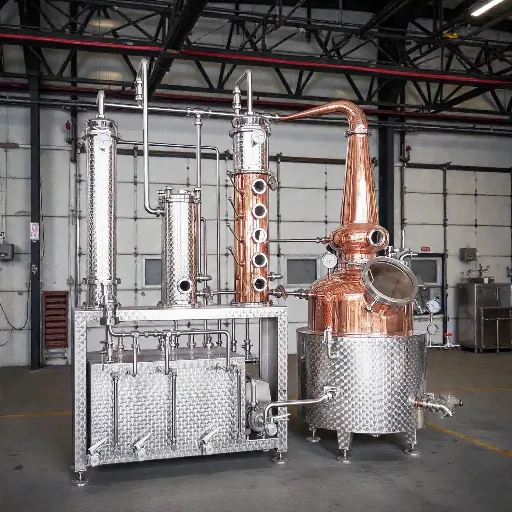
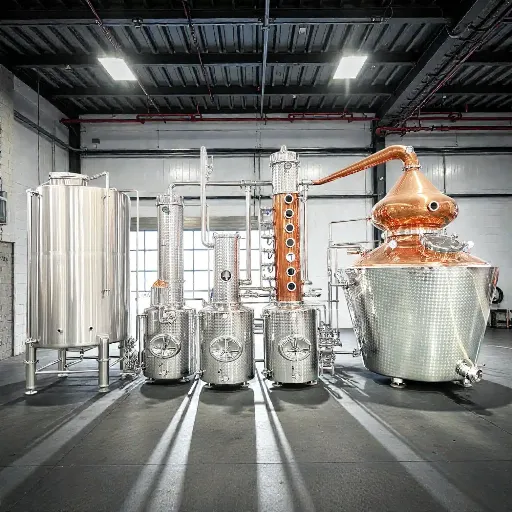
The low-proof wash sitting in the fermentation tanks is biologically complete, but it is a long way from being vodka. Distillation is where the actual spirit is extracted, relying entirely on the physical principle that alcohol boils at a lower temperature than water. By applying controlled heat to the wash, the ethanol turns into vapor before the water does. This vapor rises, gets trapped, and is cooled back into a liquid state.
In commercial vodka production, this phase is less about gentle crafting and more about aggressive purification. The goal is to strip away almost everything that isn’t ethanol and water. While a single pass through a basic still might bump the alcohol by volume from 9 percent up to around 30 percent, that is nowhere near the US federal requirement. To legally be classified as vodka in the United States, the spirit must be distilled to at least 190 proof (95% ABV) before it is ever diluted for bottling.
Hitting that extreme concentration requires immense thermal energy and sophisticated equipment. Pushing a liquid to 95 percent alcohol means separating chemical bonds on a massive scale. Distilleries often run the liquid through multiple, continuous phases of vaporization and condensation to hit that exact purity metric. If the temperature spikes too high, excess water vapor carries over, dragging the proof down. If it drops, the ethanol stops vaporizing entirely.
Column stills vs. pot stills?
Walk into almost any large-scale vodka facility, and you will see towering metal cylinders reaching toward the ceiling. These are column stills. They operate continuously, with the fermented wash pumped in without interruption while high-proof alcohol vapor is drawn off the top. Inside the column, a series of perforated plates forces the rising vapor to repeatedly condense and re-vaporize. Each plate essentially acts as its own mini-distillation event. This is how industrial producers easily hit that mandatory 190 proof.
Pot stills, on the other hand, are batch processors. You fill the copper pot, boil it, collect the vapor, and then you have to shut the whole system down to clean it before starting the next batch. They are notoriously inefficient for creating a purely neutral spirit because they carry over a lot of heavy flavor compounds.
While you might see craft distilleries using pot stills to market a more artisanal vodka with a heavier mouthfeel, it takes multiple separate runs through the pot to even get close to the required proof. For serious commercial output, the continuous efficiency of a column still is the undisputed industry standard.
Stripping the heads and tails to ensure a clean final product
Not all the vapor coming off the still is safe or pleasant to drink. The liquid collected is divided into distinct fractions, entirely based on when it vaporizes.
The very first compounds to boil off are the heads. This volatile mixture is loaded with acetone, acetaldehyde, and methanol—compounds that smell remarkably like nail polish remover and are highly toxic. A still operator must identify exactly when these light, dangerous chemicals stop flowing and the clean ethanol begins. Making this cut too late means acetone slips into the drinking supply, which is a massive liability.
The middle section of the run is the hearts. This is the pure, highly concentrated ethanol that the distillery actually wants to keep. It is clean, neutral, and forms the base of the final product.
Eventually, the temperature inside the still rises enough that heavier compounds start to vaporize. These are the tails. They are thick with fusel oils and heavier alcohols that carry bitter, oily flavors. If the tails bleed into the hearts collection, the entire batch tends to take on a harsh, dirty cardboard taste. Knowing precisely when to divert the collection valves away from the hearts tank is what separates a smooth spirit from an unpalatable one.
Rectification
Even after making careful cuts, the spirit might still carry faint impurities or fall short of the target proof. Rectification fixes this. It is effectively a process of repeated, highly focused distillation designed to scrub the remaining character from the liquid.
Distilleries use specialized rectifying columns that specifically target and strip out microscopic traces of fusel oils or lingering esters. By forcing the ethanol vapor through dozens of condensation cycles within the same column, the liquid is polished to an extreme degree. Some commercial producers push this process until the spirit sits at an incredibly precise 192 or 192.5 proof. At that level of concentration, virtually all raw material characteristics are erased, leaving behind nothing but chemically pure alcohol and a tiny fraction of water.
4 ways modern distilleries filter and purify their spirits
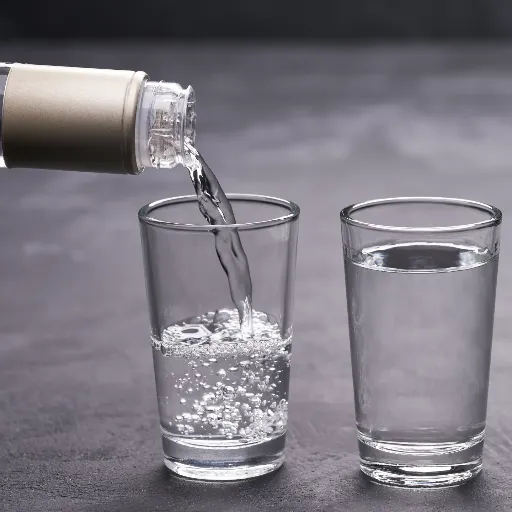
Even after rectification hits US standards of 190 proof, the resulting liquid often carries a harsh, microscopic bite. Distilleries rely on aggressive filtration to strip out those last lingering compounds, effectively designing the final mouthfeel of the vodka before it ever sees a glass.
Activated carbon is the undisputed heavy hitter for this job. Distillers pump the raw liquid through towering vertical columns packed tightly with charcoal. As the spirit slowly descends, the carbon acts as a molecular magnet, trapping trace fusel oils inside its highly porous structure. An interesting industry observation is that the source material for the carbon actually matters. Birch wood charcoal tends to impart a faint, rounded softness to the liquid, whereas coconut shell carbon acts much more aggressively to strip the spirit entirely bare.
Chill filtration addresses a completely different problem: temperature-induced aesthetics. If a consumer tosses a bottle into the freezer, invisible fatty acids left over from the original agricultural mash can suddenly bind together, creating an unappealing cloudy haze. To stop this from happening, commercial producers often drop the bulk liquid temperature down to a brisk 12 to 14.5 degrees Fahrenheit. The intense cold forces those fats to coagulate just enough that they can be snagged by fine metallic mesh screens.
Before the spirit ever touches those expensive carbon systems, it may run through a preliminary bed of highly refined quartz sand. This acts as a brutal, purely physical scrub. Pumping the raw liquid through several feet of packed sand catches larger organic molecules and stray debris straight off the still. It is a highly practical step that prevents the finer downstream filters from clogging prematurely.
The absolute final polish happens right on the edge of the bottling line. Plate and frame filters use tightly compressed sheets of dense cellulose to capture the tiniest microscopic particulate matter. Think of it as an industrial-scale coffee filter. If a distillery were to skip this final membrane pass, a buyer might eventually notice a faint, gritty dusting of black carbon powder settled at the bottom of their bottle.
Dilution and bottling the final spirit to meet US standard proof requirements
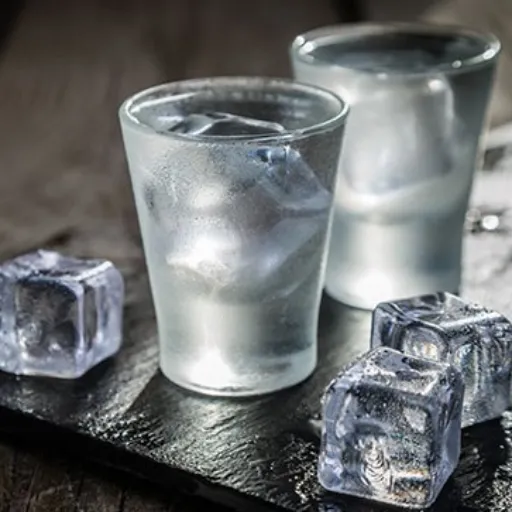
What comes off the final filtration line is essentially weaponized alcohol. Sitting at 190 proof or higher, it is entirely unpalatable and illegal to sell directly to consumers as standard vodka. To hit the retail shelves, the raw spirit has to be drastically cut down.
In the United States, federal law mandates that vodka must be bottled at no less than 80 proof, which translates to exactly 40 percent alcohol by volume. Distillers carefully pump purified water into the high-proof holding tanks, constantly measuring the liquid density with an industrial hydrometer to hit that exact legal threshold. It is a slow, highly methodical process. You cannot just dump a massive vat of water into pure ethanol and immediately turn on the bottling line. If the dilution happens too rapidly, the mixture can undergo a sudden exothermic reaction, physically heating up and potentially permanently altering the smooth texture of the liquid.
Water quality matters
Because every standard bottle on a liquor store shelf is exactly 60 percent water, the chemical makeup of that water heavily dictates the final drinking experience. Distillers treat their dilution water with the same intense paranoia as their yeast strains.
If a facility pulls hard, mineral-heavy municipal tap water and uses it to cut a pristine, neutral spirit, the resulting batch often tastes chalky or aggressively metallic. A common industry observation is that major commercial producers will strip their water down to absolute zero using massive reverse osmosis membranes, effectively creating a completely blank liquid canvas.
From there, many choose to artificially build a specific mineral profile back into the water before the final dilution happens. Adding a highly calculated 12 or 15 parts per million of calcium or magnesium tends to give the spirit a subtle, rounder mouthfeel that pure distilled water simply cannot provide. It is a deliberate chemistry trick that transforms a harsh, scientific ethanol blend into something a consumer actually wants to sip over ice.
FAQ Section
Can you make vodka out of anything?
Legally and chemically, yes. If an agricultural product contains sugar or starch that enzymes can break down, yeast can ferment it into alcohol. While winter wheat and potatoes dominate the market, commercial distillers have successfully run batches using everything from leftover milk whey to surplus apples. It really just comes down to the cost of raw material extraction and whether the base mash will gum up the distillation columns.
How many times does vodka actually need to be distilled?
The number printed on a bottle label is often just a marketing tactic. If a facility operates a massive continuous column still, the alcohol vapor might pass through 40 or 50 internal plates in a single run. Because each plate acts as a mini-distillation event, claiming a spirit is “triple distilled” usually just means it was processed through a specific configuration of columns or passed through a traditional pot still three times. The actual goal is simply hitting that mandatory 190 proof, regardless of how many technical passes it takes.
Is all vodka naturally gluten-free?
Pure distilled spirits are inherently gluten-free. The intense heat of the distillation process leaves heavy proteins—including gluten—behind in the boiling vat because they physically cannot vaporize. Even if the original mash consisted entirely of rye or wheat, the pure ethanol that reaches the collection tank contains zero gluten molecules. However, cross-contamination on the bottling line or the addition of synthetic flavorings after distillation can occasionally introduce trace amounts back into the liquid.
What causes the difference in taste between cheap and premium vodka?
It almost always comes down to how aggressive the distillery was during the chemical cuts and the final filtration. Budget brands tend to run their stills faster and may allow a wider fraction of the harsh heads or oily tails to bleed into the final collection tank just to maximize their volume yield. Premium producers sacrifice that volume for absolute purity. They also tend to invest heavily in specialized carbon or quartz filtration systems that scrub out microscopic impurities, leaving a significantly smoother finish.
How long does the mash fermentation process take?
The active bubbling in the fermentation tanks typically wraps up in about 72 to 110 hours. The exact timeline fluctuates constantly based on the ambient temperature and the specific strain of yeast pitched into the wash. If the warehouse floor drops a few degrees overnight, the yeast immediately slows down its consumption of the sugars, dragging the entire process out. Once the biological activity stops and the sugar is entirely depleted, the unrefined wash is ready for the still.
Does vodka age in barrels like whiskey?
It does not. Whiskey relies entirely on charred oak to extract complex flavors, tannins, and a deep color over several years. Vodka producers want exactly the opposite. The moment the spirit clears the final filtration membrane and hits the legal dilution threshold, it is chemically finished. Facilities will pump the liquid into massive inert stainless steel holding tanks just to let it rest and allow the water and ethanol to fully integrate, but it never touches wood.