
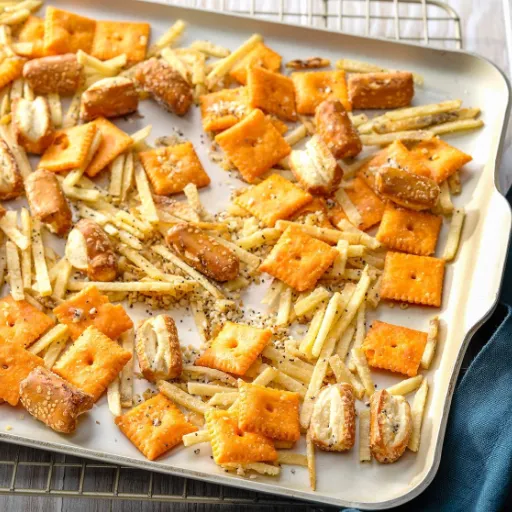
Easy Snacks to Sell: Low-Effort Ideas for Beginners and Side Hustlers

The easiest snacks to sell are popcorn, cookies, energy bites, roasted nuts, granola bars, brownies, fruit chips, and cotton candy. They require minimal ingredients, simple equipment, and little prep time, making them ideal for beginners, students, and side hustlers who want to start earning quickly without a commercial kitchen.
But not every “easy” snack is profitable in every venue. A high schooler selling at lunch needs a different product than a parent launching an Etsy shop from home. The real question is not just what is easy to make, but what is easy to sell where you plan to sell it.
In this guide, you will learn how to choose the right easy snack for your audience, price it for profit, package it legally, and scale from a first sale to a small production operation. We will keep the focus on low-effort, low-cost ideas that still leave room for real growth.
Key Takeaways
- Popcorn, cookies, energy bites, and roasted nuts are the easiest snacks to sell because they need minimal equipment and ingredients.
- The best venue shapes your product choice: school sales favor single-serve packs, home/online sales favor shelf-stable items, and events favor impulse snacks.
- A simple costing formula (ingredients + packaging + labor + overhead) protects your margin from day one.
- Most easy snacks can launch for under $100, then scale through entry-level equipment and eventually small production lines.
- Shandong Loyal offers modular snack production equipment for entrepreneurs ready to grow beyond the home kitchen.
What Makes a Snack “Easy” to Sell?
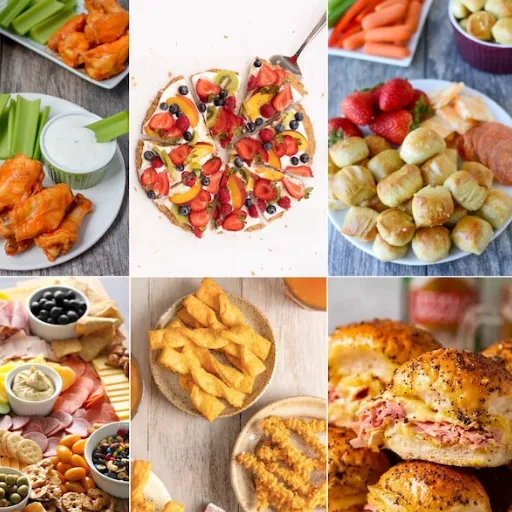
An easy snack to sell checks four boxes: few ingredients, short prep time, minimal equipment, and strong impulse appeal. If a recipe needs specialized tools, rare ingredients, or careful temperature control, it is not easy for a beginner. If it spoils in a day or looks unappealing in a plastic bag, it is not easy to sell.
Few ingredients.Popcorn requires kernels, oil, salt, and flavorings. Cookies require flour, sugar, butter, and eggs. Energy bites require oats, nut butter, honey, and additions. Simple recipes reduce shopping time, lower costs, and make batch consistency easier.
Short prep time. The best beginner snacks take under two hours from start to packaged finish. No-bake energy bites can be rolled in 30 minutes. A batch of cookies bakes in 15. Roasted nuts need 20 minutes in the oven. Fast production means you can fulfill orders without giving up your weekend.
Minimal equipment. An easy snack should work with tools most people already own: an oven, a mixing bowl, a spoon, and basic packaging. When you later add a convection oven, impulse sealer, or small fryer, you are scaling, not surviving.
Strong impulse appeal. The snack should look and smell good enough that someone buys it without planning to. Bright packaging, familiar flavors, and single-serve portions trigger impulse purchases at school, markets, and events.
When Maya Chen, a college student in Kuala Lumpur, wanted extra income, she chose popcorn. She already had a pot and a stove. She bought kernels, oil, and paper bags for under $30. Within two weeks, she was selling flavored popcorn outside her dormitory every Friday evening. Her secret was not a secret recipe. It was choosing a snack that was easy to make, easy to carry, and easy to crave.
12 Easy Snacks to Sell (Ranked by Difficulty)
The list below separates snacks by how much effort they require. No-cook options are the fastest. Baked goods add a little complexity. Savory and health-focused snacks let you charge premium prices once you build confidence.
No-Cook / No-Bake Options
These are the fastest to produce and the most forgiving for beginners.
Popcorn. Raw popcorn kernels cost about 1–1–2 per kilogram. Flavored retail bags often sell for 15–15–30 per kilogram. This results in gross margins as high as 80%. Add caramel, cheese, kettle corn, and spicy variations to bring them back for more.
Energy bites. Mix oats, nut butter, honey, and extras such as chocolate chips or dried fruits. Roll into balls, chill, and package. No baking required. They appeal to gym-goers, students, and busy parents.
Trail mix. Buy nuts, seeds, dried fruit, and small candies in bulk, then blend and bag. Customization is your advantage: spicy, sweet, kid-friendly, or protein-heavy.
Cotton candy. Sugar and flavoring are cheap. A small home cotton candy machine pays for itself quickly at events. The visual appeal alone drives sales.
Baked Goods Beginners Can Master
Baked goods feel familiar to buyers and are easy to portion into single servings.
Cookies. Chocolate chip, oatmeal, peanut butter, and sugar cookies are classics. Bake, cool, and seal in clear pouches. One batch can yield 24–48 units.
Brownies. Cut into squares, wrap individually, and price per piece. Brownies travel well and have strong perceived value.
Muffins and cupcakes. Mini versions are easier to price and sell than full-sized ones. They work well for school sales and morning markets.
Rice Krispies treats. Melt, mix, press, cut, and wrap. They are fast, cheap, and popular with younger customers.
Savory Sellers
Savory snacks often have longer shelf life and lower ingredient cost than sweets.
Roasted nuts. Almonds, cashews, peanuts, and mixed nuts can be honey-roasted, spicy, or salted. Bulk buying keeps costs low.
Seasoned popcorn and chips. Plain popcorn or tortilla chips become premium products with cheese powder, chili-lime, or garlic-herb seasoning.
Chips and salsa. Pre-portion chips into small bags with a sealed cup of salsa. This works at events and school functions where fresh food is allowed.
Health-Conscious Picks
Health-focused snacks let you charge more per unit.
Granola bars. Bake in a sheet pan, cut, and wrap. Position them as fuel for athletes, hikers, or busy professionals.
Fruit chips. Dehydrated apple, banana, or mango chips need a dehydrator or low oven. They appeal to parents and health-conscious buyers.
Protein balls. Add protein powder to your energy bite base. Market them to fitness-focused customers.
Easy Snacks Comparison Table
| Snack | Startup Cost | Effort Level | Margin Potential | Best Venue |
|---|---|---|---|---|
| Popcorn | 10–10–30 | Very low | Very high | School, events |
| Energy bites | 20–20–40 | Very low | High | Home/online, gyms |
| Cookies | 15–15–35 | Low | Medium-High | School, home |
| Brownies | 15–15–35 | Low | Medium-High | School, events |
| Roasted nuts | 25–25–50 | Low | High | Markets, online |
| Granola bars | 20–20–45 | Medium | High | Online, gyms |
| Cotton candy | 30–30–80 | Very low | Very high | Events |
| Fruit chips | 40–40–100 | Medium | Medium | Online, markets |
This table gives you a starting point, but your local market will shape the final choice. A snack that sells well at a school in Manila may not work at a farmers market in Munich. Test one product in one venue before expanding.
Want to see which snack categories scale into full production? Read our guide to the best snacks to sell for profit for a manufacturing-focused breakdown.
Where to Sell Easy Snacks
The venue determines your packaging, pricing, and product choice. Beginners often fail because they pick a great snack for the wrong place.
At School
School sales reward portability, single-serve packaging, and low price points. Students have limited cash and short decision windows. Cookies, brownies, popcorn bags, chips, candy, and fruit cups are classic choices.
Check school policies first. Some schools ban certain foods, require allergy labeling, or restrict sales to approved events. Avoid items with common allergens unless you can label them clearly. Offer variety packs so customers can mix and match.
Pricing at school usually ranges from 0.50to0.50to3.00 per item. The goal is high turnover, not high markup per unit. A student who sells 50 popcorn bags at 1.50eachclears1.50eachclears75 in one lunch period.
From Home and Online
Home-based and online sales favor shelf-stable snacks that ship well. Popcorn, cookies, granola, energy bites, roasted nuts, and fruit chips all fit. Cottage food laws in many regions allow these products to be made in a home kitchen, though rules vary by state and country.
Online platforms like Etsy, Shopify, Facebook Marketplace, and WhatsApp groups are common starting points. Packaging becomes part of your brand. Invest in sealed pouches, clear labels, and a simple logo. Customers buy with their eyes first.
Shipping adds complexity. Choose snacks that do not crumble easily and have a shelf life of at least one to two weeks. Include ingredient and allergen labels on every package.
At Events, Markets, and Concessions
Events and concessions are built on impulse. The smell of fresh popcorn, the sight of colorful cotton candy, and the sound of a busy stall all drive sales. Popcorn, cotton candy, pretzels, nachos, and cold drinks dominate this channel.
Presentation matters more here. Use clear containers, bright signage, and samples if allowed. Price items so customers can pay with small bills or cards. A 3–3–5 price point is the sweet spot for event snacks.
Weather and venue rules affect your menu. Outdoor summer events need heat-stable products. Indoor markets may restrict open flames or frying. Always confirm permissions before committing.
When Carlos and Maria added a popcorn stand to their weekend flea-market booth in São Paulo, they thought it would be a small add-on. They bought a simple popper and four flavor seasonings. Within a month, popcorn became 40% of their revenue. The lesson: at events, the easiest product to sell is often the one people can smell from three stalls away.
Pricing Easy Snacks for Profit
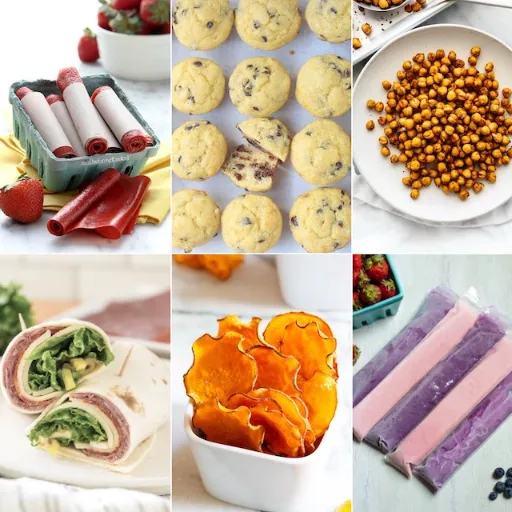
Pricing is where many beginner snack sellers lose money. They undercharge because they forget to account for labor, packaging, and overhead. A simple formula keeps you profitable from the first sale.
The Simple Costing Formula
Total cost = ingredients + packaging + labor + overhead
Ingredients. Add up everything that goes into one batch, then divide by the number of units it produces. A 10batchthatyields50cookiescosts10batchthatyields50cookiescosts0.20 per cookie in ingredients.
Packaging. Include bags, labels, stickers, and ribbons. If a pack of 100 bags costs 5,eachbagcosts5,eachbagcosts0.05.
Labor. Even if you work for free at first, assign a value to your time. If a batch takes one hour and you value your time at 15,dividethatbyunitsproduced.For50cookies,laboris15,dividethatbyunitsproduced.For50cookies,laboris0.30 per cookie.
Overhead. Include electricity, gas, transport, stall fees, and platform commissions. Estimate a small percentage per unit until you have real data.
Example Margin Calculation
Let us say you sell caramel popcorn in 100-gram bags.
| Cost Item | Per Bag |
|---|---|
| Popcorn, oil, sugar, flavoring | $0.35 |
| Bag + label | $0.15 |
| Labor (10 minutes at $15/hour) | $0.25 |
| Overhead | $0.10 |
| Total cost | $0.85 |
If you sell each bag for 2.50,yourgrossprofitis2.50,yourgrossprofitis1.65 per bag, or a 66% margin. Sell 100 bags and you clear $165.
Pricing Psychology for Impulse Buyers
Impulse buyers respond to round numbers and visible value. A 2bagfeelscheaperthan2bagfeelscheaperthan1.99 at a school stall. A “3 for $5” deal increases average order size. Bundle complementary items, like cookies and brownies, at a slight discount.
Do not compete only on price. Compete on convenience, flavor, and presentation. A slightly higher price with better packaging often outsells the cheapest option.
Getting Started with $100 or Less
You do not need a business loan to start selling snacks. You need one product, one venue, and a small test batch. Here is a simple launch path.
Step 1: Choose One Snack and One Venue
Pick the easiest snack you can make consistently. Match it to the venue you already have access to. If you are a student, start at school. If you are active in a local community group, start there. Do not try to sell everywhere at once.
Step 2: Test With Friends, Classmates, or Neighbors
Give away or sell a small batch to people you know. Ask for honest feedback. Was it too sweet? Too salty? Was the packaging appealing? Would they buy it again?
Step 3: Refine Before You Scale
Adjust your recipe, price, and packaging based on feedback. Only buy more supplies or equipment after you have repeat customers. This protects your cash and proves demand.
Aisha, a home baker in Lagos, started with no-bake peanut butter energy bites. She sold the first 20 bags through her church WhatsApp group. After positive feedback, she added a chocolate variant and began taking pre-orders. She spent less than $80 before knowing the idea had legs. Her patience with testing saved her from investing in packaging she later realized was too large.
Ready to turn your first snack idea into a real business? Our complete guide on how to start a snack business walks through recipes, legal setup, and scaling step by step.
When to Move from Easy Homemade to Small-Batch Equipment
There is a natural ceiling to what you can produce by hand in a home kitchen. Knowing when to upgrade equipment is the difference between a hobby and a growing business.
Signs Demand Is Outpacing Your Kitchen
You are ready to scale when you consistently sell out, spend more time producing than selling, and have repeat orders you cannot fulfill. If you are turning down customers or working late every night, it is time to look at equipment.
Entry-Level Equipment for Growth
Before industrial lines, consider smaller commercial tools:
- Convection oven: Bakes more evenly and faster than a standard home oven.
- Stand mixer: Handles larger dough and batter batches.
- Impulse sealer: Creates professional, airtight packaging.
- Dehydrator: Expands fruit chip and vegetable chip production.
- Small continuous fryer or popcorn machine: Supports event and concession growth.
These tools often cost a few hundred to a few thousand dollars. They bridge the gap between cottage kitchen and full production facility.
How Automated Snack Lines Reduce Cost Per Unit
Once your monthly volume justifies it, automated equipment lowers your cost per unit and improves consistency. A twin-screw extruder can produce puff snacks in uniform shapes. A continuous fryer cooks chips at a steady rate. A seasoning drum applies flavor evenly. A flow wrapper packages products for retail.
Automation is not an early-stage need. It is a scaling tool. But planning for it from the start helps you choose snacks that can eventually move from hand-rolling to machine production.
Shandong Loyal designs modular snack production lines for entrepreneurs ready to scale. Whether you need a fried snack production line for chips and crisps or food extrusion solutions for puff snacks and cereals, our engineers tailor equipment to your product, capacity, and budget.
Conclusion
Easy snacks to sell are not about finding a magic recipe. They are about matching a simple product to a hungry audience, pricing it honestly, and growing only when demand proves itself.
Start with one of the low-effort options we covered: popcorn, cookies, energy bites, or roasted nuts. Test it in one venue. Track your costs. Listen to your first customers. Then reinvest profits into better packaging, small equipment, and eventually automated production.
The snack industry is growing fast. According to Towards FnB, the global snack food market is projected to reach 283.24billionin2026.Healthysnackingisexpandingtoo,with[PolarisMarketResearch](https://www.polarismarketresearch.com/industry−analysis/healthy−snacks−market)projectingthehealthysnacksmarketat283.24billionin2026.Healthysnackingisexpandingtoo,with[PolarisMarketResearch](https://www.polarismarketresearch.com/industry−analysis/healthy−snacks−market)projectingthehealthysnacksmarketat117.18 billion in 2026. That growth creates room for small sellers who start simple and scale smart.
Ready to grow your snack business beyond the kitchen? Contact Shandong Loyal today for a free consultation. We will help you choose the right production equipment to match your product, volume, and budget.