
Identifying and Managing Mold on Cashews: A Safety Guide for Consumers

Finding mold on cashews is more than a culinary nuisance; it is a significant food safety risk that requires immediate action. Because cashews are susceptible to invisible mycotoxins like aflatoxin, distinguishing between harmless surface dust and active fungal growth is critical. If you notice fuzzy textures, dark spotting, or a distinct musty odor, the integrity of the entire batch is likely compromised. Handling these nuts properly ensures you avoid acute digestive upset and long-term toxicity.
Spotting the Signs: How to Tell if Your Cashews are Moldy
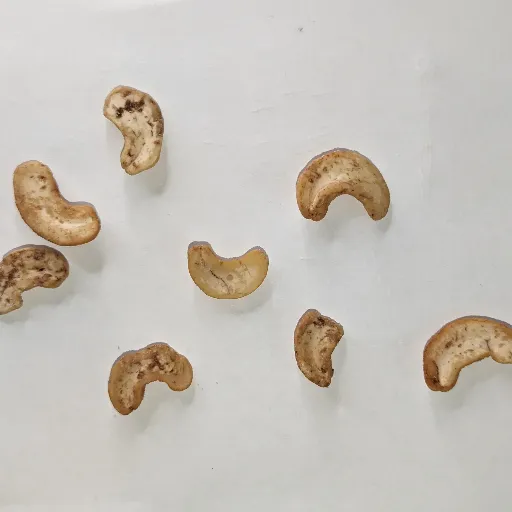
Vigilance is your only real defense when inspecting bulk nuts. Mold doesn’t always announce itself with a giant green patch; it often begins as a subtle, microscopic colonization that alters the nut’s integrity before it’s even visible to the naked eye. By the time you notice a change, the fungal hyphae have likely penetrated deep into the cashew’s soft, fatty tissue.
Visual Indicators and Surface Textures
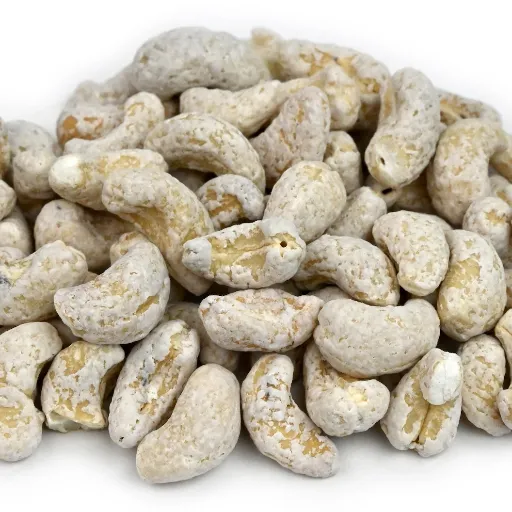
Look for anything that breaks the uniform, creamy tan color of a healthy cashew. Mold on cashews frequently manifests as fuzzy white filaments, dark green specks, or black soot-like spots.
A practical example of early-stage spoilage is a “dusty” appearance that doesn’t shake off. If you notice a web-like structure—similar to a tiny, thin spiderweb—nestled in the C-curve of the nut, that is mycelium. This isn’t just a surface issue; fungi thrive on the high oil content of the cashew, often turning the texture from crisp and firm to slightly rubbery or unnaturally soft.
Distinguishing Between Natural Dust and Fungal Growth
It’s easy to get paranoid. Cashews naturally produce a small amount of “nut dust” or fine particles from friction during shipping. Industry observation suggests that roughly 2-3% of a bulk bag may contain these fine, pale shavings.
How do you tell them apart? Natural dust is dry, lacks structure, and usually collects at the bottom of the bag. Mold, conversely, clings to the nut. If you try to wipe it away and it leaves a stain or feels slightly damp, it’s fungal. Cautious consumers might even use a magnifying glass; natural debris looks like jagged wood chips, while mold appears as organized, hair-like stalks.
The “Sniff Test”: Recognizing the Off-Gassing of Spoiled Nuts
Your nose is often more sensitive than your eyes. As fungi consume the fats in the cashew, they release volatile organic compounds. This off-gassing creates a scent that is unmistakably musty, earthy, or reminiscent of a damp basement.
A realistic scenario involves opening a fresh-looking jar only to be hit with a sharp, sour, or “chemical” odor. This is a clear red flag. A healthy cashew should smell faintly sweet or neutral. If the aroma reminds you of wet cardboard, the batch has likely succumbed to mold or secondary rancidity.
Why Cashews are Particularly Vulnerable to Mycotoxins
The cashew is a biological outlier in the world of snacks. Unlike a walnut or hazelnut protected by a thick, woody exterior, the “nut” we eat is actually a seed that grows outside a fleshy cashew apple. This unique anatomy exposes the seed to tropical humidity long before it ever reaches a processing plant. Industry observation suggests that the high fat content—roughly 44% to 46% by weight—acts as a rich energy source for fungi. Once a mold spore finds a foothold, it doesn’t just sit on the surface; it metabolizes these lipids, often producing secondary metabolites known as mycotoxins.
These toxins, specifically aflatoxins, thrive in the warm, damp conditions typical of cashew-growing regions. A realistic scenario involves a batch of raw nuts being stored in a warehouse where the relative humidity exceeds 70%. In this environment, Aspergillus species can colonize the nuts rapidly.
What makes cashews especially tricky is their porous structure. A practical example of this vulnerability is the way a cashew absorbs moisture from the air more readily than harder legumes. This hygroscopic nature means that even if the nuts look dry, the internal water activity may be high enough to support fungal life. Cautious exporters often use specialized vacuum-sealed bags to combat this, yet any breach in the cold chain or packaging during transit tends to create a localized “greenhouse effect,” turning a premium product into a health hazard.
The Hidden Danger: Understanding Aflatoxins and Long-Term Health Risks
Visible mold is a warning sign, but the true threat is invisible. When certain fungi colonize a batch of nuts, they leave behind toxic chemical byproducts known as aflatoxins. These compounds are heat-stable, meaning that roasting a “suspicious” nut might kill the fungus, but the toxin remains active and dangerous.
Industry observation shows that aflatoxins are among the most potent naturally occurring carcinogens. While acute poisoning is rare in the domestic kitchen, the real concern is chronic exposure. In a realistic scenario, a person might unknowingly consume small amounts of contaminated nuts over several years. This low-level, persistent intake is linked to significant liver damage and an increased risk of hepatocellular carcinoma. Regulatory bodies often set strict limits—sometimes as low as 4 to 15 parts per billion (ppb) depending on the region—because even these microscopic concentrations can accumulate in the body over time.
What is Aspergillus Flavus?
This specific mold species is the primary culprit behind cashew contamination. Aspergillus flavus is a common saprophytic fungus that thrives in warm, tropical soil. It isn’t picky; it targets corn, peanuts, and tree nuts with equal vigor.
A practical example of its resilience is its ability to grow in environments with water activity levels as low as 0.82. Under a microscope, it looks like a tiny, bristled pom-pom. While it often appears as a yellowish-green colony on the surface of a cashew, it can also grow internally without breaking the skin. Cautious handling is necessary because the presence of the fungus itself is a strong predictor—though not a guarantee—that aflatoxins have already been synthesized within the nut’s fats.
4 Common Storage Blunders That Invite Mold Growth
Most people treat cashews like shelf-stable crackers, but their high oil and protein content actually makes them more akin to fresh produce. When you leave a half-eaten bag of raw nuts on a humid kitchen counter, you aren’t just storing food; you are inadvertently culturing a petri dish.
1. Relying on “Breathable” Packaging Many high-end cashews come in artisanal paper bags or cloth sacks. While these look great, they are porous. In a realistic scenario, a sudden spike in kitchen humidity to 65% or higher allows moisture to migrate through the paper and settle into the nuts’ crevices. Once that moisture is trapped, fungal spores have the perfect hydration to begin germination.
2. The Sunlight Trap Storing clear glass jars in direct sunlight is a frequent mistake. The UV rays degrade the lipids, but more importantly, the temperature fluctuations inside the jar cause “sweating.” Industry observation shows that even a 3°C shift can cause internal condensation. This localized dampness is often all a dormant spore needs to colonize the batch.
3. Cross-Contaminating with “Damp” Scoops A practical example of a silent blunder is using a wooden spoon or a hand that isn’t bone-dry to reach into a bulk container. That microscopic amount of water—perhaps only 0.2 ml—is enough to create a “hot spot” of mold deep within the jar where airflow is nonexistent.
4. Ignoring the Pantry’s “Hot Zones” Tucking your nut supply in the cupboard directly above the stove or next to the dishwasher is asking for trouble. The constant rising steam and heat cycles create a fluctuating microclimate. Cautious storage requires a cool, dry, and dark zone, as heat tends to accelerate the metabolic rate of any latent Aspergillus colonies.
Can You Just Wash or Roast the Mold Away?
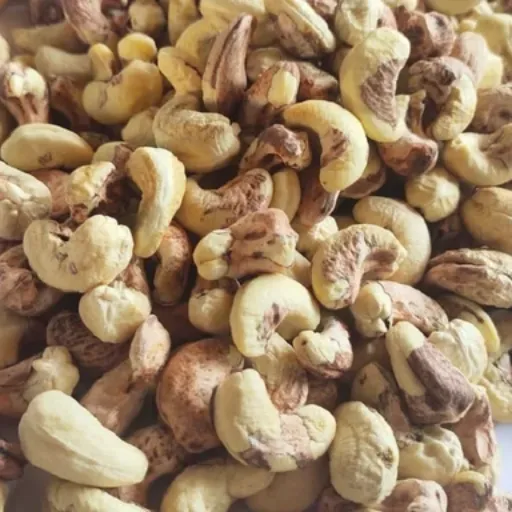
The temptation to “salvage” a premium ingredient like cashews is understandable, but from a microbiological standpoint, it is a losing game. Many people assume that mold is a surface-level inconvenience, much like dust on a bookshelf. In reality, by the time you see a fuzzy patch on the outside of the nut, the fungal hyphae—microscopic, root-like structures—have already threaded their way through the porous interior.
Washing a moldy cashew might remove the visible spores, but it actually introduces more moisture into the nut’s crevices, potentially accelerating the growth of any remaining colonies. Industry observation indicates that once the water activity within a nut reaches a certain threshold, the degradation of the fats happens almost instantly. A realistic scenario involves a home cook rinsing a batch of cashews and then “drying” them in a low oven; this often just creates a warm, humid microclimate that encourages the fungi to produce toxins even faster before they eventually succumb to the heat.
Why Heat Often Fails to Neutralize Fungal Toxins
It is a dangerous misconception that high-heat roasting “sterilizes” moldy food. While a standard roasting temperature of 160°C to 175°C will effectively kill the living mold spores, it does virtually nothing to the mycotoxins they leave behind.
Aflatoxins, the primary concern with Aspergillus mold on cashews, are notoriously heat-stable. They require temperatures upwards of 237°C to 260°C to achieve significant decomposition—temperatures that would turn a cashew into a charred, inedible cinder. A practical example of this resilience is seen in industrial processing, where even heavily roasted nut butters can still test positive for toxins if the raw input was contaminated. Cautious food safety protocols dictate that heat is a tool for flavor and texture, not a decontamination method. If the toxin is present, the heat simply serves to hide the evidence of the mold while the poison remains intact.
Preserving Freshness: Best Practices for Long-Term Cashew Storage
To keep cashews safe, you have to treat them as “living” lipids that are constantly reacting with their environment. Most people view nuts as non-perishable hardware, but their high unsaturated fat content means they are perpetually on the verge of either turning rancid or becoming a host for fungal spores. Industry observation suggests that the shelf life of a cashew isn’t determined by its “best by” date, but by the specific microclimate of your storage zone.
The Role of Humidity and Oxygen Control
Mold spores are opportunistic; they sit dormant until the relative humidity hits a certain threshold—often cited around 65% to 70%. Oxygen is the second enemy, as it triggers the oxidation of those creamy fats.
A practical example of effective control is the use of desiccant packs or oxygen absorbers in bulk storage. By keeping the internal environment bone-dry, you lower the water activity of the nut. In a realistic scenario, a bag opened in a humid climate like Florida or Southeast Asia may lose its crispness and safety in days if left unsealed, whereas a dry, oxygen-depleted environment can keep them pristine for months.
Pantry vs. Refrigerator vs. Freezer
The pantry is fine for immediate use, but for anything you won’t finish in two or three weeks, you need to drop the temperature. Cold air is naturally drier and significantly slows the metabolic rate of any latent Aspergillus colonies.
- Pantry: Good for 2–4 weeks. Keep it dark.
- Refrigerator: Extends life to about 6 months.
- Freezer: The “gold standard.” Cashews can stay fresh here for a year or more.
Cautious storage in the freezer involves double-bagging to prevent the nuts from absorbing odors like onions or garlic. Since cashews have a low water content, they don’t actually “freeze” solid, meaning you can snack on them straight from the cold without a long thaw.
Choosing the Right Airtight Containers
Plastic bags are rarely truly airtight over long periods; oxygen tends to migrate through thin polyethylene. Transitioning to heavy-duty glass jars with silicone gaskets or vacuum-sealed canisters is a much more reliable strategy.
A realistic scenario of storage failure often involves “burping” a jar—opening it repeatedly—which lets in a fresh gust of humid air each time. If you buy in bulk, consider splitting the haul into smaller, 250g glass jars. This way, you only expose a small portion of your supply to the environment while the rest remains undisturbed and shielded from the elements.
FAQ Section
Q: Is white fuzz on cashews always mold?
Almost certainly. While cashews can have a bit of “nut dust” from friction in the bag, that debris is typically dry, powdery, and settles at the bottom. If you see white, hair-like filaments or a fuzzy texture clinging specifically to the curve of the nut, you are looking at mycelium. This is the vegetative part of a fungus. Because these threads can penetrate the soft, fatty interior of the cashew, you should treat any fuzzy growth as a definitive sign of spoilage.
Q: What happens if I accidentally ate a moldy cashew?
In most cases, a single nut might only cause a bitter aftertaste or mild gastrointestinal upset, such as nausea or cramping. However, the real concern is the potential presence of aflatoxins, which are invisible and heat-stable. While one accidental bite is rarely an emergency for a healthy adult, you should monitor for any unusual symptoms. If you experience persistent vomiting or severe allergic reactions, seek medical advice. Discard the remaining batch immediately to prevent further ingestion of these harmful fungal byproducts.
Q: Can I save the rest of the bag if only one nut looks moldy?
It is generally not worth the risk. Mold reproduces by releasing millions of microscopic spores that can easily coat every other nut in the container before they become visible to the eye. Furthermore, the high fat content of cashews allows toxins to migrate quickly between contact points. If the environment inside the bag was humid enough for one nut to sprout visible fuzz, it is highly likely the entire batch is already contaminated with invisible fungal hyphae.
Q: Do roasted cashews mold slower than raw ones?
Yes, but only slightly. The roasting process reduces the moisture content (water activity) of the nut, making it a less inviting environment for fungi to germinate. However, roasted cashews are more prone to rancidity because the heat slightly destabilizes the oils. If stored in a humid pantry, even roasted nuts will eventually absorb enough atmospheric moisture to support mold growth. Regardless of the processing method, airtight, cool storage remains the only reliable way to prevent fungal colonization over time.
Q: How long do cashews typically stay fresh after opening?
In a standard pantry, cashews usually maintain peak quality for about two to four weeks if kept in a sealed container. Their high oil density makes them sensitive to light, heat, and oxygen. To significantly extend this window, industry observation suggests moving them to the refrigerator for up to six months or the freezer for a year. If you notice a “paint-like” or musty smell before the month is up, the fats have likely oxidized or mold has begun to settle in.
Q: Can mold grow on cashew butter as easily as whole nuts?
It can actually grow more easily if moisture is introduced. While the high fat content and lack of water usually protect nut butters, double-dipping a damp spoon or storing the jar in a humid spot can trigger localized mold growth on the surface. Because the consistency of cashew butter is semi-solid, mold toxins and filaments can spread through the jar much faster than they would through a pile of dry, whole nuts. Always ensure your utensils are bone-dry before use.