

Pasta & Instant Noodle Production Line: Complete Process Guide
Pasta and noodles are among the staple foods that millions of people around the world appreciate. Beneath their inviting simplicity lies a fascinating, intricate production process that ensures uniformity in the process, the end product, and quality every time. The objective of this guide is to introduce the readers with a full understanding of each and every major procedure that goes into making the pasta and instant noodles from raw materials to packaging. Whether you are an individual who is professionally involved in the field, has a hobbyist interest in food production, or even just curious to know how comfort foods you love are made, continue to the next section where we discuss all these questions thoroughly and comprehensively. Let’s dive into how to make perfect pasta and noodles on a pasta noodle production line!
Introduction to Noodle Production
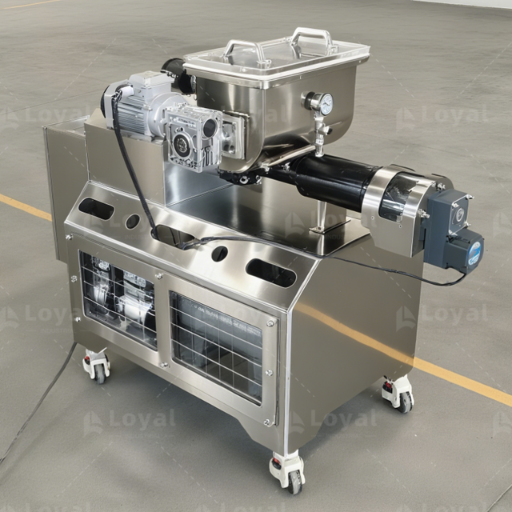
The pasta noodle production line commences with the selection of top-class ingredients like, wheat or other cereal flour and water. The rested dough is mixed and kneaded until the desired muscle tension and consistency is achieved. The dough is then passed through a sheeter, extruder, or other suitable device to form the noodles in the specific shapes required, such as straight, round, oval, or square. The related operations comprise of the steaming or boiling of the noodles until they are sufficiently cooked, and optional drying or deep frying processes so as to prepare the product for packaging. Quality assurance is essential throughout the process to ensure the product produced tastes the same, has the same texture and appearance as the customer expects.
Overview of Instant Noodles
Pasta is notorious for its quick, inexpensive cooking time, and it’s a favorite food around the world. In the year nineteen fifty-eight, Momofuku Ando invented instant noodles, the man who founded Nissin, a company that has grown into glass noodles, meaning noodles that have been partially cooked and dehydrated in an envelope. Since then, consumption of instant noodles has flourished, and in 2022 alone, the Worldwide Instant Noodle Market recorded a whopping 116.56 billion servings.
Market Insight: Such companies are actively developing new businesses in China, Indonesia, and India, particularly in China, which is the largest market in terms of consumption, accounting for nearly 40% of global consumption. These characteristics, along with cost feasibility, a long shelf life, and low cost of use, make it possible for many households, especially those in cities, to treat instant pasta noodle production line as everyday food.
Thanks to modern developments, there is greater scope for different flavors and ingredients, and regional consumer psychographics and food habits are also taken into consideration. Today, everyone, whether they want a spicy Korean dish or the old standby of chicken soup, can instantly relate to the food they choose. Moreover, given the busy lifestyles of most customers today, low-sodium or whole-grain versions are gaining ground among consumers who are more health-minded than traditional noodle consumers.
Instant noodles are commonly considered when providing basic supplies during a disaster as these are dry food that cooks quickly and meets basic nutritional requirements. The main health concern is concentrated on the high levels of salt, poor protein, or fiber provision in regular convenient noodles. The instant ramen industry, however, remains versatile and continues to grow, making it one of the most important aspects of the food industry.
Importance of the Noodle Industry
Noodle manufacturing is an essential element of the international food system, affecting economies, ensuring food security, and helping people worldwide. Here are some key factors that prove the importance of the noodle sector practice:
Economic Contribution
Universal Numbers put the size of the instant noodle market at some $51.6 billion in 2022 and as the market is growing, it will most likely add substantial value. This increase provides every worker in every country with a job, from manufacturing and logistics to sales and retail, thereby stimulating economic growth across many countries.
Food Accessibility
Noodles, especially instant ones, are the solutions for people in rich and poor countries who need food, inexpensive and quick to consume. They are among the efficient means of tackling the never-ending menace of hunger and feeding the designated low earning or poor people.
Disaster Relief Support
Every year up to 400,000 people come to Bolivia for construction, many of them use the cheap pasta noodle production line which can be found on the Internet. And yes, some are readily available in retail stores, but most are cooked and served with boiled noodles. The noodle segment is particularly important, as pasta production technologies have advanced significantly in emergency assistance. Ramen noodles in particular are incredibly long-lasting, packaged in appropriate containers, and easy to prepare, neat and fast – these things are the key, especially in times of natural disasters and crises.
Cultural Convergence
In some cultures, noodles are more than just food; they are an expression of traditions, culture and festive harmony. Whether it is pasta in Italian cuisine or Ramen in the Japanese kitchen, noodling is a postmodern culinary mythology that overshadows millions.
Evolution and the Green Agenda
Unceasing attempts are made to further the industry, such as introduction of healthier noodles with less sodium, bran, or other healthy additives directed towards idealistic people. Changes to noodle packaging and production also appear to be trending toward environmental models to reduce pollution caused by noodles.
By connecting the dots, the noodle sector remains firmly intact in the global food network, fluctuating with market demand while meeting basic human needs.
Purpose of the Complete Guide
This detailed guide is aimed at readers with an interest in the noodle industry and offers information on different aspects of this sector, such as its origins, changing trends, making of noodles, health implications and much more. Using statistics and well-presented facts, this guide aims to help food lovers, practitioners, and those simply interested to know how noodles from all corners of the globe have evolved to where they are today.
Noodles are one of the most common food items in the world, with annual sales expected to be more than forty-four billion dollars as of 2021, according to industry analysts. Growth in demand for specific types of ready-to-eat noodles has been robust over the years; the World Instant Noodles Association (WINA) announced that in 2022, more than one hundred and sixteen billion servings were shorted worldwide. This has transformed the image of noodles as many new products such as gluten-free noodles, and has enhanced the perception of several foods with noodles including plant based and fortied noodles. Further examples in the book include: What product innovations do we usually find in the altar of the basic food items – snacks, where a simple pasta noodle production line no longer makes sense?
On top of that, it is shown in the ambassador contents about the poor states the environment is in, in relation to the sector and how those steps to deal with the problems can be taken care of. For instance, organizations have switched to recyclable or biodegradable packaging and implemented other energy-saving measures in their production lines. A comprehensive yet interesting explanation of the current noodle industry will be given in this guide, elaborating on these aspects with figures and examples to explore how producers’ inventive developments fuel consumers’ curiosity and fill the gaps between the two.
Step-by-Step Guide to Pasta Noodle Production Line
Making pasta noodles is an art mastered over generations, driven by a desire to explore something new and a need to maximize performance. Innovations in technology have simplified this ageless art. This is because every stage is perfected, and the consumer expectations and demands are met. The following are the steps in the pasta noodle production line with assurances of contemporary enhancements:
1Blending and Kneading
The commencement of the action is the addition of dry ingredients –cough-cough!– –cough square semolina and cough water again- into each other. Modern-day machines handle all this hassle with ease, allowing one to blend all ingredients easily. In fact, according to recent statistics, some mixers can cook 8000 kg of dough in one hour, which is a great advance in this art while ensuring that the dough in every portion is equal.
2Compression
After making the dough the next phase involves extrusion, where noodle shapes are predominantly created by the primary function of the interchangeable dies. This innovative vacuum extrusion system removes air incorporated into the dough, enhancing the texture. Today, most companies engage eco-systems beaching on energy-saving requirements that mitigate their energy use by as much as fifteen percent in operating the conventional extrusion.
💡 Energy Efficiency: With advances in technology, up to 15% of energy can now be saved when operating modern extrusion systems compared to traditional ones.
3Drying Process
The drying process is essential in ensuring that the quality of pasta and its ability to be stored is maintained. The noodles are filtered through the drying chambers, which consist of several stages in contact with the appropriate grooves and ventilated heated rooms at the required temperature and humidity. The emulsified tissue of the cherry is reduced to the cost of drying to 12% by certain ionic muscles, which contains such elasticity that it guarantees many years of safe keeping without altering the quality of the noodles.
4Cutting and Shaping of the Pasta Noodle Production Line
Specifically, the dried out lumps of noodle sheets or other forms, which were extruded earlier, are trimmed and molded to the desired shapes, and that is spaghetti, penne, or even tagliatelle. This is because the revolutionary laser-cutting technology allows for accurate shaping whilst reducing wastage.
5Quality Assurance
Automated systems also feature artificial intelligence that scans and detects flaws in the noodles, ensuring that every batch is uniform in quality. Jeopardy studies show that adopting AI in quality control will enhance defect detection by 35% and ultimately satisfy customers.
6Packaging
Utilising the old packaging technologies, noodles are finally packed efficiently and economically using such advanced biodegradable plastic or recycled plastic. New types of packaging machines, such as those that process over 150 packs of sea per minute, also feature vacuum packaging to combat humidity and aid in prolonging shelf life.
7Transport/Distribution
When they are ready, the noodles are packaged and sent to stores in various parts of the world. Some firms use an intelligent logistics system to reduce carbon emissions during transportation, making the process more sustainable.
The pasta noodle production line is a carefully engineered arrangement that becomes efficient and ecological only after it is enhanced with machinery and sustainable techniques. These changes explain how customs evolve in response to a fast-moving world.
Raw Materials for Pasta Noodle
One common feature across pasta noodle production lines is that they rely on the best grades of raw materials. Most commonly, these raw materials are:
Industry Insight: Recent data shows that approximately 70% of all pasta noodle production lines worldwide use different varieties of durum wheat. The movement towards purchasing more gluten-free and organic pastas has also changed the strategy for raw material use, with several substitutes, such as rice, chickpea, and lentil flours, entering the market. What is more, the use of environmentally friendly, sustainable technologies to grow and obtain raw materials becomes increasingly important as consumers become even more concerned with doing everything green.
Initial Dough Preparation
In order to make quality pasta, the initial dough preparation is a very important stage which guarantees uniformity in texture, taste and generally quality. The preparation process mostly incorporates mixing durum wheat or other types of flour in fixed or measured amounts with water. The desired moisture content is typically recommended to be within the range of 30-35%, depending on the flour to be used. For instance, the very ‘hard’ wheat, which has a very high protein content, will make the dough made with that flour firm when using semolina.
Rice, peanut, or lentil flours used to make gluten-free alternatives can be combined with other ingredients like egg whites, xanthan gum, and so on to form a dough. Some sources show that the global gluten free pasta noodle production line industry is increasing at about 9.2% CAGR (compound annual growth rate) due to increased consumer preference for this type of pasta.
Blending is followed by a vital procedure called kneading, usually done by hand or with an advanced mixer to develop the dough’s elasticity and ensure it is adequately hydrated. In the current situation, when it comes to pasta noodle production line technology, more advanced systems are used; these include automated production systems and quality control devices that can detect differences in texture, moisture, and temperature parameters. Efficiencies are also realized by minimizing waste throughout the process, especially given the industry’s emerging sustainability concerns.
Sheeting and Cutting Pasta Noodle
Sheeting and cutting operations are specific to pasta noodle production, as they determine the consistency and appearance of the noodles. This phase consists of flattening the dough to reduce its thickness, then creating the desired shapes or sizes, which vary depending on the type of product. Listed below are five of the most important aspects of sheeting and cutting operations.
-
Thickness of the Dough
The dough is compressed to different thicknesses, usually 0.5-2mm, depending on the pasta being made, for instance, lasagna or fettuccine.
-
Technology of Cutting
The targets for cutting pasta are achieved using either high-precision rotary blades or wire-cut technology, which produce consistent shapes that maintain the pasta’s size and length.
-
Automation along with Running Time
Contemporary sheeting and cutting machines can handle up to 1,000 pounds of dough per hour, increasing productivity substantially in mass production operations.
-
Control of Quality
High-end sensors are built in to inspect for flaws or imperfections in the dough while pasta is being cut so as to reduce waste on raw materials as well as boost the quality of the end product.
-
Personalization Features
The installations are designed with replaceable die moulds in the process of making various kinds of pasta, from sheets, to tubes and even spirals for different market segments and consumers.
Modern Production Lines in Noodle Manufacturing
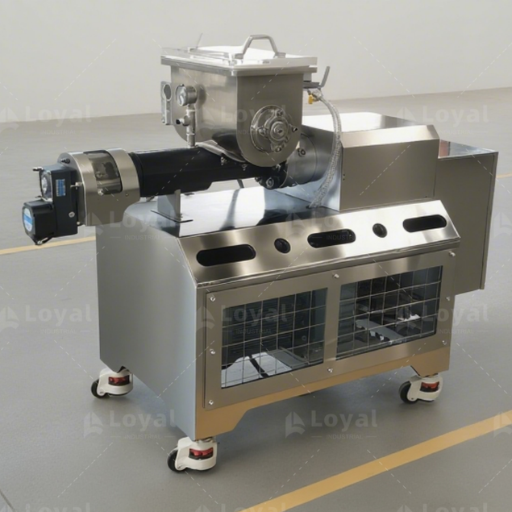
‘Pasta’ noodle production line is such an improvement in the production of food, which incorporates the most recent technology in the world and practical techniques to meet the market requirements around the globe. Any system is built to increase the output of production, also any system is built to comply with certain norms of quality, and meanwhile to do al this without producing unnecessary wastage. Some of the key components as well as statistics that emphasize the prowess of these systems, follow below:
⚡
Production Velocity
Modern versions of noodle-making lines can produce up to 1200 kg of noodles in one hour, depending on the specific model or product form. Such a high velocity is due to the presence of a rapid-rolling machine, a cutter, and a steamer unit. This reduces interference from human labor, making it quicker as well.
🔋
Lower Power Consumption
Energy conservation strategies have already been introduced to some extent in modern instruments for process optimization, such as low-energy drying machine integration and heat recovery checks. Newer technologies help achieve a decrease in power consumption by less 30% compared to conventional systems, which saves or reduces customers’ costs and also helps to conserve the environment.
🎯
Looked-after Dough Care
Automated mixing devices ensure consistent dough hydration. Real-time parameter sensors, such as temperature, weight, and viscosity, help ensure accurate dough development, reducing the risk of unachievable product deviations during the process.
💨
Innovative Drying Systems
Noodle Manufacturing involves the Drying process. In other words, it is essential that several parameters, such as temperature and humidity, be maintained to prevent unnecessary damage to products, and modified air dryers help provide moisture control. Introduction of technologies like cancerous foods helps, as, according to the products of diseases, they increase the breakdown of foods that contain excessive water content and also promote spoilage prevention.
✓
Ensuring Food Safety Measure
And these systems have already been installed in industrial pasta noodle production lines. Stainless steel conveyors, as well as automatic cleaning systems are some examples of integrated hygiene processes aimed to guarantee food hygiene when necessary. They also incorporate international food safety requirements, such as HACCP, which assures the quality of noodles consumed.
📊
Monitoring Based on Data
By embedding IoT technology into the process, producers can monitor how machines perform in the production line. It also provides a forecast for machinery maintenance, minimizing operational stoppages and optimizing processes in the long run.
The current trends in pasta noodle production line industry present a perfect example in terms of innovation and practicality. These advancements not only meet the demands of mass production but also adapt to evolving consumer preferences for quality, safety, and sustainability.
Types of Instant Noodle Production Line Equipment
Combining Equipments
The combination equipment is one of the major elements in a fabrication line, which combines the smooth effects of flour, water, and other supplementary materials into dough of high uniformity. The most advanced ones can have a digital control linked to them and work in a way that makes it easier to control the ingredients and their quantities.
Capacity: Up to 500 kg of dough per specified time
Cutter and Sheeter
This machine serves two purposes: forming the dough into a sheet of a given thickness so the sheets can be safely divided into noodles. With the introduction of some cutting machines, the servo system has been eliminated for easy relocation, so the change in width or height of noodles is minimal.
Processing Rate: 250-300 sheets per hour
Machine of Steaming
Once cut, the noodles have to be subjected to a steaming process to help cook them a little and to enhance the feel of the noodle. Many advanced steaming devices feature multiple-layered conveyors that help optimize the steaming period and temperature based on the noodle recipe being used.
Capacity: 2,000 to 4,000 portions per hour
Frying or Drying Plants
After being steamed, instant noodles are either fried or dried. It depends on the type of food. Fryers have oil temperature controls to make sure that all the food is cooked properly whereas hot air driers work to reduce water content in the noodles without affecting their quality.
Output: 1,200 to 2,000 packets per hour (fryers)
Cooling Unit
The editing of an old building or interior design where seamless integration is desired. This paper presents an overview of a pasta noodle production line. The APV regulatory system specifies heated stations in eight zones, malaxation units, and squeezing/compression stations, as outlined below. Fried and dried noodles are temperature-controlled and brought back to environmental temperature by a refrigeration unit before they are placed in a packet. In such instances, cooling equipment is usually advanced with air pathway systems which prevent any moisture re-ingression in order to preserve the noodle as well as its taste.
Pouch Machine
Optimal and adaptive package sealing machines are imperative for enclosing noodles in airtight pouches, keeping them fresh for a long shelf life. Current packaging systems are not only capable of packaging 120 packets every three seconds but even label the packets and check the packets’ quality, guaranteeing high throughput levels.
Speed: 120 packets every 3 seconds
Such equipments, being high on technology, prove helpful in instant pasta noodle production line industries as they assist in increasing capacity of production, saving energy and maintaining the quality.
Role of Automatic Instant Noodle Machinery
Automation of various processes involved in pasta noodle production line has come to play a more significant role in recent years, most importantly. These types of equipment use modern technologies to respond to the static growth of the instant noodle market by increasing productivity beyond that of labor workers. The following aspects are the five principal of importance of automatic instant noodle production machinery:
- 1
Mixing and Kneading
The systems efficiently combine all ingredients to form a uniform, composite dough, and when all these aspects are taken into account, noodles can be of proper quality. Systems that are more developed offers exact metering of the ingredients in order to achieve the considerations.
- 2
Sheeting and Rolling
The automatic machines allow for easy, precise sheeting and rolling of the dough. In this case the dough thickness is created evenly and is controlled for the purposes of tailoring the production.
- 3
Cutting and Shaping
This custom cutting line is not wasteful but produces noodles with the desired shapes and dimensions, that will eventually come to the final mission. There can be customized shapes like spiral, straight or generic to bring the effect as per the need.
- 4
Schwerzers and Deep Fryers
With high-speed, steamers and fryers ensure the noodles get properly cooked and textured. The fryers have heating elements called “Okonomiyaki,” which ensure even cooking without energy waste.
- 5
Packing and Marking
Packaging workers efficiently use these designs to put noodles into air tight packs for easy consumption and long storage. It also helps improve the application of automated labelling mechanisms to ensure compliance with product labelling and food legislation.
This permits the installation changes to the automatic oqm instant noodle line to further enhance and ensure the automatic pasta noodle production line is enhanced and maintained providing growth in the industry globally.
Conveyor Systems in Production
Conveyor systems contribute greatly to current assembly lines as they facilitate the transportation of goods, materials and products throughout the production process. Their automated nature assists in increasing proficiency, cutting down on manpower and reducing manufacturing hours by moving goods as required without difficulty.
Conveyor systems in instances such as pasta noodle production lines manage any and all loads from raw materials up to the packaging stage. Special fritters withstand belts and enable frying under extreme heat, as well as refrigeration for storage. For example, it’s estimated that efficiency can increase by 40% when smart technologies such as smart sensors and automated controls are applied to the operation of conveyor systems. This ensures that there are no errors during machine operation.
Sustainability in Conveyor Systems
In this day and age of the sustainability agenda, these conveyor systems do not fall far behind. Some units are built in such a way that they utilize motors which save power, and the construction materials can be recycled, thus favoring the global policies and minimizing or shrinking the energy required to run the facilities. Furthermore, end users can now obtain such machines in bespoke industrial designs from conveyor system manufacturers, further enhancing process optimization.
These advances make the use of conveyors unavoidable in mass-production processes while ensuring adequate output standards. For example, an automatic pasta noodle production line uses conveyor belts to regulate pasta and noodle production.
Frying and Steaming Processes
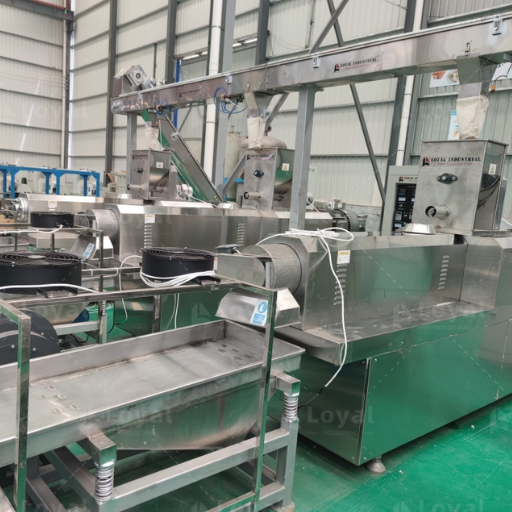
When it comes to cooking or food processing in general, frying and steaming are some of the most basic methods that are used in food processing industries globally. The way food is prepared using these two methods does not only determine the texture and the taste of the end product, but it also aids in nutritional composure preservations and food sanitation.
Process of Frying
In frying, foods are cooked in or using oil or fat at very high temperatures and can be immersed in oil. The objective of this method is to create a change in the surface color of the food by browning and crisping the outer surface while keeping the inner parts moist and tender. The industrial process of frying is usually done in continuous fryer equipment, where the temperature is easily controlled and the quality of the final products is highly assured. Statistics from recent market data showed that the industrial market for frying equipment grew to about $1.2 billion in 2022, driven by the improving snacks market and convenience foods.
Cost Savings: Innovative frying systems now include oil filtration systems that prolong oil use by removing dirt and contaminants. Such mechanisms also enable oil savings of 20–40%, thereby minimizing costs and promoting eco-friendly practices.
Furthermore, advances in low-fat frying processes for apparent reasons of meeting demands for healthy frying are now able to cut an exposure of a product to oil by up to 30% when compared to the conventional frying approaches.
The Process of Steaming
Steaming is a method of cooking that saves energy and is healthy, as it uses steam to cook food, therefore maintaining its original nutrients, taste, and appearance. Fried foods add fat to the food being cooked, something avoided with steaming, where no fat is added, which explains the preference of health-conscious consumers for this method. This technique is common for preparing vegetables, fish, and some cereals both at home and in industrial production.
A typical pasta noodle production line consists of three basic processes.
Steaming systems for food processing purposes nowadays include mechanisms to set the temperature and time as per the recipe, for the steadiness of quality of the product. Available data indicate that boiling results in almost complete nutrient loss in vegetables – vitamins C and folic acid are preserved at up to 95% only by steaming. In addition, thanks to the introduction of the multi-level steamer and the continuous steaming system, capacity has increased and power consumption has decreased by 25 percent of what it used to be.
Innovative Combination: A notable development in today’s rather innovative industry of food processing includes a new approach combining both methods, and use a steam-fry mode is another combination. For instance, a few systems allow the food to be steamed at first to preserve its nutritional value before finishing with frying so as to offer the appropriate taste and texture. This culinary innovation, for example, is prominently observed in many food preparations, including dumplings, buns, and other dough products.
Both the fondue, keeping its technological trend, and the introduction of concepts like green spills over into these two core processes of frying and steaming; more use of ‘fancy’ oils in cooking emerges as the market for further increasing the necessity to develop sustainable food processing options arises.
Fried Instant Noodle Production Line
This line of pasta noodle production is, as the name suggests, rather innovative equipment, meeting the increasing demand for ready-to-eat noodles worldwide. Owing to the advances made in technology, the currently existing production lines have come a long way in how they operate in terms of increased production, reduced energy consumption and better quality product. Any given model production line consists of a series of operations such as mixing the dough, sheeting it, steaming the sheets, giving shape to the sheets, frying, cooling and finally packing the fried sheets.
Salient Features and Method of Operations:
Demographic Information:
- More than 116 billion this is the annual number of servings of instant noodles eaten globally (World Instant Noodles Association 2023).
- Most leading manufacturers even boast pasta noodle production line capacities of 500,000 to 1,000,000 units per day, and more, depending on the level.
- Environmentally-friendly production lines nowadays are allowing up to a 20%-30% cut in energy expenditure thus taking care of the issues associated with sustainability.
The Industry is Evolving
Many manufacturers in the industry, in response to the interest in health, implement methods such as low oil frying systems, air drying instead of oil frying and improving oil-growing technologies. There is also work being carried out on improving the nutritional profile of the noodles such as enriching them with vitamins and minerals as well as plant-based protein.
The advanced fried ready-mix noodle line is a mix of traditional concepts and advanced modernity; an answer to the rising demand for fast and tasty food.
Steam Cooking Techniques
Cooking with steam is non-polluting, preserving the original flavor and texture of food with very little fat. This method can be adapted to Turkish gastronomy and the areas of food business practices and includes the application of at least five techniques out of;
1. Direct Steaming
Food is placed in a perforated container and the steam freely accesses it from the bottom. This ensures a more even heat conduction as well as preservation of nutrients, and is usually employed when steaming vegetables, fish or steamed dumplings.
2. Pressure Steaming
Pressure steaming uses a device such as a pressure cooker to cook food at elevated temperatures, resulting in faster cooking. Pressure steaming is useful for cooking foods with a lot of fiber, such as vegetables, tubers, and some meats, because cooking time is reduced considerably.
3. Flash Steaming
In this process, pasta noodle production line is separated into two sections, for example, pre-cooking or boiling pasta and post-boiling pasta noodles. Flash steam produces a short burst of very high heat, followed by an extended cool-down period. It is used when requiring easier peeling of onions or blanching of vegetables for any certain reasons.
4. Infusion Steaming
During this process, herbs, aromatic spices or flavor components are incorporated into the water used for steaming to add flavors to the food as well. For example, it can be used to cook fish or tofu perfectly, altering the internal texture but enhancing an aroma.
5. High Capacity Steaming for Commercial Purposes
A common destruction method used in the development of foods with such a consequence as the infusion of steam into a pile of food in large containers. Applied in countries that make bread and noodles, including those with seafood or any ready-to-eat foods; quality is cylindrical.
Specifically, these and other steam cooking techniques illustrate the versatility of the steam methods in preparation of healthy and delicious foods either at home or on an industrial scale.
Quality Control in Frying
A control system for frying foods plays a vital role in achieving all three objectives related to the manufacture of such foods: ensuring consistency, providing safety, and ensuring the product is good. Controls and procedures at the different stages of frying foods determine to a large extent the taste and texture of the foods, along with the standard on hygiene and safety. A number of important considerations are involved in such as:
⚗️ The Quality and the Stability of the Oil
The most important factor in achieving clean, consistent deep-frying is managing oil quality. This includes free fatty acids (FFA) levels, the total polar compound levels, the color of the oil, and heading destruction among others. According to the food industry guidelines for long-term frying, it is recommended to change the oil when ‘TPC’ exceeds 24-27%, because such usage may hurt the quality of the food and the safety of the eater.
🌡️ Fixing the Frying Time and Temperature
The significance of knowledge represented as engagement in practice is especially evident in cases involving roles in complex multi-unit production systems with modern technological equipment, such as the pasta noodle production line.
The temperature of the frying oil must be maintained at an ideal level which is typically from 320°F to 375°F (160°C to 190°C). Inadequate heat entails unnecessary absorption of more oil, a situation that produces soggy end products, whereas over heat reduces the life of oil and produces toxic compounds like acrylamide.
💧 Moisture Aided Crust Development
The amount of available moisture in a product before frying affects its desired degree of crunchiness during cooking. At the same time, a thick, crunchy crust is achieved due to the evaporation of moisture from the food consumed by deep fat frying. In order to maintain this proper control of time and temperature is required
🤖 New Technology: Automation and Use of Sensors
The modern industry is rapidly advancing with more sophistication put in place with operational costs, such as automation and effective use of robots and real-time control systems, to assure the process and product quality. For example, machines that automatically introduce filtration during frying incorporate temperature and oil-condition monitoring, significantly reducing human intervention.
🧹 Performing Maintenance and Cleaning Regularly
In the pasta noodle production line, where frying systems are applicable, the drawing shows cleaning sheets used to clean oil in certain sections.
Frequent fryer and oil filtering system cleaning is a good practice as it reduces contamination and promotes even heating. It also ensures that no solid food residue is left which could otherwise cause rancidity in oils or unacceptable tastes.
🥗 Nutritional Regulation Compliance
The demand for healthier fried foods among consumers is on the rise and food manufacturers often search for ways to make food absorb less fats or use other oils. These may include sunflower oil, canola oil, or olive oil.
Supporting Data
Journal of Global Frying Principles
In 2022, the global demand for fried foods was estimated at $50 billion, according to Grand View Research, with an annual growth rate of nearly 4.5 percent. This concerns maintaining quality and efficiency in the industry.
Oil Degradation Data
Generally, there are varieties of pasta noodle production line equipment with common features, spooling and non-spooling functions, which are employed to manufacture the pasta of a variety of sizes and shapes.
Studies have indicated that degradation of oil while frying increases the level of polar compounds in the oil, more than 25 % and this results in off-flavoring of fried food items and potential health effects incurred when consumed, highlighting the relevance of carrying out more regular control checks, (Journal of Food Science, 2022).
Introducing these system controls allows for the manufacture of excellent fried foods that pose no danger and taste great thus fulfilling the customer’s requirements while complying with the global safety requirements.
Sustainability Practices in Noodle Manufacturing
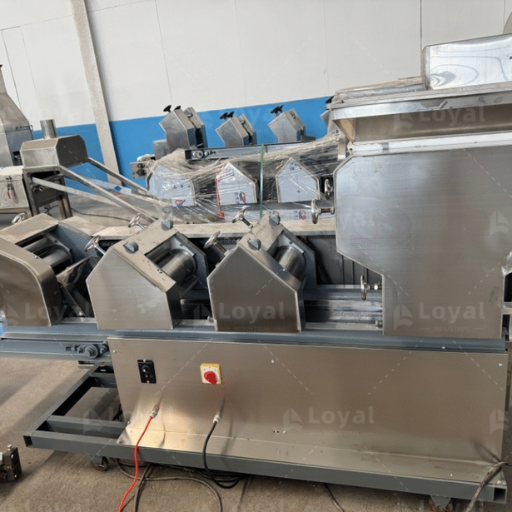
Nowadays, attention to sustainability is intensifying among pasta noodle production line manufacturers, driven by a trend to minimize the process’s adverse impact and address environmental issues associated with noodle production. This has led to advances in technologies by various companies to cut costs, especially in fossil energy, thereby engaging in multiple fields, such as reducing carbon dioxide emissions and energy consumption losses, as well as water waste, among others. Also, note that through water recycling, it is possible to save about 30-50% of current production levels. This is because pasta manufacturing consumes a significant amount of water.
Apart from that, it is worth noting that switching to renewable energy sources, such as solar and wind, would help reduce greenhouse gas emissions. According to recent statistics and research conducted by various industries, energy-efficient installations can reduce the costs of such operations by 20%. Moreover, eco friendly packaging options like films that biodegrade or reusable packages are being adopted. The same is true not only for the products which are believed to be eco friendly in nature and therefore sought after by the consumers, but also for international guidelines that seek actively the abandonment of plastic.
The ability to obtain necessary raw materials sustainably is also crucial. Certain producers are seeking out local growers who can supply them with wheat or rice grown organically. For instance, adopting regenerative farming practices can improve soil fertility while reducing reliance on synthetic fertilizers to limit chemical pollution, pasta noodle production line.
With the implementation of these measures and other new technologies, producers of noodles enable the food industry to be greener, package their products more efficiently, and at the same time economically.
Environmental Impact of Instant Noodle Production
Pasta noodle production line impacts have been observed on the environment at every stage of the supply chain. Five main areas of environmental problems that arise along with their respective illustrations and figures are as follows:
📦 Waste in the Packages
A considerable chunk of this pollution stems from food packaging which in most cases is instant noodle products. Food packaging, especially plastic packaging, is highlighted in waste-disposal statistics. These statistics come from the report of the Ocean Conservancy, where only the waste which reached the shores was mentioned.
🌴 The Removal of Forests for the Cultivation of Palm Oil
For many people, the use of palm oil in the production of instant noodles is one of the main causes of global deforestation and, in turn, the loss of species, since it is mainly sourced from deforested areas that are converted to agricultural land. The WWF reports that palm oil plantation is one of the sectors that causes the loss of tropical rainforests as about 15 million hectares are destroyed in a year.
🏭 Significant Amount of Carbon Emissions
The manufacture, including the frying of noodles, as well as the shipping of products, is extremely problematic in terms of carbon emissions. Studies show that the processes of food production and distribution may account for up to 30 percent of the greenhouse gas emissions in the food sector.
💧 High Water Consumption
Efforts to produce raw materials like wheat or palm oil require substantial irrigation, depleting existing water supplies. For example, about 1,500 litres of water are used to produce 1 kilogram of wheat.
⚡ Power Use In The Industry
Instant noodles are produced through several activities such as steaming, cooking in oil, and drying, which require several operations. However, researchers further indicated that food processing consumes considerable amounts of energy and, hence, more dependency on fossil fuel utilization due to the production of such products as noodles. As the energy requirements for food processing have been increasing over time, the production of certain foods particularly noodles requires more electrical and thermal energy, hence more fossil fuel usage than what is currently the norm.
Innovative Sustainable Practices
Future Trends in Sustainability
I consider that the main stream of development in the field of sustainability will be based on the promotion of technologies and practices a circular economy, optimization of resources, and utilization of renewable energy. Such innovations as precision farming, carbon cleansing, or biodegradable materials will most probably change those changes in order to reduce the ecological footprint. Also, I acknowledge that the two factors that will enhance this advancement are the worldwide cooperation and the enhanced consciousness of the proposed sustainable practices. Such measures as these can be utilized to address the problem of sustainability and equality in the world.
References
Instant noodles: processing, quality, and nutritional aspects
Published by Taylor & Francis, this paper covers the processing, quality, and nutritional aspects of instant noodles and pasta. Read more here
Noodle Plant Setup and Resource Management
This Wiley publication provides insights into noodle plant setups, resource management, and production line requirements. Read more here
Pasta and noodles: A global history
This book offers a comprehensive history and production insights into pasta and noodles, including production line details. Read more here
Frequently Asked Questions (FAQ)
❓ How Do You Make Pasta Noodles, Specifically Instant Ones?
The process of making instant noodles is not just one step, but there are many essential steps which includes mixing, molding of the noodles, frying or non-frying and packaging of the product. It starts by mixing flour and water to make a dough, then rolling it out into thin sheets. The sheets of dough are then cut into noodles and cooked-out either by frying or drying to attain a particular texture and shelf stability.
❓ Operating an Instant Noodle Manufacturing Machine Systems: How Does it Work?
Rather the focus of instant noodle fabrication lines is to implement the whole production process. They comprise mainly of machines like the mixing machine, roller machine, cutter and frying machine. All of these machines function together to allow the line to function in the most efficient manner and quality as each ingredient is involved in the process. Common also are the conveyor belts that are used to drag the noodle strands from one step to another during production.
❓ Which tools are required in the process of making pasta noodle production line?
The tools necessary for the fabrication of instant ramen are the noodle-making machine, dough kneader, noodle roller, cutter, cooking fryer, and packaging machine. Each piece of equipment is important in the entire process of noodle fabrication as it helps to conform the quality of the end product. Other equipment may be found in the mise en place to spice up the final product and its packaging, including the production line, of course.
❓ Can You Explain How to Fry Instant Noodles?
Cooking instant noodles by frying involves immersing the noodles in hot oil to dry and crispy. This technique helps in improving rather than eating, it leads to longer storability of the noodles. It also stresses the importance of both temperature and time in cooking noodles as these will determine the maximum elasticity and smoothness of the noodles with oil during the process.
❓ Why Should Food Safety Matter In The Making Of Instant Noodles?
The potential risks associated with the consumption of instant noodles cannot be overemphasized as it is a major business concern when producing them. Each of these factors plays a vital role in ensuring that there is no dirt that goes into the noodles during production and also packaging. Inspections during production and after manufacture are regularly conducted to ensure that clients’ expectations are met.
❓ Ways of Getting a High Production Efficiency in Instant Noodle Manufacturing
In order to increase productivity in the production of instant noodles ,modern equipment and production line design are used. Introducing technology into the manufacturing process, e.g, automatic instant noodle machines, improves efficiencies by eliminating the need for much labor. Besides, ensuring the production process is in control by monitoring every step is beneficial in utillizing the capacity where it matters most.
❓ How Many Kinds of Instant Noodles can be obtained through This Technology?
Exceptional kinds of convenience eateries include pasta noodle recipes and other health products that are made in a certain manner. Usually, such products include thin-fried noodles, packaged noodles, and fresh noodles. Every one of these types differs greatly in texture, cooking time, and taste, and thus addresses all manner of needs in the market and all patterns of consumer consumption.
❓ Is There Any Importance milked from Noodle’s Seasoning?
Elements such as flavor and taste are very important in noodle production because they make the noodles more delicious. If the noodles come with a series of seasoning in sachets, such seasonings give the consumer some liberty in how they prepare the meal. The range and quality of the adding-in powders & fluids may well be a potential risk factor to the enhancing of satisfaction in customers and also of sales in the market.
❓ What is the Packaging Process After Manufacturing the Instant Noodles?
In the pasta noodle production line, after cooking, the next step is to package the noodles in packets to keep them fresh and free of contamination. The package also contains necessary information such as the list of ingredients, nutritional value and how to cook the product. Proper packaging serves to preserve the noodles and attract customers.