
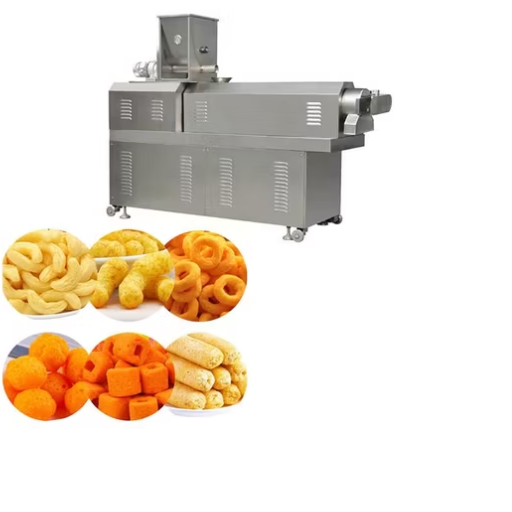
Types of Food Processing Equipment: A Complete Guide by Production Stage
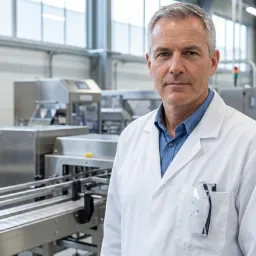
The main types of food processing equipment include preparation and cleaning machines, mechanical processing equipment, thermal processing systems, forming and extrusion equipment, drying and dehydration units, separation and filtration devices, packaging lines, and quality-control inspection systems. Each type handles a specific stage of turning raw ingredients into safe, shelf-stable, and market-ready food products.
But knowing the categories is only the starting point. When Maria, a snack manufacturer in Southeast Asia, expanded from a small batch kitchen to a 2-ton-per-day puff snack operation, she discovered that buying equipment by category alone led to bottlenecks. Her mixer could handle the dough, but her single-screw extruder struggled with recipe consistency, and her packaging line could not keep pace with the fryer. She needed equipment chosen as a connected production system, not as isolated machines.
That is the gap this guide closes. Below, you will learn how each type of food processing equipment fits into a real production flow, what to look for when you spec each category, and how to match machine types to your product, capacity, and growth plans. Whether you are building a new line or upgrading an existing one, this article gives you a practical framework for making informed equipment decisions.
Key Takeaways
- Food processing equipment is best understood by production stage: preparation, mechanical processing, thermal treatment, forming/drying, separation/conveying, packaging, and quality control.
- The global food processing equipment market is projected to reach roughly USD 60–66 billion in 2026, driven by automation and Asia-Pacific demand.
- Material choice matters: food-grade stainless steel 304 and 316 dominate food-contact surfaces because of corrosion resistance and cleanability.
- Selection should start with your product and process, then capacity, then compliance and after-sales support, not with a machine catalog.
- Modular, recipe-specific production lines reduce integration risk and make future scaling easier than buying standalone machines.
What Is Food Processing Equipment?
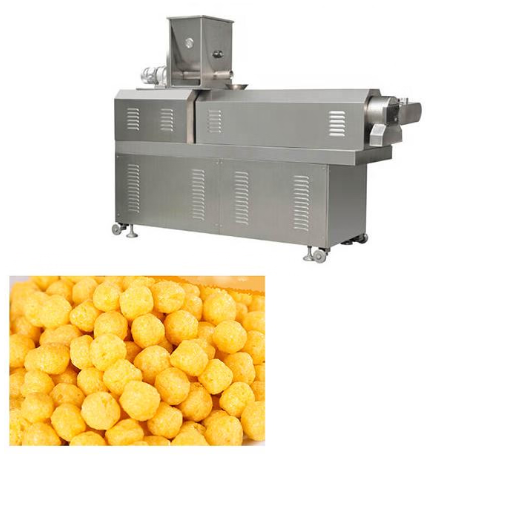
Food processing equipment is the machinery used to transform raw ingredients into finished or semi-finished food products. Major types of food processing equipment include preparation and cleaning equipment, mechanical processing machines, mixing and blending systems, thermal processing units, drying and dehydration equipment, separation and filtration systems, forming and extrusion machines, packaging lines, and quality-control inspection systems.
Every piece of equipment exists to do one of four things: receive and clean raw materials, change the physical or chemical properties of food, move or preserve the product, or verify that it is safe and correctly packaged. When you view equipment through this production-stage lens, choosing the right machines becomes far easier than browsing a long list of category names.
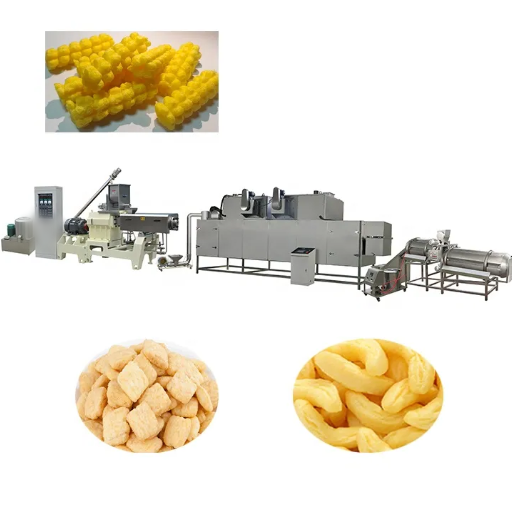
The equipment you need also depends heavily on your product. A dry pet food kibble line, for example, centers on extrusion and drying. A ready-to-eat salad facility prioritizes washing, sorting, and modified-atmosphere packaging. A fried snack plant needs extrusion, frying, seasoning, and packaging working in tight coordination. The same categories appear across industries, but the emphasis changes with the product.
According to Grand View Research, the global food processing equipment market is projected to reach approximately USD 59 billion in 2026, expanding at a CAGR of around 4.2%. That growth reflects rising automation, stricter food-safety rules, and expanding packaged-food demand in Asia-Pacific, which currently holds roughly 30–36% of global market share.
Preparation and Cleaning Equipment
Before any transformation happens, raw ingredients must be cleaned, sorted, and inspected. This stage protects downstream equipment and ensures food safety.
Washers and Rinsers
Washers remove soil, debris, and surface contaminants from fruits, vegetables, tubers, and other raw materials. Common designs include bubble washers, spray washers, and ultrasonic washers. The right choice depends on product fragility and contamination level. Delicate berries need gentle spray or immersion systems, while root vegetables can tolerate more aggressive brushing and tumbling.
Peelers, Graders, and Sorters
Peelers reduce waste and prepare uniform pieces for slicing or dicing. Graders and optical sorters separate products by size, color, weight, or defect. Optical sorters, in particular, have become essential for removing foreign material and off-color product before it enters high-value processing stages.
Metal Detectors and Foreign-Object Removal
Metal detectors, X-ray systems, and magnetic separators catch ferrous and non-ferrous contaminants early. Installing detection at the receiving or preparation stage protects grinders, extruders, and packaging equipment from damage and reduces the risk of recalls later in the line.
Mini-story: Chen manages an instant noodle plant in eastern China. After a batch of flour arrived with metal fragments from a supplier conveyor, his preparation-stage magnetic separator caught the contamination before it reached the mixer. The separator paid for itself in a single avoided breakdown.
Mechanical Processing Equipment
Once ingredients are clean, mechanical equipment changes their size, shape, or texture. This is where raw materials become recognizable food components.
Cutting, Slicing, and Dicing Machines
Cutters, slicers, dicers, and shredders produce uniform pieces for further processing or retail sale. Uniformity matters because it determines cooking time, packaging yield, and final appearance. For example, potato chip lines use high-speed slicers to achieve consistent thickness, which controls frying time and oil absorption.
Grinding, Milling, and Crushing Equipment
Grinders, mills, and crushers reduce particle size for flours, batters, pastes, and ground meats. Hammer mills serve coarse reduction, while roller mills and pin mills produce finer powders. The target particle size affects texture, hydration, and extraction efficiency in products ranging from breadcrumbs to spice blends.
Mixing, Blending, and Homogenizing Machines
Mixers combine ingredients evenly, blenders handle powders and liquids, and homogenizers reduce particle size for stable emulsions. Ribbon blenders work well for dry powders, while high-shear mixers handle sauces and dressings. In snack and pet food production, precise mixing ensures consistent flavor, nutrition, and texture across batches.
For manufacturers building complete food production line solutions, the key is matching mixer capacity to downstream throughput. An oversized mixer creates hold-time issues; an undersized mixer becomes the bottleneck.
Thermal Processing Equipment
Thermal equipment applies heat, or removes it, to ensure safety, extend shelf life, and develop flavor, color, and texture.
Pasteurizers and Sterilizers
Pasteurizers heat products to temperatures that reduce pathogen loads without fully sterilizing. Sterilizers reach higher temperatures and pressures, often in retorts or UHT systems, to produce shelf-stable products. The choice between pasteurization and sterilization depends on product pH, packaging, and required shelf life.
Ovens, Steamers, and Fryers
Ovens develop color and texture in baked goods, roasted snacks, and ready meals. Steamers cook gently while retaining moisture and nutrients. Fryers create the crisp texture consumers expect in chips, extruded snacks, and battered products. Continuous fryers, in particular, are central to any fried snack production line because they maintain consistent oil temperature and throughput.
Industrial Microwave Drying and Sterilization Systems
Industrial microwave equipment offers rapid, uniform heating with lower energy use than conventional methods. It is used for drying, sterilizing, thawing, and tempering a wide range of foods. For processors who need fast moisture reduction without long residence times, industrial microwave drying and sterilization systems provide a compact and efficient alternative to hot-air dryers.
Forming, Extrusion, and Drying Equipment
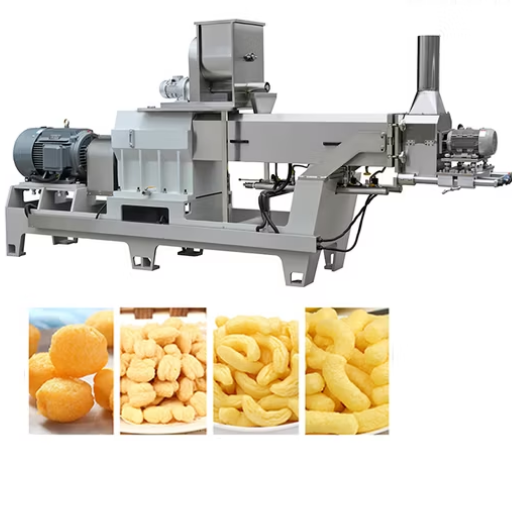
This stage gives products their final or near-final shape and removes moisture to stabilize them.
Extruders (Single-Screw and Twin-Screw)
Extruders cook and shape products by forcing dough through a die under heat and pressure. Single-screw extruders are simpler and cost-effective for straightforward products. Twin-screw extruders offer better mixing, higher throughput, and more precise control over texture and density, making them the preferred choice for complex snacks, cereals, and pet foods. Our food extrusion solutions include twin-screw extruder systems designed for consistent output and recipe flexibility.
Forming and Molding Machines
Forming machines shape dough, meat, or confectionery into bars, nuggets, patties, or pasta. Molders, sheeters, and depositors each serve different product categories. For pasta and noodle manufacturers, forming equipment must maintain precise die dimensions and cutting tolerance to ensure consistent cooking quality.
Dryers, Dehydrators, and Cooling Systems
Dryers remove moisture to extend shelf life and create lightweight products. Tray dryers, belt dryers, spray dryers, and fluid-bed dryers each suit different product forms. Cooling systems bring products down to safe handling or packaging temperatures quickly. In a pet food production line, for example, the dryer after extrusion determines final moisture content, kibble hardness, and shelf stability.
Mini-story: David runs a mid-sized pet food facility in the United States. When he replaced his batch tray dryer with a continuous belt dryer integrated with his extruder, he cut drying time by nearly 40% and improved kibble consistency enough to reduce customer complaints about broken pieces.
Separation, Filtration, and Conveying Equipment
Moving products and separating components may not be glamorous, but it keeps the line efficient and the product consistent.
Centrifuges, Sieves, and Filters
Centrifuges separate liquids from solids or components by density. Sieves and screens classify particles by size. Filters remove suspended solids from juices, oils, and process water. These machines protect downstream equipment and ensure product meets specification.
Conveyors, Elevators, and Pneumatic Systems
Conveyors move product between stations without manual handling. Belt conveyors, screw conveyors, bucket elevators, and pneumatic systems each handle different product characteristics. A well-designed conveying system reduces product damage, minimizes contamination risk, and maintains the line rhythm set by the slowest process step.
Packaging and End-of-Line Equipment
Packaging equipment protects products, communicates brand information, and prepares goods for distribution.
Fillers, Sealers, and Vacuum Packers
Fillers deposit precise volumes or weights of product into containers, pouches, or bags. Sealers close packages with heat, impulse, or ultrasonic welding. Vacuum packers remove air to extend shelf life in meat, cheese, and ready-meal applications.
Labelers, Cartoners, and Palletizers
Labelers apply product and regulatory information. Cartoners group individual packages into retail boxes. Palletizers stack finished cases for shipping. End-of-line automation reduces labor costs and improves traceability.
Modified Atmosphere Packaging (MAP) Systems
MAP systems replace air inside a package with a controlled gas mixture to slow spoilage. They are widely used for fresh produce, bakery items, and ready-to-eat meals. For processors selling into retail, MAP can significantly extend shelf life without preservatives.
Quality Control and Inspection Equipment
The final line of defense before products leave the facility is quality-control equipment.
Checkweighers and Vision Systems
Checkweighers reject packages outside target weight, protecting brand reputation and regulatory compliance. Vision systems inspect packages for correct labeling, seal integrity, and fill levels. Together, they catch errors that human inspection alone might miss.
X-Ray and Metal Detection
X-ray inspection detects dense contaminants such as glass, stone, bone, and some plastics, while metal detectors focus on ferrous, non-ferrous, and stainless-steel contaminants. Many plants use both technologies at different points in the line for layered protection.
How to Choose the Right Types of Food Processing Equipment
With so many categories available, selection can feel overwhelming. A simple three-step framework keeps decisions focused.
Match Equipment to Product and Process
Start with your recipe and intended final product. A high-oil snack requires different extrusion and frying parameters than a low-moisture cereal. A fresh pasta line needs gentle mixing and precise forming, while a dry dog food machine needs high-shear extrusion and controlled drying. Define your product first, then match equipment to the process.
Consider Capacity, Scale, and Growth
Buy for your current realistic throughput plus 20–30% headroom. Over-sizing wastes capital and energy; under-sizing creates bottlenecks. Modular designs help because you can add capacity later without replacing the entire line. If you plan to launch new products, choose equipment with recipe-specific adjustment capability.
Evaluate Material, Compliance, and After-Sales Support
Food-contact surfaces should use food-grade stainless steel, most commonly 304 or 316 depending on corrosion exposure and cleaning regime. Look for CE, FDA, NSF, or other certifications relevant to your target markets. Finally, evaluate the manufacturer’s ability to provide installation support, spare parts, and technical service. Downtime in a food plant is expensive, and responsive support often matters more than a lower purchase price.
Want to see how these equipment categories connect in a real line? Explore our food production line solutions to find configurations for snacks, pet food, noodles, pasta, and more.
Conclusion
Understanding the types of food processing equipment by production stage makes facility planning far more manageable. Preparation and cleaning equipment protects your process. Mechanical processing equipment transforms raw materials. Thermal equipment ensures safety and develops flavor. Forming, extrusion, and drying equipment create the final product form. Separation, conveying, packaging, and quality-control systems keep the line efficient and compliant.
When you choose equipment as an integrated system rather than a collection of machines, you reduce integration risk, improve product consistency, and make future scaling easier. Start with your product and process, define capacity with growth in mind, and prioritize materials, compliance, and support.
Shandong Loyal Industrial Co., Ltd. designs modular, recipe-specific food production line solutions for snack, pet food, instant noodle, pasta, and extrusion applications worldwide. If you are planning a new line or upgrading existing equipment, contact our team today for a custom consultation and quote. We will help you select the right types of food processing equipment for your product, capacity, and budget.