
The Versatile Kitchen Workhorse: What is a Food Mill Used For?

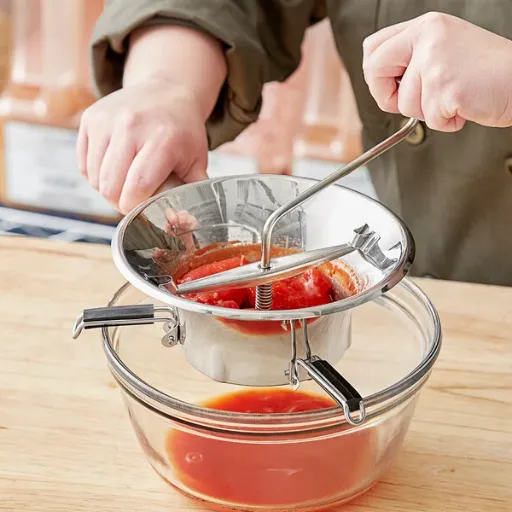
A food mill serves as a manual bridge between a strainer and a blender, designed to simultaneously puree soft foods while filtering out unwanted skins, seeds, and fibers. Unlike high-speed blades that emulsify everything into a uniform liquid, this tool uses a hand-cranked paddle to press ingredients through a perforated plate. This mechanical separation is essential for creating velvety mashed potatoes, smooth tomato sauces, and sediment-free fruit preserves without introducing excess air into the mixture.
The Mechanics of Manual Pureeing
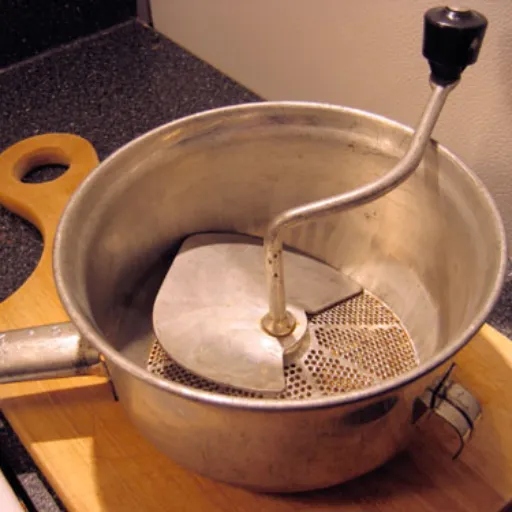
At its core, a food mill is a low-tech centrifuge that relies on steady torque rather than high-velocity impact. Unlike a food processor that chops blindly, a mill uses a semi-circular slanted blade to trap ingredients against a perforated metal disc. As you crank the handle, the blade applies downward pressure, forcing soft pulp through the holes while simultaneously scraping the underside to keep the mesh clear.
Industry observations suggest that the quality of the spring—which maintains the tension between the paddle and the plate—is what defines a professional-grade tool. In a realistic scenario, such as processing a five-pound bag of steamed apples, a weak spring allows skins to slip through the gaps, ruining the uniformity of the sauce. It is this specific mechanical filtration that ensures a consistent texture, typically around 1.5mm to 4mm depending on the chosen disc, without ever introducing the oxidized, frothy air bubbles common in electric blending.
Why use a food mill instead of a blender?

Choosing between these two tools isn’t about power; it is about the physics of the finished dish. A blender uses high-speed cavitation to shatter every cell wall in its path. While efficient, this process often creates an overly homogenized, “gluey” result, particularly with starchy vegetables. Industry observations suggest that the high-velocity blades of an electric mixer can release excess starch from potatoes, turning a potential puree into a sticky paste.
In a realistic scenario, like making a rustic gazpacho or a smooth apple butter, you want to retain the integrity of the fruit’s flavor while removing the bitterness of the seeds. A food mill does this through gentle, mechanical displacement. It separates by size and density rather than by brute force. Because the mill operates at a fraction of the RPMs of a blender, it preserves the natural color and “brightness” of the produce that high-speed oxidation tends to dull.
Achieving the perfect texture: Seeds, skins, and pulp
The magic happens at the interface of the milling disc and the paddle. When you process a batch of blackberries or tomatoes, a blender would pulverize the seeds, releasing tannins that can sour the entire sauce. A food mill is more selective. By using a fine 1.5mm disc, you can press the succulent pulp through the mesh while the seeds and tough skins remain trapped above. This mechanical filtration is a practical example of why professional chefs rely on mills for coulis; you get a silky finish without the tedious step of triple-straining through a chinois. It’s about achieving a refined mouthfeel that electric blades simply cannot replicate.
Temperature control and aeration in food processing
Blenders are notorious for whipping air into mixtures, which can be disastrous for canning or high-end plating. This aeration creates foam and lightens colors, often making a deep red sauce look unappealingly pink. Furthermore, the friction from a 1200-watt motor can inadvertently cook delicate ingredients or break down emulsions. A food mill operates at room temperature with zero added air. This lack of “froth” ensures your preserves stay dense and your mashes remain heavy and rich, preserving the true density of the ingredients without the artificial lightness caused by high-speed spinning.
Essential Culinary Roles
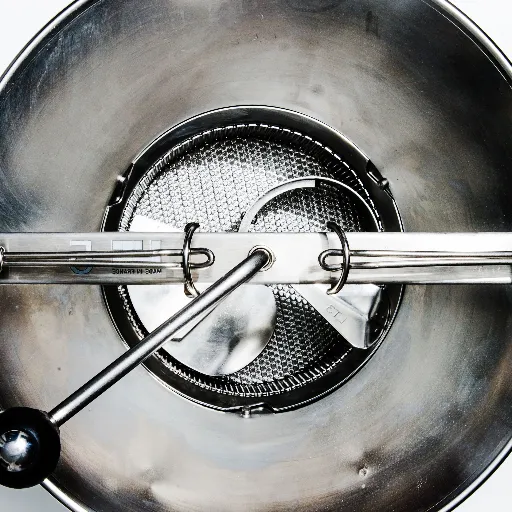
Understanding what is a food mill used for requires looking past basic mashing to the science of texture. In a professional kitchen, this tool acts as a primary filter for complex starches and fibrous produce. Industry observations suggest that the quality of a puree often comes down to how much the cellular structure is preserved during processing. While high-speed blades tear through fibers, the mill’s rotating plate gently coaxes the pulp through, leaving behind anything that would muddy the flavor or ruin the mouthfeel. This selective extraction makes it a staple for chefs who prioritize clarity and density in their reductions and mashes.
Mastering the silky smooth potato puree
Potatoes are notoriously temperamental. If you overwork them with a hand mixer or blender, you end up with a gummy, unappetizing paste—a result of the starch granules rupturing too aggressively. Using a food mill with a medium 2mm disc prevents this culinary disaster. It creates a fluffy, uniform “rice” that remains light enough to absorb butter and cream without losing its structural integrity. A practical example is the classic Robuchon-style mash, which relies on this gentle extrusion to achieve a cloud-like consistency. By processing the spuds while they are still steaming at roughly 175°F, you ensure the smoothest possible transition from solid to silken.
Processing tomatoes for authentic Italian sauces
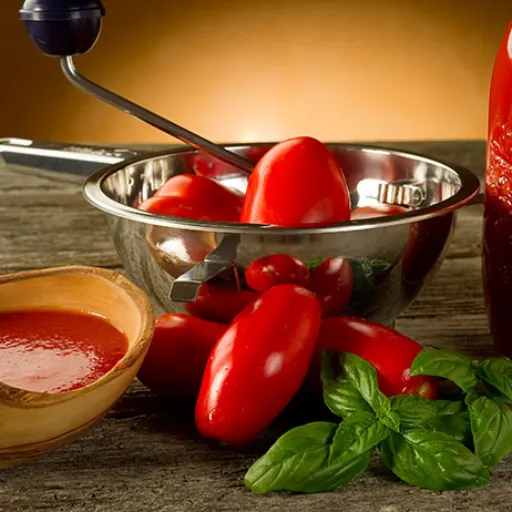
When you are simmering a large batch of San Marzano tomatoes, the last thing you want is the bitterness of crushed seeds or the chewy texture of skins. A food mill is the traditional solution here. You simply toss in the whole, blanched fruit—skins and all—and start cranking. The mill effectively peels and de-seeds the tomatoes in a single motion. Industry observation shows that this method preserves the vibrant red color of the sauce better than electric methods, as it avoids the microscopic air bubbles that can turn a deep pomodoro into a pale, oxidized orange.
Preparing small-batch, additive-free baby food
For parents, a food mill is a low-maintenance bridge between whole foods and safe, digestible purees. It allows you to transform a Sunday roast or a side of steamed carrots into a meal suitable for an infant in about 90 seconds. Unlike commercial jars, there are no stabilizers or hidden thickeners. A realistic scenario might involve processing a single sweet potato; the mill captures the tough, stringy fibers that could be a choking hazard, leaving behind a nutrient-dense mash. Because it requires no electricity, it’s a quiet, portable option for maintaining a fresh diet on the go.
Straining fruit preserves and seasonal jams
Making jelly or jam from scratch usually involves the tedious task of triple-straining through cheesecloth. However, a fine-mesh food mill disc handles the bulk of this work by trapping the tiny seeds of raspberries or blackberries while letting the juice and pectin flow through. It’s particularly effective for applesauce, as you can boil the apples with the skins and cores intact to extract maximum flavor and natural pectin, then mill the mixture to remove the woody bits. This saves roughly 30% of the prep time compared to peeling by hand.
Anatomy of the Machine
Stripping away the culinary mystery, a food mill is a simple three-component system: a bowl, a perforated disc, and a spring-loaded crank. The bowl usually features hooks or “legs” designed to bridge the rim of a secondary container. This allows the processed pulp to drop directly into a stockpot or mixing bowl, minimizing cleanup.
The heart of the device is the tension bar. This metal strap locks the crank in place, providing the downward force necessary to shear soft tissue against the metal grate. Industry observations suggest that high-carbon stainless steel is the standard for longevity, as it resists the corrosive acids found in tomatoes and citrus. A well-built mill might weigh between 1.4 and 2.2 pounds, providing the heft needed to stay stable during heavy-duty processing without requiring excessive arm strength.
Choosing the right disc: Fine vs. Coarse
Selecting the correct gauge is the difference between a silky coulis and a chunky mash. A fine disc, typically featuring 1.5mm apertures, is the go-to for removing tiny seeds from raspberries or creating a smooth consistency for infant meals. If you move up to a medium 3mm disc, the texture becomes more substantial—perfect for a traditional German applesauce or a rustic vegetable soup.
In a realistic scenario, using a coarse 4.5mm disc for potatoes ensures you don’t overwork the starch, resulting in a fluffy, riced texture rather than a heavy paste. Practical examples show that swapping discs mid-process is often unnecessary if you understand the desired end-state of your ingredients. Coarser holes tend to allow more fiber through, which may be preferable for hearty, country-style recipes where a bit of “bite” is the goal.
4 Common mistakes to avoid during first-time use

New users often treat a food mill like a blender, expecting it to do the heavy lifting of breaking down raw, hard produce. This is a primary error. Unless you are working with extremely soft fruits like very ripe raspberries, ingredients must be simmered or steamed until they are “fork-tender.” Attempting to mill a raw, firm apple will likely bend the tension bar or scuff the stainless steel plate.
Another frequent misstep is forgetting the “reverse crank.” Every 10 to 15 rotations, you should turn the handle backward once or twice. This clears the accumulated seeds and skins that clog the perforations, allowing the blade to maintain its shearing efficiency.
Industry observations suggest that overfilling the hopper is equally counterproductive. If you dump 3 pounds of potatoes in at once, the paddle can’t create the necessary downward angle. Instead, work in smaller batches—about 1.5 to 2 cups at a time—to ensure the blade actually grips the food rather than just spinning on top of it. Finally, check that your scraping blade is installed facing the right direction; a backwards blade simply pushes food around the bowl without forcing it through the disc.
Maintenance and Long-Term Care for Stainless Steel Models
Stainless steel is the industry standard for food mills because it resists the corrosive acids in tomatoes that eventually pit and degrade aluminum models. However, “stainless” doesn’t mean indestructible. To preserve the sharp edge of the milling blade, avoid the temptation to let fruit pulp dry inside the mesh. Once starch or pectin hardens in those 2mm perforations, it often requires aggressive scrubbing that can scuff the metal.
A practical example of proper care is a quick rinse with hot water immediately after use, followed by a cycle in the dishwasher. Industry observations suggest that most mechanical failures occur at the spring-loaded tension bar. Applying a drop of food-grade mineral oil to the center pin every 10 or 12 uses keeps the rotation fluid and prevents the squeaking caused by metal-on-metal friction.
Does the brand of food mill actually impact the result?

In the culinary world, brand choice often feels like a matter of prestige, but for food mills, it is purely a question of mechanical tolerance. Industry observations suggest that mid-range and high-end models differ primarily in the gauge of their stainless steel and the tension of the spring-loaded arm. A cheaper, thin-walled unit tends to flex under pressure. When the bowl distorts, the paddle loses its flush contact with the disc, allowing skins to pass through the gaps.
A realistic scenario involves processing a dense batch of winter squash. While a budget model might skip or “chatter” against the plate, a sturdier professional unit maintains a consistent 0.5mm clearance. This rigidity ensures that every revolution counts. While you don’t necessarily need the most expensive name on the market, investing in a brand that prioritizes heavy-gauge materials—usually weighing north of 1.7 pounds—saves you from the frustration of a clogged mesh and an uneven puree.
FAQ Section
Q: Can I use a food mill for raw vegetables or do they need to be cooked?
A: For almost all vegetables, cooking is a prerequisite. A food mill relies on soft textures to press pulp through the perforated disc; attempting to mill raw carrots or potatoes will likely bend the tension bar or damage the stainless steel. However, very soft, high-moisture raw items like ultra-ripe tomatoes or berries can be processed without heat. For everything else, steaming or boiling until the produce is “fork-tender” ensures the mill can efficiently separate the skins from the mash.
Q: How do I clean a food mill without getting pulp stuck in the mesh?
A: The secret to an easy cleanup is speed. Once the fibers or starches dry inside the tiny 2mm holes, they become like cement. Rinse the mill under high-pressure hot water immediately after use to dislodge the bulk of the waste. If particles remain, use a stiff nylon kitchen brush to scrub the underside of the disc in the opposite direction of the milling. Most modern stainless steel models are dishwasher safe, which helps dissolve any lingering pectins or sugars.
Q: Is a food mill necessary if I already own a ricer?
A: While both tools excel at making fluffy mashed potatoes, they serve different culinary purposes. A ricer is a single-tasker designed solely to extrude cooked potato through small holes. In contrast, a food mill is a multitasker that also filters. If you need to remove seeds from a blackberry coulis or peel tomatoes while pureeing them for a sauce, a ricer cannot help you. The food mill’s ability to separate waste from pulp makes it much more versatile for complex saucing and preserving.
Q: What is the best disc size for making homemade applesauce?
A: Most cooks prefer a medium disc, typically around 3mm, for standard applesauce. This size allows enough of the fruit’s body to pass through for a substantial, rustic texture while successfully trapping the seeds, stems, and peels. If you prefer a very smooth, commercial-style sauce or are making apple butter, switching to a fine 1.5mm disc is better. Using the coarse disc is generally avoided here unless you are looking for a very chunky, compote-like finish.
Q: Can a food mill handle fibrous greens like spinach or kale?
A: Food mills are not particularly effective for leafy greens. The long, stringy fibers of kale or spinach tend to wrap around the central pin and clog the holes rather than passing through them. Even when fully cooked, these greens lack the “pulp” density required for the paddle to exert meaningful pressure. For greens, a food processor or a sharp chef’s knife remains the superior choice, as the mill is better suited for starchy vegetables and soft fruits.
Q: Why is my food mill scraping against the bottom plate during rotation?
A: Some metal-on-metal contact is actually necessary for the tool to work, as the blade must shear the food against the disc. However, if the scraping is excessive or rhythmic, the tension bar may be over-tightened or the disc might be seated unevenly in the bowl. Check the spring mechanism to ensure it isn’t caught. Industry observations suggest that a light coating of food-grade mineral oil on the center point can often silence the noise and produce a much smoother cranking motion.