

Protein Bar & Nutrition Bar Production: Manufacturing Guide

The protein and nutrition bar market has grown into a multimillion-dollar business because of rising consumer demand for such products, which attract both health-conscious people, athletes, and working professionals. The production of each bar requires a detailed manufacturing procedure that uses exactness, new ideas, and maintains quality requirements. The guide provides complete information about protein and nutrition bar production, which shows the whole process, starting from ingredient selection and formulation to the advanced technology and machinery that create the finished products. The article delivers essential information about the fast-developing industry through its coverage of processes, challenges, and opportunities that exist within this sector for both industry professionals, startup enthusiasts, and casual readers.
Overview of Protein Bar Manufacturing
The production of protein bars requires multiple essential procedures to produce items that maintain their quality and uniformity, and their health benefits. The process begins with ingredient selection, where proteins, sweeteners, fibers, and additional functional components are carefully chosen based on the bar’s formula and desired nutritional profile. The subsequent stage proceeds to mixing, which combines all components until they achieve the necessary taste and texture requirements.
The forming stage establishes the product as bars through the use of extrusion or molding equipment. The bars undergo baking or recipe-specific setting processes to achieve the necessary structural strength and product uniformity. The coating procedure follows, which involves applying chocolate or other materials to the bars for taste improvement. The final stage of bar production involves packaging, during which each item receives sealing treatment to maintain product freshness and prolong its storage period.
The entire operation implements rigorous quality assurance standards to achieve compliance with both food safety standards and nutritional validity requirements. All protein bar production procedures begin with foundational steps that mandate operators to conduct precise procedures while watching every development.
What is a Protein Bar?
A protein bar is a convenient, nutrient-dense snack designed to provide a balanced source of protein, carbohydrates, and fats. These bars are commonly formulated to support muscle repair, energy replenishment, or weight management, making them popular among athletes, fitness enthusiasts, and individuals with busy lifestyles. Protein bars contain protein from multiple sources, which include whey, casein, soy, and plant-based options, together with oats, nuts, seeds, and sweeteners. Protein bars serve as a useful method to increase daily protein consumption, yet their nutritional content varies greatly, making it necessary to evaluate both ingredient lists and macronutrient information to determine whether they suit dietary objectives.
Importance of Protein in Nutrition Bars
Protein content in nutrition bars serves three essential functions, which include muscle repair support, hunger control, and essential dietary maintenance. The bars provide quick protein solutions that help busy people who need to recover from their workouts while controlling their appetite between meal times. Protein enables active people to build muscle through protein synthesis, while it helps all other consumers to achieve stable blood sugar levels and continuous energy. The optimal protein range for a nutrition bar exists between 10 and 20 grams, which depends on individual requirements, while high-quality protein sources like whey and casein, pea protein, and soy protein remain the top priority. The protein bar assessment process requires researchers to test all ingredients until they find out which artificial substances exist and which dietary restrictions the product meets, including plant-based and gluten-free requirements. When we select nutrition bars that contain sufficient protein content, they become useful tools that support our efforts to maintain a nutritious and well-balanced dietary pattern.
Market Trends in Protein Bar Production
The protein bar market has experienced substantial expansion because consumers seek snacks that provide both convenience and nutritional value. The main market trends show functional protein bars that developers built to meet specific health requirements, including weight control and muscle recovery, and energy boost needs. Clean-label products have become increasingly popular, with consumers prioritizing transparency in ingredients and choosing bars that are free from artificial sweeteners, preservatives, and allergens. More consumers choose vegan, vegetarian, or flexitarian diets, which leads to increased demand for plant-based protein bars that manufacturers develop using pea, rice, and nut-based protein sources. Sustainable production practices have emerged as a key focus area, which includes companies implementing eco-friendly packaging solutions and using sustainably sourced materials. High-protein, low-sugar products remain the industry standard because people now understand the importance of maintaining proper macronutrient distribution. The protein bar industry will develop its future through product development and the ability to change according to what customers want.
Ingredients and Formulation
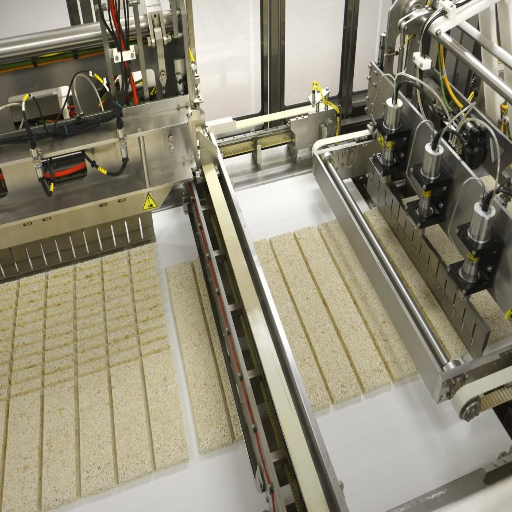
The formulation of protein bars primarily revolves around achieving a balance between nutritional value, taste, and texture. The main components of the product use protein sources, which include whey and casein, and pea and rice proteins, to meet the dietary needs of specific customer groups. Sweeteners like honey, stevia, or sugar alcohols are often used to enhance palatability while minimizing added sugars. Glycerin and nut butter function as binding agents, which create product texture while maintaining product consistency. The product includes fiber sources, which include chicory root and oats, to enhance digestive health benefits. The product includes functional additives that contain vitamins and minerals, and probiotics to improve health advantages. The company conducts careful ingredient selection to meet both regulatory requirements and consumer demands for sustainable and high-quality products.
Key Ingredients for Protein Bars
Protein bars are created to provide essential macronutrients through their specialized design, which meets various dietary and functional requirements. The main ingredient consists of high-quality protein, which may come from whey protein isolate and casein, soy protein, and plant-based proteins like pea protein and rice protein. Active people need these proteins because they support muscle recovery and growth.
The product uses carbohydrates from oats, brown rice syrup, and tapioca starch to create energy, which maintains ongoing energy levels while delivering a pleasant taste experience. The product contains healthy fats, which come from nuts and seeds and coconut oil, to promote satiety while providing nutritional value. The product uses sweeteners, such as honey and agave, and sugar alcohols like erythritol, to enhance flavor while minimizing total added sugars.
The product uses cocoa powder, fruit extracts, and spices as ingredients to create improved flavor and texture. The product uses glycerin and fiber syrups and nut butters as binding agents to create a solid structure, which dietary fibers from chicory root and inulin provide support for intestinal health. The product contains omega-3s and probiotics, vitamins, and minerals as functional additives to deliver additional health advantages. Every product is created to satisfy customer needs while following food safety regulations and nutritional standards.
Blending Techniques for Optimal Nutrition
Food products require blending techniques to achieve their required texture and consistency, and proper nutrient distribution. High-speed blenders equipped with stainless steel blades are commonly used to ensure uniform mixing of ingredients. The machines use their multiple speed settings to create fine particles while keeping heat-sensitive nutrients intact. The technique of pulse blending helps maintain nutritional quality while controlling texture through this method of blending.
All ingredient addition sequence needs to follow proper procedures because liquid and soft ingredient blending needs to begin with these two elements, which make up the smooth base, before adding powders and denser elements that need to be mixed in completely. The blending process needs temperature control because it protects nutrients from degradation, which happens when products contain probiotics and sensitive vitamins. The advanced blending equipment uses vacuum technology to prevent oxidation, which helps with nutritional preservation and shelf life extension. The blending process monitoring system tracks all steps to ensure compliance with product requirements and regulatory standards.
Choosing the Right Protein Source
The selection of protein sources determines both nutritional effectiveness and product development processes. Proteins exist in multiple sources, which include whey, casein, soy, pea, rice, and hemp, each source providing unique advantages that meet particular requirements. Whey protein offers fast post-exercise recovery benefits because of its high bioavailability and quick absorption rate. Casein delivers amino acids at a gradual rate, which helps people maintain their feelings of fullness throughout the day and supports their muscle recovery during sleep. Plant-based options like soy and pea proteins support people who have dietary restrictions or allergies while delivering similar macronutrient content. The protein source selection process needs evaluation of factors such as solubility, digestibility, amino acid composition, and environmental impact, which helps match protein sources with consumer objectives and sustainability requirements.
The Protein Bar Production Process
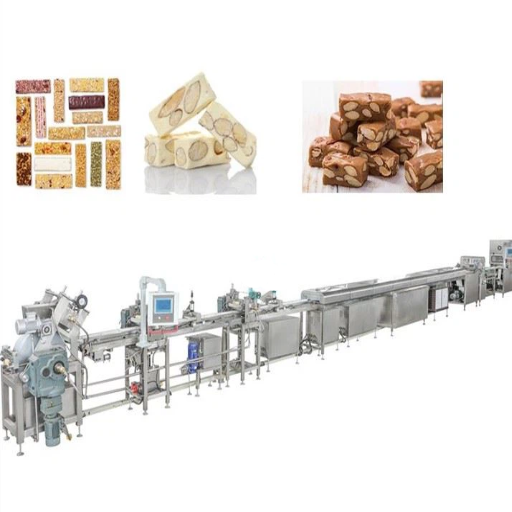
The production of protein bars requires an exact and complete procedure that guarantees product quality, nutritional value, and customer contentment. The process starts with ingredient selection because it needs to establish a balanced combination of protein sources, binding agents, and flavor components. The testing process assesses proteins for their ability to dissolve and be digested, which allows researchers to determine their functional and nutritional properties. The mixing phase starts when operators combine dry ingredients with liquid components under controlled conditions to produce a consistent dough, which they shape through either extrusion or molding equipment. The baking process creates bars that achieve their preferred texture through either baking or pressing methods, while cooling preserves their structural stability. The company packages products in temperature-controlled spaces, which help maintain product freshness and extend product shelf life while following strict food safety standards and legal regulations. The production process uses amino acid profiles, allergen control methods, and sustainable practices to meet both consumer needs and industrial requirements.
Steps in the Protein Bar Manufacturing Process
Ingredient Selection and Preparation
The initial phase requires the selection process of top-grade components, which include protein powders and sweeteners, and binding agents, together with extra nutritional elements. The team conducts precise weight and measurement operations to establish the nutritional content and product specifications compliance of the ingredients.
Mixing and Blending
Manufacturers use industrial mixers to combine the chosen materials until they reach a uniform dough-like texture. The purpose of this stage is to distribute all ingredients, which include proteins, fibers, and flavors, throughout the product while avoiding excessive mixing that would ruin the product’s quality and texture.
Forming and Shaping
The doughing process transfers the material into machines, which create consistent bar shapes and other required designs. The current process operates through controlled pressure and temperature to guarantee that the bars will maintain their original form while remaining intact.
Baking or Compression
Protein bars need baking for products that require flavor activation and specific texture development, while compression serves as the method for no-bake protein bars. The current stage requires accurate management of baking duration and temperature with compression pressure to achieve the best product consistency.
Cooling and Cutting
The bars undergo a controlled cooling process, which establishes their final structure after they have been shaped. The cutting process divides the bars into predefined dimensions through advanced cutting equipment, which guarantees identical weight and shape throughout the production run.
Coating (Optional)
Products that contain a chocolate or yogurt coating require their bars to travel through an enrobing line, which distributes the coating evenly across the surface. The coated bars enter cooling tunnels, which allow the coating layer to become solid by processing through the tunnels.
Packaging and Labeling
The bars undergo their final step, which involves packaging using materials that safeguard their freshness while preventing any outside contaminants from entering. The latest machinery performs fast wrapping operations while it creates seals and prints product details, which include nutritional information, ingredient details, and expiration dates according to legal requirements.
The manufacturing process undergoes continuous surveillance, which includes quality control methods that validate production standards that meet customer satisfaction and industry requirements.
Industrial Protein Bar Equipment Overview
Industrial protein bar production needs modern equipment that produces high efficiency and maintains consistent output while meeting all food safety requirements. High-capacity mixers function as essential equipment that combines ingredients to create uniform mixtures, while extrusion machines shape the bars into exact dimensions, and cooling tunnels maintain their structural integrity. The cutting equipment provides precise portioning while the automated packaging systems efficiently wrap and label the bars at high speeds, which keeps them clean and ready for sale.
Robotics and programmable logic controllers (PLCs) work together to boost productivity because they handle repetitive tasks while decreasing operational mistakes. Stainless steel machinery has become the preferred choice for many manufacturers because it provides long-lasting equipment, which allows for efficient cleaning procedures that support their need to uphold strict hygiene requirements. The production process uses temperature and humidity controls to maintain bar texture and quality throughout all production phases. The current systems provide real-time monitoring functions that enable performance tracking and compliance verification with industry standards.
Automation in Protein Bar Production Lines
The implementation of advanced technologies enables automated systems to manage essential operations, which include mixing and forming, cutting, and packaging. The automated systems execute essential procedures, which include mixing and forming, cutting, and packaging with precise accuracy at high operational speed. The combination of robotics and AI-based equipment helps organizations to improve their productivity through waste reduction while achieving consistent results across their extensive production operations. The use of programmable logic controllers (PLCs) permits machines to operate together which improves both production efficiency and product quality assessment processes.
Modern production lines use sensors together with Internet of Things (IoT) technologies to provide ongoing monitoring of important measurements, which include temperature, humidity, and ingredient ratios. The data-driven method ensures that production processes comply with food safety regulations while maintaining consistent product quality. The fully automated systems offer customizable options that allow manufacturers to create production systems that match their specific requirements while minimizing operational expenses and time needed for production setup.
Manufacturing Equipment and Technologies
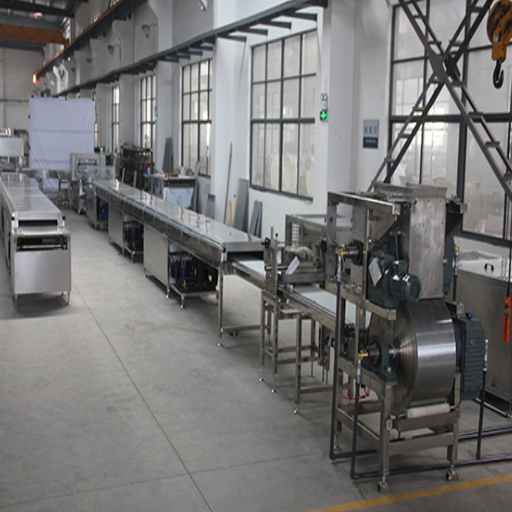
The design of contemporary manufacturing machinery aims to improve production efficiency, production accuracy, and production capacity. The production process benefits from automated systems, which include assembly robots and exact Computer Numerical Control (CNC) machines, because they decrease human mistakes and produce standardized results. The advanced conveyor systems combined with automated handling equipment create optimal material transportation systems, which decrease the time needed for processing. The system achieves operational precision through its ability to monitor processes in real time, while the intelligent control system enables operational adjustments that help reduce waste. The use of these technologies enables manufacturers to boost productivity while sustaining product quality and responding to increased market demand.
Essential Protein Bar Manufacturing Equipment
The manufacturing of protein bars needs precise equipment and efficient machinery because these elements help the production process achieve quality standards and safety requirements, and production needs. The essential equipment package consists of the following items:
The equipment needs to fulfill industry standards through its design, which includes stainless-steel materials and features that facilitate cleaning and controls that operate production processes and adapt to multiple recipes. The combination of these machines operates as the essential system for protein bar production, which enables manufacturers to produce uniform products while achieving maximum production and meeting changing customer needs.
Emulsion Blending Systems Explained
Emulsion blending systems serve essential functions for multiple industries, which include food processing and cosmetics, and pharmaceutical manufacturing activities that require them to achieve uniform emulsification of oil with water. The system creates stable emulsions through its advanced technological system, which uses high-shear mixers and homogenizers, and ultrasonic emulsifiers. The system components include precision pump systems, which control ingredient addition, high-torque motors, which maintain constant mixing speeds, and temperature control units, which create optimal emulsification conditions.
The process uses high-shear forces and ultrasonic waves to decrease droplet sizes, which results in better stability while stopping phase separation from occurring. The system uses stainless-steel construction to provide both hygienic requirements and lasting strength, while its programmable interfaces permit users to customize different formulas. The systems meet particular industry requirements while delivering effective, expandable, and consistent performance throughout their operation. The advanced blending solutions enable businesses to produce uniform products while decreasing waste and meeting all regulatory requirements.
Puree Processing Lines and Their Functions
The processing lines for puree production process fresh fruits and vegetables to produce purees which meet industry standards for various food products, baby food, and beverage manufacturing. The systems include essential elements which consist of washing units, peeling and pitting machines, heating systems, and pulping and sieving equipment, and advanced pasteurization or sterilization units. The different stages of the process establish product quality through meeting strict requirements for hygienic conditions and safety regulations.
The washing unit removes all contaminants from the raw material by eliminating dirt and pesticides. The peeling and pitting machines use mechanical methods to strip skin and seeds, and pits from produce before it undergoes additional processing. The machines that perform pulping and sieving operations create puree through raw material processing, which results in a fine, homogeneous texture and separation of unwanted particles. The thermal processing steps, which include pasteurization and sterilization, serve to destroy all pathogens while protecting products from spoilage throughout their storage period.
The modern puree processing lines have been designed to be flexible so they can handle various fruit and vegetable types while matching different production levels. The system includes automated control mechanisms that uphold product uniformity while decreasing the need for human input and enhancing operational efficiency. The systems enable manufacturers to achieve greater production output while their products maintain consistent quality standards, and they adhere to international food safety requirements.
Packaging and Quality Control
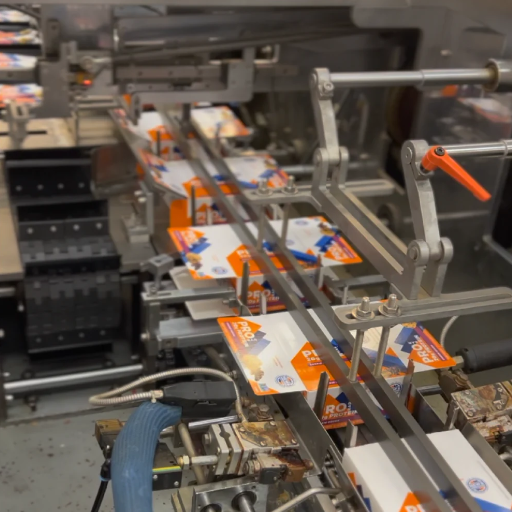
The packaging must function properly to protect the fresh taste and safe quality of puree products. Manufacturers use aseptic cartons, glass jars, and flexible pouches as their primary materials because these options provide effective protection against contamination and extend product shelf life. The company performs regular inspections together with quality control procedures throughout each production step to ensure product quality. The process includes three main activities, which are testing seal integrity, checking label information, and performing microbial assessments. The manufacturing process needs these protocols because they enable companies to fulfill regulatory requirements while producing safe, high-quality goods for customers.
Protein Bar Packaging Solutions
The packaging challenges that protein bar manufacturers face require them to select materials and methods that maintain product quality while extending product shelf life. The three most popular packaging materials for this purpose are vacuum-sealed wrappers and foil laminates, and resealable pouches, because they effectively block moisture, oxygen, and light. The materials protect against spoilage while they sustain both nutritional value and taste characteristics of the bars.
Packaging design should create customer-friendly features, which include seals that open effortlessly and products that people can carry during their daily activities. Companies now implement compostable and recyclable materials as eco-friendly solutions because they fulfill both environmental requirements and customer demands.
Automated packaging systems serve as the primary production technology because they improve operational performance and maintain product quality control. These systems utilize advanced technology to achieve accurate sealing and product inspection and create features that prevent unauthorized access. Food-grade safety testing and labeling requirement compliance testing represent essential processes for regulatory standard compliance. Manufacturers can create attractive yet safe protein bar packaging through the use of new materials and environmentally friendly methods, and streamlined manufacturing methods.
Quality Control in Protein Bar Production
The protein bar manufacturing process needs strict quality control procedures to achieve consistent product safety that meets industry standards. I would focus on implementing rigorous testing protocols at every stage of the production cycle, including raw material inspection, formulation accuracy, and final product evaluation. I will use advanced analytical tools to protect product integrity while following industry standards and testing each batch against quality standards and regulatory requirements.
Cooling and Storage of Finished Products
The cooling process and storage of finished products create essential requirements that preserve product quality and product stability while meeting industry standards. Controlled environments need to operate for cooling purposes because they allow products to reach safe temperature levels while protecting their structural components and chemical makeup from thermal shock. The process requires specific cooling chambers to be used together with conveyor systems, which operate at exact temperatures until they achieve complete output consistency.
Products need to be stored in facilities that meet three essential environmental requirements, which include temperature and humidity, and ventilation standards that match the specific product requirements. Cold storage facilities or refrigeration units must maintain specific temperature ranges to prevent spoilage of perishable items and temperature-sensitive goods. Proper packaging needs to be applied at this stage because it protects products from three types of damage, which include contamination and mechanical damage, and environmental exposure, during two activities, which are storage and distribution. Compliance with safety and regulatory guidelines is ensured through two methods, which include routine inspections and strict adherence to warehouse safety protocols. The implementation of these measures enables manufacturers to maintain product quality while extending product shelf life and meeting customer and regulatory requirements.
Conclusion
The protein and nutrition bar manufacturing industry continues to evolve with advancing technologies, automated systems, and sustainable practices that meet growing consumer demands. Understanding the complete production process—from ingredient selection and formulation to packaging and quality control—enables manufacturers to produce high-quality, nutritious products that serve diverse market segments. By leveraging modern equipment, implementing rigorous quality standards, and adapting to market trends, producers can successfully navigate this competitive industry while delivering products that support health-conscious consumers’ nutritional goals.
Reference Sources
Optimization of High Protein Formulations
Focuses on optimizing high-protein bar formulations to meet consumer expectations and address manufacturing challenges.
Development and Characterization of High-Energy Protein Bars
Details the development of high-protein bars using lupine seeds, wheat germ, and dried fruits, with a focus on nutritional and sensory properties.
Understanding How High-Protein Bar Formulations Impact Processing
Examines the challenges in processing high-protein bars, such as sticking and cold flow, and their impact on production.
Frequently Asked Questions (FAQs)
What factors should I evaluate when selecting a packaging machine for my protein bar operation?
Choose a packaging machine that fits your bar format, production speed, and shelf-life specifications. The packaging machine must be able to process the dimensions of slabs produced by your line, while it needs to work with both wrappers and flow packs and connect with upstream machinery, which includes a guillotine or cutting station. Proper installation and changeover design will reduce inefficient downtime and help you optimize packaging costs while maintaining hygiene for the health food and sports nutrition market.
What method can I use to add dried fruits and other components without causing damage to the bar?
The introduction of dried fruit inclusions should occur during the final low-shear mixing or enrobing step because this method enables them to keep their original texture without turning into paste, which would alter the bar’s structure. The protein bar formula, together with machine settings, enables uniform distribution of inclusions while maintaining slab integrity. The optimal feeding rates and placement points across the bar processing line should be identified through testing small batches and operating hands-on demos.
Which cutting method should I choose for my protein bar business, a guillotine cutter or portioning rollers?
A guillotine cutter provides clean, straight cuts, which suit dense slabs and bars that need sharp edges, whereas portioning rollers work better for continuous enrobed bars and softer bars. You should evaluate three aspects: performance capacity and how each method impacts uniformity in product dimensions. The system generates cut parts with varying weights, which establishes waste that reduces profit margins during competitive food item distribution.
What effect does installation and training have on production efficiency when purchasing a protein bar machine?
The success of an operation depends on both proper installation and training of staff members who will manage the process. The protein bar manufacturing machine will deliver poor performance when operators lack knowledge about changeover procedures and hygiene standards, and when the machine is installed improperly. The suppliers offer commissioning services together with hands-on demonstrations, which help to minimize startup problems while enabling manufacturers to achieve their predictable product output with consistent texture and shelf life.
What formulation tips help make the right protein bar that competes in the health food market?
The ideal protein bar requires a combination of protein sources, binders, and inclusions, which should include dried fruits and nuts as well. The process of testing ingredient blending leads to the assessment of product quality through its effects on texture, shelf life, and taste. Your bar processing line needs efficient production together with proper equipment selection to develop your successful recipe into a protein bar business.