
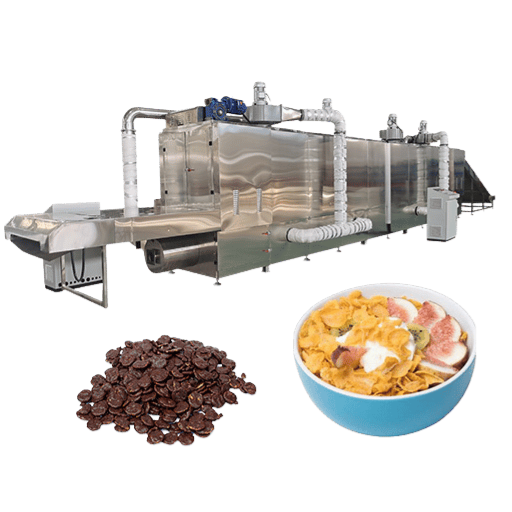
Corn Flake Production Line: Cereal & Flake Production

The production of corn flakes stands as a pinnacle of innovation within the food manufacturing industry, blending precision engineering with sophisticated processing techniques. The article examines all components that make up present-day corn flake production facilities, which transform unprocessed corn into one of the world’s most widely consumed breakfast foods. We examine all aspects of production, which include ingredient preparation, flaking and drying, and packaging, to demonstrate how advanced technology and quality control systems preserve product uniformity and flavor across all packaged products. This complete guide offers food manufacturing professionals and breakfast science enthusiasts useful information about how modern cereal and flake production operations achieve efficient, expandable, and innovative processes.
Corn Flakes Production Line Overview
The automated system used for producing corn flakes from raw corn, carried through to a complete breakfast cereal, acts to cut waste and boost productivity. The first step of the process is intended to remove the cornhusk and prepare it to a desired, uniform moisture content. Upon removing the impurity, the further processes of corn tempering, i.e., potable water cooking or steam cooking, come in next. After that comes one of the most important stages of production, corn being ground into thin flakes by pressure, which is done by these simple hand tools. The toasting process gives the cornflakes a nice browning, crisp characteristic. All of the above-mentioned stages are subjected to quality testing with an emphasis on creating uniform products from one stage to another. Upon cooling, the finished flakes will soon be sealed in a package to preserve their freshness and stability on the shelf. Most products can be produced without compromising the quality as the process is attained by qualitatively adjusting the workflow.
Introduction to Corn Flakes
Cornflakes, which are most often consumed as a breakfast cereal, are made from ground corn, sugar, and malt. The term refers to flakes created by steaming cornmeal until it has the desired consistency, and then pressing it into shape. These flakes are the result of a process that includes roasting. The application of this heat is what gives corn flakes their satisfying crunch and charming appearance. Cornflakes has its origins in the idea of eating something simple and convenient that is also nutritious, and over time have been one of the popular healthy breakfast choices across many cultures, with many different flavors of which are all fortified to make them scientifically balanced.
The famed cereal brand is distinct because individuals can serve themselves with it while mixing it with cold milk or yoghurt, topping it up with fruits or nuts for different tastes as well as health benefits. This is why corn flakes serve as the best choice for breakfast for many people across all dietary needs, as they are free from gluten and have vitamins and nutrients enhanced during processing. Their importance in history and their usefulness in practice have resulted in the formation of an epic wherein these foods are always in people’s households around the world.
Importance of Breakfast Cereal
Cereals are indispensable morning snacks in the diet of any person, as they come with many valuable, healthy elements. This is primarily due to the fact that the product is made up of vitamins, iron, B Groups and dietary fibers, among other supportive minerals used in the human system. Some of the advantages of whole grain cereals include protection of the cardiovascular system, a boost to the digestive system, and help in weight management at all ages. The cereal carries a variety of foods, including those that do not contain wheat, its low-cost alternative, which is without sugar, plant-based, and many others. People like to put cereal in their diets due to the fact that the great benefits they carry value to most people in various corners of the world.
Components of a Production Line
A production line typically consists of several key components, each contributing to the efficient manufacturing of products. The raw material feed system functions as the core element that delivers base materials throughout the production line. The processing equipment functions through machines that operate specific functions that include cutting, mixing, and molding according to product needs. The subsequent stages involve assembly systems that unite parts together and inspection stations that verify quality standards through automated and manual testing processes.
This process involves transporting products from one work center to another within the facility in order to carry out a particular operation. This is better compared to the use of individuals moving the products around an operation or even from one building to the next. These units are responsible for product labelling, product wrapping, and even sealing products ready for shipment. The state-of-the-art software management control systems for all the operational activities control the system’s working conditions as well as the achieved performance levels, and to avert errors. The demand for all these components to interoperate arises because they facilitate the highest efficiency rates while preserving the high standards of the given operation.
Raw Materials for Corn Flake Production

Corn flake production primarily requires high-quality raw materials to ensure consistent taste and texture. The key ingredients include:
- Corn: The main component, typically whole corn or corn grits, serves as the primary base for the flakes.
- Sugar: The ingredient enhances product flavor while providing a touch of sweetness to the product.
- Salt: The ingredient needs to be used in minimal quantities to create a complete flavor profile.
- Malt Extract: The ingredient provides the flakes with their golden hue while producing a light malt taste.
- Vitamins and Minerals: The fortification elements, which include iron and B vitamins, work to boost nutritional value.
The materials undergo thorough selection and processing to achieve the required production quality standards.
Types of Corn Used
The making of cornflakes involves the use of two different corn varieties, which are dent corn and flint corn. Dent corn, also known to many people as field corn, as the name suggests, is a preferred crop, because it has erratic starch problems, which makes it simple to process for flaking activities. Flint corn is one such crop that is fussy and needs its moisture content reduced to very low levels before it can be processed properly in food processing. For example, the company will source these two types of corn based on their quality and the level of their maturity and nutrients so as to be able to produce the most excellent results. The team will also be able to apply hybrid varieties to increase crop yield and the potential for processing without compromising the criteria of palatability and quality of the product.
Other Essential Ingredients
Several constituents are involved in the manufacturing process, which are also chosen in a certain way so that they contribute to the desired appearance, consistency, and longevity of the product. As a means of improvement, salt is introduced in product formulation to help reduce water activity so as to increase the shelf life of the product. Further, fats and oils, of the most common type,s including soya oil, sunflower oil, and canola oil, also find use because these fats, when used, provide the necessary crunch and aplomb when consumed. The spiciness and envelopment consumers would prefer opening their mouths, and melodic settings are attributable tothe usage of spices and herbs, artificial and natural flavors, and, as appropriate, condiments. In order to enhance the time over quality, the product is also made s to be shelf-stable, and the product also makes use of natural preservatives such as citric acid and packaging gases. Food business regulations impose a strict policy on all components and require the ingredients to be free of impurities, harmful substances, and microorganisms.
Quality Control of Raw Materials
The process of controlling raw material quality establishes the basis for maintaining food product safety and quality, together with its consistent performance. The process initiates through supplier assessments, which involve evaluating suppliers for their compliance with both regulatory standards and certification requirements and Good Manufacturing Practices (GMP) standards. Raw materials undergo extensive testing, which evaluates their physical properties, chemical composition, and microbiological status. Companies use analytical methods, which include spectroscopy for chemical identification and moisture analysis for stability assessment and microbial testing to identify potential contaminants and specification deviations. The system depends on documentation together with traceability, which enables manufacturers to track raw materials from their initial point until the end of the supply chain process. The checks protect against multiple risks, which include contamination and adulteration, and non-conformance, while they maintain product integrity and consumer trust.
The Corn Flakes Manufacturing Process
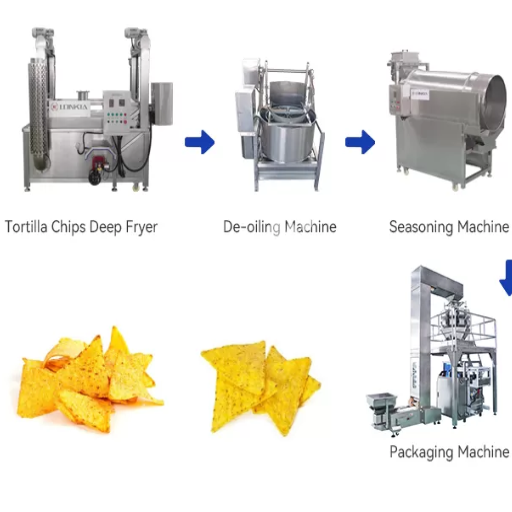
Producing corn flakes is a methodical process, with several key steps involved in ensuring that the product quality is uniform. The stages employed in its production are removing foreign matter from whole corn kernels and turning them into corn grits for subsequent use. Another step involves the cooking of grits under controlled circumstances, ensuring that the starch content is intact, as it retains the natural ingredients. The wet mass dried out, and it is then dealt with by grinding rollers before it reaches a required level of thinness in the form of flakes. Toasting comes into play later on for enhanced crispiness and a golden brown look for the flakes. After that, the finished product is subjected to a quality inspection to confirm that all product is standard before packaging it for delivery. After that, the basic process is completed in preparing Corn Flakes for consumption because the food maintains the highest flavour and the longest duration of utility.
Extrusion Process Explained
The extrusion process functions as an advanced manufacturing method that creates food items through the extrusion of raw materials. The process begins with the preparation of raw materials, which people use to create a consistent dough because they use flour, starch, and water as their main ingredients. The extruder receives the mixture, which undergoes high pressure and temperature, and mechanical shear until it reaches the preferred shape through the die.
The process of extrusion uses heat and pressure to create chemical and physical changes, which transform the ingredients into their final state through the process of starch gelatinization and protein denaturation, and moisture content elimination. The changes that occur during the process create three main effects that affect the final product’s texture and structure and sensory attributes. The extruder produces shaped pieces that undergo cutting and drying processes while they receive toasting or coating treatments according to product needs.
Extrusion offers manufacturers an efficient and flexible production method, which enables them to create various products while using less material because the process also protects products from microbial contamination. The food industry relies on this method because it enables producers to create products that maintain consistent quality while achieving specific product attributes.
Steps in the Production Process
1. Raw Material Selection and Preparation
The process begins with the careful selection of raw materials suitable for the desired end product. The materials undergo cleaning and measurement before they are preconditioned to achieve uniform moisture and particle size, which results in consistent extrusion performance.
2. Extrusion
The prepared raw materials enter the extruder, where they experience mechanical and thermal processing. The extruder barrel contains material that undergoes mixing and cooking while being pressurized to move through a die and create the desired shape and texture. The operation of the system requires precise management of three main variables, which include temperature, pressure, and screw speed.
3. Shaping and Cutting
The extruded material takes on its desired shape after passing through the die, and operators immediately cut it according to predetermined lengths. The process of cutting products depends on two factors, which include their viscosity and product type, while the equipment used for cutting pelletized products consists of rotating blades.
4. Drying and Cooling
The extrudates move to drying systems where controlled heat treatment reduces moisture content to achieve optimal moisture levels. The process establishes shelf stability, which prevents the development of microbial organisms. The product undergoes cooling until it reaches room temperature, which prevents condensation during storage.
5. Post-Processing and Finishing
Products that need special processing will undergo additional operations that include coating and seasoning, and toasting and enrobing. The product undergoes these steps to improve its flavor, texture, and appearance, which enables it to meet both industry quality standards and consumer expectations.
6. Packaging
The complete product enters the final stage of production when it is packaged into suitable containers that maintain product freshness while stopping product contamination. Packaging extends product shelf life through the use of vacuum sealing and nitrogen flushing, and other packaging methods.
Flake Production Techniques
The process of flake production includes converting unprocessed materials into standardized high-quality flakes that meet multiple use requirements. The initial step of the process requires choosing and preparing raw materials, which include grains and starches, and other fundamental components. The ingredients undergo conditioning processes, which typically involve cleaning, pre-cooking, and moistening to reach the ideal processing state.
The main technique requires operators to use specialized rollers for rolling or flattening the processed material. The procedure produces thin, uniform flakes that maintain their original structure. The rolling process depends on temperature and pressure control, which uses steam or thermal energy to create the required texture while improving binding efficiency.
Flakes undergo cooking or drying processes after rolling to decrease moisture levels while improving their ability to stay fresh over time. The final product undergoes secondary processes, which include seasoning, coating, and enrichment to fulfill its intended functional and nutritional requirements. The enforcement of these procedures ensures that food safety regulations are met while the final product satisfies both industry standards and consumer demands.
Automatic Corn Flakes Processing Line
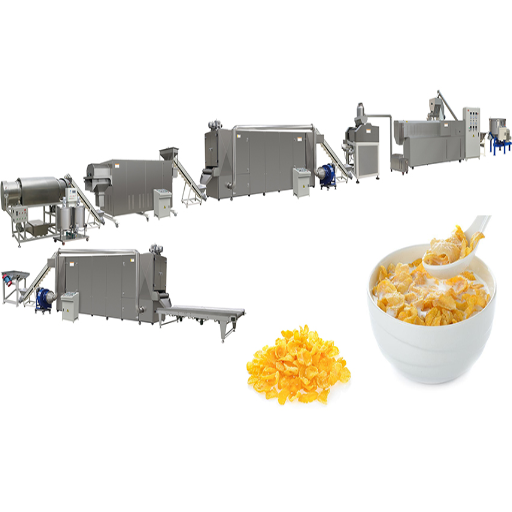
The Automatic Corn Flakes Processing Line operates as an effective production system that delivers a steady output of premium products. The system includes two main components that serve as its core functionalities. The advanced control system uses temperature, pressure, and timing controls to achieve exact production control at every production stage. The production line operates continuously to deliver high output while achieving consistent product quality. The system supports multiple customizations, which enable the creation of different products through flavoring and coating, and nutritional fortification. The processing equipment uses food-grade materials for its construction, which meet all safety and sanitation requirements. The system uses advanced energy-saving technologies to decrease both operational expenses and environmental damage. The processing line operates according to current industrial standards, which help maintain peak operational efficiency and product quality.
Advantages of Automation
Automation provides multiple advantages to different sectors because it creates efficient workflows, which lead to higher production levels. The main benefits which automation delivers to organizations include Better Efficiency and Better Precision which. The system uses automatic processes to execute tasks that would take humans a long time to complete. The operation costs decrease because automation streamlines processes that require human workers to complete tasks. The system achieves maximum efficiency because it uses resources in the most effective way, which leads to sustained material and energy savings. The system enables businesses to increase their production capacity, which helps them to manage sudden market changes while maintaining high standards of product quality. Automated systems take over hazardous work which used to be performed by employees, thus creating safer work environments and reducing job-related dangers. The automation system brings advanced data collection tools, which companies use to analyze and optimize their operations in real time. The use of automation enables businesses to maintain their market position through modern methods while they achieve sustainable development, better product quality, and reliable operational results.
Key Technologies in Production
The contemporary production environment gets its design from multiple modern technologies, which create better operational performance through increased work precision and expanded production capabilities. The production field receives its innovative technologies from two main technologies, which focus on advancing production processes.
Manufacturers can boost their efficiency and lower their operational expenses while maintaining sustainable business practices through the combination of these technologies. This combination enables manufacturers to establish their market position in a world market that continues to change.
Efficiency and Output Considerations
Efficiency and output in manufacturing processes depend on two factors, which include advanced technology implementation and workflow optimization. Manufacturers need to implement automation systems that include robotics and IoT-based sensors for their predictive maintenance and real-time monitoring capabilities to achieve maximum operational efficiency. Data analytics platforms enable organizations to pinpoint operational weaknesses, which leads to better resource management and supports demand-based manufacturing that achieves maximum efficiency while maintaining uniform product standards.
The implementation of lean manufacturing principles together with smarter production planning methods proves to be essential for achieving operational results. The two methods which enhance operational efficiency through their removal of non-essential tasks and their design for improved operational adaptability. The utilization of renewable energy combined with energy-efficient technologies enables companies to decrease their operational expenses while achieving environmental sustainability, which helps manufacturing companies meet both regulatory requirements and market expectations.
Challenges in Corn Flake Production
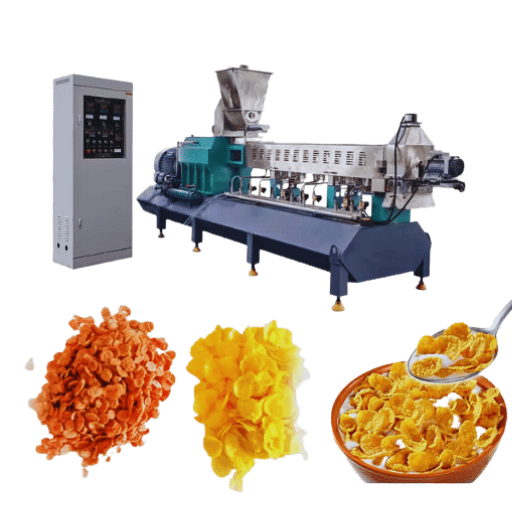
The process of making cornflakes faces multiple obstacles that affect both efficiency and product quality. The cooking and flaking processes need to maintain uniformity because they serve as the foundation for obtaining the required texture and flavor. The process of handling raw material differences between various corn types and moisture levels needs special monitoring and control methods. The production process faces a major problem with energy usage because the drying and toasting processes consume high energy, which requires optimization to decrease expenses. The production process needs to maintain food safety through strict hygiene standards and contamination prevention practices, which serve as essential operational requirements.
Common Production Line Issues
The production lines that operate with high efficiency need to overcome multiple operational problems that demand careful solutions to maintain their quality and productivity, and safety standards. The manufacturing process experiences disruptions when equipment becomes unreliable because constant breakdowns and equipment failures lead to unplanned production stops. The organization can reduce risk through the implementation of both regular maintenance schedules and predictive maintenance systems.
The organization needs to address its second challenge, which involves delivering product quality that remains stable throughout production. The output from production processes becomes affected when raw materials exhibit variations in their moisture content and texture characteristics. Advanced quality control systems that use real-time sensors together with automated testing equipment enable businesses to control and assess their operational variations throughout the testing process.
The drying and heating processes, which require high energy consumption, create critical challenges for organizations to manage. The organization can achieve significant operational cost reductions and decreased environmental effects through the implementation of energy-efficient machinery and waste heat recovery systems, and process timing optimization, which all work together to achieve these goals.
The food industry faces urgent food safety threats that affect all businesses that handle perishable items or food products. The organization needs to follow strict hygiene protocols and contamination control methods and complete traceability systems to meet safety standards and protect public health.
Strategies for Quality Improvement
The implementation of strong monitoring systems should become my main focus because it allows me to detect production defects during their early stages. Maintaining operational consistency requires both process standardization and the application of data-driven decision-making methods. I need to conduct ongoing training sessions for my staff members because they must learn new skills and knowledge that apply to their work responsibilities. The practice of establishing collaborative environments, together with our process of gathering feedback from every stakeholder, enables us to identify both improvement opportunities and new ideas.
Future Trends in Cereal Production
The cereal production industry will experience substantial development through the combined effects of technological progress, sustainable environmental practices, and shifting consumer habits. Precision agriculture uses data analytics, IoT devices, and satellite imagery to improve crop yields while decreasing resource consumption and solving environmental problems. The method enables continuous observation of soil health, water management, and pest detection, which leads to better operational productivity.
Sustainable practices are being implemented by businesses as a response to consumer preferences for products that demonstrate environmental stewardship. Farmers practice regenerative agriculture and use minimal synthetic inputs together with crop rotation methods to boost soil fertility while decreasing carbon emissions from cereal cultivation. The farming methods aim to enhance cereal farming’s ability to withstand climate change impacts while safeguarding environmental habitats.
The industry now concentrates its efforts on producing healthier food options, which include plant-based diets and special grain varieties. The market demand for high-protein grains has increased because consumers are now targeting quinoa, teff, and millet, which has led producers to expand their crop selections. The cereal industry prepares for a sustainable future by using biotechnology innovations, which include genetically modified crops and enhanced nutrient content and disease resistance improvements.
Conclusion
The corn flakes production line represents a sophisticated blend of traditional food processing knowledge and cutting-edge automation technology. From raw material selection through final packaging, each stage requires precise control and quality management to deliver the consistent, high-quality product consumers expect. As the industry continues to evolve with new technologies and sustainability practices, manufacturers who embrace innovation while maintaining rigorous quality standards will be best positioned to meet the growing global demand for nutritious, convenient breakfast cereals.
Reference Sources
Source: Massachusetts Institute of Technology (MIT)
AP-42, CH 9.9.2: Cereal Breakfast Food
Provides a detailed overview of the production process for flaked cereals, including steps like cooking, flaking, and toasting.
Highlights the historical development of flaked corn production and patented processes.
Frequently Asked Questions (FAQs)
How does a twin screw or corn flakes extruder affect the final texture and crispy flakes?
The dual control system of the twin screw extruder enables operators to manage three essential variables, which directly determine the production of crispy flakes during the corn flakes manufacturing process. The screw extruder can be adjusted for screw speed, barrel temperature, and die design so the semi-finished pieces have the desired texture. The cooling drum and dryer stages complete the drying process, which removes moisture while preserving the desired lightweight texture.
What production equipment and machines are typically supplied by machine manufacturers?
Machine manufacturers for industrial food production lines typically supply cleaning and maintenance-friendly equipment made of stainless steel, including sifters, feeding conveyor, and vibrating conveyor, twin screw extruders, dryers, cooling drums, conveyor systems to convey product to packing machine or packaging machine, and automated control panels. Food processing machines are designed to operate continuously while providing advanced control systems that make cleaning processes easier to use.
What are the key food processing parameters, such as temperature control and drying?
The production of corn flakes requires operators to manage four essential parameters, which include extrusion temperature, barrel and die temperatures, moisture content levels found in extruded products after the extrusion process, and corresponding dryer operational settings. The extrusion process uses high temperatures to achieve gelatinization, while infrared and convection dryers, along with cooling drums, eliminate excess moisture until the desired crispness level is reached. The production of uniform cereal corn flakes requires accurate control of temperature and humidity levels, which prevents the product from becoming soggy.
What is the role of the packaging machine and the packing machine in maintaining quality?
The packaging machines, together with packing machines, use proper sealing methods to secure corn flakes crisps inside, while nitrogen flushing protects product quality during storage. The right packaging solution preserves product integrity during transport because it protects against moisture absorption and physical damage. The advanced automation features of modern packaging machines enable them to send filled packs to cartoning or case packing without needing human operators.
What are common cleaning and maintenance practices for stainless steel production equipment?
Cleaning and maintenance in corn flakes making focuses on easy cleaning of contact surfaces, regular inspection of screws and dies in the extruder, sieve and sifter maintenance, and sanitary cleaning of conveyors and dryers. Stainless steel provides hygienic advantages because it prevents corrosion in contact parts. The equipment operates at optimal performance because scheduled cleaning activities, filter replacement, and lubrication procedures prevent cross-contamination.
Food science determines which ingredient between corn, maize, or cornmeal should become the production choice for producers?
Food science establishes which ingredient should be used between whole maize, cornmeal, or refined corn flour based on the required flavor and texture, and nutritional composition. Corn flakes are made using different grain forms: some producers use degermed cornmeal for a lighter flavor, while others use whole-grain maize for more fiber. The recipe development process for cereal corn flakes aims to create products that match the taste and appearance of established brand products, which include Kellogg’s.