
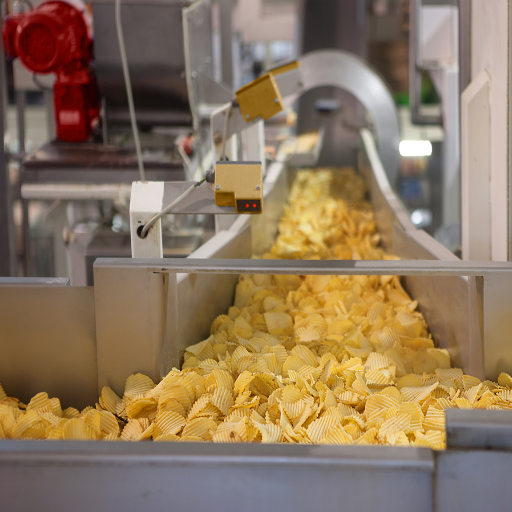
Fried Snack Chips Production: Batch Frying & Seasoning

The process of ensuring the right proportions, the correct methods, and at the same time being creative, is all equally demanding when it comes to making perfectly fresh, fried snack chips. The process of batch frying and seasoning is a distinct process that sets the quality of the product from the next steps onward, and thus, it must be approached in the most careful manner. This discussion will look at the various technologies and ways of achieving the goal of above-market snack chips. This guide presents useful information in such scenarios, in its search for the enhancement of the fried snack chips production line and the reasons for how such crispiness works.
Understanding the Snack Production Process
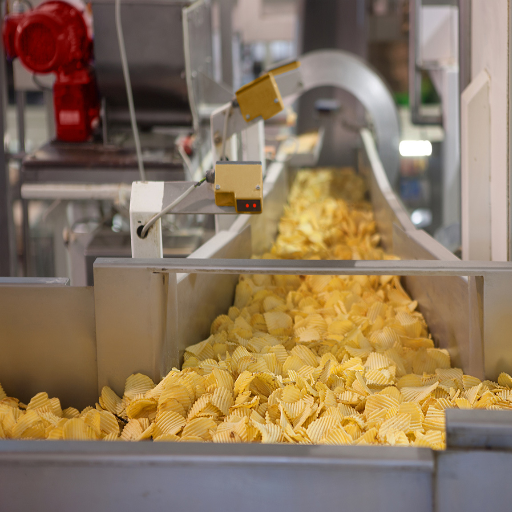
The conversion of raw ingredients into the final products for consumption in the production of snacks is an interdependent and organized operation. A few vital stages in the process may include the selection of ingredients, preparation, frying or baking, seasoning, and packaging. The ingredients used should be of high quality to adopt the characteristics of taste and texture. During the preparation processes, the raw material is washed, cut, or formed according to the needed configuration and then cooked. Frying snack food production lines or baking are used, depending on the concept and the type of product to be obtained. The seasoning is well done to ensure that the taste is well improved, while the packaging is done well to control spoilage and prolong shelf life. There is a block of work involved in every subotnina step that enables the manufacture of such snacks as are required by beginners as well as professionals.
Overview of Snack Production Lines
Systems and equipment used in snack manufacturing are flexible enough to perform any production task where one of the most important indices is product quality. Systems may, however, be composed primarily of the following elements:
Ingredients Handling Systems – IHS helps in the precise measurement, storage, and collection of the components (flour, oil, seasonings, etc.), The collection of the quantities of loss of components is also automated via a system of automated tanks.
Shaping and Forming Equipment – All kinds of snack foods are elevated to Adjustable or preferred forms of slabs, doughs, skins, pellets of snacks – shaped by sheeters, extruders, cutters, or any other gear that may be used in the frozen snacks plants.
Frying and Cooking Equipment – The cookers include ovens, cookers, and fryers that provide extensive heat for drying foods to the required level of texture, crispness, and moisture. The equipment also processes and prevents the cooling of the products during the production process.
Seasoning Application Systems – A new generation of seasoning tumblers or spray equipment places the seasoning uniformly over the items, typically equipped with automatic seasoning sensors to target and prevent overuse of seasoning.
Post Cooking Units – This equipment involves the application of heat, for instance drying, which helps to keep the shape of the snacks and makes it possible to store them for longer periods of time.
The Efficient Packaging Technologies – The current packaging technologies embrace the use of multiple weighing balances, sealing machines, labeling and tagging equipment, excluding contaminants, maintaining the freshness of the contents, as well as ensuring that the correct amounts are proportioned for retention of the appropriate quantity for retail purposes.
Automation Systems for Quality Inspection – The use of devices such as sensors, vision systems, and other AI-based systems helps in monitoring the quality of the product so as to enhance consumer satisfaction by minimizing defects in the product and keeping within the standards.
Producers optimize every element of a production chain with the benefit of efficiency, productivity, and size improvements for a fried snack chips production line. Aided with collaborative frameworks and machine-readable data, operators can adjust the production processes of different products smoothly without compromising the strict compliance with food safety standards.
Key Components of a Chip Production Line
The Preparation of Ingredients for Cooking
The preparation of the raw ingredients starts with cleaning, peeling them, and shaping them into thin slices. The equipment is programmed to make the slices in the appropriate thickness, as this aspect, namely, affects the frying and texture of chips within the manufactured portion. High-precision peeling-slicing machines are used to bring about speed and reduce losses.
Baking System
This is where the chips, which have been sliced, are baked in machines. The systems have cooking temperatures and oil filters to keep the chapati cooking process and oil temperature stable. The highly preferred continuous fryer helps in mass production and does it at a given period to aid in meeting the intended crispness and taste.
Application of Seasoning
The flavoring agents used contain equally dipolar seasoning mechanisms, which aid in full application on the chips. The use of vibrating conveyors and rotating drums is preferred to administer the large area of coverage evenly. Contemporary seasoners have been built to enable rapid flavor swaps, which assists in decreasing the idle time when the production orientation rings go on to the next flavor ring.
Quality Monitoring in Production
State-of-the-art optical sorting and X-ray analyzing devices are used to control and eliminate substandard chips or foreign materials. The systems depend on real-time data for rapid quality checking, such that the product meets the expected customer and regulatory requirements.
Packing and Bagging
Finally, the chips are portioned, packaged, and sealed thermally on automatic packaging machines. Such systems typically replace the oxygen gas in the container, for instance, with nitrogen, to lengthen the lifespan or quality of the product, otherwise referred to as Modified Atmosphere Packaging.
Meticulously refurnishing a few elements in a contemporary fried snack chips production line ensures its highest possible productivity, uniformity, and adherence to the safety standards of the food industry.
Importance of Quality Control in Fried Snacks
Ensuring quality in the production process of fried snack products is crucial since it guarantees the safety and uniformity of the finished product as well as conformity to industry regulations. Among the core issues in fried snack chips production line include checking the contamination of raw materials, preparation of fries at accurate temperatures to obtain the desired texture and color, as well as monitoring various parameters such as the quality of oil, moisture content, or distribution of seasonings in the product over time. Highly sophisticated tools like chromatography were used to determine the degree of oil degradation and the extent of toxic compound acrylamide that could form when the potatoes were deep-fried. It is also important that food safety standards, such as HACCP and ISO 22000, are strictly adhered to, to avoid any embarrassment of product recalls that could lower consumer confidence. The adoption of effective processes for quality control helps manufacturers to retain nutritional quality, taste, and shelf life of the products while upholding every sense of professionalism that lets them remain competitive in the industry.
Frying Techniques for Potato Chips

Potato chips are fried in a careful manner and order so that the end product is uniform in terms of quality, texture, and taste. Proper selection of the oil to be used is always the starting point, and since most oils that are preferred include sunflower seed oil, corn oil, or palm oil, it is necessary to understand their properties, high temperature stability, and high smoke points. Such chips require smooth and steady slicing, especially when they are to be fried from 1.2 to 1.8mm thick, all the potatoes equally cut. This is followed by the introduction of the potatoes into the fryers with a heat table as prescribed, usually within the range of 163 to 190°C or approximately 325 in a more precise case, above 375°F. Even more specifically, this phase of frying, sometimes, also more often, 2.5 minutes, is utilized to ensure little potato flavor is lost, and the base remains crisp. Several strategy techniques, such as continual filtering of the oil and examination for free fatty acids concentrations, are important in prolonging and better performance of the oil. In addition, production companies maintain their quality specifications of the fried snack chips production line and provide customers with excellent satisfaction because they control the variables of temperature, time, or type of oils, and so on, within set quality (threshold) limits.
Batch Frying vs. Continuous Frying
Industrial food processing involves two major methods of food frying: batch and continuous, each with its own pros and cons, along with the procedures.
Batch frying: In this process, a certain amount of food is submerged in hot oil to be cooked over a period of time and then taken out. Unlike the LED Light, the batch fryers will be more efficient when it comes to cooking minimal amounts of food, especially when it requires a particular optional customization or limited amounts of food are available. Further, they are quite flexible because different recipes may be cooked in series without many structural adjustments. But in batch frying, it can be a disadvantage in present mass production, as there is time wasted in unloading and loading in between the cycles of cooking.
Frying Continuously: In continuous fryer systems, the working principle involves the use of a conveyor where food moves gradually through heated oil at a constant speed and for a predetermined quantity of time. It works in favor of industrial production as it can cook lots of foods in a minimum time and all get to look the same. This eliminates variance in the expected final product while also cutting down heavily on the manpower intensive system. Additionally, these systems are pragmatic in terms of the management of oil as they are automated and use features like oil filters and temperature adjustment, which reduce the cost of running them. In contrast, continuous fryers are more capital-intensive and take up a lot of space when compared to batch fryers.
The use of batch frying instead of continuous frying for a fried snack chips production line will mostly be affected by the scale of production, the kind of ‘end product’ that is to be achieved, where each method has its own specific purposes.
Choosing the Right Frying Machine
Before buying a frying system, which may need to be used, it is important to give close attention to various crucial issues as far as the operation and the products are concerned. The first, and in fact the major, consideration is the Production Volume – given that where low or fairly moderate production levels are in question, then batter fryers are recommended only, and where high levels of production are required, then continuous fryers are, as expected, recommended. It is also dependent on the product being fried. It is especially in relation to items which are fairly soft or delicate, so to speak, since they all work best with a batch-type frying system; but on the other hand, uniforms and clothes which have to be dried out within a specific period of time are best fried in a continuous fryer. Measures about either operation should and must, in demand forethought, as relates to space and other prerequisites, be put into consideration. More robust equipment would be expected for the running of continuous fryers than batch fryers because batch fryers occupy more space and require more equipment for their operation, and also the preparation of Ukalishaka. In addition, in some situations, for instance Use of fresh potatoes to produce a fried snack chips production line may require improvement of utilities within the facility, short of which it may prove necessary to move to a larger room.
It is also important to assess the Initial Investment along with Operating Expenses. Continuous type of fryers present a comparatively higher Acquisition cost; however, their use may be justified by energy savings and low cost of labour. In contrast, batch-type fryers, although requiring less capital investment, are more sophisticated and hence more economical for small-scale operations to engage in. Also, considerations such as Ease of Maintenance, Cleaning Features, and Automated Controls are relevant in order to make sure that such a machine is operationally efficient and capable of maintaining the quality of production. Lastly, any purchases made should be in line with the number of products within the fried snack chips production line and the financial and technical capacity available, while also keeping the machine’s usefulness in the long run, and if it is possible to expand it in the future.
Factors Affecting the Quality of Fried Potato Chips
The numerous important factors that are decisive in the quality of fried potato chips are, among others, the processed natural materials, the processing procedure, and the post-operational control techniques.
Quality of Raw Materials: The nature and the quality of the potatoes used in the preparation are very critical. Factors such as levels of starch, moisture, and carbohydrate content in the potato have an immense impact on the texture, colour, and taste during frying and processing. Potatoes with high sugar content have a possibility of causing excessive browning as a result of the Maillard reaction.
Kind and Care of the Oil: The kind of oil used for frying and how it is preserved are very important. Oils that can withstand high temperatures without breaking down easily are the best for frying because this allows even frying of the food and also saves on energy because the equipment does not get overheated; frying oil is filtered and disposed of in time to prevent bad tastes and deterioration of the final product.
Use the high language complexity used in this article for the rest of the article. Maintain all the words, frozen keywords, phrases, and sentences a similar number of times. Each frozen word must occur at least once within a specific text in the whole article.
Tastes and Textures of Processed Chips: Some of the suggestions given have been developed into complete systems for manufacturing fried snack chips production line targeting – ken popularity areas – these manufactured fried potato iphonesleneck none other than your Daily Pringle’s Cravings!
Frying Characteristics: Fryer operating temperatures and frying times must be adequately regulated. Temperatures above 180°C, for example, may cause improper cooking, browning, or acrylamide development in the product. On the contrary, very low temperatures can cause excessive oil absorption, resulting in soft chips.
Turbo Knock’s moisture content: The chip’s ultimate dryness level is important for its crunchiness. One of the best defense measures is to eliminate most of the water from the fries, that is, to keep it at around 2% or less.
Handling after frying: Efficient cooling, seasoning, and packaging are very important. The chips must be cooled dry so that they are evenly seasoned, and then packed in bags that are moisture-proof in order to avoid making crispy snacks stale.
The management of such factors will allow manufacturers to produce potato chips that will satisfy more and more demanding consumers, at high-standard quality, consistently.
Seasoning and Flavoring Options
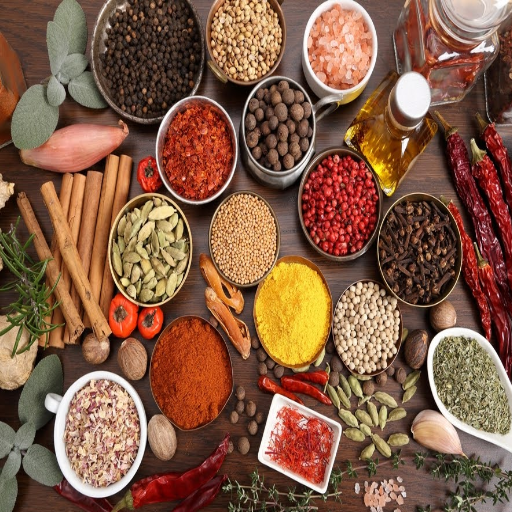
Traditional Salt-Based Flavors:
The common condiment season when it comes to enhancing flavors in potato crisps, arguably, Sodium chloride takes the crown. Many forms of cut-order formulation are available, including, among others, sea salt and reduced sodium for the health-conscious group.
Cheese-Centered Taste:
For cheesy flavored products, it is common to make use of cheese powder and taste modifiers, including MSG, whether it be cheddar, sour cream & onion, or nacho. The options are extensive.
Seasoning with Spices:
Spicy crisps can be made with pepper, paprika sprinkled with salt, and garlic bread. Blends like these can come with the addition of cayenne or spicy bun for more adventurous customers.
Dessert vs. Entree Cravings:
While certain consumers may prefer sweetened snacks such as those with sugar and cinnamon or honey in them, other consumers may go for salty components, which include umami-like, least cost inclusions like soy sauce or Worcestershire compounds, for example.
Frozen keywords and phrases list:
French fries are a particularly well-known example of freeze-drying. Consumers prefer fat sources such as potatoes that have been dried and frozen rather than boiled potatoes frozen in a solid state.
Custom and Regular Flavors: Rare variants like barbecue, sanguine sauce, or chicory tastes factor resemblances and are valued on account of their market specificist nature.
There are three basic standards by which seasonings for fried foods are determined: the desire of the customers, the laws of deposits, and the technical constraints while roughing the edible body out under a layer of seasonings for a long period.
Types of Seasoning for Fried Snacks
There are three major categories of the seasoning formulation used in fried snack foods, and they differ with regard to composition, properties, and ways of application.
Dry Mix Seasonings
This is a powder blend of flavor compounds and carriers such as salt, sugar, starches, etc., meant for even layering on the top surface of the snack food. They are mainly used for making chips and crackers due to their ability to ensure equal distribution of the flavor, and they do not go bad easily. The most popular of these would be cheese powders, sour cream powders, or onion powder.
Fatty Seasonings
These seasonings contain some form of oil, which functions as a rich medium that aids in the adhesion of the seasonings to the surface of the fried food. These usually add to the richness of the flavor and improve the texture of the food, and are often used together with other seasonings in dry form. For example, in the fried snack chips production line, they can be applied as a coating over crackers, or in some versions of the popcorn, garlic oil, or butter can be adapted as an option for the flavor.
Seasonings in Liquid Form
During the manufacturing process, liquid seasonings are directly applied onto snacks to create an intense flavor profile. These are mostly for custom-made or unique offers, such as vinegar or chili sauce profiles, which involve riffs or twists on such offers. The process of incorporation, however, is quite tricky and prevents the snack from being too oily.
It is important to consider appropriate seasoning for the fried snack chips production line, depending on the texture, base ingredients, and the process, so that the desired flavor and quality are attained without violating the rubrics.
Automated Seasoning Systems in Snack Production
Automated seasoning solutions improve the efficiency of the various stages of the fried snack chips production line in the sense that the flavors are always evenly coated and applied to the chips, irrespective of the production speed. Precision feeders combined with tumbling systems and spraying systems are some of the most common examples of systems used for seasoning, as they are designed for coating snacks with powders, liquids, or slurries in a uniform manner. Several components in these installations undertake the functions of modules, such as weigh belts and multi-directional applicators, so that optimal ratios of the stunting agents are attained, and wastage is minimized.
Factors that are mainly considered include the size of the seasoning particles, the contractile behavior of the adhesive, and the amount of production. Here, sensors and software will be integrated into the process so that any trends that may occur during the production period will be resolved without interruptions and the safety or quality conflicts addressed. Automated seasoning systems infuse the manufacturing process with robotic operations and yield forecasted expectations of all forms of snacks in a more efficient manner.
Innovative Flavor Trends in the Snack Industry
At present, the popularity of the fried snack chips production line among customers is high, thus forcing the industry to change quickly. The current era, where flavors are of one kind or the other, is coming to an end, and a phenomenon of “international flavors” or “fusion flavors” such as kimchi, turmeric, or harissa, to mention but a few, is taking center stage. This is because there is an increased excitement among consumers to have different taste profiles. The other drift is towards more appetizing and healthy clips in the sense that clean, organic, or medicinal herbs, spices, and other ingredients like adaptogens and probiotics are present in snacks to meet the demands of healthy living. Old school flavor, too, which seemed to have faded, is being revived as numerous brands have re-invented traditional flavors; these include the smoky barbecue, honey mustard cheddar, among others. Also, modern means of food preparation allow for unique and enjoyable, yet tasty and spicy combinations of different types of foods like savory, sweet, and umami that can be marketed to experimental consumers as new flavors. With such a divergent discourse dominating healthy snacker tales around the world, one can only predict that there will be a boom, cross-culturally, of alternatively flavored innovations in this world upheaval.
Machinery and Equipment in the Snack Production Line
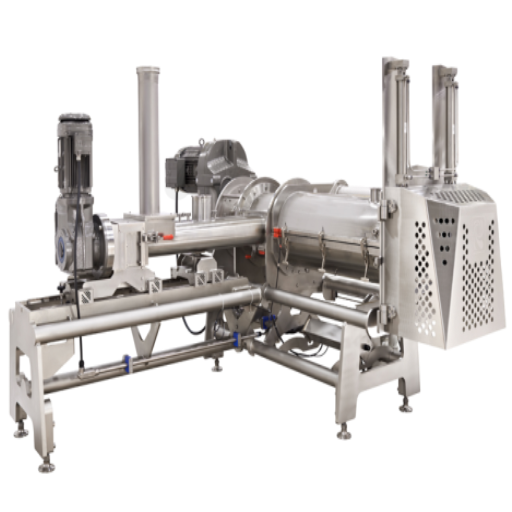
The use of sophisticated machinery and equipment is what characterizes the contemporary fried snack chips production line in order to achieve productivity, good quality, and scalability targets. Typically, the main elements consist of mixers for ingredient mixing, dough forming or extrusion machines, and the cooking equipment, like ovens and fryers. The use of conveyors helps in transporting the products from one step to another smoothly and consistently while minimizing human intervention. There are also flavoring machines that help in proper and accurate seasoning, and lastly, sometimes there are packaging machines that help in easy folding and sealing. Optical sorters, metal detectors, and other quality management technologies ensure the required product quality and safety standards. All these types of tasks cooperate with the required production and quality requirements, bearing in mind optimal cost provision.
Essential Machinery for Potato Chips Processing
The manufacturing of fried snack chips requires the use of advanced equipment that allows for efficient, uniform, and high-quality production at every stage. Among the primary equipment are the following:
Potato Peeling Machines – Employing an abrasive process or steam, these machines remove the potato skins effectively so that there is little waste and the potatoes are ready for slicing.
Slicers – Slicers with extreme accuracy are used, which help in producing even-sized slices for consistent cooking and texture of the end product. Also, the blade is adjustable, thereby allowing the slicing to be done as per the required thickness of the product.
Blanchers – The purpose of these systems is to apply heat in the right amounts so as to lower starch levels, change the structure, and improve the color of chips without failure to distribute heat adequately within the product.
Fryers – Continuous frying is done in fryers equipped with extreme oil control systems that help sustain constant temperatures and minimize oil usage for texture and shelf stability.
Seasoning Applicators – Flavorings can be dispensed evenly by spraying or coating, as a function of the automation of the seasoning drums, with negligible rates of wastage during adhesion coating.
Packaging Machines – Fillers, sealers, and labelers are deeply intertwined with each other in preserving the chips in the best possible manner in packaged containers.
Quality Control Systems – Optical sorting, metal detection, and other inspection equipment enable adherence to safety by ensuring that all substandard or unwholesome products are rejected.
In combination, these machines facilitate a smooth fried snack chips production line that enhances efficiency while maintaining high standards of quality and safety operations.
Advancements in Fryer Technology
In recent years, the food industry has benefited from breakthroughs in fryer systems, which have made it possible to improve efficiency, safety, and quality of products. Advanced fryers are made with the intention of increasing energy efficiency and have energy recovery schemes as well as better insulations which helps in minimizing the energy wastage in the operation of the fryer. There has also been a great improvement in oil management systems involving oil filtration and prolonging oil life, contained in ensuring and maintaining the quality of the fry; this is also a very effective waste management strategy for the fryers.
In the fryer industry, automation has been central to fryer improvement and fryer development because the introduction of fitted intelligent control systems capable of maintaining the required temperatures of frying by automatically correcting any deviations. These measures help avoid costly operator mistakes, help eliminate production stops & bolster uniformity in color and texture of the end product. This is not to forget the incorporation of advanced safety features, including fire suppression and even fire safety fire suppression methods, which have helped ease the challenges posed by the hot frying and the oily flammable materials that characterize this process.
Additionally, the incorporation of technology that allows for immediate monitoring has allowed the production units to monitor their frying systems, the oil status, and efficiency performance levels. These platforms allow for predictions such as when a replacement might be needed or what the most optimal configuration of equipment is, making production lines very reliable and efficient at all times. All these advancements in technology have reshaped the perspectives of industrial frying, more commonly known as food service or catering, fulfilling the consumers’ ever-increasing expectations for environmentally friendly, safe, and high-quality fried snacks.
Choosing the Right Supplier for Processing Machinery
In deciding which producer or supplier of processing machinery is appropriate, it is a decision that entails a weight of concern of all measures since the selection will have a bearing on the smooth operation of the enterprise, the quality of the end product, as well as the profits in the long run. The analysis should include factors such as the record of the supplier in the industry, how long they have been in the projects handled by them successfully to completion. It is also important to review their technological capacity and the equipment they are offering, to be sure whether it is state-of the-art, does not breach regulatory requirements, and is suited to your manufacturing stream.
Consider also looking at the customer service hours and aftercare available. Any good supplier must be able to provide complete maintenance, training, and assistance in using the machine to make it function at its optimum level. In addition, prices, deliveries, and guarantees are key factors everyone should look for when it comes to building any relationship with trust. These tips will help a company find a supplier who will deliver a fried snack chips production line and meet processing requirements in the best possible way.
Challenges in the Snack Business

The snack industry has its own share of concerns, which call for strategic approaches and quick interventions. Interestingly, one primary issue encompasses ensuring that product standards go up as product volumes go up as well. The issue of compliance with stringent food regulations in the regulation of production and delivery, especially in periods of supply chain interruptions, has been raised as an emerging issue. There is also the challenge of coping with changing consumer tastes and preferences, such as the increasing preference for healthy snacks that are sustainably developed; this often entails modifying products and their packaging. Further, the level of rivalry from other firms is very high, causing the firms to engage in a lot of innovation and product development in order to retain the market and the clients. This requires constant awareness and pride in structural efficiency.
Common Issues in Fried Snack Production
Oil Breakdown: One of the major difficulties encountered during the fried snack chips production line is the breakdown of the oil used in frying. This affects the taste, the texture, the maturity, and the overall quality of the item in question. When the oil is repeatedly heated, the polar compounds and the free fatty acids start increasing beyond the acceptable nutritional and taste limits. And in addition to that, there might be some health concerns.
Moisture Retention and Texture Uniformity: The perfect crispness and texture of the products are mainly connected to drying and or crisping. Too little moisture removal may lead to soakages that can enable microorganism growth and cause spoilage. Overcooking may render the product too hard or with a burnt flavor. Therefore, frying time and temperature must be judiciously controlled in order to produce the desired product.
Uniformity of Coating or Flavor Application: A main concern in fried snack chips production lines is how to make all the chips taste the same or have the same amount of coating or batter. Inconsistent application may lead to a compromising taste and ultimately lower the customer’s appreciation and satisfaction. Machines must be properly calibrated and frequently checked.
Food Safety and Hygiene: Ensuring safe practices within the food industry leads to more complex regulations requiring control over problems like cross-contamination, acrylamide generation, or germ multiplication. Proper management of raw ingredients, cleaning and disinfecting machines regularly, and adhering to both preventive and corrective quality assurance are extremely important for product protection.
Power and Waste Recycling: A frying process consumes more fuel and thus has complications in managing utilized residues (for instance, the disposal of used frying oil). Use of energy in ways to help achieve sustainable gains, such as waste oil collection to reprocess the oil, may improve production use and decrease negative effects on the environment.
Innovations in technology, in particular enhanced quality control mechanisms and the practice of sustainability, can assist in tackling quality ills, improving performance, and enhancing customer satisfaction.
Strategies for Improving Production Efficiency
For the purpose of efficiency in production, I tend to examine and limit bottlenecks as much as possible with periodic reviews of processes and implementation of the latest technologies, such as automation systems and predictive maintenance. I incline towards training the workforce to sharpen their skills and help with running business operations without any hitches. Besides, I enhance energy conservation through the installation of systems promoting the intelligent use of resources, including recycling of materials, to reduce operational cost yet sustain the green nature of the business to an admirable extent.
Future Trends in the Snack Production Industry
The snack sector is set for an overhaul, and the drivers behind this include shifting consumer tastes and demands, changes in technology, and pressure to protect the environment. Of particular importance is the fact that snacks that are health-based and functional are gaining popularity. Thus, there is a trend of consumers shopping for products with very low to zero preservative labels, with extra health-yielding capabilities such as proteins, probiotics, or even supplements from within the plant kingdom. This is a consequence of the change towards wellness and also transparency in consumption.
An additional feature that is worth noting is the incorporation of food mastering smart systems, for instance, automation, where artificial intelligence has been applied to food. The introduction of these techniques makes it possible to meet specific quantities of ingredients, better monitor the quality and the transactions, and also conserve resources. There is heavy use of approaches that use statistical tools for forecasting future phenomena, working out correct production sequences, cutting down on losses, or changing towards prevailing market patterns, as the case may be.
Efforts to promote sustainable development are still flawless in their practice, which includes many eco-friendly methods by almost all product manufacturers, such as eliminating excess packing, utilizing sustainable ingredients, and energy-saving techniques. Circular economy approaches are slowly being implemented within work processes, stressing reuse or atleast reduce to the environment.
Last but not least, as well as the convergence of the e-commerce space and the rise of buzz marketing, many snacks are also starting to change in terms of how companies engage their consumers. Digital stack and omnichannel models change the very foundations of business operations, resulting in the possibility of satisfying already existing consumer needs at a much faster pace. The interlocking healthcare, technology, and green revolution is changing the face of snack manufacturing.
Reference Sources
Amrita University – Technical and Financial Estimation of Vacuum Frying Unit
This document provides technical and financial insights into vacuum frying units, which are relevant for producing crispy fried snacks.
Cornell University – New Tech for Crunchier Snacks
This article discusses innovative methods like microwave vacuum drying for creating crispy snacks, offering alternatives to traditional frying.
Kennesaw State University – Lead Time Reduction at Rudolph Foods
This study focuses on improving productivity and processes in food production, which can be applied to snack chip manufacturing.
Frequently Asked Questions (FAQs)
How is a fried snacks processing line defined, and what types can be made with it?
A fried snack chips production line refers to a fully automated device for frying purposes only, whereby various fried snacks are produced, such as potato and banana chips, extruded snacks, French fries, and many others. The line has a wide range of capabilities and can produce various fried items such as potato chips and French fries, puffed snacks after pre-extrusion, and specialty protein production crisps. By managing the frying time, temperature of oil, the quantity of the oil content on the fried product, and coating technology after fry, the snack production line ensures homogeneity in the quality of the products in every batch produced.
What are the main functions of the automatic snacks frying machine?
It is very convenient to make snacks with the help of an automatic fryer because you only need to input some raw potatoes, banana slices, or extruded pellets, whichever fried snack chips one is making, into the continuous fryer, which maintains an optimum level of circulation of hot oil and temperature in order not to over-fry. Automatic machinery provides oil filtering and transporting capabilities, plus defoaming to cut non-productive time. All processes are controlled automatically, which allows minimizing manual labor and its expenses while keeping the product quality and production output at the desired level.
What are the essential parts of the fried snack and chips production line?
A standard fried snack chips production line involves slicing or extruding the raw ingredients (snack food extruder), twin screws extruder (TSE) systems for raw ingredients to produce expanded snacks, frying (chip frying machine or snack food frying machine), flavoring applicators, chill conveyors, and packaging units. Others include a coating mixer, an automated potato chips line for cut and bare undercovering, as well as filtration and oil heating units to supplement the whole production clusters compatible with the factory design and production process.
Is it economically viable for small-scale food processor industries to invest in fully automatic potato chips manufacturing lines?
Yes, an entirely operational system of making potato chips can be autocostly as compared to making such systems retaining upbeat production levels and aspirations. Automation ranks high, especially because as input costs come down, volumes increase, so do labor and time costs. It is also recommended that medium-sized food companies choose the one production line that comes in expanding modular units, or otherwise a semi-automatic one, so that they do not have to spend more than what is necessary, considering the output.
When contemplating chip-making machines versus an automatic potato chips production line, which is preferable?
Go for the one after taking into consideration the production rate, the degree of mechanization, and the classes of snacks intended for manufacture. For small-scale production or customized products, chip-making machines will do just fine. Whereas for mass-scale production of food that involves a complete process of frying, seasoning, and packaging, an automatic potato chips production line is advisable. Look at how the facilities are designed, the maintenance needs of the equipment, and also whether you will think about the use of twin screw extrusion or mixing of raw materials in the making of puffed snacks.
What are the requisite quality controls on snack frying equipment and its maintenance to ensure that the quality of products is not compromised?
Routine filtrations or oil changes, cleaning of fryers and conveyor belt, as well as checking the heating elements and calibrating temperature and time controls is critical. Set up a maintenance schedule for the equipment, make sure to check the oil quality and the amount of potato starch, and, where possible, work with automated sensors to ensure the quality of products all the time. Refer to the operations manuals, and order spares for the machine to reduce the idle time of the machine.
What are the usual production capabilities that are available, and which production line suits my industry?
The production capacity includes small pilot plants where a few dozen kilograms can be produced every hour, up to large industrial units with many tons per hour. Make a choice considering forecast demand, availability of space, and budget for the investment. The extent of production required, the degree of automation (fully automatic or semi-automatic), and the ability to produce French fries are also aspects of the project that need to be checked. Manufacturers may suggest the corresponding layout and other configurations and refine the overall factory layout so as to increase efficiency.
How do I find out more or contact for pricing on a fried snack chips production line or a chips frying machine?
Communicate with the sales channels of the supplier to obtain the technical parameters and dimensions of the production line, with cost estimation. Include expected capacity, categories of snacks that are to be manufactured, dimensions of the available premises, and any other peculiarities, for instance, twin-screw extrusion addition or advanced frying and seasoning mechanisms. Reliable contractors will ensure the entire design of the system, including raw materials mixing, frying, and seasoning, as well as a warranty. For instance, the installation of frying and seasoning equipment with all auxiliary units.