

Pet Food Production Line: Equipment & Process Overview

The pet food industry has undergone significant advancements in recent years because customers increasingly prefer high-quality and nutritionally complete products. Modern pet food production operates through a detailed process that employs advanced machinery, accurate procedures, and strict quality standards to achieve maximum safety and optimal nutritional content. This article provides a detailed examination of the main elements that make up a pet food production line by showing the necessary machinery and explaining each operational stage. The guide will provide all pet food manufacturers, industry experts, and the general public who want to know the pet food production process with detailed information about systems and methods that convert raw materials into finished products that stores display.
Introduction to Pet Food Production Lines

The pet food production line operates as an organized system that transforms unprocessed materials into safe and high-quality pet food products. The process typically involves stages such as ingredient preparation, mixing, cooking, shaping, drying, and packaging. The process requires essential equipment, which includes grinders that break down raw materials, mixers that create uniform ingredient blends, extruders that cook and shape materials, dryers that remove moisture, and automated packaging systems that maintain product freshness while providing easy access. The process maintains control over each step to protect nutritional value and product quality and safety standards to ensure the final product meets both regulatory requirements and consumer expectations.
Overview of Pet Food Manufacturing
Pet food manufacturing executes its operations through multiple process stages, which require accurate operations, advanced equipment, and complete compliance with safety regulations. The primary stages include ingredient selection, mixing, cooking, forming, and packaging. The company sources high-quality raw materials to satisfy the precise nutritional needs of various pet species. The team grinds the ingredients to achieve a consistent particle size, which they use to create a mixture that provides proper nutrient distribution. Pet food production uses extrusion and baking methods to create its final product through cooking and shaping processes. The extrusion method serves as the primary manufacturing process because it uses heat and pressure to cook the mixture while eliminating pathogens and improving digestibility. The mixture proceeds through this stage to create kibble, pellets, and other products with specific shapes. The product requires drying systems that operate after cooking to decrease moisture content because this process protects the product while stopping microbial growth. The application of fat and flavor coatings enhances the food’s taste appeal to animals.
The process concludes with the implementation of automated packaging systems, which ensure that products remain fresh and retain their original quality. The modern pet food industry uses advanced quality assurance (QA) systems, which include real-time monitoring and contaminant testing, and compliance with Association of American Feed Control Officials (AAFCO) and FDA regulations, to safeguard product quality. The QA protocols verify that the final product delivers safe and healthy benefits to consumers while fulfilling their product needs.
Importance of Efficient Production in the Industry
The pet food industry needs to establish effective production methods that enable manufacturers to produce more goods while maintaining high product standards and fulfilling customer requirements. Streamlined processes create pathways that enable manufacturers to reduce their production expenses while creating less waste and achieving better resource efficiency, which results in higher profits. Supply chain operations depend on efficiency because it enables companies to deliver products to customers on schedule through their entire distribution process.
The use of automation together with advanced manufacturing technologies creates production systems that deliver higher operational efficiency through increased output, decreased worker mistakes, and exact control of product recipes. The manufacturing process requires strict compliance with regulatory standards, which helps maintain product quality and protects customer confidence in the brand. The industry can achieve better global competitiveness through environmentally sustainable production processes, which enable business growth and operational efficiency through continuous production process enhancements.
Types of Pet Food and Their Production Needs
The three main categories of pet food include dry food, wet food, and semi-moist food, which all require different production methods to satisfy nutritional standards and market requirements.
Dry Food
The production of dry food, which is also called kibble, proceeds through an extrusion method that combines ingredients under high pressure for cooking before molding them into standard shapes. The process achieves successful outcomes through required operations that need proper temperature settings and humidity management to keep all nutrients intact while allowing products to stay fresh throughout their storage period. Pet owners find dry food to be both affordable and practical because its extended shelf life allows for easy storage.
Wet Food
The production of wet food starts with the combination of fresh or frozen materials, which are processed into a slurry that undergoes cooking and sterilization before it is packaged in cans or pouches. The retort processing method, which is used for sterilization, creates an environment that destroys all microorganisms while extending the product’s shelf life. Wet food offers pets superior taste and hydration solutions through its high moisture content, which meets their specific drinking requirements.
Semi-Moist Food
Semi-moist products combine attributes from both dry and wet food products because they need manufacturers to add humectants, which help maintain their soft texture during storage. These products undergo meticulous formulation to achieve the right texture and flavor profile while maintaining low water activity to prevent microbial growth.
Pet food types require complete quality control procedures that must follow AAFCO nutritional standards to ensure all products maintain their safety and effectiveness. The company can create better results through production methods that improve both product performance and financial results.
Key Components of Pet Food Processing Equipment
- Mixers – The equipment needs to blend raw ingredients until the final product reaches an even and complete state because this process enables accurate measurement of nutrients spread throughout the product.
- Extruders – The system uses heat and pressure to process materials, which it then molds into specific shapes while creating products that are easier to digest and more enjoyable to eat.
- Dryers – The machine uses its drying process to extract moisture from extruded products until they reach their target water activity level, which ensures products maintain their shelf life and protection against microbial growth.
- Coaters – The process applies fats and oils and flavoring agents to the dried product to enhance its taste, which makes the product more appealing to pet animals.
- Packaging Systems – The system uses strong materials that block contaminants to protect products from environmental damage while keeping their original freshness.
The essential elements of a system work together to preserve product excellence while the system ensures that finished food products fulfill both nutritional requirements and safety regulations.
Machinery Used in Pet Food Production
Pet food production requires dedicated machinery that operates with high efficiency while delivering consistent results and meeting all industry requirements. Key equipment used includes:
Mixers and Blenders
These machines serve the purpose of mixing raw materials, which results in the creation of consistent product standards. They ensure precise distribution of nutrients and flavors through both wet and dry pet food products.
Extruders
Extrusion systems process the mixed material through cooking and shaping, and high-pressure and high-temperature material expansion. They enable manufacturers to produce different types of kibble with various shapes and textures while ensuring adequate cooking and digestibility.
Dryers
Drying ovens and conveyor dryers function as essential equipment that enables pet food manufacturers to eliminate moisture from their products. They achieve this process by decreasing water activity levels, which leads to extended shelf life while stopping microbial development.
Coating Machines
These systems function after the drying process to coat kibble with fats and oils and flavor enhancers, which boost its taste and nutritional content.
Packaging Equipment
The automated machines create vacuum-sealed products that use materials that block air and moisture to safeguard against product contamination, moisture, and oxidation damage.
The complete system of machines works together to deliver product excellence through maximum production capacity while meeting all safety and sanitary standards, which leads to market-ready products.
Wet Pet Food Production Equipment
Wet pet food production needs special machinery to create canned or pouched products that contain high levels of moisture. The main equipment used for this process consists of the following components.
Mixing and Homogenizing Equipment
The Mixing and Homogenizing Equipment functions to create a uniform mixture by combining proteins, carbohydrates, and fats into a single consistent product. High-shear mixers and vacuum homogenizers are used to achieve the best results for emulsifying purposes and maintaining texture consistency.
Cooking and Sterilization Systems
Cooking and Sterilization Systems use continuous cookers or batch retort systems to heat products until all dangerous pathogens die while keeping nutritional components intact. These systems follow rigorous food safety regulations because they use controlled thermal processing methods that protect product quality while meeting all required safety standards.
Filling and Sealing Systems
Automated fillers use machines to accurately measure and distribute wet food into cans or trays, or pouches, while minimizing product waste through their controlled filling process. The sealing systems create airtight packaging, which protects products from spoilage while extending their shelf life. Advanced models use vacuum sealing and inert gas flushing methods to protect products from degradation.
Packaging and Labeling
The packaging process begins after product sealing as items pass through automated labeling systems and secondary packaging equipment, which prepares them for safe distribution and storage at retail locations. The equipment design meets three essential requirements because it needs to maintain operational efficiency and hygienic conditions while sustaining equipment durability. The system brings two benefits because it enhances production capacity and delivers high-quality wet pet food products, which remain competitive in the market.
Essential Features of Processing Machinery
Processing machinery for wet pet food production must possess specific attributes to meet the demanding requirements of the industry while maintaining compliance with regulations. The evaluation process needs to consider these essential system components, which include:
High-Performance and Scalability
Modern machinery operates at both industrial production levels and small-scale operations because it delivers consistent ingredient handling capabilities. The systems maintain product quality during high-throughput operations, which enables production facilities to operate at their maximum efficiency.
Precision and Automation
Modern processing equipment uses advanced control systems to measure critical parameters and control temperature, pressure, and mixing time. Automation improves accuracy by eliminating human mistakes while making complex tasks like extrusion, sterilization, and filling easier to perform.
Hygienic Design
Equipment must meet stringent sanitary standards to prevent contamination and ensure safety. HACCP and GMP guidelines require equipment to have stainless steel construction and smooth surfaces and components that enable easy cleaning. The hygienic design enables operators to clean equipment quickly and completely between product transitions.
Energy Efficiency and Sustainability
The contemporary systems of today concentrate on implementing energy-efficient functions that minimize water consumption as a way to achieve environmentally responsible operations. Operational expenses decrease because heat recovery systems and energy-efficient motors help businesses operate in more environmentally friendly ways.
Versatility and Adaptability
Flexible machinery configurations allow manufacturers to easily accommodate a variety of wet pet food formulas, textures, and packaging formats. This adaptability enables businesses to create products that fulfill customer needs by introducing new product options into the market.
The essential features processing machinery needs to incorporate into its design will boost operational efficiency and enable the business to meet regulatory requirements and satisfy all market demands.
The Pet Food Production Process
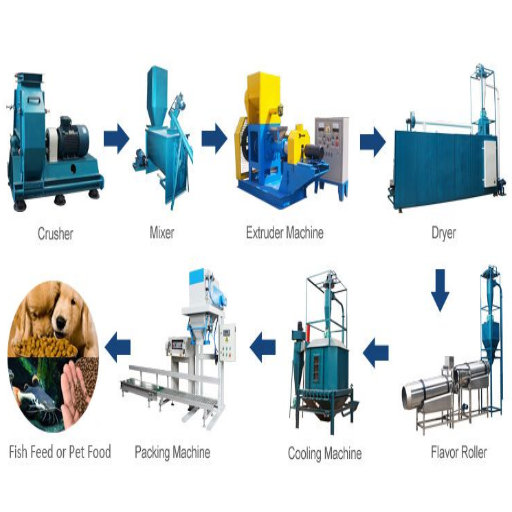
The pet food production process needs multiple essential steps because it needs to create products that meet both quality standards and safety requirements. First, raw ingredients, including proteins, grains, and vitamins, are carefully selected and inspected to confirm their quality. The ingredients proceed to the next step, where they undergo mixing and grinding until they achieve a complete unified base. The wet pet food manufacturing process starts with the cooked mixture, which undergoes extrusion or rendering processes to achieve proper sterilization while keeping all nutrients intact. The product undergoes cooking followed by shaping, which includes portioning into different packaging types such as cans and pouches, which then undergo sealing to protect their freshness while preventing any contamination. The packaged items complete their final step before distribution through strict quality control checks, which guarantee compliance with safety and regulatory standards. This process, which operates in an organized manner, enables manufacturers to produce pet food products that provide the essential nutrition their customers need.
Step-by-Step Overview of the Production Process
1. Ingredient Sourcing and Selection
Multiple high-grade raw materials, which include proteins, grains, vitamins, and minerals, are selected through an intensive process to fulfill both nutritional guidelines and safety requirements. The testing process verifies that ingredients contain no contaminants while meeting the established quality standards.
2. Mixing and Formulation
The team uses an exact process to measure and combine all sourced ingredients until they achieve the required nutritional balance needed for the pet food product. The company uses advanced software and machinery to create products that maintain consistent quality while delivering precise nutritional content.
3. Cooking and Extrusion
The facility uses controlled temperature cooking to process mixed ingredients, which achieves sterilization and digestibility while protecting their nutritional content. The dry food production process requires the cooked mixture to undergo extrusion, which forms kibble shapes that proceed to a drying stage for moisture extraction.
4. Canning or Pouching for Wet Food
The facility uses the cooked mixture to create shapes, which they package in various containers such as cans and pouches. The packaging process uses hermetic seals, which preserve product freshness while establishing long-term product shelf stability.
5. Quality Control and Safety Testing
The production process includes multiple testing points that evaluate product consistency, contamination risks, and adherence to regulatory requirements. The product undergoes microbial testing, physical testing, and chemical testing to verify its safety and nutritional value.
6. Packaging and Distribution
The company packages its completed products with labels that display nutritional details, feeding instructions, and expiration dates. The products get transported to distribution centers and retail outlets and directly to consumers, which ensures operational efficiency throughout the supply chain.
The complete process, which operates under strict regulations, confirms that pet food production meets all safety requirements while fulfilling pet dietary requirements, which leads to consumer trust in product standards.
Quality Control Measures in Pet Food Manufacturing
Pet food manufacturers maintain their product safety and nutritional value and regulatory compliance through their strict quality control procedures. The process begins with the sourcing of high-quality raw ingredients, which are rigorously inspected for contaminants such as mycotoxins, pathogens, and foreign substances. Laboratories frequently conduct chemical analysis and microbial testing to verify ingredient purity and safety.
Manufacturers use critical control point monitoring during production to achieve product consistency with established regulations. The critical control points (CCPs) of this system include temperature control and cooking duration, and moisture management, which help prevent bacterial contamination while maintaining essential nutritional content. The production process uses advanced equipment, which includes X-ray machines and metal detectors to find and remove all physical contaminants from the final product.
The testing process for finished products verifies that their nutrient content matches the information displayed on their labels, which ensures that products deliver their maximum dietary benefits. Many manufacturers adhere to standards set by organizations such as the Food and Drug Administration (FDA), the Association of American Feed Control Officials (AAFCO), and state regulatory bodies. The production process maintains its quality standards through regular audits, third-party certifications, and compliance with global safety standards like the Global Food Safety Initiative (GFSI), which ensures that all products pass through multiple quality checks before delivery to customers.
Common Challenges and Solutions in Production Lines
The production lines improve their efficiency while maintaining product quality and achieving cost savings through their ability to solve these challenges through innovative solutions.
Selecting the Right Equipment for Pet Food Production
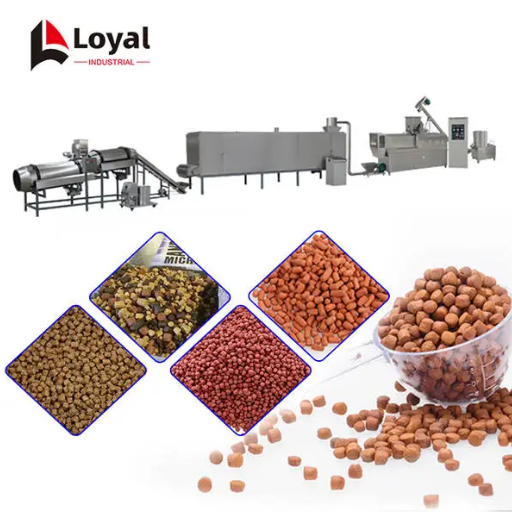
The selection of pet food production equipment needs to focus on three main criteria, which include operational efficiency, product quality consistency, and adherence to safety standards. The selection process needs to assess three primary factors, which include the production method for pet food (wet, dry, or semi-moist), the required production capacity, and the equipment’s ability to handle multiple product formulas. Equipment should also support proper hygiene and sanitation to prevent contamination, with stainless steel components being a common industry standard. The combination of automatic functions and machine selection will create accurate results that need fewer human workers, thus delivering operational efficiency that grows with business demands. The process of acquiring equipment demands that organizations always choose equipment from trustworthy manufacturers to achieve equipment durability and operational dependability throughout its lifespan.
Factors to Consider When Choosing Machinery
The process of machinery selection requires assessment of multiple vital aspects that determine operational efficiency and performance results.
📊 Production Capacity
The operational requirements of your business operations need assessment to determine essential requirements that help achieve maximum production output. The selected machinery must match your desired production output while enabling your operational processes to run smoothly without any stops during work.
💪 Durability and Build Quality
The priority for equipment selection should focus on machines that use materials that provide strength and resistance to extreme conditions. Machines that display an established durability record will decrease both repair expenses and operational interruptions.
⚡ Energy Efficiency
The assessment process requires you to examine machine energy requirements while searching for energy-saving models that hold energy-efficient certifications. Energy conservation results in reduced operational expenses while simultaneously advancing environmental protection goals.
🤖 Automation and Control Systems
The combination of modern machines, which offer programmable control and Internet of Things capabilities, enables exact operations that can be supervised from a distance.
🔧 Maintenance and Support
The process of selecting machinery requires equipment that enables simple maintenance through available spare parts and accessible technical assistance. Reliable after-sales support establishes the foundation for maintaining smooth business operations throughout the entire process.
💰 Cost vs. Value
The evaluation process needs you to weigh initial purchase costs against the future financial benefits, which come from energy-saving solutions, reduced maintenance needs, and increased work efficiency. The equipment will deliver major advantages throughout its operational lifespan when you choose to make a bigger initial financial commitment.
The process of business decision-making depends on multiple elements that help organizations achieve better production results while maintaining their financial stability.
Top Suppliers for Pet Food Processing Equipment
Bühler Group
The Bühler Group operates as an international authority that develops food processing technologies to create sophisticated pet food production solutions. The company offers equipment that includes extrusion systems, dryers, and coating technologies that enable precise and efficient operations. Bühler helps manufacturers achieve production optimization through its energy-efficient technologies, which include automation and food safety regulation compliance solutions.
Clextral
Clextral provides flexible and expandable pet food production solutions through its twin-screw extrusion technology. The machinery produces uniform shapes and textures that maintain cooking quality to accommodate different product formulations. Clextral develops sustainable solutions with energy-efficient systems that minimize waste to achieve both economic and environmental goals.
Andritz
Andritz supplies a complete selection of pet food processing equipment, which includes mills, mixers, conditioners, and extruders. Their products provide robust and flexible solutions that can handle different production volumes and product requirements. Andritz creates new solutions that optimize energy use while decreasing operational downtime to deliver efficient and dependable services at affordable prices.
The leading companies in the industry supply advanced equipment that meets the essential requirements of contemporary pet food production by delivering efficient solutions and environmentally friendly products, and maintaining safety standards.
Innovations in Equipment for Pet Food Production
The latest developments in pet food production equipment focus on improving operational efficiency through advanced technology and environmentally friendly manufacturing methods. Modern extruders now use advanced control systems that enable precise temperature, moisture, and pressure control, which lets manufacturers produce specific pet dietary formulations. The advanced dryers now achieve energy savings while maintaining consistent product drying results, which create uniform texture and nutritional attributes throughout the process.
The implementation of automation through integrated systems that provide real-time monitoring capabilities, predictive maintenance functions, and advanced scalability features represents a major technological shift. The automated systems decrease the risk of human mistakes while increasing workplace safety and streamlining production processes. The vacuum coating systems have undergone technological improvements, which enable better uniform distribution of flavorings and nutritional additives, resulting in products that meet the high-quality standards demanded by consumers.
Sustainable design practices have been integrated into equipment systems through the implementation of energy-efficient components and waste-reducing materials, which help cut down environmental emissions. The organization prioritizes strict safety standards and traceability requirements because those standards protect global regulatory compliance throughout the production process.
The combination of these innovations empowers manufacturers to create high-quality pet food products that meet current market demands and comply with regulatory requirements while supporting sustainability objectives.
Future Trends in Pet Food Production Lines
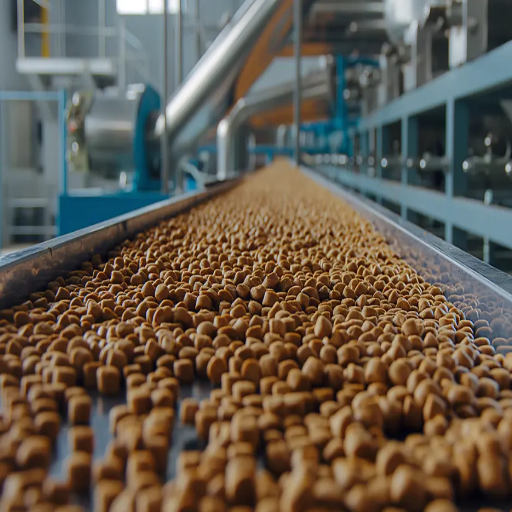
The pet food industry is now concentrating its efforts on three main areas, which are personalized products, sustainable solutions, and automated processes. Customizable formulations, which result from data analytics progress and consumer demand for personalized nutrition, will determine the design of future production lines. Facilities will focus on sustainable operations through the implementation of eco-friendly methods, which include waste reduction, energy-efficient machinery, and alternative packaging materials. Automation and robotics systems will improve operational efficiency and production accuracy, which results in lower manufacturing expenses and stable product quality. The upcoming era of pet food production systems will develop through these trends, which operate together with their upcoming strict regulatory requirements.
Emerging Technologies in Pet Food Manufacturing
The pet food industry is currently utilizing modern technological solutions to achieve better operational efficiency, environmentally friendly practices, and high-quality products. Advanced extrusion and coating technologies, which support precise nutrient integration, have improved the taste of pet food products. The new developments enable scientists to create precise control systems that deliver protein and fat to animals, which helps them maintain their desired nutritional needs while decreasing mistakes in product development.
Artificial intelligence (AI) and machine learning are revolutionizing the processes used to control product quality and monitor production operations. The system operates by monitoring operational data to identify potential problems and predict when machine maintenance will be necessary, which results in better equipment reliability and operational efficiency. Companies now use blockchain technology to improve product tracking capabilities and supply chain visibility, which allows customers to access complete information about the origin of ingredients and methods used in production.
The market now sees 3D printing technology as an emerging trend, which enables manufacturers to create unique pet food shapes and develop personalized nutrition plans based on their specific requirements. The new method enables scientists to create customized pet dietary plans and treat recipes. The combination of these technologies will lead to more accurate manufacturing methods, environmentally friendly practices, and groundbreaking developments in pet food production.
Sustainability Practices in Food Production Lines
I believe that food production sustainability requires organizations to implement techniques and technologies that achieve waste reduction and energy conservation while decreasing their environmental effects. The use of renewable energy sources such as solar and wind power in production facilities provides an effective solution for carbon emission reduction. The implementation of advanced water filtration and recycling systems, together with circular packaging solutions that use biodegradable or reusable materials, creates an environmentally friendly production system. These practices are essential for creating a more sustainable and responsible food production ecosystem.
Predictions for the Future of Pet Food Processing
The pet food industry is expected to experience major progress through technological advancements, sustainable practices, and changing consumer behavior. The current trend involves using insect-based proteins together with cultured meat and plant-based ingredients as alternative protein sources to solve environmental and resource sustainability problems. The shift results in both improved nutritional options and fulfillment of market demand for products that protect the environment.
Smart technologies such as AI and IoT will establish new standards for improving production efficiency, quality control, and monitoring supply chain processes. The tools empower manufacturers to create better product formulations while meeting safety requirements and minimizing waste through precise data evaluation.
Health-focused products will dominate the market because they use functional ingredients that help specific pet health conditions, including probiotics for digestive health and omega-3s for joint and coat health. Pet owners will increasingly demand personalized pet diets because they want to create custom meals that meet their pets’ specific dietary requirements through direct-to-consumer channels and advanced nutritional assessment methods.
The primary objective of sustainability efforts continues, as organizations expand their use of environmentally-friendly solutions, which include carbon-neutral facilities, recyclable or compostable packaging, and water-saving technologies. The combined trends of these developments create a future for pet food processing that brings together innovation and ethical practices, and health-focused approaches.
Conclusion
Modern pet food production lines represent a sophisticated integration of advanced machinery, precise processes, and stringent quality controls. As the industry continues to evolve with emerging technologies and sustainability practices, manufacturers are better equipped than ever to produce safe, nutritious, and high-quality pet food products that meet the demanding standards of both regulatory bodies and discerning pet owners worldwide.
Reference Sources
Extrusion Processing: A Versatile Technology for Producing Foods and Feeds
Application of High-Pressure-Based Technologies in the Food Industry
Feed Technology Center | Animal Sciences
Frequently Asked Questions (FAQs)
Solutions for pet food: What types of pet food manufacturing equipment are included in a complete pet food production line?
A complete pet food production line includes specialized equipment that enables mixing of ingredients and requires extruders, which produce dry kibble and need dryers and coating machines for pet treats and pet biscuits, and requires both canning and retort systems, which handle canned food, and needs vacuum fillers for wet food and packaging machines, and quality control systems. The pet food processing machines operate multiple types of pet food, which include dry kibble, wet pet food, pet treats, and pet biscuits, to achieve both production targets and food safety requirements.
Solutions for pet food: How does automated production help pet food producers maximize production efficiency?
Automated production enables pet food producers to achieve maximum production efficiency through its ability to decrease manual labor requirements while increasing production speed and decreasing production errors. The automated systems control all production processes, which involve ingredient dosing and mixing as well as extrusion, drying, coating, and packaging, to ensure pet food quality remains consistent while using energy-efficient equipment to decrease waste and energy usage.
Solutions for pet food: What measures ensure pet food safety and quality across every stage of production?
Manufacturers implement good manufacturing practices that include HACCP-based controls and allergen testing, microbiological testing, metal detection, and temperature control systems to keep pet food safe and high-quality throughout all production stages. The equipment enables hygienic cleaning through its design and provides traceability for all cleaning operations, while the processing techniques receive validation to guarantee market distribution of pet food products that comply with food safety regulations to safeguard both pets and the pet food industry’s image.
Solutions for pet food: Can equipment solutions process both kibble and wet food, or are lines specialized?
The system consists of two different types of equipment lines, which include specialized equipment lines and multi-capable systems. Some complete pet food production lines are capable of processing only dry kibble or only wet pet food, while modular advanced pet food processing systems require module swapping or addition to enable processing of both kibble and wet food and treats, which include canned food. The correct solution should be selected based on three factors, which include line capacity and product mix, and production targets.
Solutions for pet food: What are the key types of pet food and processing techniques manufacturers must consider?
Dog food, cat food, and pet dry food, wet food, pet treats, and pet biscuits represent the main categories of pet food. The processing techniques include extrusion for dry kibble, baking for biscuits, canning for wet food, and coating or vacuum infusion for treats. The pet food process requires specific manufacturing equipment and processing solutions, and packaging solutions for each technique to maintain product stability and sensory quality.
Solutions for pet food: How can producers ensure their production line meets food safety standards and regulatory requirements?
Producers should design production lines following food safety standards and local regulations, implement GMPs, maintain validated cleaning procedures, use certified equipment that is designed for easy sanitation, and keep comprehensive documentation. The production line construction needs to meet domestic and export regulatory requirements, which can be confirmed through the combination of regular audits and supplier controls for food ingredients and scheduled testing.
Solutions for pet food: What are the benefits of investing in advanced pet food processing and energy-efficient equipment?
The combination of advanced pet food processing and energy-efficient equipment results in improved product uniformity, decreased operational expenses, and environmentally responsible manufacturing. The system allows pet food producers to meet market requirements through its ability to produce higher output while providing better control over nutritional and physical properties, reducing energy use, and enhancing safety and quality standards in the wet pet food market and premium product segments.
Solutions for pet food: How do producers choose equipment solutions to meet varied production goals and product ranges?
Producers should evaluate their target market (dog food, cat food, treats, canned food), expected capacity of the line, flexibility for product development, and compliance needs. Companies can establish the equipment they need by testing equipment at pilot trials and working with suppliers who offer complete pet food production line solutions.