
Loyal Food Machinery
Industrial Textured Protein Production Line Solutions
Turnkey extrusion systems for TVP, TSP, and High-Moisture Meat Analogs. Precision twin-screw technology for consistent fiber formation and recipe flexibility.
100–2,000
kg/h Capacity
TVP & HMMA
Processing Types
SUS304/316
Hygienic Standard
Market Analysis & Strategy
Engineering the Next Generation of
Engineering the Next Generation of
Plant-Based Protein Manufacturing
The global plant-based protein market is shifting rapidly from basic ingredients to premium, healthier, and texture-rich options. Modern manufacturers face a dual challenge: controlling production costs while meeting stricter hygiene standards and clean-label demands.
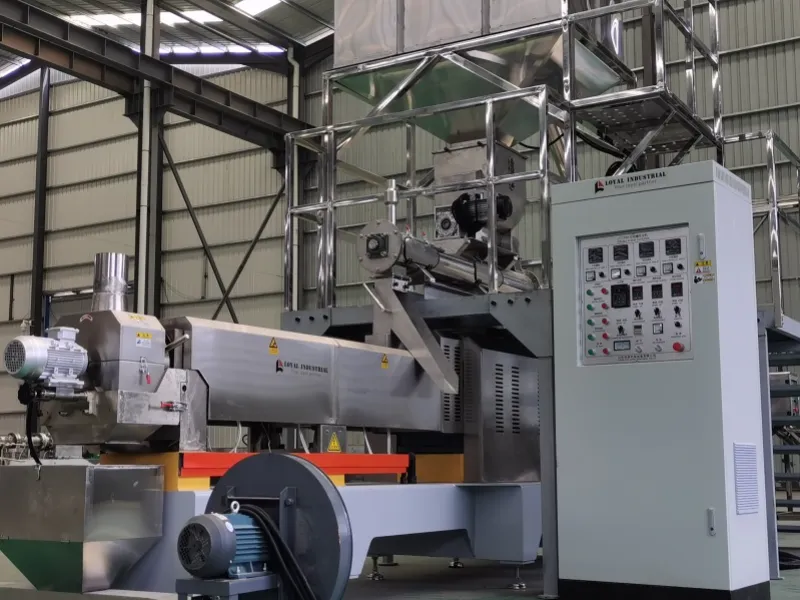
Loyal’s turnkey solutions are engineered to bridge this gap. Our lines integrate precision twin-screw extrusion technology to create fibrous, meat-like textures, alongside smart drying and cooling systems that significantly reduce operational waste.
-
Dry TVP vs. HMMA Flexibility: Adapt to market demands with modular designs for both shelf-stable dry protein and refrigerated high-moisture meat analogs.
-
Raw Material Versatility: Process soy, pea, wheat gluten, fava bean, lentil, and sunflower protein on the same extrusion platform.
-
Sanitary Architecture: Open-frame SUS304/316 design eliminates blind spots, meeting global food safety regulations.
2025 Trend
Focus on clean-label processing and alternative protein sources.
50-70%
Protein Content
Optimized extrusion parameters for high-protein finished products.
<10%
Moisture Target
Precision drying technology ensures shelf-stable dry TVP output.
PLC
Smart Control
Full line synchronization with recipe memory for consistent quality.
24/7
Continuous Operation
Heavy-duty gearboxes designed for non-stop industrial production.
From Powder to Finished Product
Explore the engineering behind our fully automated textured protein lines. Every step utilizes precision control to ensure consistent fiber formation and optimal yield.
Flour / Powder Mixing
Automated system blends protein powder with water and additives to the target moisture content. High-speed shearing ensures uniform hydration for consistent extrusion.
Acc: ±0.5%Screw Conveyor Feeding
Feeds mixed material continuously into the extruder at a controlled rate. Prevents bridging and ensures steady throughput for uniform cooking.
Variable Frequency DriveTwin-Screw Extrusion
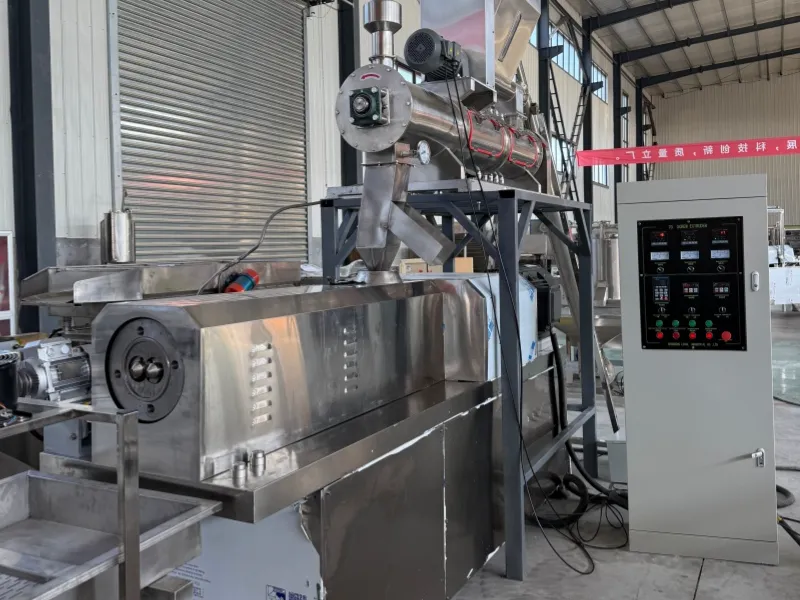
Cooks, texturizes, and forms protein under controlled heat, pressure, and shear. The twin-screw design creates precise fiber alignment for meat-like texture.
Core TechnologyDie Shaping & Cutting
The molten protein exits a shaped die and expands instantly. Adjustable cutters create chunks, flakes, nuggets, strips, or crumbs to match your specification.
Custom Die GeometryAir Conveying
Transports extruded product gently to the drying section using filtered air. Prevents breakage and maintains product shape integrity.
Gentle TransferMulti-Layer Drying / Cooling
Dry TVP: Multi-layer dryer reduces moisture to below 10% for shelf stability.
HMMA: Cooling die system brings product to refrigeration temperature without drying.
Flavoring & Packaging
Optional flavoring drum or oil sprayer adds taste and color. Automatic weighing, filling, and sealing complete the turnkey process.
Fully AutomatedTechnical Specifications
From compact pilot lines to high-capacity industrial plants. Review the standard parameters below, or contact us for a customized layout based on your factory dimensions.
Series A: Dry TVP / TSP Production Line
| Model | Capacity (kg/h) |
Installed Power (kW) |
Dimensions (L×W×H meters) |
Heating Options |
|---|---|---|---|---|
| TSE-65 / DSE-65 | 100 – 150 | 74 – 90 kW | 15–25 × 1.3–2.0 | Electric / Gas / Steam |
| TSE-70 / DSE-70 | 200 – 300 | 90 – 120 kW | 20–30 × 1.5–2.5 | Electric / Gas / Steam |
| TSE-85 / DSE-85 | 400 – 600 | 120 – 190 kW | 30–40 × 1.5–3.0 | Electric / Gas / Steam |
| TSE-95 / DSE-95 | 800 – 1,000 | 150 – 250 kW | 35–50 × 2.0–3.5 | Electric / Gas / Steam |
| TSE-120+ | 1,200 – 2,000 | 200 – 350 kW | 45–60 × 2.5–5.5 | Electric / Gas / Steam |
Series B: HMMA (High-Moisture Meat Analog) Line
| Model | Capacity (kg/h) |
Moisture Range (%) |
Cooling Die Module |
Format |
|---|---|---|---|---|
| TSE-70-H | 200 – 300 | 40 – 80% | Integrated | Strips / Cubes |
| TSE-85-H | 400 – 600 | 40 – 80% | Integrated | Strips / Cubes / Patties |
| TSE-95-H | 800 – 1,000 | 40 – 80% | Integrated | Custom Shapes |
Series C: Dry TVP vs. High-Moisture Meat Analog
| Factor | Dry TVP / TSP | High-Moisture Meat Analog (HMMA) |
|---|---|---|
| Moisture content | 18–30% | 40–80% |
| Shelf stability | Long, ambient stable | Short, requires refrigeration |
| Core equipment | Extruder + dryer | Extruder + cooling die + refrigeration |
| Typical end use | Rehydration in soups, sauces, snacks, meat extenders | Ready-to-cook plant-based meat, vegan deli slices |
| Investment level | Lower | Higher |
| Operator count | 2–4 per shift | 3–5 per shift |
Why Loyal?
Precision Engineering Advantages
We integrate Industry 4.0 standards into food processing. Our proprietary technology focuses on reducing operational costs and maximizing hygiene.
Twin-Screw Extrusion
Precision control over temperature, shear, and residence time. Produces uniform fiber formation, better water absorption, and higher expansion consistency versus single-screw systems.
Temp Accuracy
±1°C
Fiber Quality
Meat-like
Quality Control & Compliance
Consistent textured protein depends on controlling moisture, protein content, water absorption, and bulk density. Our lines support inline monitoring and recipe storage for repeatable settings.
Moisture Control
±0.5%
Protein Target
50-70%
PLC Automation & Remote Diagnostics
Full line synchronization via touchscreen HMI with variable frequency drives and automated temperature control. Optional remote diagnostic support reduces unplanned downtime.
System
Siemens/Omron
Recipe Memory
50+ Sets
Visualize Your Production
Our HMI (Human Machine Interface) provides real-time data monitoring on capacity, energy consumption, and maintenance alerts. Empower your operators with an intuitive, multi-language control panel.
Book a System Demo →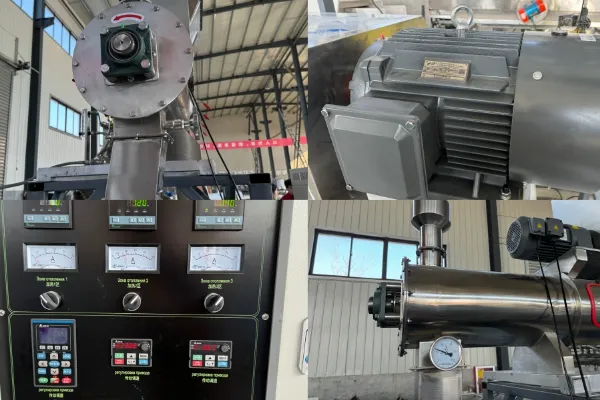
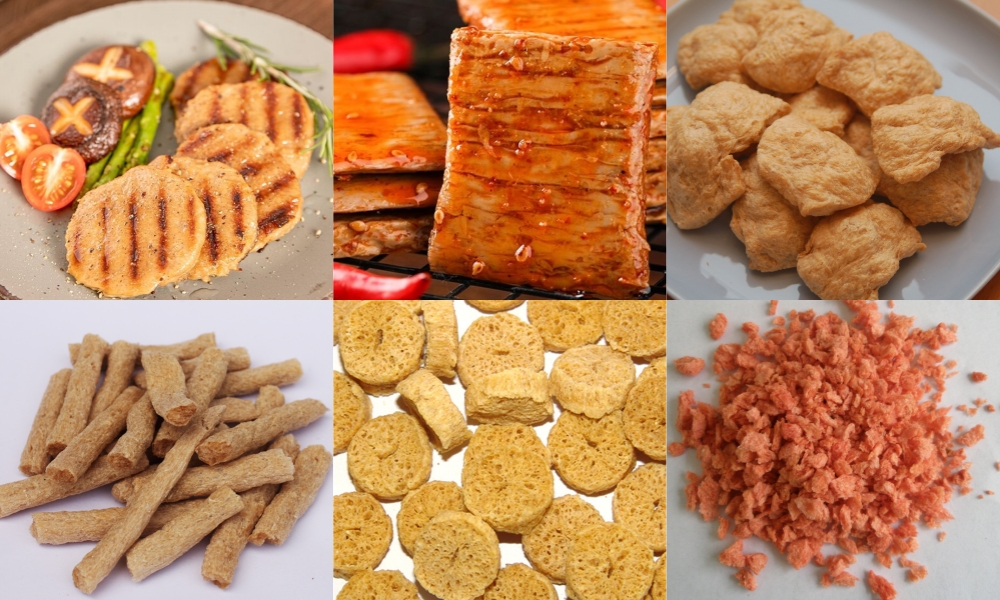
Product Samples & Applications
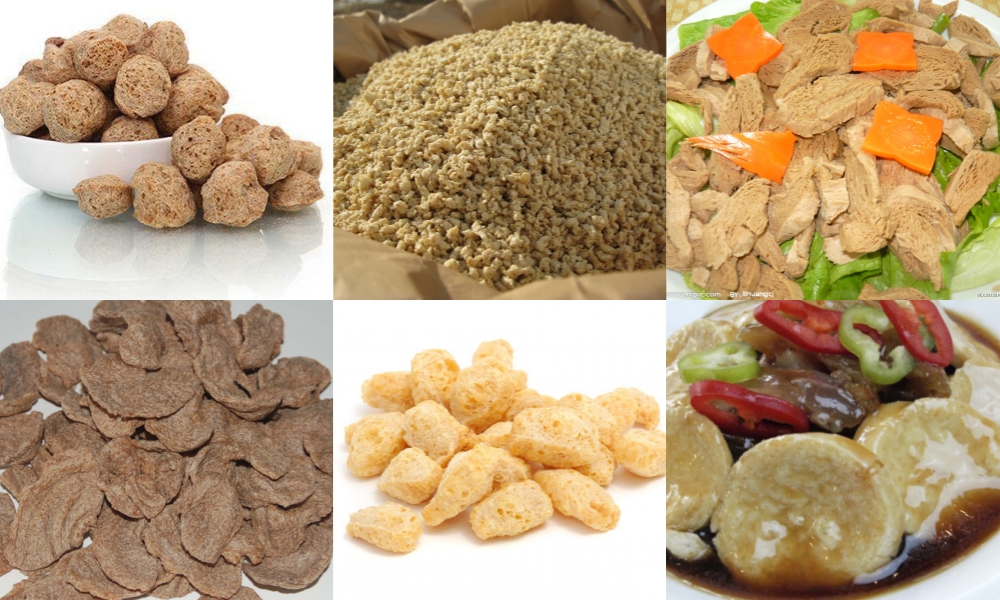
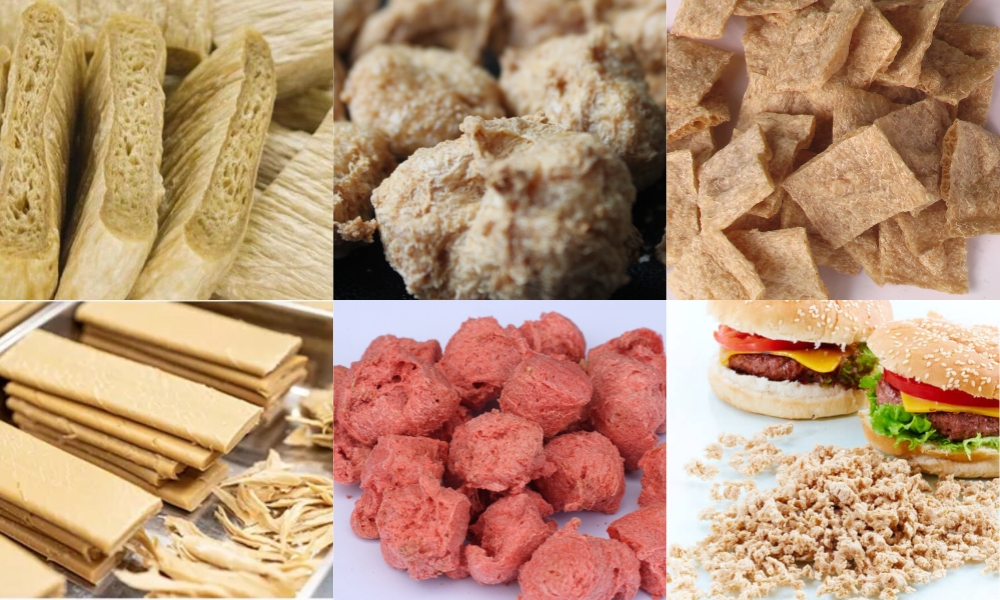
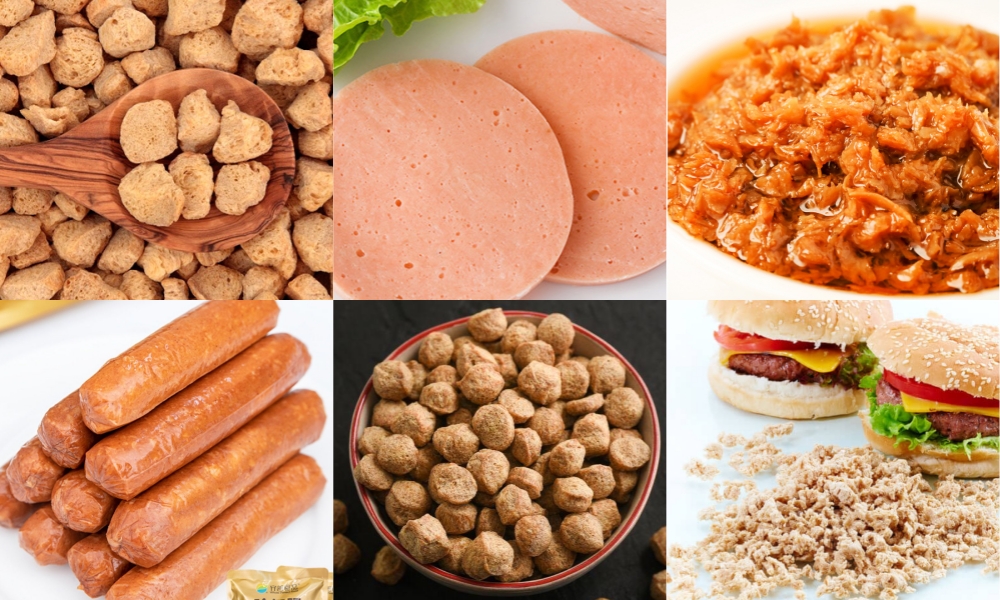
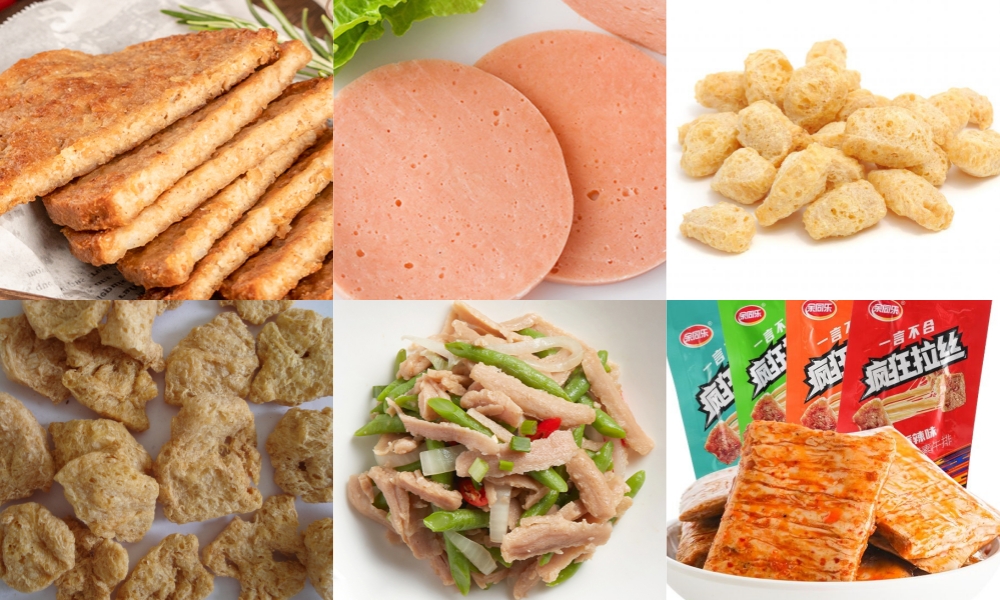
Real production samples from our textured protein lines. From dry TVP crumbs to high-moisture meat analogs, see the variety our extrusion systems can produce.
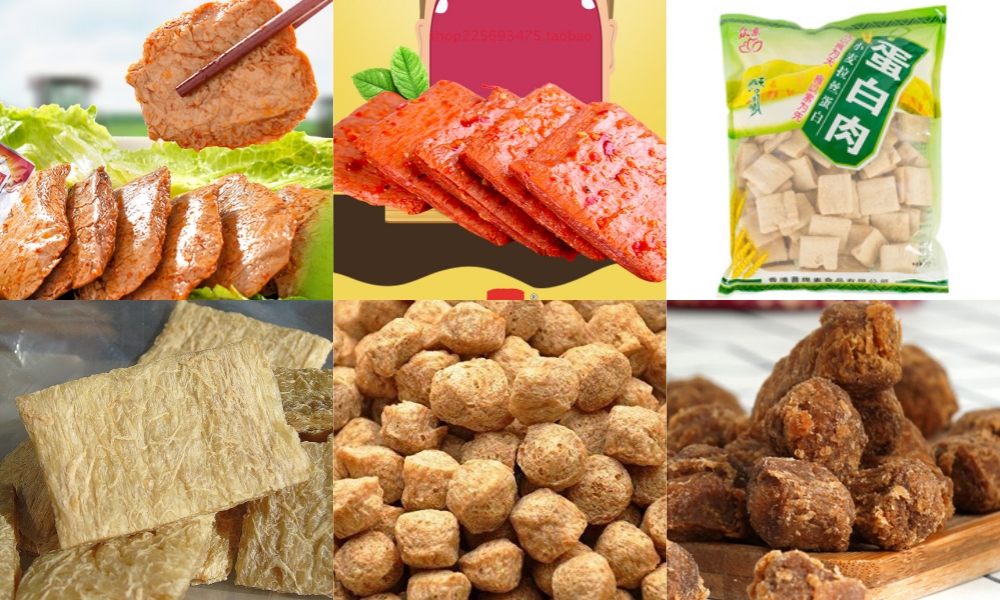
Product Variety
Mixed Protein Forms
Patties
Chunks
Strips
Crumbs
Retail Ready
Sliced & Packaged TVP
Sliced
Packaged
Spicy Flavor
Ingredient Forms
TVP Balls & Flakes
Spherical
Flake
Rehydrated
Fiber Texture
Layered & Fibrous
Layered
Fibrous
Burger
Plant-Based Meat
HMMA Sausages & Slices
Sausage
Deli Slice
Wet Texture
End Applications
Ready-to-Cook & Snacks
Steak
Stir-Fry
Snack
Your Partner Beyond the Machine
We don’t just sell equipment; we deliver a profitable production capability. From your first inquiry to lifetime maintenance, Loyal is with you.
 EU Safety Compliant
 Quality Management
 Field Verified
 Food Grade Material
1. Consult & Recipe
Analyze your raw material and target product. We provide starter recipes and recommend the optimal screw profile, die geometry, and moisture targets.
2. Layout Design
Our engineers create a customized 2D/3D factory layout (CAD) to fit your building dimensions, utility locations, and material flow.
3. Manufacturing
Precision CNC machining of components. Rigorous testing with raw materials before shipment to ensure zero-defect delivery.
4. Install & Support
On-site installation and operator training. 24/7 remote technical support and fast spare parts dispatch via DHL/FedEx.
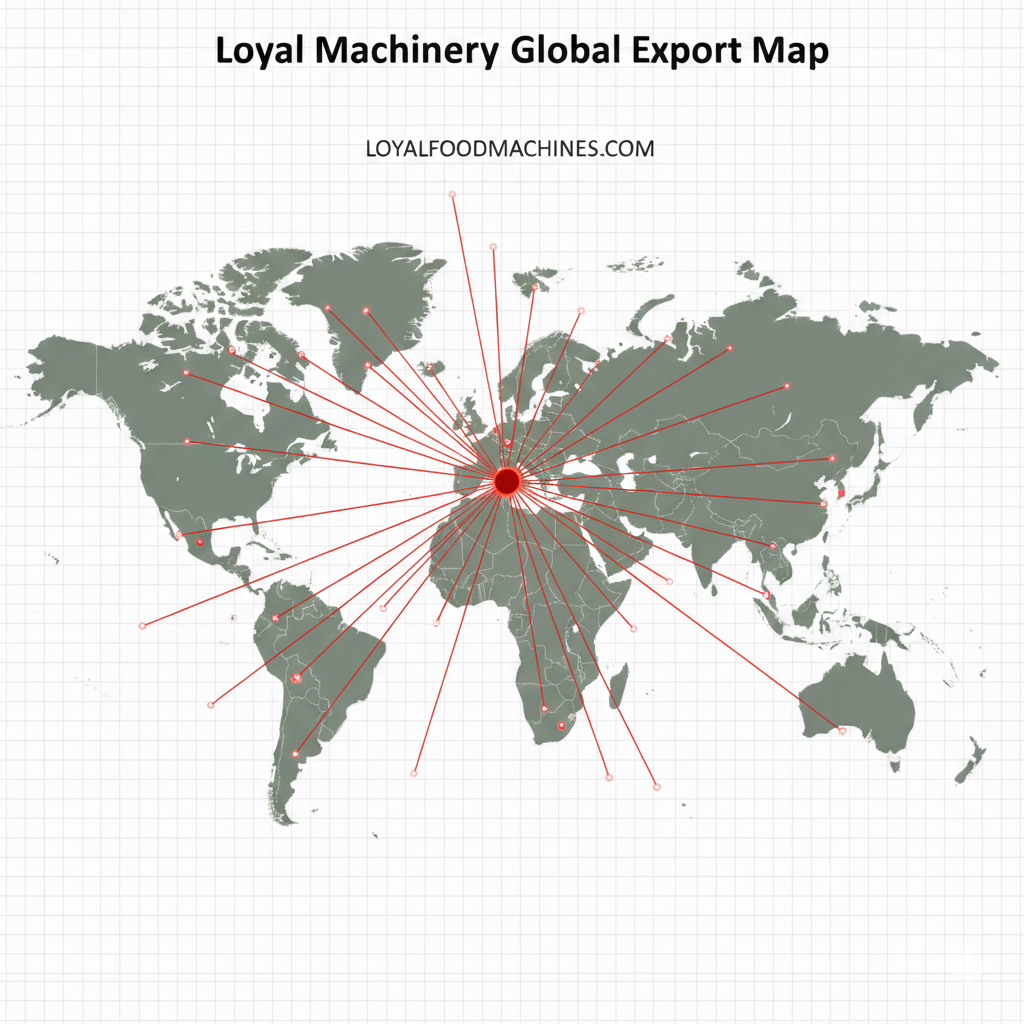
Global Delivery Capability
Loyal Machinery has successfully installed extrusion lines across 50+ countries. We understand local power standards and import regulations. Our customer projects include:
- Europe: 500 kg/h textured pea protein line for vegan nuggets and strips.
- Southeast Asia: 400 kg/h textured soy protein crumb line for meat extenders.
- North America: 300 kg/h textured protein inclusion line for premium pet food.
50+
Countries
20yr
Experience
Frequently Asked Questions
Answers to common queries about production capacity, process technology, and after-sales support.
What is a textured protein production line?
A textured protein production line is an integrated manufacturing system that processes plant-based protein powders or flours into fibrous, meat-like products using twin-screw extrusion, drying, and packaging equipment.
What equipment is included in a TVP production line?
A standard line includes a flour mixer, screw conveyor, twin-screw extruder, die and cutter, air conveyor, multi-layer dryer, cooling conveyor, optional flavoring drum, and packaging machine.
How does textured vegetable protein production work?
Protein powder is mixed with water to a controlled moisture level, then cooked under heat, pressure, and shear in a twin-screw extruder. The molten protein exits a shaped die, expands, and forms a porous, fibrous structure that rehydrates like meat.
What raw materials can be used?
Common raw materials include defatted soy flour, soy protein concentrate, pea protein, wheat gluten, fava bean protein, lentil protein, sunflower protein, and peanut meal.
What is the difference between TVP and TSP?
TVP, or textured vegetable protein, can be made from various plant sources. TSP, or textured soy protein, is a specific type of TVP made from soy.
How much does a TVP production line cost?
Small pilot lines start around $20,000. Mid-size industrial lines range from $50,000 to $120,000. Large automated lines and HMMA systems can range from $120,000 to over $1,000,000 depending on capacity and configuration.
Can one extruder produce both TVP and HMMA?
Yes. With the right screw configuration, die setup, and cooling die module, the same extruder platform can produce dry TVP and high-moisture meat analogs.
What certifications should a textured protein production line have?
Look for CE, ISO9001, and HACCP certifications, plus SUS 304/316 stainless steel construction for food-contact surfaces.
How many operators does a TVP production line need?
A fully automated line typically requires 2–4 trained operators per shift for feeding, extrusion monitoring, drying, packaging, and quality control.
Have a specific technical question?
Our engineers are ready to discuss your factory layout.
Ask an Engineer →
Turnkey Solution Provider
Ready to Build Your Protein Production Line?
Stop searching for individual machines. Get a fully integrated, automated textured protein production line designed for your factory space, raw material, and budget.