
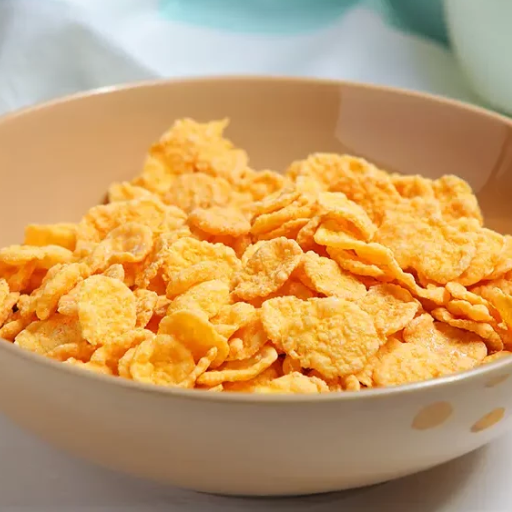
Are Corn Flakes Healthy? A Balanced Look at Nutrition, Benefits & Production Quality

Are corn flakes healthy? Plain corn flakes can be a low-fat, fortified breakfast option, but they are also low in fiber and high on the glycemic index. Their health impact depends on the brand you choose, how much you eat, and what you pair them with.
Maria, a production manager at a breakfast cereal plant in Southeast Asia, noticed that her retail clients were asking the same question every quarter: Are corn flakes healthy? Consumer preferences were shifting. Shoppers wanted lower sugar, cleaner labels, and transparent fortification.
Maria realized that the answer was not just in the recipe. It was also in the equipment and processes used to make the flakes. Her story mirrors what food manufacturers everywhere are facing: health claims must be backed by real production quality.
In this guide, we will give you a balanced, evidence-based answer to the question. You will learn what corn flakes contain, where they fit in a healthy diet, and how modern production technology can influence the final nutritional profile. Whether you are a consumer reading a cereal box or a manufacturer evaluating a corn flakes production line, this article will help you make informed decisions.
Key Takeaways
- Plain corn flakes are low in fat and calories but low in fiber, which limits how filling they are.
- Fortified corn flakes can supply meaningful amounts of iron and B vitamins, though they are not a substitute for whole grains.
- Corn flakes have a high glycemic index and can spike blood sugar, especially when eaten without protein or fiber.
- Flavored or sweetened varieties often contain significantly more sugar than plain corn flakes.
- Production choices matter: extrusion temperature, flaking precision, drying control, and fortification methods all affect nutrition and texture.
Are Corn Flakes Healthy? The Short Answer

Corn flakes occupy a middle ground in the breakfast aisle. A plain, unsweetened serving is cholesterol-free, very low in fat, and often enriched with iron and B vitamins. It can be a convenient choice for a quick, light breakfast.
However, the same serving is usually made from refined corn. That means it is low in fiber and digests quickly. The result is a cereal that can raise blood sugar faster than whole-grain options like oatmeal or bran flakes.
If you eat a large bowl without milk, fruit, nuts, or seeds, you may feel hungry again within an hour or two. The verdict? Corn flakes can fit a healthy diet, but they work best as part of a balanced meal rather than a daily standalone breakfast. For manufacturers, the final product depends heavily on recipe choices and production-line capabilities.
Corn Flakes Nutrition Facts at a Glance
Understanding corn flakes nutrition starts with the label. Numbers vary by brand, country, and formulation, but the table below shows a typical range for plain corn flakes.
| Nutrient (per ~30–42 g serving) | Typical Amount |
|---|---|
| Calories | 100–150 kcal |
| Total Fat | 0–1 g |
| Carbohydrates | 22–36 g |
| Fiber | ~1 g or less |
| Protein | 2–3 g |
| Sugars | 2–4 g (plain); higher in flavored versions |
| Sodium | 150–300 mg |
| Iron | Up to 45–60% DV when fortified |
| B Vitamins | Thiamin, riboflavin, niacin, B6, B12, folic acid |
Data from nutrition databases such as EWG Food Scores show that fortification can make corn flakes a meaningful source of iron and several B vitamins. That is useful for populations with higher micronutrient needs. At the same time, the low fiber content is a clear limitation. Fiber supports digestion, helps regulate blood sugar, and increases satiety. Corn flakes provide very little of it.
Sodium is another detail worth watching. Some analyses suggest that plain corn flakes can be relatively high in salt compared with other breakfast cereals. Reading the label remains the best way to compare brands.
Health Benefits of Corn Flakes
The main corn flakes benefits are convenience and fortification. Despite their limitations, corn flakes do offer several advantages when consumed thoughtfully.
Low in Fat and Cholesterol-Free
Corn flakes are naturally very low in fat and contain no cholesterol. For people monitoring fat intake or managing specific dietary restrictions, that can be a useful feature. Pairing them with low-fat milk or a plant-based alternative keeps the overall meal light.
Fortified with Essential Micronutrients
Most commercial corn flakes are fortified with iron and B vitamins. According to nutritional listings, a single serving can deliver a substantial portion of the daily value for iron and several B vitamins, including folic acid. Some brands also add vitamin D. This fortification can help address common micronutrient gaps, particularly in diets low in red meat or whole grains. You can read more about the health effects of corn flakes in this overview from Public Health Nigeria.
Convenient and Quick Energy Source
Corn flakes require no cooking. They provide fast-digesting carbohydrates, which can be helpful before exercise or on busy mornings. For manufacturers, this convenience factor is one reason corn flakes remain a high-volume breakfast category worldwide.
Can Support Iron Absorption When Paired with Vitamin C
Iron from fortified cereals is non-heme iron, which is not absorbed as easily as iron from meat. Adding a source of vitamin C, such as orange juice or sliced strawberries, can improve absorption. This simple pairing turns a basic bowl of corn flakes into a more nutritionally complete meal.
If you are evaluating food production equipment for fortification processes, precise dosing and uniform coating systems are essential. Inconsistent fortification can lead to regulatory issues and consumer distrust.
Drawbacks and Side Effects of Corn Flakes
Common corn flakes side effects are linked to low fiber, high glycemic impact, and added sugar. No food is perfect, and corn flakes have clear downsides. Being honest about them builds credibility and helps readers make better choices.
Low Fiber and Limited Satiety
With roughly 1 gram of fiber per serving, corn flakes do little to keep you full. Fiber slows digestion and promotes satiety. Without it, you may find yourself reaching for a snack long before lunch. This is one of the main reasons corn flakes are often ranked below oatmeal or bran cereals for weight management.
High Glycemic Index
Refined corn flakes are digested quickly. Their glycemic impact is comparable to white bread or other refined grain products. In other words, corn flakes glycemic index is relatively high. For people with diabetes, prediabetes, or insulin resistance, this can be a concern. Even healthy individuals may experience an energy crash after a large bowl eaten without protein or fat.
Added Sugar in Flavored Varieties
Plain corn flakes usually contain only a few grams of sugar per serving. Corn flakes sugar content rises sharply in flavored, honey-coated, or store-brand formulations. The NHS recommends limiting free sugars to 19–30 grams per day depending on age. A bowl of sweetened corn flakes can use a significant portion of that budget.
Sodium Content
Salt is sometimes overlooked in breakfast cereals. Some analyses show that plain corn flakes can be one of the saltier options in the cereal aisle. For consumers watching blood pressure or sodium intake, this is worth checking on the label.
Ultra-Processed Food Considerations
Packaged corn flakes are typically classified as ultra-processed foods. They are made from refined grains, added sugar, salt, and industrial processing aids. So, are corn flakes processed food? Yes, most commercial versions fall into this category. This does not mean they are harmful in moderation, but it does mean they should not replace whole grains as a dietary staple.
Corn Flakes vs Oatmeal: Which Is Healthier?

A common follow-up question is whether corn flakes or oatmeal is the better breakfast choice. The answer depends on your goals.
| Factor | Plain Corn Flakes | Oatmeal |
|---|---|---|
| Fiber | ~1 g per serving | ~4 g per serving |
| Protein | 2–3 g | ~5 g |
| Fat | 0–1 g | 2–3 g |
| Glycemic impact | Higher | Lower |
| Satiety | Lower | Higher |
| Micronutrients | Fortified | Naturally richer in magnesium, zinc, iron |
| Preparation time | Instant | Requires cooking |
Oatmeal is generally the stronger everyday choice for sustained energy, digestive health, and blood sugar control. Corn flakes can still fit into a healthy diet when eaten occasionally and paired with protein, fiber, and healthy fats.
For a deeper comparison of how flake cereals stack up against oatmeal, see this analysis from Grain Food Technology.
Are Corn Flakes Healthy? What the Manufacturing Process Reveals
The nutritional profile of corn flakes is not determined by the recipe alone. The way they are manufactured also plays a major role. For food producers, understanding this process is essential for delivering a consistent, high-quality product.
Raw Material Mixing and Extrusion Cooking
The process begins with corn flour or grits, which are mixed with water, sugar, salt, malt flavoring, and sometimes vitamins or minerals. This mixture is fed into a twin-screw extruder, where it is cooked under controlled heat, pressure, and shear.
Extrusion is a critical step. It gelatinizes the starch, develops the texture, and shapes the corn mixture into pellets. Precise temperature and moisture control during extrusion influence how well the final flakes toast, how crisp they become, and how stable they are during storage.
If you want to learn more about the technology behind this step, our guide to extrusion solutions covers the fundamentals in detail.
Flaking, Drying, and High-Temperature Toasting
After extrusion, the pellets pass through flaking rollers that flatten them into thin, uniform flakes. The thickness of the flake affects texture and toasting behavior. Thinner flakes become crispier but are also more fragile.
The flakes then move through multi-layer dryers and high-temperature roasters. This step reduces moisture to around 5% or lower and develops the golden color and toasted flavor consumers expect. Consistent drying prevents soggy or brittle flakes and extends shelf life.
Sugar Coating and Fortification Stages
Some corn flakes receive a light sugar coating, honey glaze, or flavor spray after toasting. This step must be carefully controlled. Uneven coating leads to inconsistent sweetness and can affect nutrition-label accuracy.
Fortification is typically applied as a fine spray or powder coating of vitamins and minerals. Uniform distribution is critical. A well-designed production line ensures that every serving contains the declared amount of iron, B vitamins, and other added nutrients.
How Equipment Choices Affect Nutrition and Texture
A modern corn flakes production line uses food-grade stainless steel, PLC-controlled extrusion, precise temperature sensors, and automated packaging with nitrogen flushing. Equipment is typically built to international standards such as CE, ISO 22000, and HACCP. Corn flakes production line cost varies with capacity, automation level, and configuration, but investing in reliable equipment pays off through consistent quality and lower downtime. These features help manufacturers:
- Maintain consistent flake size, moisture, and texture
- Control sugar and salt levels precisely
- Apply fortification evenly across every batch
- Reduce contamination risk and meet food-safety standards
- Scale output from small-batch production to 500+ kg/h
What Equipment Is Needed for a Corn Flakes Production Line?
The exact equipment list depends on capacity and recipe, but most lines include these core machines:
- Mixer for raw materials
- Screw conveyor to feed the extruder
- Twin-screw extruder for cooking and pellet forming
- Flaking machine to flatten pellets
- Multi-layer dryer and high-temperature roaster
- Cooling conveyor
- Optional sugar-coating or flavoring drum
- Packaging machine with nitrogen flushing
Equipment needed for corn flakes production also includes quality-control points for moisture, flake thickness, and metal detection. A well-integrated line keeps these stages synchronized for consistent output.
Raj, a quality assurance director at a cereal co-packer in the Middle East, upgraded his line after receiving repeated complaints about uneven toasting. The new equipment gave him tighter control over roaster temperature and airflow. Within two months, customer complaints dropped by nearly 40%, and his team could reliably produce both plain and lightly sweetened variants on the same line. His experience shows that the right machinery does not just improve efficiency. It directly affects the product consumers judge as healthy or not.
For producers interested in recipe flexibility, our twin screw extruder for modified starch applications can support whole-grain blends, multigrain formulations, and specialized textures.
Tips for Making (and Eating) Healthier Corn Flakes

For Consumers
- Choose plain, unsweetened varieties and check the label for the lowest sugar and sodium.
- Watch portion size. It is easy to pour two or three servings into one bowl.
- Add protein and fiber. Top corn flakes with Greek yogurt, nuts, seeds, chia, flax, or fresh fruit.
- Pair with vitamin C to improve iron absorption. Berries, kiwi, or orange juice work well.
- Rotate with whole grains. Oatmeal, bran flakes, or muesli can provide more fiber and longer-lasting energy.
For Manufacturers
- Offer lower-sugar formulations. Consumer demand for reduced sugar is growing across global markets.
- Experiment with whole-grain or multigrain blends. Blending corn with oats, bran, or millet can increase fiber content.
- Optimize fortification systems. Even dosing ensures accurate label claims and consistent nutrient delivery.
- Control roasting precisely. Uniform toasting improves texture, flavor, and consumer perception of quality.
- Invest in clean-label processes. Minimizing additives and processing aids can support healthier positioning.
If you are planning a new cereal line or upgrading an existing one, contact our team to discuss tailored equipment configurations for healthier corn flakes production.
FAQ: Common Questions About Corn Flakes
Do corn flakes have a lot of sugar?
Plain corn flakes are relatively low in sugar, usually 2–4 grams per serving. Flavored, frosted, or honey-coated varieties can contain much more. Always check the nutrition label for the specific product.
Are corn flakes good for weight loss?
Corn flakes can fit a calorie-controlled diet because they are low in fat and moderate in calories. However, their low fiber content may leave you hungry. Pairing them with protein and fiber, and controlling portions, gives better results.
Can diabetics eat corn flakes?
People with diabetes should be cautious. Corn flakes have a high glycemic index and can raise blood sugar quickly. If eaten, they should be paired with protein, fat, or fiber and consumed in small portions. A dietitian can provide personalized guidance.
Are corn flakes gluten-free?
Some brands are gluten-free, but many use malt flavoring derived from barley. Cross-contamination is also possible during manufacturing. People with celiac disease or gluten sensitivity should look for certified gluten-free labels.
Can I eat corn flakes every day?
Eating corn flakes occasionally is fine for most people. Eating them every day as a standalone breakfast is less ideal because of the low fiber and high glycemic impact. Rotating with whole-grain options creates a more balanced diet.
What are the side effects of eating too many corn flakes?
Overconsumption can contribute to blood sugar spikes, increased hunger, and excess sugar or sodium intake. Relying on corn flakes as a primary grain source may also mean missing out on fiber and other nutrients found in whole grains.
Are corn flakes processed food?
Yes. Most packaged corn flakes are made from refined corn, added sugar, salt, and industrial processing aids. They are typically classified as ultra-processed foods. This does not make them unsafe in moderation, but it does mean they should not replace whole grains as a daily staple.
What are the benefits of corn flakes with milk?
Eating corn flakes with milk adds protein, calcium, and sometimes vitamin D to the meal. This improves satiety and nutritional balance compared with eating dry flakes alone. For the best profile, choose plain flakes and unsweetened milk or yogurt.
Corn flakes are made by mixing corn flour or grits with water and other ingredients, extruding the mixture into pellets, flattening the pellets into flakes, drying and toasting them, and then coating or fortifying them before packaging. For a detailed overview, see our discussion of production quality above.
Conclusion
So, are corn flakes healthy? The honest answer is: it depends. Plain, fortified corn flakes can be a low-fat, convenient breakfast that delivers useful micronutrients like iron and B vitamins.
At the same time, they are low in fiber, high on the glycemic index, and best eaten alongside protein, fiber, and healthy fats. For food manufacturers, the health perception of corn flakes is increasingly tied to production quality.
Clean labels, lower sugar, accurate fortification, and consistent texture all depend on the equipment and processes behind the product. Investing in a modern, well-controlled breakfast cereal production line is not just about output. It is about giving consumers a product they can feel good about eating.
At Shandong Loyal Industrial Co., Ltd., we design food processing solutions that help manufacturers meet evolving consumer expectations. Whether you are launching a new breakfast cereal line or refining an existing recipe, our team can help you configure equipment for consistent quality, flexible recipes, and scalable production. Contact us today to discuss your corn flakes production goals.