
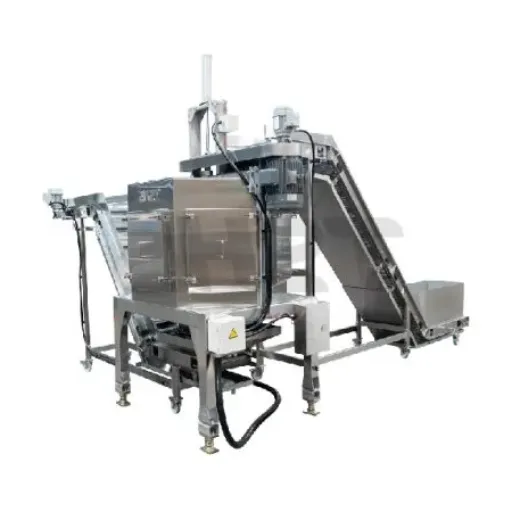
Sourcing Food Machinery from China: A Reliability Checklist for US Buyers

The process of importing food equipment from international markets creates a combination of exciting business possibilities and challenging operational difficulties for companies that need to import products from China. The world considers China to be a manufacturing center which provides food processing equipment at low prices to customers around the globe. The process of determining whether purchased equipment meets standards of reliability and quality and provides satisfactory value proves to be a challenging endeavor. The checklist provides US purchasers with essential steps which they need to follow in order to make informed decisions that will lead to their confidence about their decisions. We provide practical solutions which guide you through supplier evaluation processes and US regulation approval procedures so you can successfully acquire machinery that matches your business requirements.
Introduction to Food Processing Equipment
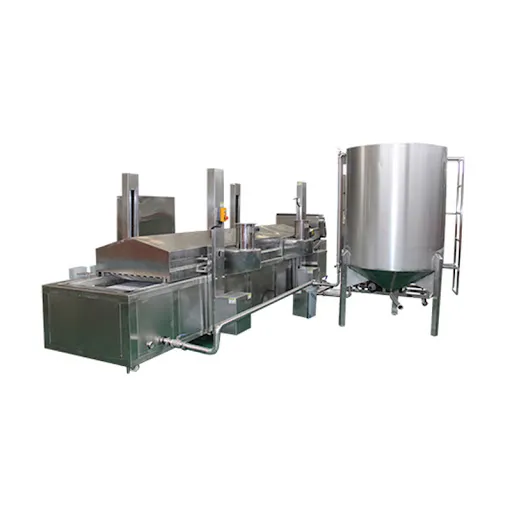
Current Trends in Industrial Food Processing
Automation and Smart Technologies
Food processing plants use automation to achieve better operational results because their production operations run smoothly while their labor costs decrease and their product quality remains unchanged. Through Internet of Things (IoT) and Artificial Intelligence (AI) capabilities smart technologies enable organizations to monitor equipment conditions and predict their upcoming maintenance needs while they enhance production efficiency. The global market for food processing technology will grow at a compound annual growth rate (CAGR) of 6.2% according to industry reports which forecast the market value to reach $79.3 billion by 2028.
Sustainability and Waste Reduction
Companies choose sustainability as their primary goal while they implement eco-friendly strategies which decrease both waste generation and carbon dioxide emissions. Organizations today show a strong need for equipment which boosts energy efficiency and promotes resource preservation and waste reduction capabilities. Businesses need to develop circular economy approaches for their waste materials because this research area has grown to become vital for sustainable product creation through waste material transformation into valuable products.
Clean-Label Processing
The demand for minimally processed foods which display their complete ingredient list has grown because consumers want to know more about food ingredients. Food processors are investing in equipment that enables gentle processing techniques which maintain the natural properties of ingredients while avoiding artificial additives and preservatives.
Rise of Plant-Based Foods
The plant-based food market has experienced rapid growth which has created a need for specific machinery that handles the processing of alternative proteins such as soy and pea and jackfruit. The system includes advanced equipment which enables extrusion and texturization and fermentation processes specifically designed for plant-based product manufacturing.
The Importance of Reliable Equipment
The food industry depends on reliable machinery because it helps maintain operational efficiency and ensures product safety and product quality control. The food processing market will reach $235 billion by 2028 which represents a market growth rate of 6.2% per year. The demand for reliable machinery has increased because food processing systems demand higher equipment reliability standards. Food processors need high-performing equipment because it helps them achieve essential business goals which include reducing downtime and increasing production capacity and decreasing their total operational expenses.
Equipment reliability also plays a vital role in maintaining strict food safety standards. The automated cleaning systems in processing equipment provide businesses with maximum hygienic standards while decreasing control over hazardous contamination. The implementation of artificial intelligence (AI) and Internet of Things (IoT) technologies enables organizations to conduct predictive maintenance operations. IoT-enabled systems monitor machine performance in real time which allows operators to receive alerts about upcoming problems that will lead to expensive equipment failures. Research from Deloitte shows that organizations using predictive maintenance can expect a 30-50% decrease in unplanned downtime while their equipment will last 20-40% longer.
Choosing the Right Manufacturer
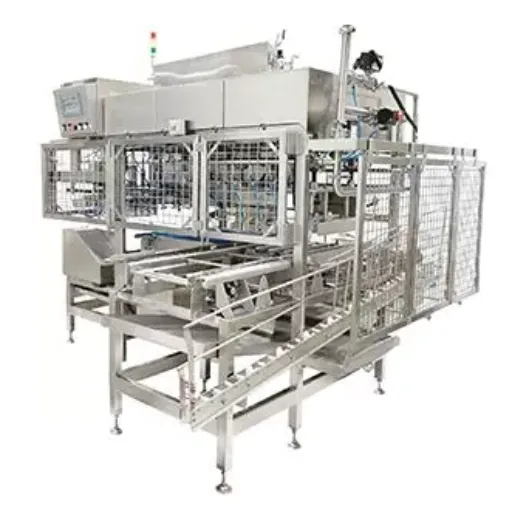
Identifying Qualified Food Machinery Manufacturers
The operational efficiency and product quality and regulatory compliance of food processing operations depend on their proper selection of a reliable food machinery manufacturing partner. The manufacturing partner evaluation process requires companies to verify both the industrial experience and safety certification standards of potential partners together with their ability to develop customized products and deliver customer support.
The manufacturer assessment process starts with their project execution history and their development of food processing machinery that meets specific operational requirements. The GEA Group and Marel and Bühler companies represent the top organizations because they provide innovative systems to help with food processing operations. The global food processing machinery market reached a value of about $61.5 billion in 2022 according to recent research and it will experience a 6.5% annual growth rate from 2023 through 2030. The increasing demand for advanced technology shows that organizations now require equipment which provides them with both operational efficiency and environmental sustainability.
Evaluating Manufacturer Credentials and Certifications
The process of choosing a manufacturer requires a review of their credentials and certifications because it establishes product quality and safety standards and regulatory compliance. The relevant certifications of manufacturers show their dedication to meeting industry standards and achieving regulatory compliance. The essential certifications to verify include ISO 22000 for food safety management and HACCP (Hazard Analysis and Critical Control Points) and GMP (Good Manufacturing Practices) which shows exceptional production standards.
The current search reveals that over 60% of top food processing manufacturers show their ISO 22000 certifications which prove their complete safety measures that extend from raw material acquisition to finished product delivery. Leading companies also maintain multiple sustainability certifications which include Rainforest Alliance and Fair Trade.
Assessing Food Processing Solutions
Innovative Machinery for Food Production
The food production industry undergoes rapid transformation because technological progress enables operators to achieve better efficiency and improved product quality and sustainable environmental practices. Modern food processing facilities achieve increased productivity through advanced machinery which enables them to fulfill demanding industry requirements.
Automated sorting systems use artificial intelligence (AI) technology to achieve accurate identification and removal of defective or contaminated food products with near-perfect precision. The recent data shows that these systems have the capacity to process 4,200 items every minute which leads to a significant decrease in waste while they achieve maximum production output. Advanced mixing and blending machines enable precise ingredient integration which food producers need to achieve consistent results throughout their large-scale production activities.
The deployment of robotic arms in packaging and assembly lines represents another significant technological advancement. These machines can handle delicate items more efficiently and consistently than manual labor which decreases product damage while they enhance the speed of their work. The global food robotics market will reach a market value of $4.0 billion by 2026 according to a report from MarketsandMarkets which projects a compound annual growth rate of 12.5% during this period.
Customization Options for Industrial Food Processing Equipment
Production Equipment Design
The equipment design needs to handle both small-scale niche market production and large-scale mass production operations. Manufacturers create their products with modular design systems which enable them to increase production capacity through simple upgrades of their existing systems.
Material Selection and Building Styles
Food producers use customization to choose materials which meet hygiene requirements and maintain functionality at high temperatures and show resistance to corrosion. The common material used in corrosive environments is 316-grade stainless steel because it provides durability and meets food safety requirements.
Automation Technology Implementation
The equipment system can be upgraded with advanced automation functionality which includes programmable logic controllers and real-time monitoring systems. Automation adoption in the food processing sector will increase at 9.5% annual growth rate until 2030 according to recent reports which will enhance both operational productivity and precision within the industry.
Specialized Equipment Functions
The machines use specific slicing and dicing and mixing and packaging tools which manufacturers designed to match the characteristics of different products like bakery items and frozen goods and snack foods. Infrared technology functions as a baking and drying process control system which ensures that all products achieve identical results during their baking and drying phases.
Energy Efficiency Solutions
The equipment operates with energy-efficient design because its motor optimization and heat recovery system implementation follow sustainable industry practices. Energy-efficient machinery enables users to save up to 20% of their power consumption which creates both environmental benefits and financial savings.
Compliance and Safety Standards in Food Machinery
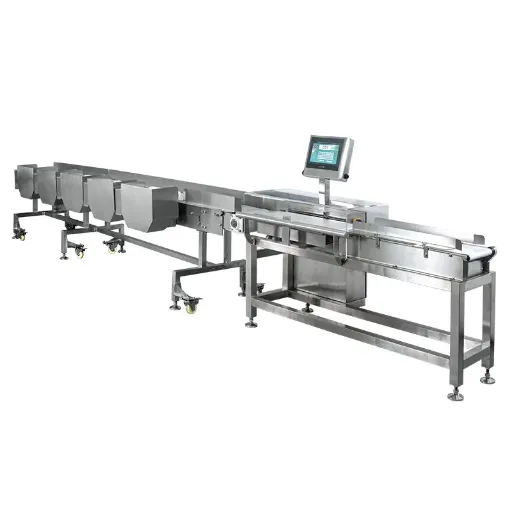
Understanding Regulatory Requirements
All regulatory standards need to be fulfilled because they represent the fundamental requirement which maintains operational success. The food safety regulations establish guidelines which protect food products from unsafe consumption while keeping human health safe and producing consistent product quality across the entire industry. The U. S. Food and Drug Administration (FDA) and the European Food Safety Authority (EFSA) create compulsory standards which manufacturers must implement for their hygiene operations and material use and overall business activities.
The FDA’s Current Good Manufacturing Practices CGMPs require food machinery design and maintenance to meet specific cleaning needs which help avoid contamination through equipment design that supports easy cleaning. The EFSA requires organizations to follow specific safety standards which include Regulation EC No 19352004 that specifies all food-contact materials and machinery elements must be safe and not change food products. The recent industry reports demonstrate that non-compliance with industry standards leads to severe penalties because it results in million-dollar fines and major production process interruptions.
Importance of Safety in Food Processing Machinery
The safety functions of food processing machines serve as essential protection measures which maintain product quality while safeguarding the health of workers who use these machines. Food processing facilities must implement strict safety standards because these standards protect against all possible contamination modes and worker injuries and equipment breakdowns. The Global Food Machinery Association report from 2023 shows that about 62 percent of food safety incidents occur because workers operate equipment incorrectly and machines lack proper maintenance.
Organizations now allocate their resources to purchase advanced machinery which includes safety components that feature automated shut-off systems and hygiene-friendly designs and real-time monitoring technologies. All machines that meet ISO 14159 standards achieve effective cleaning processes which minimize bacteri- contamination risk.
Building a Reliable Supply Chain
Evaluating Supplier Relationships
The establishment of strong supplier connections serves as an essential requirement for maintaining a dependable and effective supply chain. Recent data shows that companies which maintain active partnerships with their suppliers experience a 23 percent increase in on-time delivery performance and a 17 percent decrease in supply chain expenses. The process of assessing supplier relationships requires the examination of essential performance indicators which include delivery performance and quality standards and regulatory compliance and capacity to handle demand fluctuations.
The organization can boost its supplier relationships through digital tool implementation which promotes better communication and supplier transparency. Businesses can use platforms that provide real-time data sharing and predictive analytics to detect upcoming disruptions and create solutions before problems arise. The market now prefers suppliers who focus on sustainable practices and follow ESG principles because these practices meet customer demands and current environmental regulations. These relationship improvements create stable production processes which drive innovation and establish sustainable progress for the food processing sector.
Lifecycle Considerations for Food Machinery
Design and Production
The creation of energy-efficient machinery needs to focus on producing machines that will last through their entire operational lifetime. Current industrial research shows that modular machinery designs have gained popularity because they enable users to perform system upgrades and equipment maintenance without creating waste and work interruptions. The development of new materials which include corrosion-resistant alloys and hygienic stainless steel will improve sanitation standards while extending the operational life of equipment.
Maintenance and Repairs
Organizations can achieve cost reductions through predictive maintenance implementation while they protect themselves from unexpected system failures. Predictive maintenance techniques which include vibration analysis and infrared thermography studies show that they can help organizations save between 20 to 25 percent of their maintenance costs. The organization needs to keep spare parts available while scheduling maintenance work in order to sustain operational efficiency.
End-of-Life Management
The sustainable development of food machinery depends on responsible decommissioning practices. Metal components should be recycled and repurposed because this process will decrease environmental damage. Environmental studies show that approximately 60% of waste can be prevented through equipment disassembly which enables parts to be reused.
Reference Sources
- Innovation as a Determinant of Suppliers’ Roles and Performances: An Empirical Study in the Food Machinery Industry
- Key Findings: This study highlights the critical role of innovation in shaping supplier performance and roles within the food machinery industry. It emphasizes the importance of innovation during product development and manufacturing stages.
- Methodology: The research involved empirical analysis of suppliers in the food packaging machinery sector, focusing on their innovation practices and performance outcomes.
- An Empirical Investigation of Innovation Determinants in Food Machinery Enterprises
- Key Findings: This paper identifies key factors driving innovation in food machinery enterprises, such as research and development efforts and industry collaborations.
- Methodology: The study utilized data from food and beverage machinery manufacturers, including annual exhibitions and industry databases, to analyze innovation determinants.
- Develop the Food Equipment Manufacturing Industry to Support the Development of the Food Industry
- Key Findings: This research discusses the interdependence between the food equipment manufacturing industry and the broader food industry, highlighting advancements in functional food, modern dairy, and food safety technologies.
- Methodology: The study reviews industry revenue data and examines the impact of food machinery innovations on the development of the food industry.
Frequently Asked Questions (FAQs)
What advantages does a partner food machinery manufacturer bring to my production line operations?
The partner food machinery manufacturer will assess your production capacity and facility design to provide equipment and automation system recommendations which will enhance workflow efficiency while decreasing manual work and increasing operational efficiency. The manufacturer provides custom industrial food solutions together with material handling systems and equipment which meets stringent safety and hygiene requirements to create production lines that handle meat processing and poultry processing and pet food production and pasta manufacturing and other product lines to boost operational efficiency while eliminating production problems.
What advantages does an engineer-led supplier bring to clients who require complex food manufacturing equipment solutions?
The engineer-led supplier provides technical knowledge which enables them to create customized product designs and build solutions that match your needs. The equipment designers create system components which include cookers and portioners and conveyors and packaging machines to work seamlessly with current systems which will enhance operational efficiency and enable automated systems that increase production capacity while maintaining food quality standards.
What innovation in packaging and material handling should food processors expect from a manufacturer?
The top food machinery manufacturers bring packaging and material handling and automation innovations which minimize waste while increasing operational speed. The industry will see advancements that include servo-driven portioning systems and sanitary conveyors and flexible packaging solutions and integrated vision inspection systems which will enhance yield and reduce labor expenses and simplify production-to-packaging transitions for various products.
How does a manufacturer ensure sanitary design and meet strict food safety requirements?
Manufacturers achieve sanitary design through the use of hygienic materials and stainless-steel equipment and smooth weld connections and design elements which facilitate easy cleaning. The equipment design process includes the establishment of safety and sanitary requirements which the team will meet through the production of documentation for compliance verification.