
Modified Starch Applications by Industry: Complete 2026 Guide

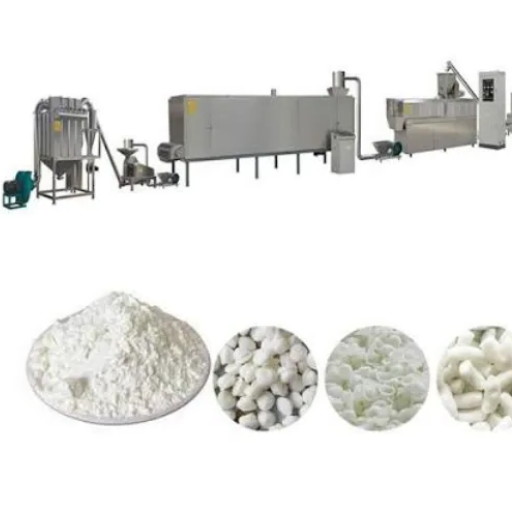
The uses of modified starch span food, pharmaceuticals, paper, textiles, oil drilling, construction, cosmetics, and agriculture, improving texture, stability, binding, and shelf life. The right modified starch for each application depends on the modification method — physical, chemical, or enzymatic — and the production equipment that delivers it.
What if the ingredient stabilizing your salad dressing, the coating on your paper packaging, and the binder in your drilling fluid all came from the same raw material? That is the reality of modified starch. Food manufacturers, industrial processors, and procurement teams need more than a generic definition. They need to know which starch performs best in each setting, why it works, and how it is produced at scale.
In this guide, you will learn the most important modified starch applications by industry, the properties that matter for each use, and how modern production equipment turns native starch into a high-performance ingredient. Whether you are formulating a new product, sourcing ingredients, or planning a modified starch production line, this article gives you a practical map from raw material to end use.
Key Takeaways
- Modified starch is a 16.43billionglobalmarketin2025,projectedtoreach16.43billionglobalmarketin2025,projectedtoreach21.28 billion by 2034.
- Food applications dominate, but paper, pharmaceuticals, oil drilling, and construction are major industrial segments.
- Cross-linked, acetylated, hydroxypropylated, and pregelatinized starches each solve different functional problems.
- Physical and enzymatic modification is growing fastest as clean-label demand rises.
- Choosing the right starch requires matching application requirements to modification method and production equipment.
What Is Modified Starch and Why Is It Used?
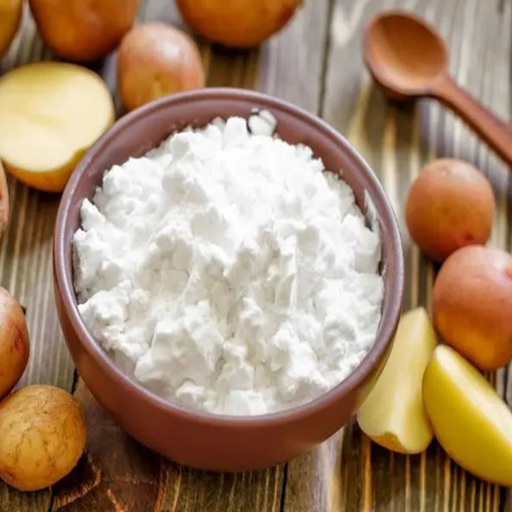
Modified starch starts as native starch extracted from corn, cassava, potato, wheat, or waxy maize. Through physical, chemical, or enzymatic treatment, its structure changes to improve performance under industrial conditions. Native starch thickens when heated and breaks down under acid, heat, or freezing. Modified starch keeps its viscosity, resists syneresis, and survives shear and retort processing.
The reasons for modification are practical. Across these modified starch applications, food processors need starches that stay stable in acidic salad dressings and survive freeze-thaw cycles in frozen meals. Paper mills need starches that strengthen sheets and improve printability. Oil drilling operations need starches that control fluid loss at high temperature and pressure. Each application demands a specific set of properties, and modification delivers them.
Three main approaches dominate production:
- Physical modification uses heat, moisture, pressure, or extrusion. Pregelatinized starch is the most common example.
- Chemical modification uses reagents such as acids, oxidizers, esterifiers, or etherifiers. Cross-linked and acetylated starches fall into this group.
- Enzymatic modification uses enzymes like alpha-amylase to adjust viscosity, sweetness, or digestibility.
The choice of method determines the final product. A starch made for instant noodles needs elasticity and low retrogradation. A starch made for oil drilling needs high thermal stability and water solubility. Understanding these differences is the first step in choosing the right modified starch production line configuration.
If you want a deeper look at how these methods work, read our modified starch manufacturing process guide.
Modified Starch Applications in the Food Industry
Food is the largest application segment for modified starch. Modified starch in the food industry accounts for roughly 74% of the food starch market, appearing in sauces, soups, bakery items, dairy, meat, snacks, instant noodles, pet food, frozen meals, and beverages.
Sauces, Soups, Dressings, and Gravies
In liquid and semi-liquid foods, modified starch acts as a thickener, stabilizer, and emulsifier. Cross-linked starches resist breakdown from heat, acid, and shear. This matters in tomato-based pasta sauces, mayonnaise, and salad dressings that must stay smooth after pasteurization and months on a shelf.
Acetylated distarch phosphate (E1414), hydroxypropyl distarch phosphate (E1442), and starch sodium octenyl succinate (E1450) are common choices. They prevent syneresis, the weeping of liquid from a gel, which would otherwise make a sauce look unappealing.
Bakery and Confectionery
Bakers use modified starch to control moisture, extend shelf life, and improve dough handling. In gluten-free bread, modified starch helps replace the structure that gluten normally provides. In cakes and pastries, it improves crumb softness and reduces staling.
Pregelatinized and cook-up starches are popular in cake mixes, muffin batters, and pie fillings. They absorb water quickly and create a uniform texture without long mixing times.
Dairy and Desserts
Ice cream, puddings, yogurt, and cream fillings rely on modified starch for a creamy mouthfeel and freeze-thaw stability. Hydroxypropylated starches resist ice crystal formation, which keeps ice cream smooth after temperature fluctuations during storage and transport.
In low-fat dairy products, modified starch can partially replace fat while maintaining richness. This helps manufacturers meet consumer demand for healthier formulations without sacrificing texture.
Processed Meat and Seafood
Modified starch binds water, improves texture, and acts as a filler in sausages, meatballs, surimi, and canned meat products. Cross-linked phosphated starches hold moisture through cooking, smoking, and retort sterilization. The result is a juicier product with better bite and less shrinkage.
For processors running high-speed production lines, the right starch also improves machinability. It keeps emulsions stable during chopping, stuffing, and slicing.
Snacks and Extruded Products
Extruded snacks depend heavily on modified starch for expansion, crispiness, and texture. Pregelatinized tapioca starches improve puffing ability and create a light, crispy structure. Cook-up starches enhance expansion and reduce oil uptake during frying.
This is where food extrusion solutions become critical. A twin-screw extruder can gelatinize and modify starch in a single continuous pass, producing pregelatinized starch or directly shaping snack products. The screw configuration, barrel temperature, and moisture content determine the final texture and functional properties.
Instant Noodles and Pasta
Instant noodle manufacturers use modified starch to improve elasticity, reduce stickiness, and shorten cooking time. Acetylated starch (E1420) lowers gelatinization temperature and improves water absorption. Distarch phosphate (E1412) gives noodles a soft, elastic texture that holds up in hot broth.
For producers looking to scale, the right starch selection integrates directly with instant noodle production line design. Matching starch functionality to sheeting, steaming, and frying conditions improves yield and product consistency.
Pet Food
Modified starches provide structural support in dry kibble, semi-moist treats, wet chunks in gravy, and dental chews. They bind ingredients, improve extrusion stability, and create the right texture after retort processing. Cross-linked and substituted starches tolerate the heat, shear, and acid conditions common in pet food production.
According to Pet Food Processing, starches are increasingly used to support texture and processability in premium pet food formulations. A well-configured pet food production line can leverage these starches to produce consistent kibble with controlled expansion and density.
Mini-Story: The Sauce Separation Problem
Li Wei managed a sauce plant in Shandong that produced garlic chili sauce for export. Every summer, batches separated after three weeks in storage, forcing recalls and reprocessing. His team tested a cross-linked acetylated starch and adjusted the pasteurization profile. Within two production cycles, separation dropped by 90%, and shelf life extended from three weeks to six months. The fix was not a new recipe. It was the right modified starch matched to the process.
Frozen and Ready Meals
Frozen foods challenge native starch because ice crystals damage starch granules during thawing. Modified starches with freeze-thaw stability maintain sauce viscosity and prevent water pooling. This is essential for frozen lasagna, stir-fry kits, and microwaveable meals.
Beverages
In beverages, modified starch stabilizes pulp, clouds citrus drinks, and improves mouthfeel. It also encapsulates flavors, vitamins, and colors, protecting sensitive ingredients during processing and storage.
Modified Starch Applications in Pharmaceuticals
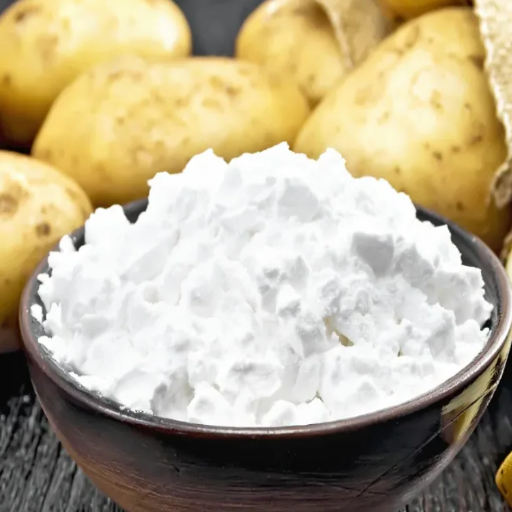
Pharmaceutical manufacturers rely on modified starch in pharmaceuticals as an excipient, binder, disintegrant, filler, and controlled-release agent. In making tablets, starch assists in forming solids from powders which can then be disintegrated rapidly in the digestive system.
Sodium starch glycolate is an extensively used superdisintegrant. It swells on contact with water, helping tablets dissolve rapidly. Modified starches also serve as diluents in capsules and as carriers for active ingredients in sustained-release formulations.
The requirements here are strict. Pharmaceutical starches must meet pharmacopeial standards for purity, particle size, and microbial limits. Production equipment must support clean, validated manufacturing processes with full traceability.
Modified Starch Applications in Paper, Packaging, and Textiles
Paper and Packaging
Modified starch in the paper industry is one of the largest non-food applications. Cationic and oxidized starches improve paper strength, surface sizing, and printability. They bind fibers in the wet end, reduce dusting, and create smoother coatings for high-quality printing.
Corrugated board adhesives also rely on modified starch. Pregelatinized starch mixed with native starch creates a fast-setting adhesive that bonds linerboard and fluting at high production speeds.
Emerging applications include biodegradable packaging films. Modified starch can form flexible, water-resistant films that replace synthetic plastics in some food service and agricultural uses.
Textiles
In textile manufacturing, modified starch sizes warp yarns to prevent breakage during weaving. It forms a protective film around fibers, improving weaving efficiency and reducing loom stops. After weaving, the size is usually washed out and can sometimes be recovered.
Textile starches need stable viscosity under high shear and good film-forming properties. Oxidized and enzyme-converted starches are common choices.
Mini-Story: The Paper Mill Upgrade
Maria worked at a packaging supplier near São Paulo that struggled with sheet strength on a new recycled-paper grade. The fibers were shorter and produced more dust. Her team added a cationic modified starch to the wet end and saw tensile strength improve by 18% within a week. Downtime from web breaks fell, and customers accepted the recycled grade for premium corrugated boxes.
Modified Starch Applications in Oil, Gas, Construction, and Adhesives
Oil and Gas Drilling
Modified starch controls fluid loss in water-based drilling fluids. When pumped downhole, drilling mud must maintain viscosity and seal permeable formations. High-temperature, high-pressure conditions break down ordinary starch, so modified starches with high water solubility and thermal stability are required.
Extruded pregelatinized starches are often used because they dissolve quickly and create a consistent filter cake. The production equipment for these starches must control water absorption index (WAI) and water solubility index (WSI) precisely.
Construction and Adhesives
Modified starch appears in tile adhesives, putty powders, gypsum board, and wood adhesives. It improves workability, open time, and adhesion. In gypsum board, starch binds the gypsum core to the paper facing. In wallpaper paste and carton sealing, modified starch provides a strong, economical bond.
Industrial-grade modified starches for these markets do not need food-grade certification, but they do require consistent viscosity, particle size, and moisture content. A reliable food production line approach, adapted for industrial starch, helps maintain batch-to-batch consistency.
Modified Starch Applications in Cosmetics and Personal Care
In cosmetics, modified starch functions as a thickener, oil absorbent, emulsion stabilizer, and texture enhancer. It appears in lotions, creams, sunscreens, dry shampoos, face powders, and deodorants.
Aluminum starch octenylsuccinate is a common oil-absorbing ingredient that gives makeup a matte finish. Modified corn and tapioca starches improve spreadability and provide a silky skin feel without greasiness.
These applications demand high purity, fine particle size, and mild processing conditions. Physical modification methods are often preferred to meet clean-label and natural-positioning requirements.
Emerging and Clean-Label Applications
Consumer demand for clean labels is reshaping the modified starch market, and clean label modified starch is growing faster than chemically modified alternatives. Physically and enzymatically modified starches avoid E-number labels and chemical-sounding ingredient names.
Plant-Based and Alternative Proteins
Plant-based meat and dairy alternatives use modified starch to mimic the texture of animal proteins. It provides juiciness, bite, and fat-like mouthfeel in vegan burgers, sausages, and cheese alternatives. Clean-label functional native starches are particularly popular in this segment.
Resistant and Prebiotic Starches
Resistant starch resists digestion in the small intestine and acts as a prebiotic fiber in the colon. Modified resistant starches support digestive health claims and can replace flour in high-fiber baked goods and pasta.
Biodegradable and Edible Packaging
Modified starch films are being developed as edible coatings for fruits, biodegradable food trays, and compostable packaging. These applications address plastic waste concerns while leveraging starch’s film-forming and barrier properties.
3D Food Printing
In 3D food printing, modified starch adjusts viscosity, gel strength, and printability. It helps printed foods hold their shape after extrusion and during post-printing cooking or drying.
Mini-Story: The Clean-Label Pet Treat Pivot
Ahmed ran a pet food facility in Istanbul that wanted to remove modified food starch from its ingredient list for a premium retail launch. His R&D team switched to a physically modified functional native tapioca starch. The new starch performed almost identically to the cross-linked version in extrusion and retort trials. The product launched with a shorter, cleaner label, and first-year sales exceeded projections by 30%.
How to Choose the Right Modified Starch for Your Application
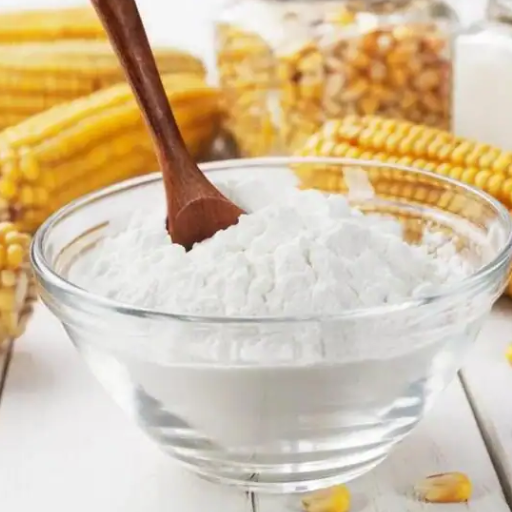
Choosing the right modified starch means matching end-use requirements to starch properties, modification method, and production equipment. Here is a simple decision framework:
| Application | Key Property Needed | Common Modification | Typical Equipment |
|---|---|---|---|
| Sauces and dressings | Heat and acid stability | Cross-linked, acetylated | Reactor or extrusion line |
| Instant noodles | Elasticity, low retrogradation | Acetylated, phosphated | Extrusion-compatible starch line |
| Extruded snacks | Expansion, crispiness | Pregelatinized | Twin-screw extrusion line |
| Pet food | Binding, retort stability | Cross-linked, substituted | Extrusion or reactor line |
| Paper sizing | Strength, printability | Cationic, oxidized | Reactor and drying line |
| Oil drilling | Thermal stability, high WSI | Pregelatinized | Twin-screw extrusion line |
| Pharmaceuticals | Purity, disintegration | Pregelatinized, sodium starch glycolate | Validated reactor and dryer |
If you are planning production at scale, the equipment choice matters as much as the chemistry. A pregelatinized starch production line uses extrusion or drum drying to create cold-water-soluble starches. A chemical modification line uses reactors, neutralization vessels, and washing systems. The wrong configuration leads to off-spec viscosity, poor solubility, or inconsistent quality.
Want to see how the right equipment configuration matches your target application? Contact our team for a process review and customized line proposal.
FAQ
What is modified starch used for?
Modified starch is used to thicken, stabilize, bind, gel, emulsify, and texturize products across food, pharmaceuticals, paper, textiles, oil drilling, construction, cosmetics, and agriculture.
Is modified starch safe to eat?
Yes. Food-grade modified starches approved by regulators such as the FDA and EFSA are generally recognized as safe when used within regulated limits.
Is modified starch gluten-free?
It depends on the source. Starches from corn, potato, or tapioca are naturally gluten-free. Wheat-derived modified starch may contain traces of gluten.
Which industries use the most modified starch?
Food and beverage is the largest segment for modified starch applications, followed by paper and packaging, textiles, pharmaceuticals, oil drilling, and construction.
What modified starch is best for sauces?
Cross-linked acetylated distarch phosphate (E1414) and hydroxypropyl distarch phosphate (E1442) work well in sauces because they resist heat, acid, and shear.
What is the difference between native and modified starch?
Native starch is extracted directly from plants. Modified starch has been treated physically, chemically, or enzymatically to improve functionality for specific applications.
Can modified starch be used in clean-label products?
Yes. Physically and enzymatically modified starches, as well as functional native starches, can support clean-label and label-friendly formulations.
Conclusion
Modified starch applications stretch far beyond the food industry. From stabilizing salad dressings and strengthening paperboard to controlling fluid loss in oil wells and binding pet food kibble, modified starch solves real production challenges across dozens of sectors.
The global market continues to grow, driven by clean-label trends, plant-based formulations, and industrial demand in Asia-Pacific. Success comes from matching the right starch type and modification method to each application, then backing it with production equipment that delivers consistent quality.
Ready to produce modified starch for your market? Shandong Loyal Industrial Co., Ltd. designs tailored food extrusion solutions and complete modified starch production lines for food and industrial applications. Request a quote today and let our team recommend the right configuration for your product goals.