
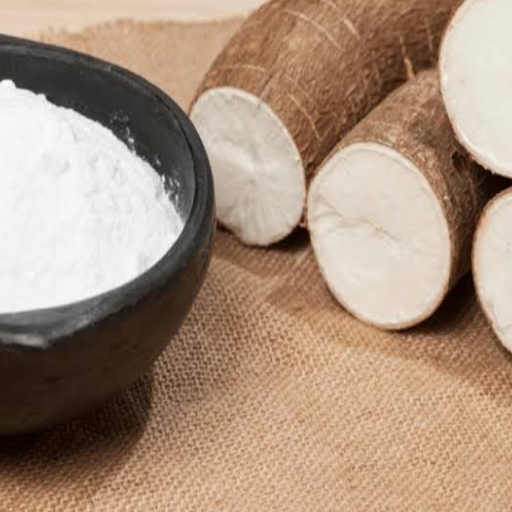
Modified Starch Quality Control: Methods & Standards

Modified starch quality control is the systematic testing of physical, chemical, functional, and safety properties at every stage of production, from incoming raw starch to finished batch release. Done well, it guarantees that each lot performs consistently in its target application, whether that is thickening an instant sauce, binding a pet food extrudate, or stabilizing an oil-drilling fluid.
What makes quality control tricky is that “good” means different things for different end uses. A starch that works beautifully in snack expansion may fail in a retorted gravy. That is why the best producers do not rely on a single test; they run a structured protocol aligned to the modification method, the customer specification, and the relevant regulatory standard.
In this guide, you will learn the key quality control parameters for modified starch, the test methods used to measure them, typical target ranges, a stage-by-stage QC checklist, and the standards that separate food-grade from industrial-grade production. You will also see how the right production equipment makes consistent quality far easier to achieve.
Key Takeaways
- Modified starch quality control covers physical, chemical, functional, and microbiological testing from raw material to batch release.
- The most critical parameters are moisture, degree of substitution (DS), viscosity, WAI/WSI, particle size, pH, residual reagents, and microbial load.
- Food-grade modified starch must meet FDA, EU, Codex, and ISO limits; industrial grades prioritize functional performance over purity.
- A stage-by-stage QC checklist prevents defects before they become expensive batch failures.
- Precise extrusion and drying equipment with inline sensors reduces variability and supports repeatable quality.
What Is Modified Starch Quality Control?
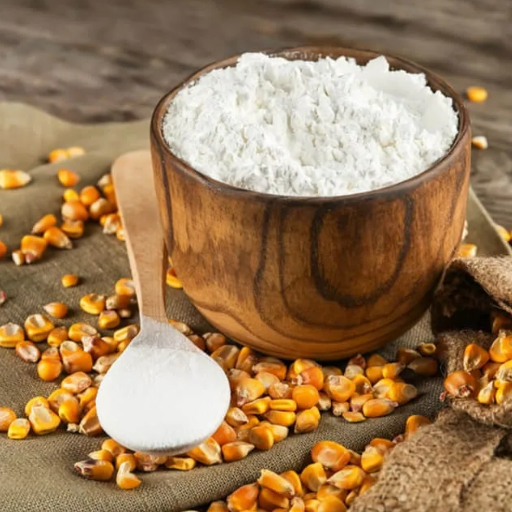
Modified starch quality control is the set of inspections, analyses, and documentation steps used to confirm that a modified starch batch meets its intended specification. It starts when raw starch arrives at the plant and continues through every production step until the finished product is released.
The goal is simple but demanding: every batch should behave the same way when a customer uses it. In practice, that means controlling:
- Identity and purity: Is the starch source correct and free of contamination?
- Functional performance: Does it thicken, gel, bind, or swell as expected?
- Chemical consistency: Is the degree of modification within tolerance?
- Safety: Are microbiological and chemical residues within regulatory limits?
- Documentation: Can the batch be traced from raw material to finished goods?
A strong quality program protects both the producer and the buyer. For the producer, it reduces rework, complaints, and recalls. For the buyer, it means predictable performance in their own process.
If you are new to starch modification, start with the difference between native and modified starch. Our guide on modified starch vs native starch explains why modification changes the rules for quality testing in the first place.
Key Quality Control Parameters for Modified Starch
No single number tells the whole story. Modified starch quality control usually groups parameters into physical/chemical, functional, and safety categories. The exact tests you run depend on the modification method and the final application.
Physical and Chemical Properties
These parameters describe the basic condition of the powder:
- Moisture content: Typically targeted at 8–14%, with many food grades centered around 10–14%. High moisture encourages microbial growth and caking; low moisture can create dust and handling problems.
- pH: Food-grade modified starches usually fall in the 3.0–9.0 range, depending on the modification type and source.
- Ash / sulphated ash: Indicates mineral residue and process purity.
- Color and appearance: Should be white to cream, free-flowing, and free of foreign particles or off-odors.
- Particle size distribution: Common ranges are 60–120 mesh; instant starches may require 100–200 mesh for faster hydration.
Functional Properties
These tests predict how the starch will behave in the customer’s process:
- Viscosity: Measured with a Brookfield viscometer, Brabender Amylograph, or Rapid Visco Analyzer (RVA). The viscosity curve reveals how the starch responds to heating, shear, and cooling.
- Water Absorption Index (WAI): The amount of water the starch absorbs under controlled conditions. Important for extruded and pregelatinized starches.
- Water Solubility Index (WSI): The percentage of starch that dissolves in water. High WSI is critical for instant applications and some industrial uses such as oil-drilling fluid-loss control.
- Degree of Substitution (DS): For chemically modified starches, DS measures how many hydroxyl groups have been replaced. A typical tolerance is ±0.02.
- Pasting profile / gelatinization behavior: Describes how the starch swells, breaks down, and sets back during heating and cooling.
Safety and Purity Properties
Food-grade starches must pass stricter safety tests than industrial grades:
- Residual reagents: Vinyl acetate, propylene chlorohydrin, adipate, octenyl succinate, and acetyl groups must remain within regulatory limits.
- Heavy metals: Lead is commonly limited to ≤0.2 mg/kg dry weight; iron and manganese may also be specified.
- Sulfur dioxide: Modified cereal starches are typically limited to ≤50 mg/kg; other modified starches often ≤10 mg/kg.
- Microbiological load: Common food-grade limits include aerobic plate count ≤1,000 CFU/g, yeasts and molds ≤1,000 CFU/g, and total coliforms ≤10 CFU/g.
| Parameter | Typical Method | Common Target Range |
|---|---|---|
| Moisture | Oven drying at 130°C (ISO 1666) | 8–14% |
| pH | pH meter | 3.0–9.0 |
| Viscosity | RVA, Brabender, Brookfield | Customer-specific |
| WAI / WSI | Centrifugation method | Application-specific |
| Degree of Substitution | Titrimetric / potentiometric | ±0.02 of target |
| Particle size | Sieving / laser diffraction | 60–120 mesh |
| Sulfur dioxide | Monier-Williams / titration | ≤10–50 mg/kg |
| Lead | Atomic absorption | ≤0.2 mg/kg |
| Aerobic plate count | Plate count | ≤1,000 CFU/g |
Modified Starch Quality Control: Testing Methods Explained

Knowing which parameters to test is only half of modified starch quality control. The other half is choosing the right method and running it consistently.
Moisture Content Analysis
The classic approach is oven drying at 130°C to constant weight. A moisture analyzer with infrared or halogen heating gives faster results and is useful for in-process checks. Inline near-infrared (NIR) sensors can monitor moisture continuously at the dryer outlet, which helps operators catch drift before a full batch goes off-spec.
Mini-story: Maria runs quality control at a pregelatinized starch plant in Vietnam. Last year, her team switched from lab-only moisture testing to an inline NIR sensor at the fluid-bed dryer discharge. Dryer-outlet moisture variation dropped from ±1.8% to ±0.6%, and the number of rejected lots fell by nearly half in the first quarter.
Modified Starch Viscosity Testing and Pasting Profile
The Rapid Visco Analyzer (RVA) is the workhorse of starch quality labs. It measures viscosity as a starch slurry is heated, held, cooled, and sheared. The resulting curve shows:
- Peak viscosity: maximum swelling capacity
- Trough viscosity: stability under shear
- Breakdown: susceptibility to thinning
- Setback: tendency to retrograde or gel on cooling
A snack producer and a sauce manufacturer may need very different RVA profiles, so customer specifications should drive the target.
Degree of Substitution Measurement
For esterified or etherified starches, degree of substitution starch testing determines how extensively the starch has been modified. The most common methods are titrimetric: the modified starch is saponified or hydrolyzed, and the released acid or functional group is titrated. Potentiometric titration improves accuracy for samples with weak acid groups.
Because DS directly links to functional behavior, many producers set a tight tolerance. Missing the DS target by even 0.03 can change viscosity by 20% or more in some systems.
WAI WSI Modified Starch Testing
Water Absorption Index and Water Solubility Index are especially important for extruded and pregelatinized starches. A weighed sample is dispersed in water, heated if needed, and centrifuged. The sediment is weighed for WAI, and the dissolved solids in the supernatant are measured for WSI.
These two numbers together tell you whether the starch will hydrate quickly in cold water or form a stable gel under shear. Instant noodle and instant soup producers pay close attention to both.
If you want to understand how extrusion settings influence these numbers, our guide on the modified starch manufacturing process maps process parameters to quality outcomes.
Residual Reagent and Purity Testing
Chemical modifications leave trace residues that must be monitored. Common methods include:
- Vinyl acetate: headspace gas chromatography
- Propylene chlorohydrin: GC with extraction and cleanup
- Hydroxypropyl groups: spectrophotometric ninhydrin method
- Octenyl succinate residues: HPLC-UV after derivatization
- Adipate groups: GC after silylation
These tests require trained analysts and validated methods, but they are non-negotiable for food-grade certification.
Modified Starch Quality Control Checklist by Production Stage
A practical QC program breaks the production process into stages and assigns tests to each. Here is a framework you can adapt to your own operation.
Incoming Raw Material Inspection
Before any starch enters the process, verify:
- Starch source identity (corn, cassava/tapioca, potato, wheat, waxy maize)
- Moisture content against supplier certificate
- Purity and absence of foreign matter
- Microbiological baseline for sensitive applications
- GMO or non-GMO status where required
- Supplier Certificate of Analysis (CoA)
The raw material is the foundation. A bad starting starch will rarely be fixed later, no matter how precise the modification equipment.
Our article on starch raw materials selection explains how amylose/amylopectin ratios affect final quality and why source matters.
In-Process Control Points
During modification, monitor the variables that determine the final result:
- Temperature profile (PT100 probes, PID control)
- pH (with automatic temperature compensation)
- Reaction time or residence time
- Reagent dosing accuracy (Coriolis mass flow meters, metering pumps)
- Screw speed, feed rate, and pressure (for extrusion)
- Inline viscosity or moisture sensors where installed
- Visual checks for color and odor
Automated dosing and sensor feedback make a measurable difference. Manual dosing can easily drift ±2–3%; a closed-loop metering system can hold reagent ratios within ±0.5%.
CTA: Want tighter control over your modified starch process? Explore our food extrusion solutions with PLC-controlled temperature, pressure, and dosing for repeatable batch quality.
Finished Product Testing
Before release, test each batch for:
- Moisture content
- pH
- Viscosity / RVA profile
- WAI and WSI (for instant or extruded starches)
- Degree of Substitution (for chemically modified starches)
- Particle size distribution
- Color, odor, and appearance
- Residual reagents and heavy metals (food-grade)
- Microbiological load (food-grade)
Batch Release Documentation
A batch should not ship without:
- Complete batch production record
- Internal Certificate of Analysis
- Traceability link from raw material lot to finished goods
- Certification verification (ISO, HACCP, HALAL, KOSHER, Non-GMO if claimed)
- Signed release approval
Food-Grade vs Industrial-Grade Quality Standards
Not all modified starch has to meet food-grade purity. The modified starch quality control standard you apply depends on the end use.
Food Grade Modified Starch Standards
Food-grade modified starch must be produced under conditions that protect consumer safety. That means:
- Food-safe stainless steel (304 or 316) on all product-contact surfaces
- Reagent residues within FDA 21 CFR and EU food additive limits
- HACCP, GMP, and often FSSC 22000 or ISO 22000 food safety systems
- Lot traceability and recall readiness
- HALAL, KOSHER, and Non-GMO certifications where markets require them
The European Commission issued a call in April 2024 for business operators to submit technical data on permitted modified starches (E 1404 through E 1452) to support EFSA re-evaluation. This is a reminder that regulatory expectations for food-grade modified starch continue to tighten.
Industrial-Grade Considerations
Industrial applications such as paper sizing, textile sizing, oil drilling, and construction adhesives focus mainly on functional performance. Purity limits are usually less strict, but the starch must still meet the customer’s viscosity, solids, and performance specifications.
| Aspect | Food-Grade | Industrial-Grade |
|---|---|---|
| Contact surfaces | Food-safe SS 304/316 | Standard steel acceptable |
| Residue limits | FDA / EU / Codex | Customer-defined |
| Microbiology | Strict limits | Often not required |
| Certifications | HACCP, ISO, HALAL, KOSHER | ISO 9001 often sufficient |
| Traceability | Full lot tracking | Batch records |
| Main driver | Safety + function | Function + cost |
Regulatory Standards and Certifications for Modified Starch
Modified starch quality control does not happen in a vacuum. Several standards bodies define the analytical methods and purity limits that producers and buyers reference.
ISO/TC 93, Starch Standards
The International Organization for Standardization maintains ISO/TC 93, which covers terminology, sampling, and analysis of starch and its derivatives. Subcommittee ISO/TC 93/SC 2 specifically addresses modified starches. Key methods include:
- ISO 1666: moisture content
- ISO 5809: sulphated ash
- ISO 5377: dextrose equivalent
FAO/WHO and Codex
The FAO/WHO summary for modified starches provides purity specifications including pH, loss on drying, lead, sulfur dioxide, and microbiological criteria. These form the baseline for many national food additive regulations.
FDA 21 CFR
In the United States, modified food starch is regulated under 21 CFR, with specifications for identity, purity, and use levels. Each modification type has its own regulatory limits.
USP/NF Pharmacopeial Standards
Pharmaceutical-grade modified starch must meet USP or NF monograph requirements, including limits on iron, oxidizing substances, and sulfur dioxide.
For a deeper look at the equipment side of chemical modification, see our guide to chemical starch modification equipment.
Setting Up a Modified Starch QC Lab
A well-equipped QC lab turns modified starch quality control from guesswork into a repeatable system.
Essential Instruments
- Moisture analyzer
- Analytical balance
- pH meter with temperature compensation
- Viscometer or Rapid Visco Analyzer
- Particle size analyzer or sieve shaker
- Titration system for DS and purity tests
- Water bath and centrifuge for WAI/WSI
- Microbiology incubator and plating supplies
Sampling and Sample Preparation
Representative sampling is critical. A single scoop from the top of a drum may not reflect the whole batch. Use approved sampling plans, homogenize samples before testing, and store them in sealed containers away from heat and moisture.
Calibration and Method Validation
Every instrument needs a calibration schedule. Reference standards, control charts, and documented procedures ensure that a result obtained today can be compared with one from six months ago. Method validation is especially important when a customer specification references a specific standard.
Mini-story: At a corn starch modification plant in Shandong, the QC team noticed that two different technicians were getting different DS results for the same batch. The root cause was a pH meter that had drifted 0.15 units out of calibration. After implementing weekly calibration checks and a control sample with every run, the between-technician variation disappeared.
How to Read a Modified Starch Certificate of Analysis
A Certificate of Analysis is the buyer’s primary evidence that a batch meets specification. When reviewing a CoA, check the following:
- Test results: Are all requested parameters reported?
- Specification limits: Did each result fall within the agreed range?
- Batch or lot number: Does it match the shipment?
- Test methods: Were recognized standards used?
- Signatures and dates: Is the document authorized and current?
- Certification statements: Are HALAL, KOSHER, Non-GMO, or other claims supported?
Red flags include missing tests, out-of-spec results without explanatory notes, expired certificates, and vague method references such as “in-house” without validation details.
Common Quality Control Failures and Process Causes
Even good systems produce off-spec batches occasionally. The key is to connect the test result to the process cause quickly.
| QC Failure | Likely Process Cause | Corrective Action |
|---|---|---|
| Off-spec viscosity | Temperature, pH, or reagent deviation | Recalibrate sensors; tighten dosing tolerance |
| High final moisture | Inefficient drying or improper storage | Check dryer airflow, temperature, and residence time |
| Discoloration | Excessive temperature or metal contamination | Reduce peak temperature; inspect contact surfaces |
| Poor solubility | Incomplete modification or wrong raw material | Extend reaction time; verify starch source |
| High microbial count | Water quality or sanitation gap | Improve CIP; test process water |
| Off-target DS | Reagent ratio or reaction time error | Verify metering pump accuracy and batch timing |
Mini-story: A pet food producer in Thailand received a modified starch lot that looked fine but caused excessive expansion variation in their extruder. The WSI test showed the lot was 12% below the supplier’s stated range. When they shared the data, the supplier traced it to a steam-injection fault during pregelatinization. The incident led both companies to add WSI to every CoA, not just periodic testing.
Frequently Asked Questions
What is modified starch quality control?
Modified starch quality control is the systematic testing and documentation of physical, chemical, functional, and safety properties to ensure each batch meets its intended specification and regulatory requirements.
What are the main tests for modified starch?
The main tests include moisture content, pH, viscosity, degree of substitution, WAI/WSI, particle size, residual reagents, heavy metals, sulfur dioxide, and microbiological load.
What is the standard moisture content of modified starch?
Most modified starches target 8–14% moisture, with many food-grade specifications centered around 10–14%.
How is degree of substitution measured?
Degree of substitution is usually measured by titrimetric or potentiometric methods after saponifying or hydrolyzing the modified starch to release the functional groups.
What is the difference between WAI and WSI?
Water Absorption Index measures how much water the starch absorbs under controlled conditions. Water Solubility Index measures the percentage of starch that dissolves. Together they predict hydration and gelling behavior.
What certifications should a food-grade modified starch supplier have?
Common certifications include ISO 9001, HACCP, GMP, FSSC 22000, BRC, HALAL, KOSHER, and Non-GMO, depending on the market and application.
Is modified starch safe for food?
Yes, when produced within the purity limits set by FDA, EU, Codex, and other national regulations. Food-grade modified starches have been safely used for decades in a wide range of products.
What equipment is needed for a modified starch QC lab?
A basic lab needs a moisture analyzer, analytical balance, pH meter, viscometer or RVA, particle size analyzer, titration system, centrifuge, water bath, and microbiology incubator.
Conclusion
Modified starch quality control is not a single test at the end of the line. It is a continuous discipline that starts with raw material inspection, runs through every in-process control point, and finishes with documented batch release.
The most successful producers focus on the parameters that matter for their customers: moisture, viscosity, degree of substitution, WAI/WSI, particle size, purity, and microbial safety. They back those tests with calibrated instruments, validated methods, and clear specifications.
Equipment plays a major role in modified starch quality control too. Precise extrusion, reaction, and drying systems with inline monitoring make consistent quality far easier to achieve than relying on lab corrections after the fact. If you are planning a modified starch production line, the right machinery is one of the best investments you can make in quality.
Ready to build a modified starch line with quality built in? Contact Shandong Loyal Industrial Co., Ltd. for a tailored process consultation and equipment proposal designed around your target specification.