
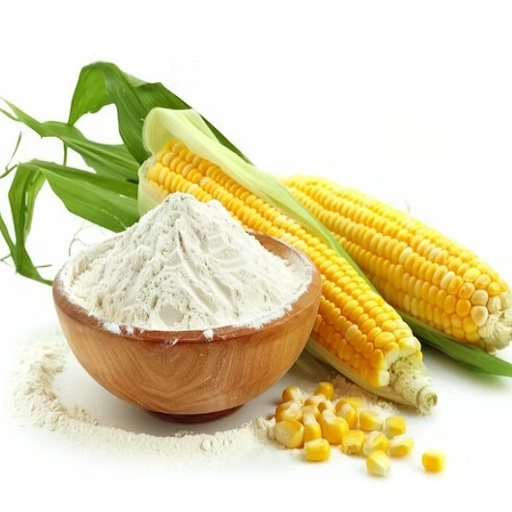
Modified Starch vs Native Starch: Properties, Uses & When to Modify

Modified starch is native starch that has been physically, chemically, or enzymatically treated to improve heat stability, acid tolerance, shear resistance, freeze-thaw performance, and shelf life. Native starch works well for fresh, mildly processed products, while modified starch is essential for UHT beverages, frozen meals, acidic sauces, instant foods, and extruded snacks.
Maria, a senior food scientist at a sauce manufacturer in Jiangsu, learned this distinction the hard way. Her team reformulated a shelf-stable tomato sauce using native corn starch to cut ingredient costs. The first production run looked perfect.
Three months later, retailers returned pallets of separated, watery sauce. The native starch had broken down in the acidic tomato base during sterilization. Switching to a cross-linked modified starch stopped the syneresis, cut the dosage by 30%, and eliminated the complaints. The per-kilogram price was higher, but the total cost was lower.
That story illustrates the central question behind every modified starch vs native starch decision: when does native starch deliver enough performance, and when is modification the smarter choice? You will learn the functional differences between the two starch types, how each behaves under real processing conditions, where clean-label considerations fit in, and how to make a decision based on total production cost rather than ingredient price alone.
Key Takeaways
- Native starch is extracted directly from plants and performs well in fresh, mildly processed products, but it breaks down under heat, acid, shear, and freezing.
- Modified starch is treated to improve stability, texture control, and shelf life, making it essential for industrial and convenience foods.
- The global modified starch market is projected at roughly USD 15–17 billion in 2025/2026 and continues to grow with demand for processed and convenience foods. — MarketsandMarkets
- Clean-label products can sometimes use physically modified or “functional native” starches, though these typically cost more than chemically modified alternatives.
- Twin-screw extrusion is a leading physical modification method that produces cold-water-soluble, pregelatinized starch ideal for snacks and instant applications.
- Total cost of ownership, including dosage, waste, rework, and shelf-life stability, usually favors modified starch for demanding applications despite the higher per-kilogram price.
What Is Native Starch?
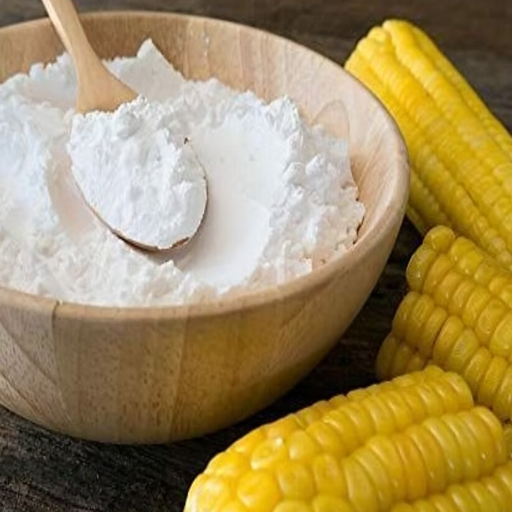
Native starch is the carbohydrate extracted from plant sources such as corn, potato, tapioca, wheat, rice, and waxy maize. It arrives on the production floor as a dry powder made up of granules containing amylose and amylopectin. In this unmodified state, the starch retains its natural molecular structure and thickens when heated in water, a process called gelatinization.
For many traditional applications, native starch is the right choice. It thickens gravies, gives structure to bakery fillings, and provides the glossy finish in clear Asian sauces. It also appeals to consumers who want short, familiar ingredient lists. A label that reads “potato starch” or “corn starch” looks simpler than one that reads “modified starch” or lists an E-number.
However, native starch has clear performance boundaries. Its granules are fragile. Prolonged heating, acidic pH, mechanical shear from pumps and mixers, and freeze-thaw cycles can rupture the granules, causing viscosity loss, syneresis (water separation), and texture breakdown.
Once these limits are reached, modification becomes necessary. That performance gap is the fundamental difference between native starch and modified starch in industrial practice.
The most common native starches in food manufacturing include:
- Corn starch: economical, widely available, neutral flavor
- Potato starch: high clarity, rapid swelling, strong thickening power
- Tapioca/cassava starch: clean flavor, good freeze-thaw tolerance relative to other native starches
- Wheat starch: common in baked goods and noodles
- Waxy maize starch: high amylopectin content, stable paste, often used as a base for further modification
If your product is fresh, mildly processed, and consumed quickly, native starch usually delivers the functionality you need at the lowest ingredient cost. If your process pushes beyond moderate heat, acid, shear, or freezing, you should evaluate a modified option.
What Is Modified Starch?
When comparing modified starch vs native starch, the key difference is intent: modified starch is native starch that has been intentionally altered to create targeted modified starch properties. The modification can be physical, chemical, enzymatic, or a combination of methods. The goal is to overcome the natural limitations of native starch and create an ingredient that performs reliably under industrial processing conditions.
The four main modification routes are:
Physical Modification
Heat, moisture, pressure, or shear changes the starch structure without adding chemical reagents. Common physical methods include:
- Pregelatinization: cooking starch so it swells in cold water
- Heat-moisture treatment: improves thermal stability while keeping a clean label
- Extrusion: uses a twin-screw extruder under high temperature and shear to gelatinize and modify starch in one continuous pass
- Drum drying: cooks starch on a heated drum for instant thickening properties
Physical modification is especially attractive for clean-label products because the ingredient can often still be labeled simply as “corn starch” or “potato starch.” To see how physical modification is scaled industrially, read our guide on the modified starch manufacturing process.
Chemical Modification
Reagents create new bonds or functional groups on the starch molecule. Common chemical methods include:
- Cross-linking: strengthens granules against heat, acid, and shear
- Esterification/etherification: improves freeze-thaw stability and texture
- Oxidation: reduces viscosity and improves clarity
- Acid thinning: lowers viscosity for specific coating or sizing applications
Chemically modified starches may appear on labels as “modified starch” or with E-numbers such as E1420, E1422, E1440, or E1442.
Enzymatic Modification
Enzymes such as α-amylase break down starch chains to create maltodextrins, syrups, or slowly digestible starches. This route is common for ingredient intermediates rather than finished modified starch powders.
Composite Modification
Two or more methods are combined to achieve a targeted balance of properties. For example, oxidation plus cross-linking can deliver both low viscosity and high stability for paper or textile applications.
Each route produces a different performance profile. The right choice depends on the end product, the processing conditions, and the label requirements.
Modified Starch vs Native Starch: Key Differences
The table below summarizes how the two starch types compare across the properties that matter most on a production floor.
| Property | Native Starch | Modified Starch |
|---|---|---|
| Production | Extracted directly from plants | Treated physically, chemically, or enzymatically |
| Heat stability | Low to moderate | High |
| Acid stability | Poor | Good to excellent |
| Shear tolerance | Fragile granules rupture easily | Strong, resists pumping and mixing |
| Freeze-thaw stability | Prone to retrogradation and syneresis | Stable through multiple cycles |
| Viscosity control | Variable and less predictable | Consistent and tunable |
| Clarity/texture | Often cloudy or dull | Can be engineered for clarity, gloss, and smoothness |
| Shelf life | Shorter in demanding conditions | Longer, more stable |
| Cold-water solubility | Low | Available via pregelatinization or extrusion |
| Typical cost per kg | Lower | Higher |
| Effective dosage | Often higher | Often lower |
| Labeling | Clean-label friendly | May require “modified starch” or E-number |
The differences are not about one starch being universally better. They are about matching the ingredient to the process. In other words, the native starch vs modified starch choice is about conditions, not quality.
Native starch is a simple, cost-effective thickener for gentle conditions. Modified starch is a problem-solving ingredient for harsh conditions or long shelf life.
For example, native potato starch gives excellent clarity in a clear soup that is eaten the same day. But that same soup, if retorted, acidified, or frozen, will likely weep and lose body. A cross-linked or stabilized modified starch keeps the texture intact from production to consumption.
When to Use Native Starch
Native starch is the right choice when your product and process stay within the ingredient’s natural comfort zone. Reach for native starch when:
- Shelf life is short, fresh sauces, creams, or bakery fillings consumed within days.
- Processing is mild, no UHT sterilization, retorting, prolonged high heat, or extreme shear.
- Clean label matters, you want a simple “corn starch” or “potato starch” declaration.
- Cost is the top priority, and the application does not need enhanced stability.
- Clarity is important, native potato starch, in particular, gives a glossy, transparent finish.
A small bakery in Shandong, for instance, uses native corn starch in its vanilla custard filling. The product is sold fresh within 24 hours, stored under refrigeration, and never frozen. Native starch provides the right texture at the lowest cost, and the simple label matches the artisan positioning.
Native starch is not a compromise in these cases. It is the correct technical and economic choice.
When Modified Starch Becomes Essential
Modified starch becomes essential when native starch cannot survive the process or deliver the required shelf life. The following modified starch food applications are where the switch from native starch pays off most clearly:
- UHT or retort processed, shelf-stable beverages, puddings, ready meals
- Frozen or freeze-thaw cycled, frozen dumplings, prepared meals, ice cream variegates
- Acidic, tomato sauces, salad dressings, fruit fillings, hot sauces
- High-shear, pumped, homogenized, or aggressively mixed products
- Instant or convenience-oriented, instant soups, sauces, snacks, and cereals
- Long shelf-life, packaged sauces, dairy desserts, processed meats
- Texture-critical, extruded snacks, coated nuts, battered fried foods
Chen, a production manager at a snack plant in Guangdong, faced inconsistent expansion in his puffed corn rings. The formulation relied on native corn flour. Batch-to-batch differences in moisture and starch damage created uneven expansion, broken pieces, and customer rejections.
After switching to an extrusion-modified pregelatinized starch, the expansion ratio stabilized and breakage dropped. The modified starch cost more per kilogram, but the reduction in waste and rework paid for the difference within two production cycles.
For extruded snacks, instant foods, and cereals, food extrusion solutions can produce modified starch with the cold-water solubility, expansion, and crispness these products demand.
Clean Label, E-Numbers, and Consumer Perception
Ingredient declarations matter. Native starch appears on labels as “corn starch,” “potato starch,” or “tapioca starch.” These names are familiar to consumers and support clean-label or “kitchen cupboard” positioning.
Modified starch is usually listed as “modified starch” or with an E-number such as:
- E1420: acetylated starch
- E1422: acetylated distarch adipate
- E1440: hydroxypropyl starch
- E1442: hydroxypropyl distarch phosphate
These additives are safe and regulated by authorities including the FDA, EFSA, and JECFA. However, some consumers associate E-numbers with ultra-processed foods.
Brands targeting clean-label markets may prefer physically modified starches, or a clean label native starch option, that can be declared with a simple native starch name.
Functional native starches bridge the gap. These are produced by physical treatments such as heat-moisture treatment or annealing. They offer improved heat, acid, and shear stability while retaining a clean label. The trade-off is cost: functional native starches are usually more expensive than chemically modified alternatives.
The decision comes down to brand positioning and price elasticity. A premium organic baby food brand may absorb the higher cost of functional native starch to keep the label short. A mass-market frozen meal producer may prioritize the lower cost and robust performance of a chemically modified starch.
Cost Comparison: Ingredient Price vs. Total Production Cost
A modified starch vs native starch cost comparison almost always starts with per-kilogram price. Native starch, corn starch, potato starch, and tapioca starch, wins on commodity price. Modified starches carry a premium because of the additional processing, quality control, and functional tailoring.
But ingredient price is only one line on the cost sheet. The real comparison should include:
- Usage level, modified starch is often used at lower dosage because it is more functional.
- Waste and rework, native starch can fail under stress, leading to rejected batches.
- Customer complaints, texture breakdown, syneresis, or separation damage brand trust.
- Shelf-life limitations, shorter shelf life reduces distribution flexibility.
- Process stability, modified starch tolerates variation in temperature, pH, and shear better than native starch.
For a demanding application, modified starch usually delivers the lower total cost of ownership even when the raw material price is higher. For a simple, fresh application, native starch is hard to beat.
Think of it like choosing a machine component. A standard bearing costs less, but if it fails under your operating conditions, the downtime and repair costs dwarf the savings. The same logic applies to starch selection.
How Extrusion Physically Modifies Starch
Extrusion is one of the most efficient ways to physically modify starch at production scale. A twin-screw extruder combines heat, pressure, and shear inside a barrel to cook and gelatinize starch in a single continuous process. Typical conditions range from 120°C to 200°C with pressures of 0.5–10 MPa and controlled moisture levels.
The result is often a pregelatinized or extrusion-modified starch with properties such as:
- Cold-water solubility and swelling
- Improved digestibility
- Enhanced expansion in snacks and cereals
- Better binding in instant products
- Consistent texture from batch to batch
This method is especially valuable for snack manufacturers. Extrusion-modified starch improves expansion ratio, crispness, and structural integrity in puffed and baked snacks. It also supports instant applications where the consumer simply adds water.
Because extrusion is a physical process, the resulting starch can often be labeled as native starch, supporting clean-label claims. If you are evaluating extrusion for starch modification, our guide on food production line solutions covers how integrated systems can handle raw material feeding, extrusion, drying, grinding, and packaging in one workflow.
Ready to see how extrusion fits your starch modification goals? Explore our food extrusion solutions to learn about twin-screw extruder configurations for snack, cereal, and modified starch production.
Decision Framework: Which Starch Should You Choose?
Use the following framework to move from confusion to a clear specification.
Step 1: Define Shelf Life and Storage
Short shelf life and refrigerated storage favor native starch. Long shelf life, ambient distribution, or freezing point toward modified starch.
Step 2: Map Processing Conditions
Ask whether your product will experience:
- High heat or UHT/retort sterilization
- Acidic pH
- High shear from pumps, mixers, or homogenizers
- Freeze-thaw cycles
- Cold-water reconstitution
Each “yes” pushes the decision toward modified starch.
Step 3: Set Label and Marketing Requirements
If clean label is a non-negotiable brand pillar, prioritize native starch or physically modified functional native starch. If performance and cost are the primary drivers, chemically modified starch is usually the better fit.
Step 4: Run Prototype and Stability Tests
Do not rely on theoretical comparisons alone. Produce trial batches and test them under real storage and use conditions. Measure viscosity, texture, syneresis, and sensory properties over the full intended shelf life.
Step 5: Calculate Total Cost, Not Just Ingredient Price
Include dosage, waste, rework, complaints, and shelf-life limitations in the calculation. The cheapest ingredient is not always the most economical solution.
Quick-Reference Decision Matrix
| If your product is… | Best starch choice |
|---|---|
| Fresh sauce or cream consumed within days | Native starch |
| Clean-label premium product needing mild stability | Functional native starch |
| Shelf-stable acidic sauce or dressing | Chemically modified starch |
| Frozen meal or frozen dough | Modified starch (cross-linked/hydroxypropylated) |
| Extruded snack or instant cereal | Extrusion-modified or pregelatinized starch |
| UHT beverage or long-life dairy dessert | Stabilized modified starch |
The best formulation is often a blend. Many manufacturers use native starch where it performs well and add modified starch where stability is critical. This hybrid approach balances cost, label appeal, and functionality.
FAQ
What is the difference between native starch and modified starch?
Native starch is extracted from plants without changing its molecular structure. Modified starch has been physically, chemically, or enzymatically treated to improve properties such as heat stability, acid tolerance, shear resistance, freeze-thaw stability, and shelf life.
Is modified starch safe?
Yes. Modified starches used in food are regulated by authorities such as the FDA, EFSA, and JECFA. They have a long history of safe use in processed and convenience foods.
Can I replace modified starch with native starch?
Sometimes, but only if the application is fresh, mildly processed, and not exposed to high heat, acid, shear, or freezing. In demanding applications, native starch will usually break down and cause texture or stability problems.
Why is starch modified for extruded snacks?
Extrusion subjects starch to intense heat, pressure, and shear. Modification improves expansion, crispness, structural integrity, and cold-water solubility, leading to a more consistent finished product and less waste.
What does E1422 mean on a label?
E1422 is acetylated distarch adipate, a cross-linked and esterified modified starch used to improve heat, acid, and shear stability in sauces, dressings, and processed foods.
Is modified starch more expensive than native starch?
Modified starch usually has a higher per-kilogram price. However, it is often used at lower dosages and reduces waste, rework, and quality complaints, making it more economical overall for demanding applications.
What is functional native starch?
Functional native starch is physically treated, for example, by heat-moisture treatment or extrusion, to improve stability while keeping a simple native starch label. It costs more than chemically modified starch but supports clean-label positioning.
Conclusion
The modified starch vs native starch decision is not about picking a winner. It is about matching the ingredient to your process, shelf life, label goals, and total cost structure.
Before you finalize your next formulation, remember these takeaways:
- Native starch is the economical choice for fresh, mildly processed products with short shelf life and clean-label requirements.
- Modified starch is essential for UHT, acidic, high-shear, frozen, or long-shelf-life applications where stability and texture control matter.
- Functional native starches offer a middle path for clean-label products that still need improved heat, acid, or shear tolerance.
- Total cost of ownership usually favors modified starch for demanding applications, even when the per-kilogram price is higher.
- Twin-screw extrusion is a fast, continuous way to produce physically modified, pregelatinized starch for snacks, cereals, and instant foods.
For manufacturers ready to produce modified starch at scale, physical modification through twin-screw extrusion offers a fast, continuous, and clean-label-friendly route. The right production line turns starch from a basic thickener into a functional ingredient that opens new product categories and improves profitability.
Want to explore equipment for modified starch production? Contact Shandong Loyal Industrial Co., Ltd. for a tailored consultation and quote.
Our team will help you configure an extrusion system, drying line, and quality control workflow that matches your raw material, capacity, and end-product goals.