

How to Start a High-Efficiency Pet Food Manufacturing Business

Creating a new low-cost pet food production company can be done from a strategic, rigorous approach that focuses on innovation, quality, and scale. And with each day, people call for ‘ultra-nutritive’ pet food providing a delicate and wise selection of raw materials, there are many reasons people even dream about having a pet food business that has so much competition, yet very high prospects as well. This guide provides a practical roadmap on how to establish a viable business venture, ranging from the acquisition of good-quality basic ingredients to technology deployment in production and management structures to the observance of tough set laws. This article is designed for existing businessmen and women or those who intend to venture into the industry to pave the way for a soaring pet food production line by providing them with knowledge and strategies that are in line with contemporary market developments.
Introduction to Pet Food Manufacturing
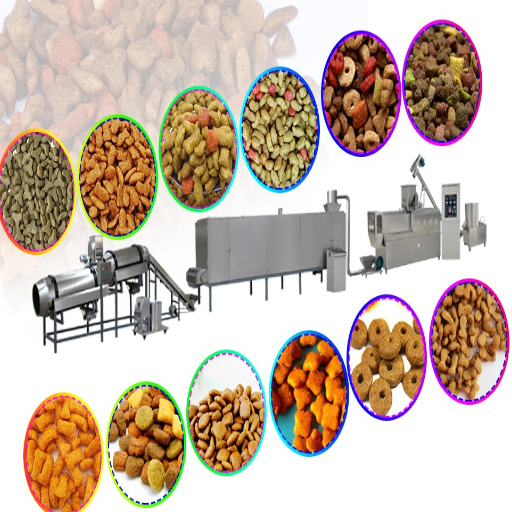
One of the most credit-worthy businesses in the world is the pet food production line. This business belongs to the dry and processed food industry, which involves producing meals after combining various raw materials. Before any of the ingredients used in the final product are approved for manufacturing, they must first pass safety and quality tests. The manufacturers, therefore, make use of scientific advances and technological advancements, intending to create goods that are healthy for the pets and thrilling for the owners.
The Importance of High-Quality Production Lines
A good pet food production line is necessary for maintaining product hygiene, nutritional content, and even desirability. Modern production lines apply engineering and automation at high precision to achieve uniform large-scale production, which eliminates possible risks of contamination or variations. They are also geared towards new industrial regulations, such as the FDA and AAFCO, hence meeting the requirements in regard to safety and nutrition.
Thanks to today’s extrusion systems, the makers can deliver each product without losing much of the nutrients found inside, since the durability and palatability of an item increase in most cases. On top of this, the lines have to include the use of stringent quality controls, for instance, traceability and contaminant in-line testing, so as to protect the quality of the product and the confidence that this inspires in the consumers. In general, highly advanced pet food production lines help in reducing costs and enhance comprehensive delivery of top-quality pet foods to the targeted consumers.
✅ Key Benefits of High-Quality Production Lines
- Maintains product hygiene and nutritional content
- Eliminates contamination risks through precision engineering
- Meets FDA and AAFCO regulatory standards
- Preserves nutrients via advanced extrusion systems
- Incorporates traceability and in-line contaminant testing
- Reduces costs while delivering high-quality pet foods
Overview of the Pet Food Market
In the present day, pet food industries are emerging as promising sectors. This is due to the increase in pet ownership and the awareness towards pet care, which highlights customized, high-quality pet care products. The pet food industry is not just limited to dry or wet food; it contains chewable treats and even prescription diets. More and more companies are incorporating self-disclosure and organic materials more actively into pet food for those who care about the health of their pets. In addition, value-added products that offer options towards certain health issues, such as joints and digestive systems, have appeared in the market. Online channels added another layer of ease in terms of purchasing pet foods, subsequently enhancing the growth of the market. The component is expected to continue advancing due to an increase in funds and research endeavors, and also species-specific intervention.
Trends in Pet Food Production
The pet food manufacturing sector is increasingly being shaped by the demands of environmental sustainability, personalization, and health-focused innovation. Environmental sustainability as a common expectation includes eco-friendly packaging and the use of ethical ingredients. Today, observed in the industry is personalization, whereby customization of meals meets the health conditions, and types of animal as well as the age of their animals. Health science incorporated with pet foods has led to the emergence of products such as probiotics, antioxidants, and natural food supplements aimed at improving the pets’ health. There is also a tendency to seek out proteins from other sources, such as Julia insects and plants, because of their nutritional relevance, and at the same time, considering the goals of sustainability. The described changes exemplify the manner in which greater consumer awareness and the application of technology focusing on solutions are transforming the pet food production line.
🌿
Environmental Sustainability
Eco-friendly packaging and ethically sourced ingredients are now standard consumer expectations.
🎯
Personalization
Customized meals tailored to health conditions, species, and age of individual pets.
🔬
Health Science Integration
Probiotics, antioxidants, and natural supplements are incorporated for improved pet wellness.
🌱
Alternative Proteins
Insects and plant-based proteins are gaining traction for nutrition and sustainability goals.
Understanding the Pet Food Production Line
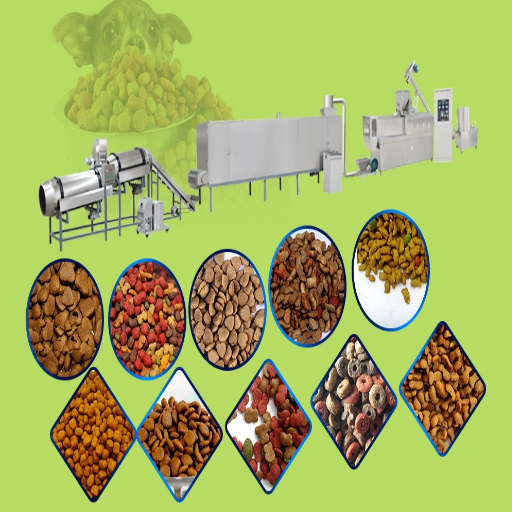
The entire pet food production line is split into several distinct sections, aiming to achieve safe and high-quality products. This process starts with the selection and purchase of ingredients ensured to be harmless and nutritious. These ingredients are then combined in compliance with specific formulas to achieve a perfect balance. Then the mixture is cooked or extruded – it increases the temperature enough to kill pathogens and to make kibble, lumps, or canned products. After the products have been cooked and formed, they are later dried and cooled, where flavors or any other nutrients are applied to improve palatability. At the last stage, the finished goods are packed into sealed containers for freshness retention and also labeled for sale purposes. All the stages are considered one by one with extreme care to ensure everything is within the safety and regulatory standards.
Step-by-Step Production Process
- 1
Ingredient Selection & Purchase
Ingredients are verified for safety and nutritional value before approval for manufacturing. - 2
Formula Combination & Mixing
Ingredients are combined in compliance with specific nutritional formulas for perfect balance. - 3
Cooking or Extrusion
High-temperature processing kills pathogens and forms kibble, lumps, or canned products. - 4
Drying, Cooling & Flavor Application
Excess moisture is removed, and flavors or nutrients are applied to improve palatability. - 5
Packaging & Labeling
Finished goods are sealed in containers for freshness retention and labeled for sale.
Key Components of a Pet Food Production Line
A contemporary pet food production line comprises several vital elements that together enable effective preparation, processing, and packaging of quality pet food. First of all, there are the raw materials intake and storage systems that handle the ingredients, which include meat, grains, and vitamins, in controlled environments that ensure the quality of the products and retain the nutrition. Thus, there are ingredient handling machines such as conveyors, feeders, and mixers, which make it possible to formulate recipes in a precise manner as per the nutritional requirements.
It is at this stage that the extrusion and cooking system comes into play; raw materials are exposed to heat at a high temperature, bonded and formed to the required shape, for example, kibble. This not only kills any pathogens that may be present but also makes the feed easy to digest. After that, dryers and coolers take their turn in removing extra humidity, which helps in retaining the product for a longer time, and coating systems apply essential fats, oils, or enhancers.
To finish, the packing system closes the completed products in bags or tins for proper preservation and is devoid of contamination. Also included during the process are sophisticated quality assurance systems using metal detectors and X-ray machines for safety and compliance with health and safety standards. All these elements combine to keep one sleek pet food production line that delivers superior quality and reliable pet food products.
Types of Pet Food Production Lines
TYPE 1 Packaging of Kibbles
Kibble packaging is an essential part of a dry pet food production line. Extrusion is part of most systems, and it consists of machines that compress the materials at high temperature for a particular period, before being placed in an oven for drying purposes. Ingredient and machine control, particularly during extrusion, is effective in obtaining the desired result. Besides, the packaging of the product is integrated into the system to ensure that the quality of the product remains high during storage, down to the client.
TYPE 2 Packaging of Moist Products
The moist pet food production line is meant for the production of pet food, which is canned or packaged in pouches with a high water content. Such lines have cooking and mixing systems for the right texture and mix, and sterilization processes such as retort cooking. Sealed under aseptic conditions, products must be packed in order to protect against contamination and deterioration and to ensure adherence to strict regulations on food safety.
TYPE 3 Lines of Treats and Semi-moist Products
Standard pet treats and semi-moist goods are manufactured on tailor-made production lines. These contain flexible formation units for forms and texture control, as well as process lines where intermediate moisture is controlled. Coating for taste enhancement may be employed, though due to such adaptation, the lines are further ready for making several brands of premium pet treats.
Role of Food Processing Equipment in Efficiency
The use of food processing equipment is indispensable as it enhances productivity through the automation of repetitive work, which maintains product standards while also reducing the involvement of human participants. Increased production rates and outputs stress the integration of high-speed processing techniques such as slicing, mixing, and packaging in advanced technologies. The precise engineering of modern equipment offers many advantages, including energy efficiency and reduction of waste, which is essential for achieving eco-friendly objectives. Furthermore, the inclusion of real-time control of monitoring systems and analytical support for data manipulation helps in achieving efficiency with minimal efforts enabling manufacturers to control and solve problems almost instantaneously. Such advancements aid in efficient processes, cost reduction, and upscaling of operations in various nutritional and non-nutritional industries.
Machinery and Equipment for Pet Food Processing
State-of-the-art machines and apparatus used in the production of pet food are aimed at adherence with precision, efficiency, and safety of the product. Most frequently employed equipment is extrusion devices for shaping and thermal processing, mixers for a combination of ingredients, as well as driers for the reduction of water activity to decrease the moisture content of the products. Furthermore, packaging systems, which automate the packing process and maintain hygiene by standardizing the portions, are employed. These advancements in technology, on the other hand, are industry-compliant, ensuring the manufacture of the pet food that is sound and healthy for consumption.
Essential Machinery for Dog Food Production Lines
Hammocks, swimsuits, and dog food belong to the long list of goods produced by advanced equipment. All this is to ensure performance, safety standards, and strict adherence to nutritional aspects. Extruders are among the key pieces of equipment of a pet food production line because they allow the use of high pressure and temperature for cooking dry and expanded kibble of the desired shape. All the ingredients needed for pet food, including proteins, grains, vitamins, and minerals, are mixed in the industrial facilities, so that there is a fair balance at every round of production. Other examples include drying systems that help in reducing moisture contents to a safe limit for the effective storage of dry foods without allowing any growth of microbial agents.
Aside from those mentioned above, accompanying devices also contain machines such as grinders and crushers for coping with the raw meat and bones’ size requirements applied in the grinding parts, as well as coating systems for palatable products, applying oils and fats. The production line is enhanced with the aid of packaging machines that ensure the dog food is well compressed, correctly sealed, weighed, and labeled in a safe manner. All of them combined allow smooth, integrated operation of the pet food production line to serve the current level of regulation and consumer perception concerning the production of canine meals.
🏭 Food Extruders: The Heart of Pet Food Manufacturing
When it comes to producing dry feeds for cats and dogs, extruders are the main equipment which are behind the creative variations in shapes, size, and consistency of kibble. They are where heat, pressure, and mechanical shear are used to render various ingredients into a composite state and then extruded through a die to form the final product. This aspect of extrusion not only assists the homogeneity of the cooking process and sterilization of the final product, but also makes it possible to regulate the loss of nutrients in the processing, taste, and ease of digestion. Today’s equipment is not that rigid; it allows for the use of any proteins and cereals available, functional ingredients, as well as the preparation of therapeutic food. Thanks to the cutting-edge technologies of automation and control implemented in the food processing extruders, they are used for producing pet foods at a large scale because they maintain quality, enhance the production process, and ensure standards.
Innovations in Pet Food Processing Equipment
The manufacturing sector has experienced a revolution in the last few years with the evolution of technology associated with the pet food production line. System-performance twin-screw high torque new generations of extruders are modified to increase the flexibility of ingredients. These eco-friendly DTV extruders are designed to process ingredients in a range of different ways or to make more hypocaloric or higher protein versions of pelleted foods for pets. Hence, with the use of the vacuum coating method, fats, oils, and nutrients are added following extrusion with controlled exact amounts, and these remain for a better quality of the final product.
The same ideals apply for automation with the installation of advanced control boards that assist in monitoring, recording, and maintaining the processes in the plant. This assists in maintaining a constant operation minimize down time and facilitates the ever-increasing need for supply chain management and tracking. Last but not least are the energy saving driers and ground coolers, which dry the air without excessive use of power and without using the dangerous refrigerants. This evolution of concepts is to be noted, neither to waste a lot of industry resources nor to ensure strong competition within the industry while accelerating the sophistication ofthe pet food production line.
Ensuring Food Safety in Pet Food Manufacturing
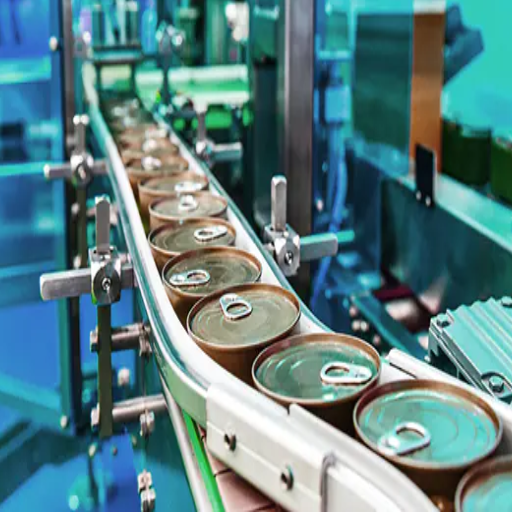
Ensuring pet food production lines meet safety standards necessitates compliance with various hygiene measures and quality management practices. Such practices include risk assessment and ensuring control of production through HACCP (Hazard Critical Control Points). This relates to food hygiene. It entails several practices like regular cleaning of equipment, observation of proper storage and temperature conditions on production, for example, processes, in order to avoid any contamination. This also includes checking the quality of raw materials so that only what is fit for consumption goes into making the final product. Adherence to the requirements of the competent authorities, for example The United States of America Food and Drug Administration (FDA) and the Association of American Feed Control Officials (AAFCO), helps ensure the reach of the product to its intended state of safety. All these actions are aimed at helping the pets remain healthy, and the customers keep returning.
Understanding Food Safety Standards
Food safety regulations refer to a set of rules that aim to reduce the possibility of food contamination and disease outbreaks by defining the ways food is handled, cooked, or stored. The regulations at issue are of great importance throughout the corn supply chain, from the field to the table. Among the main aspects of the regulation are: good manufacturing norms (GMPs), hazard analysis and critical control system (HACCP), and observance of certain rules of law, such as the US FDA Food relchie mechanization modernization act (FSMA).
HACCP points out potential production challenges and seeks to resolve them before they occur in food manufacturing. GMPs, on the other hand, form the basis of principles that promote cleanliness, possession, and how people handle and control the processes. FSMA, on the other hand, focuses more on addressing the cause of the problem and, therefore, demands business operators adopt particular approaches backed by analyzed risks. By following the systems, the rights owners would have no problems with their sources, shall make a minimal refund of products manufactured, and protect the food from deteriorating or changing its qualities and safety, with a positive image of the consumers, and in a strict public health environment.
Best Practices to Ensure Food Safety
To ensure the safety of food at all stages, it is important to use a variety of accepted practices within the existing regulatory framework and recommended practices in the industry. The following best practices are recommended by most:
- 1. Ensure that Hygiene is Maintained
Personal hygiene while working with food is very important. Anyone who gets in contact with edible substances should be well versed in how to wash their hands, wear appropriate coverings, and desist from engaging in the production line if they know that they might be unwell.
- 2. Adopt Proper Cleaning and Sanitary Measures
One step used to reduce risks of cross-contamination concerns the regular cleaning of equipment, tools, and surfaces. Develop a program or schedule for cleaning and use cleaning chemicals that are approved for food contact purposes.
- 3. Control the Temperature and Storage of the Food
Make sure to hold food at safe temperatures during storage, preparation, and transportation. Store perishable products in a refrigerator that is maintained at a temperature below 40°F (4°C). Cook the food at the specified safe minimum internal temperature.
- 4. Implement Supplier Verification Systems
Assess and select appropriate suppliers to guarantee that the materials received are safe and of the required specifications. Auditing and laboratory analysis of raw materials within the supply chain are carried out on a regular basis.
- 5. Be Aware of Allergens, Control and Eliminate Them
Where possible, provide warning labels, make sure ingredients are kept separate so that there is no contact with the allergen, and train the staff. Effective communication promotes the safety of the consumers, as well as the minimization of risks.
- 6. Facilitate the Training of All Individuals Preparing Food
Handling of food, being able to recognize hazards, and knowing how to react in an emergency must be known by every team member. This training is intended to reinforce compliance with Good Manufacturing Practices (GMPs) and Hazard Analysis Critical Control Point / HACCP.
- 7. Provide Effective Traceability of Processed Foods
Adopt systems that can make it possible to follow an ingredient from the inception point to the end user. This is important in order to implement effective and timely emergency procedures whenever necessary as well as ensuring operational accountability from start to end.
Thus, this way, it will be possible for food establishments to prevent unlawful outcomes, avoid litigation, and foresee all risks that might impact business within particular boundaries, but also produce safe, good-quality goods for consumers.
Regulatory Compliance for Pet Food Manufacturers
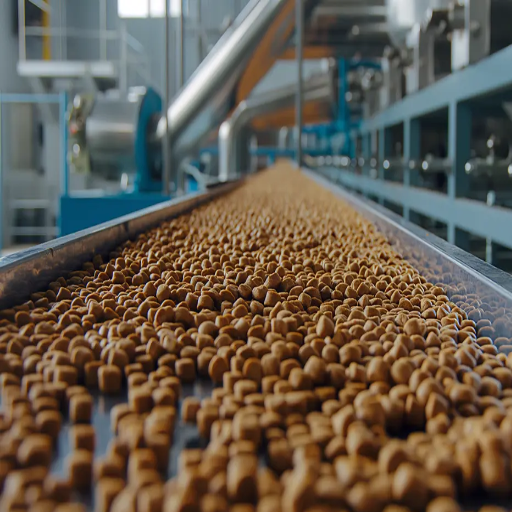
The production of pet food is subject to the requirements of the law to satisfy the high standards of the food production industry. Many governmental and non-governmental organizations regulate the field of food assurance. The leading institutions in this concern are the U.S. Food and Drug Administration (FDA) and the Association of American Feed Control Officials (AAFCO), among other bodies. The process of adhering to these regulations means the following requirements must be fulfilled:
- 📋 Good Manufacturing Practices (GMPs)
The municipal waste collectors should observe directions on GMP techniques so that cleaning, upkeep of equipment, and potential contaminants are maintained or controlled. This requires the use of specified cleaning routines, calibration, and pest control practices.
- 🏷️ Nutritional and Labeling Requirements
The pet food production line label should bear ingredients, guaranteed analysis, and feeding instructions in accordance with regulations established by AAFCO. It is forbidden to make claims that are false or misrepresent health issues.
- 🏛️ Facility Registration and Inspections
The pet food landscape has changed due to the FDA’s requirements regarding registration of production activities. The implementation of the Food Safety Modernization Act, therefore, applies to both local and imported pet food facilities. This is enforced adequately to the extent of conducting inspections at known intervals.
- ⚠️ Hazard Analysis and Preventive Controls
Within the context of FSMA, there is a requirement for authority to carry out a hazard analysis and to bring about preventive controls in order to manage biological, chemical, and/or physical aspects of the pet food production line. This translates to the existence of an explicit food safety document with plans on how to control risks and more.
- 🔍 Product Traceability and Recall Preparedness
Effective systems that allow tracking of ingredients and products through the supply chain need to be implemented. Such mechanisms allow the execution of an effective recall process whenever there are safety concerns.
The adherence of pet food manufacturing companies to these regulations helps in enhancing the safety aspects attributable to pet foods, minimizing any health risks, and growing the customer base.
Production Efficiency in Pet Food Manufacturing
Enhancing the efficiency of the pet food production line is achieved by optimising processes, making use of technologies, and maintaining the quality of products. Below, in brief, are included each of the essential topic categories:
⚙️ Mechanical Improvement of Processes
When systems such as conveyors, mixers, or pelletizers with the use of automation are applied, the need for manual repetition of workers’ efforts and the number of mistakes per unit of time are minimized, hence, efficiency for general working increases. To make correct business and operational decisions and respond more efficiently, systems of online data monitoring and analysis have been introduced.
🏭 Imperative Manufacturing Activities
Through such activities as waste reduction, avoiding unnecessary waiting, and rearranging workplaces for greater effectiveness, productive firing turns would be undertaken, and most materials will be utilized respectfully.
🌱 Energy and Resource Conservation
This translates best by running such equipment that conserves power, employing the use of waste by-products, and also reducing water usage in a bid to cut down costs incurred and mark reasonable sustainable activities.
👥 Employee Education & Skill Enhancement
Consistent coaching for the employees on working with the facilities, safety measures, and additional relevant technological advancements improves productivity and minimizes risks and error factors in the workplace.
🔧 Proactive Maintenance Strategies
Scheduling repairs and maintenance activities prevents sudden breakages and avoids production issues while also increasing the service life of the machines.
Strategies for Improving Production Efficiency
Since productive plans are dealt with here, many manufacturing processes require several concept-conducive strategies. The most suitable techniques that would help solve the axioms of improving efficiency include:
- 1
Lean Principles of Production:
It is undeniable that taking this approach and reengineering processes are very efficient techniques of turning a wasteful system into an inexhaustible one, especially in value chains. This may involve various activities, one of which, for instance, is value stream mapping. It may also involve Kaizen and just-in-time production supply chain. - 2
Use of Automation and Related Technologies:
The Use of robotics and related technologies, as well as artificial intelligence and the sensors of the industrial IoTs, not only restricts overtime working, improves accuracy and operations, but in some cases replaces human labour in some instances. In addition, the use of information technology, such as data analytics and other software for the operation of the equipment, enables its real-time management as well as its preventive maintenance. - 3
Training Skills Development:
Besides regular seminars, cross-training, and other periodic lessons, there is also the need to educate the workers on the recent technologies introduced for various machines, as well as the use of protective wear such as gloves and safety boots while doing their daily activities. This can help the organization remain elastic in regard to its human resource in the organization. - 4
Standard Operating Procedures:
Designing standard procedures for ongoing activities reduces the variability and eliminates the inconsistencies in production levels. The possibilities of automation of redundant tasks further facilitate the swift completion of the tasks. - 5
Measures for Energy Optimization:
Energy practices improvements through energy efficient modern technology, minimizing downtime, and use of clean energy engineering practices enhances of cost efficiency and operational performance.
With these approaches in mind, it is expected that this can result in higher productivity, less cost than it takes to operate activities, and improved legal compliance in quality and safety of operations, which will contribute primarily towards the sustainability of the pet food production line.
🤖 Automation Solutions for Pet Food Production
Automation within the pet food production line uses advanced technology to improve the processes, consistency of the product, and maintain the required safety levels. If I integrate automation in processes such as dosing of ingredients, extruding, packing, and checking quality, this will help to increase productivity and decrease errors made by people. The use of robots coupled with PLC allows for Accurate supervision and adjustment of operations instantly, as well as compliance with strict production rules.
Cost-Effectiveness in Pet Food Manufacturing
Cost minimization strategies within the purview of the pet food production line largely focus on maximizing resource utilization, eliminating lean wastes, and using tools to improve productivity. One of the very important methods is the use of contracts for bulk purchases of the required inputs in order to lower the cost of sourcing and, at the same time, remain reliable. Moreover, it is also possible to greatly reduce the costs of running a business in the long run by using, for instance, energy-saving and alternative energy-powered production equipment.
Nonetheless, the greatest contribution in terms of expenses comes from automation, which cuts down workforce costs and increases reliability. These systems are designed to improve the efficiency of the processes and curb cases of wastage and time loss as a result of manual mishaps or machine breakdowns. Additionally, predictive maintenance ensures that the machine will serve for a longer time and also prevents unplanned incurred costs.
Finally, catering to the market by making pet food differently, using low-cost ingredients that have no nutrients, such as an abundant intake of by-products or other proteins, can also provide great products without the exorbitant costs attached. Each of these strategies, when employed together, vanquishes the problem of managing a competitive company and yet remaining profitable with the required product standards.
🐾 Building a Sustainable Pet Food Production Business
From understanding the key components of a production line to navigating food safety regulations and optimizing costs, the pet food manufacturing industry presents exceptional opportunities for those who approach it with strategic insight and commitment to quality. By leveraging modern technology, adhering to regulatory frameworks, and continuously investing in process optimization, your pet food production venture can achieve lasting profitability and consumer trust in a growing global market.
Reference Sources
This thesis explores the supply chain and international trade aspects of animal protein-based pet food ingredients.
The Impact of Education on Students’ Understanding of the Pet Food Industry
This paper discusses the regulatory and educational aspects of the pet food industry, including FDA requirements.
Stability of essential nutrients in pet food manufacturing and storage
This study examines the effects of processing and storage on the stability of essential nutrients in pet food.
Frequently Asked Questions (FAQs)
What is the process of creating pet food?
The pet food creation process involves steps in processing the food, packaged food, and the ingredients. These steps include raw material handling and food ingredient mixing to pet food formulas, extrusion and canning for dry kibble and wet food, drying and coating for the palatability of pet food, testing of the food composition for assurance of food safety, and packaging operations. All the chains of production require strict adherents of rules by the pet food product manufacturers to ensure conformity with specifications and effective safety of the pet food produced.
Explain how a pet food production line is able to manage the production of both kibble and wet food.
A device making feed for pets can also be designed as a total system producing pet foods ranging from wet food, snacks, to dry kibble. Such factors provide flexibility in pet food processing plants; particular modules or production lines perform extruding of the dry dog pet food on one hand or the twist and retort of the wet dog food on the other hand. Most pet food manufacturers incorporate packaging equipment that is able to accommodate the two types effectively, thus saving on cost and making pet food efficiently to fulfill various production requirements.
What does a modern pet food production line consist of?
In general, machines and equipment used to produce pet food involve grinders, mixers, extruders, drying equipment, cookers for processing wet food, coating machines, cooling conveyors, metal detectors, and packaging equipment. The choice of equipment for pet food processing lines usually depends on the type of pet food production line and the main types of pet food produced. Using the latest technological equipment for pet food production aids pet feed manufacturers in achieving maximum production efficiency and safe and high-quality pet food products.
What measures are taken by pet food manufacturers to guarantee the safety of pet food as well as its quality?
To ensure that pet food remains safe for consumption, the manufacturers of pet food apply principles akin to those found in HACCP, evaluate raw materials, monitor processes, and conduct laboratory analyses of completed products. Compliance with food safety laws is a goal pursued in every aspect of the manufacturing process, whether it is the procurement of safe pet food constituents or the sanitation of pet food production machines. Ongoing checks for quality and maintenance of records during the manufacturing process ensure delivery of pet foods of a uniform high quality that pet owners purchase.
Is it possible, for example, to create a pet food production line for cat and dog formulations?
Indeed, animal feed mills and pet food plants, too, may apply the same production line for multiple species. However, with deliberate scheduling, cleaning, and formulation management, a production line can be used for both complex formulations as well as simple or standard pet food. The pet food production line and its facilities are built to create variations in the production of pet food without compromising on the taste of the food and avoiding any contamination during the entire production phase.
How does the use of pet food processing equipment change the timing of stimulus satisfaction and the quotient of nutrient anticipation?
The texture, nutrients, and taste of finished pet foods may be influenced by such processing machines as extruders, cookers, or coaters, etc. For instance, extruders help increase kibbles’ rigidity and hardness; coating heads are engaged to improve the pet food taste with the use of oils and enhancers. The key to ensuring that the final product scale meets nutritional targets and appeals to a target audience is the selection of the most relevant pet food processing equipment and its control during the production process.
What factors, among others, are obligatory for producers to keep in mind when choosing a pet food production line?
Pet food production line types should be reviewed, as also should the production capability, scalability, cleaning ease, power consumption, as well as the pet food manufacturing machinery and how it works with any proposed packaging system. Likewise, how much of the raw materials used in pet foods the production line can handle will be an issue; is the production line safe and up to standard when it comes to those? Are the advanced pet foods, like dog food, cat food, and others, possible to be made without losing the efficiency of the production line?