
Category Product Guides
Pani Puri Pellet Making Machine: A Complete Guide to Equipment, Process & Selection
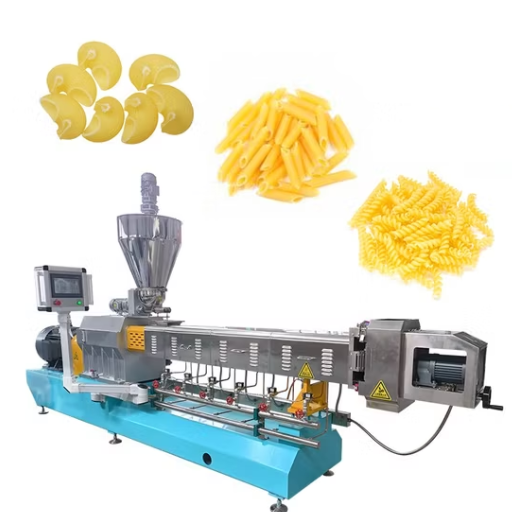
A pani puri pellet making machine is an industrial extrusion system that forms hollow, round snack pellets, also called golgappa or puchka shells, from wheat flour, corn starch, or tapioca starch. These pellets are dried and then fried or air-puffed to create…
Industrial Pellet Dryer Machine: A Complete Guide for Feed & Food Producers
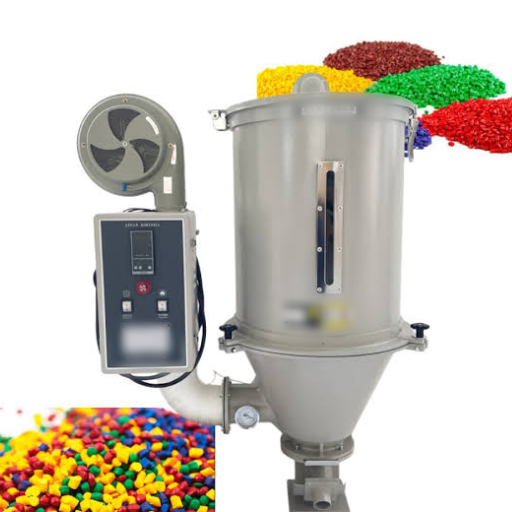
An industrial pellet dryer machine removes excess moisture from extruded or pressed pellets so they can be stored, transported, and sold without spoiling, breaking, or losing nutrition. For food, feed, pet food, and aquatic feed producers, the right dryer protects product quality,…
Fryums Production Line: Complete Equipment, Process & Business Guide
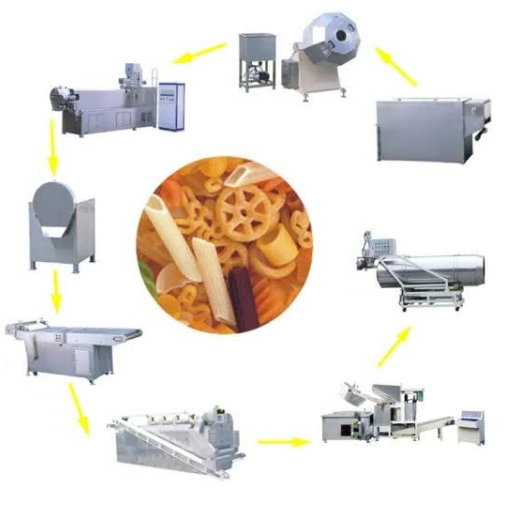
A fryums production line is an integrated system of mixers, extruders, dryers, fryers, and packaging machines that turns starches and flours into crispy, puffed snack pellets. The right line can produce anything from simple 2D wheels and rings to complex 3D pani…
2D Pellet Snack Production Line: Process, Equipment & Capacity Guide
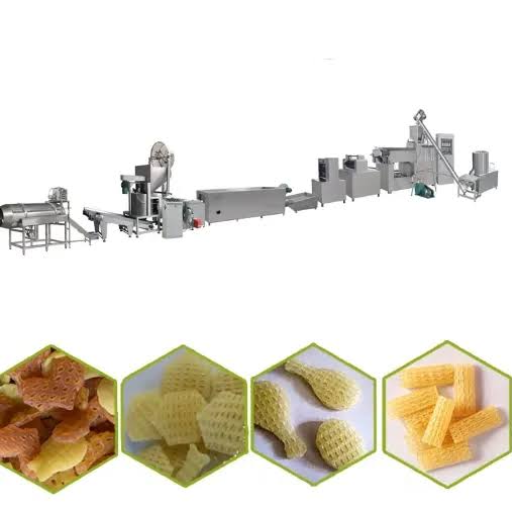
A 2D pellet snack production line is an automated system that mixes starch-based dough, extrudes it through a flat die into flat shapes, dries the semi-finished pellets, and then fries or bakes them into crispy finished snacks. These lines are the backbone…
Modified Starch Production Troubleshooting: Common Defects & Fixes
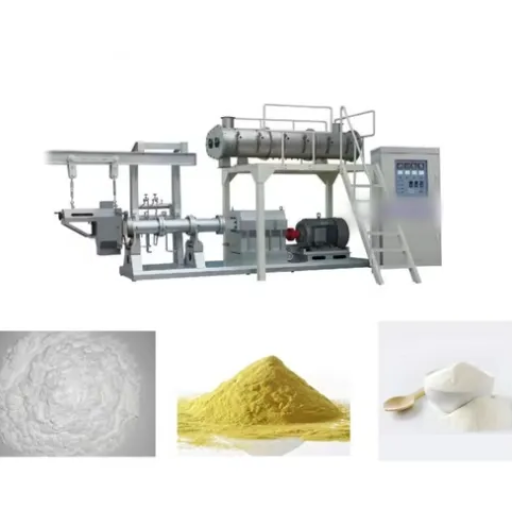
The fastest way to solve modified starch production problems is to match each defect to its root cause. Dark color or off-odor usually means excessive heat or residence time. Off-spec viscosity points to dosing, moisture, or pH drift. High final…
Modified Starch Quality Control: Methods & Standards
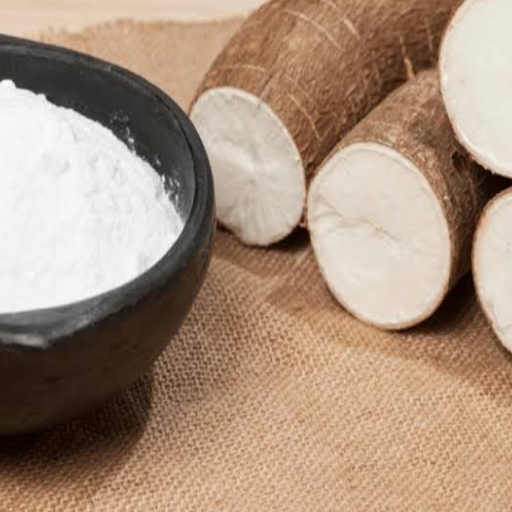
Modified starch quality control is the systematic testing of physical, chemical, functional, and safety properties at every stage of production, from incoming raw starch to finished batch release. Done well, it guarantees that each lot performs consistently in its target…
Starch Raw Materials Selection: A Practical Guide for Food Extrusion
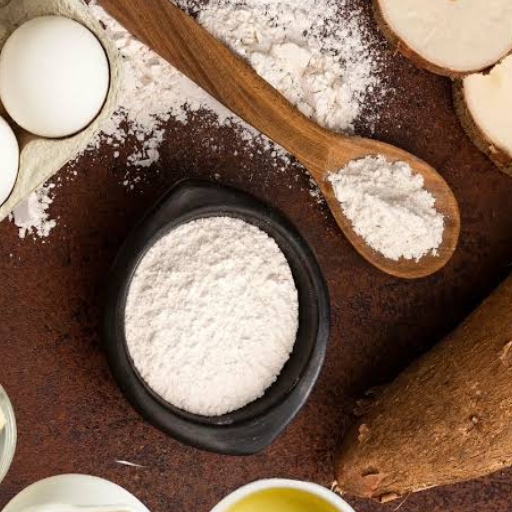
Selecting the right starch raw materials depends on matching the starch source to your target product texture, extrusion process, and cost constraints. You need to consider the amylose/amylopectin ratio and gelatinization temperature. Corn, tapioca, potato, rice, and wheat starches each…
Modified Starch vs Native Starch: Properties, Uses & When to Modify
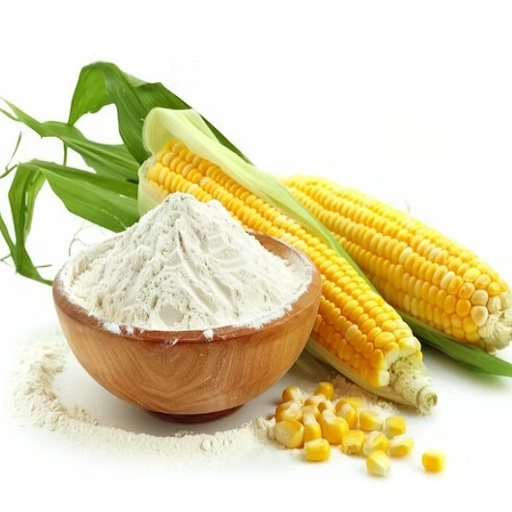
Modified starch is native starch that has been physically, chemically, or enzymatically treated to improve heat stability, acid tolerance, shear resistance, freeze-thaw performance, and shelf life. Native starch works well for fresh, mildly processed products, while modified starch is essential for…
Modified Starch Applications by Industry: Complete 2026 Guide
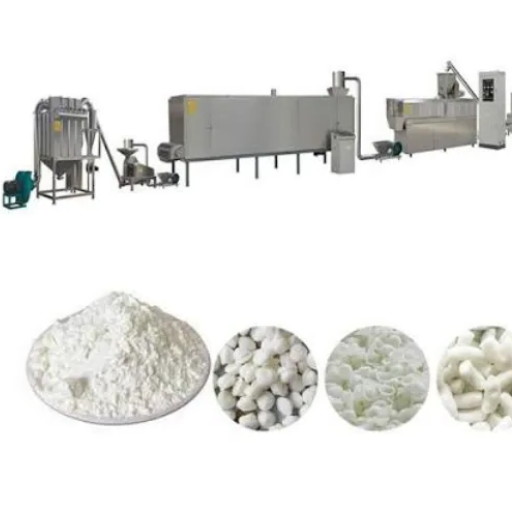
The uses of modified starch span food, pharmaceuticals, paper, textiles, oil drilling, construction, cosmetics, and agriculture, improving texture, stability, binding, and shelf life. The right modified starch for each application depends on the modification method — physical, chemical, or enzymatic…
Modified Starch Production Line Cost: 2026 Pricing & ROI Guide
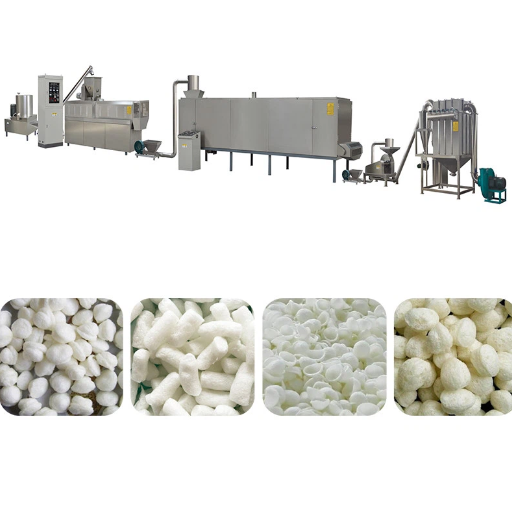
A complete modified starch production line costs between 30,000 and 30,000 and 1,500,000+ in 2026, depending on capacity, modification method, automation level, and whether the quote covers only equipment or a full turnkey installation. Most buyers will land in the 100,000–100,000–350,000 range for a…