
Category Product Guides
Single Screw vs Twin Screw Extruder: Which Do You Need?

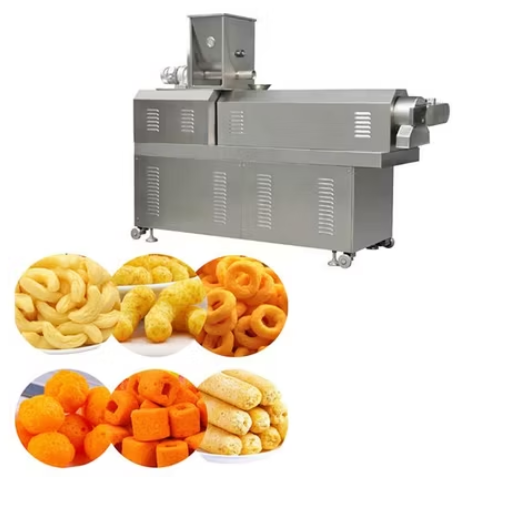
Here’s the short answer. Choose a single screw extruder for simple, high-starch products like corn curls and basic puffs at lower volumes and tighter budgets. Choose a twin screw extruder for complex recipes, fortified or co-extruded snacks, high-protein pet food, and higher output. The…
Twin Screw Extruder Machine: Complete Guide for Food & Industrial Processing

A twin screw extruder machine is a continuous processing system. It uses two intermeshing screws inside a heated barrel to mix, cook, and shape raw materials into finished or semi-finished products. If your operation makes snacks, pet food, modified starch, or textured…
What Food Is Tennessee Known For? 12 Iconic Foods (And How They’re Made)

Ask what food Tennessee is known for and most people name two things fast: Nashville hot chicken and Memphis dry-rub barbecue. Dig a little deeper and you’ll find a whole table of Southern staples behind them, from country ham with red-eye gravy to…
What Food Is Virginia Known For? 12 Iconic Dishes

Virginia is best known for Smithfield country ham, Virginia peanuts, Chesapeake Bay oysters and blue crabs, Brunswick stew, and Shenandoah Valley apples. These foods trace back more than 400 years, to the first permanent English settlement at Jamestown in 1607.…
How Long Do Breadcrumbs Last? Shelf Life & Storage Guide

Store-bought dried breadcrumbs last 6 to 12 months in the pantry, while fresh homemade breadcrumbs last only about a week. Freeze either one and you can stretch that window to 6 to 12 months. That gap is the whole story. Why does a can…
How a Fried Snack Production Line Makes Detroit’s Famous Chips
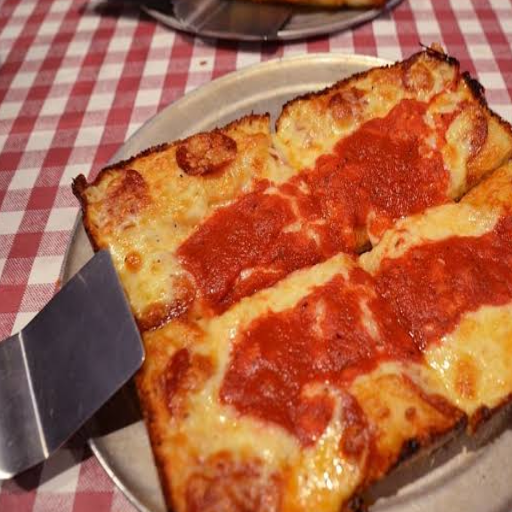
Detroit is known for Better Made potato chips, square Detroit-style pizza, coney dogs, and Faygo soda. The ones that land on grocery shelves nationwide, the chips and the pizza, are not made by hand. They come off industrial production lines.…
Are Corn Flakes Healthy? A Balanced Look at Nutrition, Benefits & Production Quality
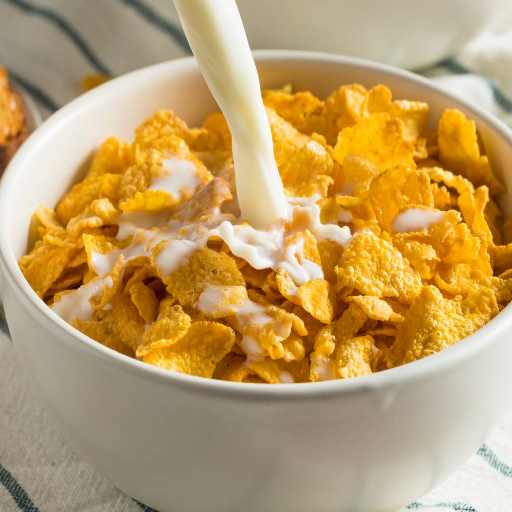
Are corn flakes healthy? Plain corn flakes can be a low-fat, fortified breakfast option, but they are also low in fiber and high on the glycemic index. Their health impact depends on the brand you choose, how much you eat, and…
Food Processing Equipment Maintenance: A Complete Guide for Food Manufacturers
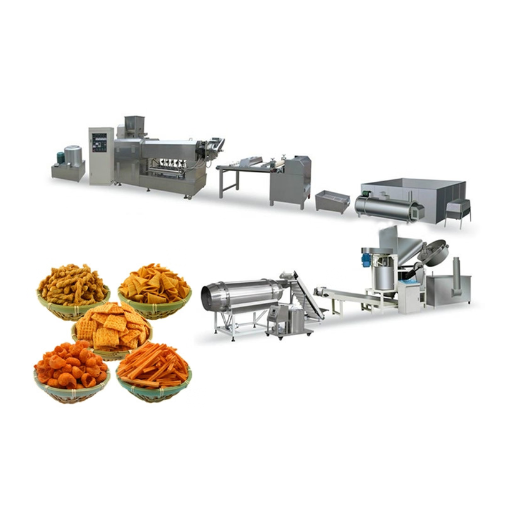
Food processing equipment maintenance is the planned and reactive care of machinery used to produce, handle, and package food. A strong program combines preventive inspections, predictive condition monitoring, corrective repairs, and scheduled overhauls to keep equipment safe, compliant, and productive.…
Types of Food Processing Equipment: A Complete Guide by Production Stage
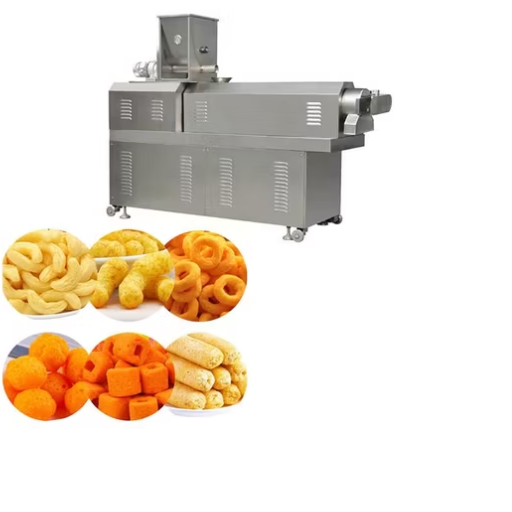
The main types of food processing equipment include preparation and cleaning machines, mechanical processing equipment, thermal processing systems, forming and extrusion equipment, drying and dehydration units, separation and filtration devices, packaging lines, and quality-control inspection systems. Each type handles a specific stage…
Industrial Food Machinery Equipment: Complete Guide to Types, Selection & Standards
Industrial food machinery equipment is the large-scale, automated, and sanitary machinery used to receive, prepare, process, thermally treat, package, and inspect food products in factories and co-manufacturing plants. The right food manufacturing equipment mix depends on your product, target throughput, hygiene requirements, and…