
Category Product Guides
915MHz vs 2450MHz Industrial Microwave: How to Choose the Right Frequency for Your Food Processing Line
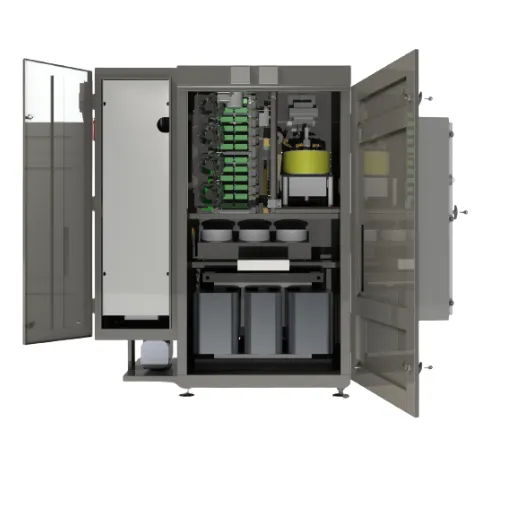
915 MHz penetrates 2.5 to 3 times deeper than 2450 MHz and delivers up to 100 kW per magnetron versus just 1.5 to 6 kW, making it the superior choice for thick, dense, or high-throughput applications. For thinner products, smaller…
Pet Food Microwave Sterilization Equipment: A Complete Guide for Manufacturers
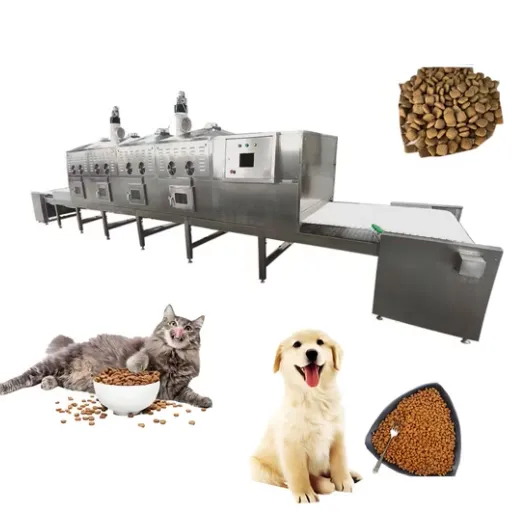
The best pet food microwave sterilization equipment uses 2450 MHz dielectric heating to eliminate pathogens at 75 to 80 degrees Celsius while preserving up to 90 percent of heat-sensitive vitamins. Industrial tunnel systems like the LY-series from Shandong Loyal Industrial…
Spice Powder Microwave Sterilization: Process and Equipment Guide
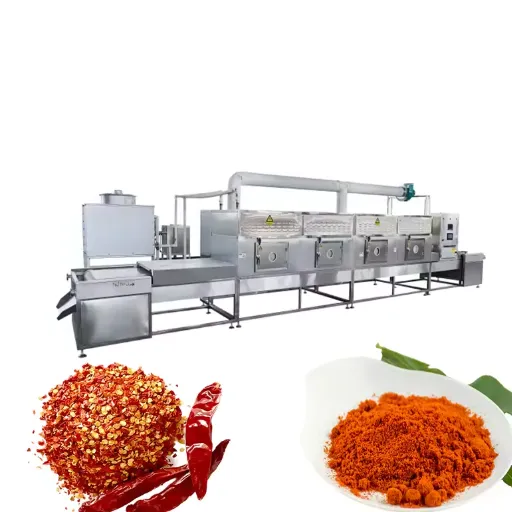
Spice powder microwave sterilization is the fastest chemical-free method for eliminating pathogens while preserving volatile oils and natural color. It uses electromagnetic energy to heat spices internally, achieving microbial reduction in 3 to 5 minutes without the moisture addition that causes…
Microwave Sterilization vs Retort Sterilization: Which System Fits Your Food Processing Line?
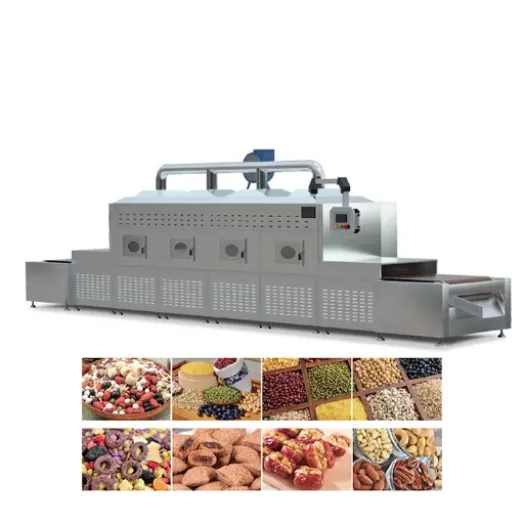
Microwave sterilization delivers faster processing, superior product quality, and lower energy costs compared to retort sterilization, while retort remains the proven standard for low-acid canned goods requiring maximum shelf life. The right choice depends on your product type, packaging format, production…
Pet Food Extrusion Troubleshooting: A Field-Ready Guide to Diagnosing Common Defects
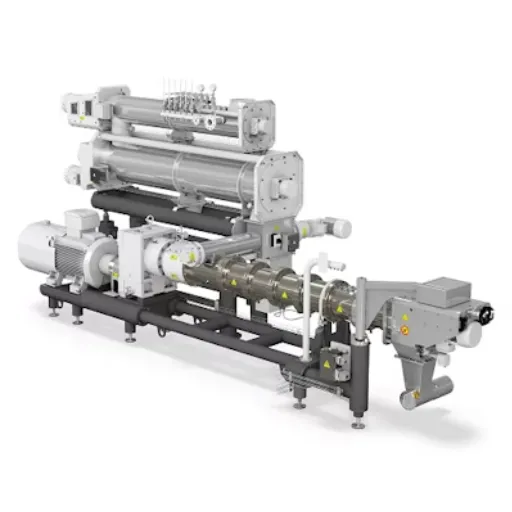
Most pet food extrusion defects trace back to one of three zones: the preconditioner, the extruder barrel, or the dryer. Pet food extrusion troubleshooting works best when operators isolate the zone first, then adjust one variable at a time. This…
Pet Food Packaging and Storage: A Manufacturer’s Guide from Extruder to Shelf

Effective pet food packaging and storage combines a high-barrier multilayer bag (oxygen transmission below 2 cc/m²/day), a controlled warehouse (under 27°C and 65% relative humidity), and a production line that hands off kibble at the right moisture and fat profile.…
Pet Food Extrusion vs Baking: Choosing the Right Production Process

The pet food extrusion process is the dominant manufacturing method for dry kibble, used in approximately 95% of global production, while baking offers a lower-temperature alternative that preserves more nutrients and supports premium product positioning. The right choice depends on…
Dry Dog Food Recipe Formulation: A Complete Guide for Commercial Production

Designing healthy dry dog food is also known as dry dog food recipe formulation (or formulation of dry dog food) which means designing dry dog food recipes that contain necessary nutrients and pass through the twin-screw extrusion process. On the…
Pet Food Safety Standards: A Manufacturer’s Guide to Equipment, Facility, and Process Compliance

The safety standards for pet food establish an integrated framework which combines regulations with current Good Manufacturing Practices (cGMPs) and hazard control measures to protect the safety and nutrition of pet food products while ensuring accurate product labeling. The standards…
Pet Food Production Line Layout: Complete Facility Design Guide
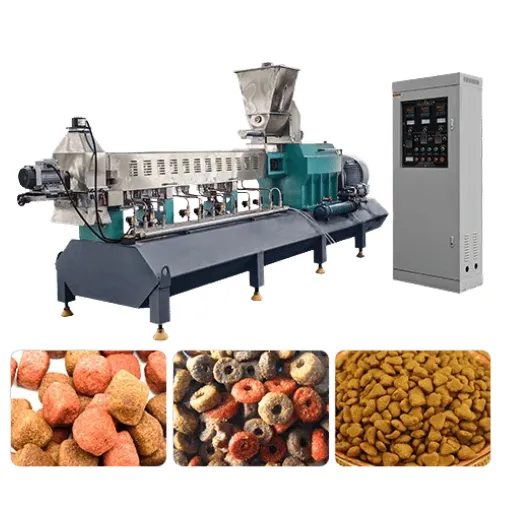
The production line layout for efficient pet food manufacturing requires an unidirectional system which starts at raw material intake and progresses through extrusion, drying, cooling, coating, and packaging operations while using HACCP zoning to create physical boundaries between pre-extrusion “dirty”…