
Category Blog
How to Start a Pet Food Business: A Complete Guide from Equipment to Launch
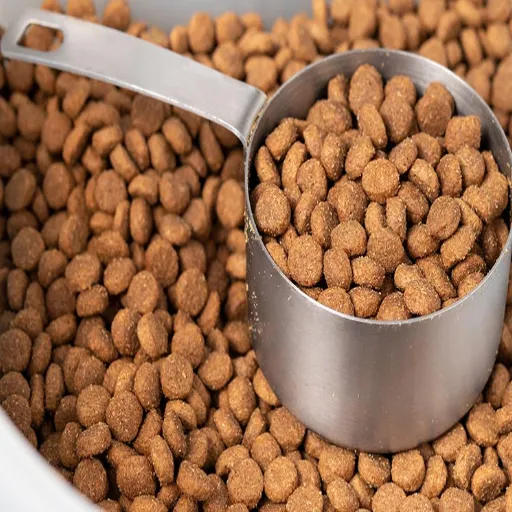
The business process starts with niche selection and regulatory compliance and recipe development for balanced nutrition and selection of production equipment that matches your scale and budget needs. That’s the short answer. The complete situation offers a more captivating explanation.…
High-Efficiency 500kg/h Fortified Rice Production Line for Indian Market
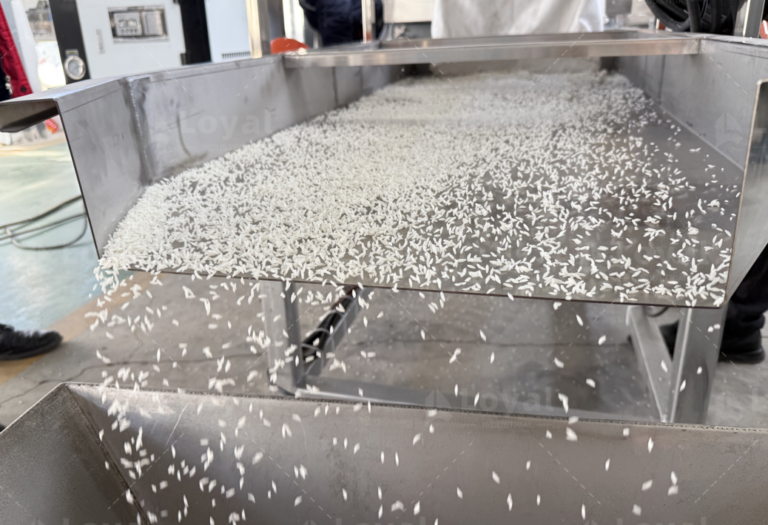
Jinan, China – We recently had the distinct pleasure of hosting two esteemed customers from India who specialize in the vital field of fortified rice production. Their mission was clear and purposeful: to identify a reliable, high-output manufacturing solution that…
Pet Food Extruder: A Complete Guide to Choosing the Right Machine for Your Production Line
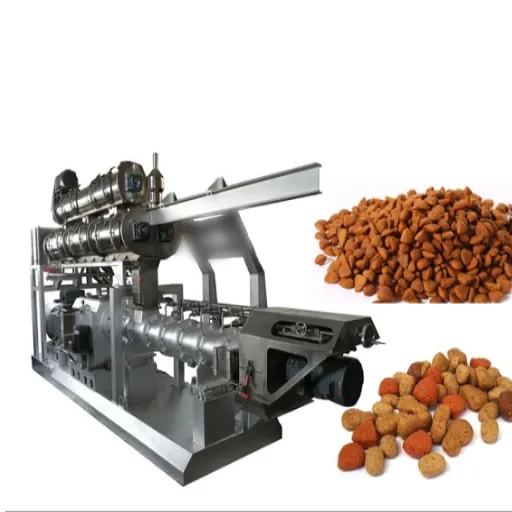
A pet food extruder is a high-temperature, high-pressure cooking system that transforms raw ingredients into shelf-stable kibble through a continuous extrusion process. Choosing the right extruder — whether single-screw or twin-screw, dry type or wet type — determines your product…
How to Make Dry Dog Food: Complete Manufacturing Guide
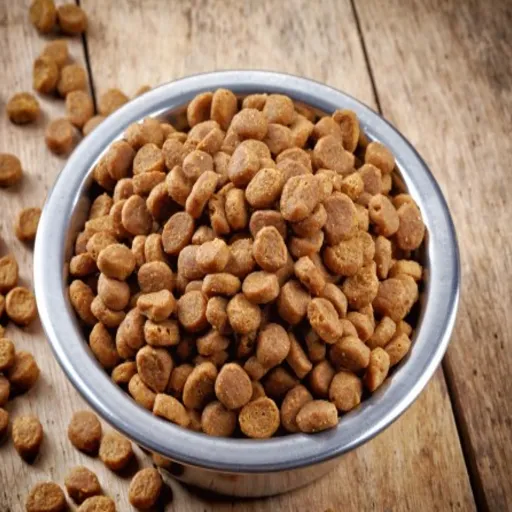
The production of commercial dry dog food depends on extrusion cooking which operates at high temperatures and high pressures to create shelf-stable kibble from raw materials. The operation progresses through seven stages which start with grinding and mixing and proceed…
Food Manufacturing Process: A Complete Guide to Industrial Production
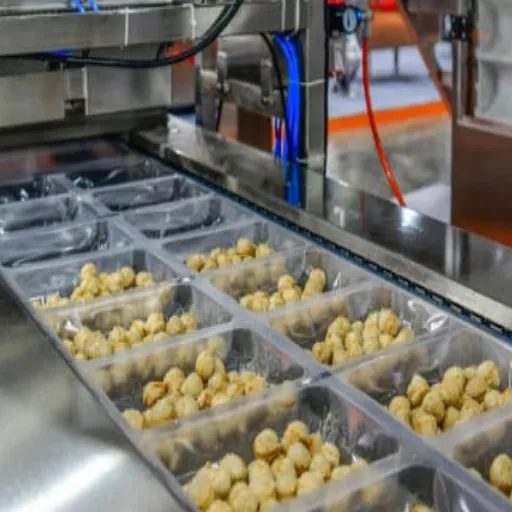
food manufacturing process encompasses the conversion of raw agricultural ingredients into ready-to-eat packaged items through seven primary stages: intake and preprocessing, blending and logistic, heat treatment, molding and structuring, dehydration and chilling, preprocessing and finalizing, and wrapping with requisite inspections.…
How to Make Puffed Rice: From Home Kitchen to Industrial Production

Home-cooked puffed rice involves boiling the rice until it is properly dried and letting the rice deep fried at a temperature range of 400-425°F for 3-10seconds which leads to puffing. In case of manufacturing facilities, certain equipment is used specifically…
How to Make Dry Dog Food: A Complete Manufacturing Guide
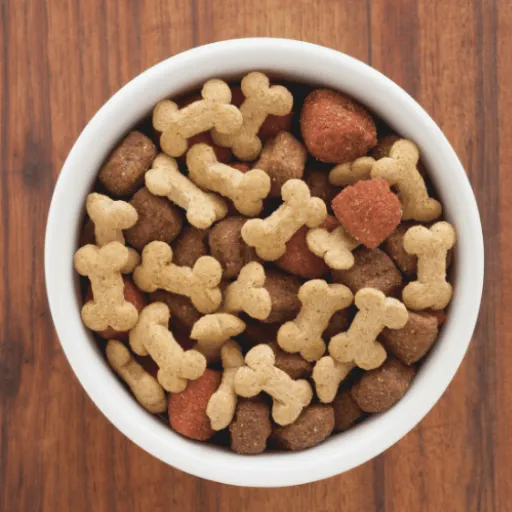
Dry dog food production starts with raw ingredients that undergo a controlled extrusion method, which uses high temperature and pressure to process the materials into permanent kibble form. The manufacturing process begins with protein and grain materials, which operators grind…
12 Best Snacks to Sell for Profit: From Home Kitchen to Commercial Production

Profitable snack products which will generate the highest revenue for businesses include extruded puff snacks and gourmet popcorn and tortilla chips and protein bars and fried savory snacks. These product categories achieve profitability because they require inexpensive raw materials yet…
2D 3D Pellet Production Line: A Complete Guide to Equipment, Process, and Selection
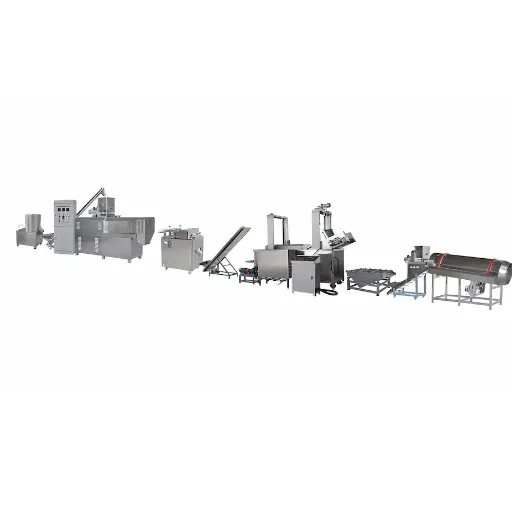
It is estimated that the market for snack pellets across the globe stands at more than $6 billion currently, and the companies that have targeted investment towards the 2D&3D Pellet Production Line have been able to capture the profitable segments.…
Industrial Microwave Sterilizer: A Complete Guide for Food Processors
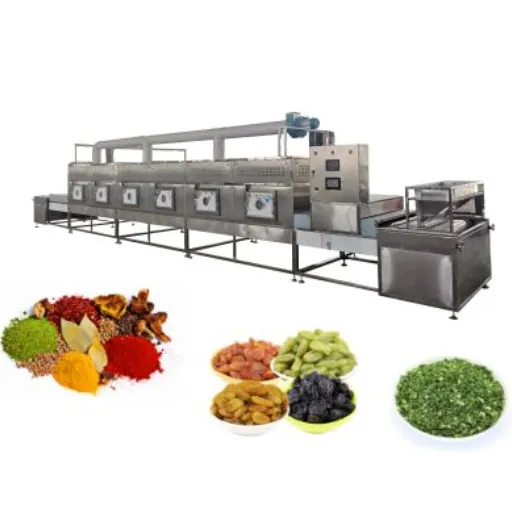
What would you do if I told you that there is a way to lower the energy costs by thirty five percent while preventing loss of volatile oils which usually are the main reason for the increased costs of spices?…