
Category Blog
Snacks to Sell at School: A Manufacturer’s Compliance & Equipment Guide
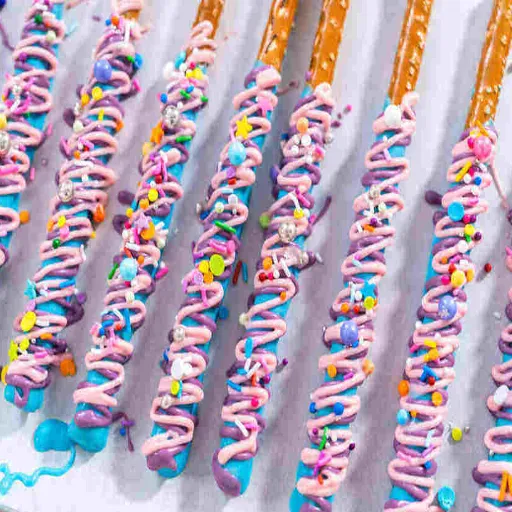
The best snacks to sell at school are single-serve, shelf-stable products that meet USDA Smart Snacks nutrition standards while still tasting good to students. For food manufacturers, that simple definition hides a complex production challenge: you must design recipes, choose equipment, and…
Healthy Snacks to Sell in 2026: A Manufacturer’s Guide to Better-for-You Production
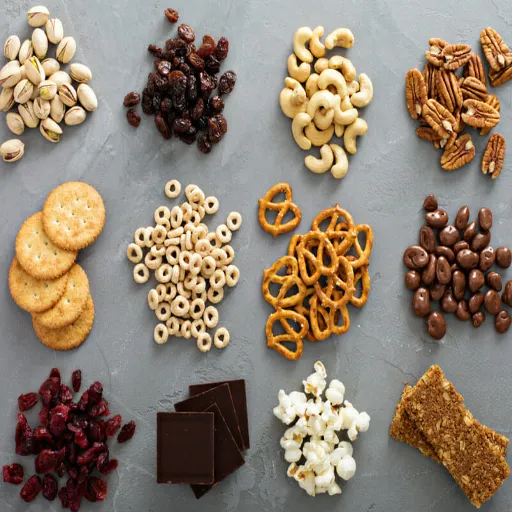
The healthiest snacks to sell in 2026 are protein bars, roasted nuts, baked vegetable chips, air-popped grains, protein puffs, gluten-free crackers, functional gut-health snacks, plant-based legume snacks, low-sugar granola, and air-popped popcorn. Each category matches a specific consumer demand, high…
Easy Snacks to Sell: Low-Effort Ideas for Beginners and Side Hustlers
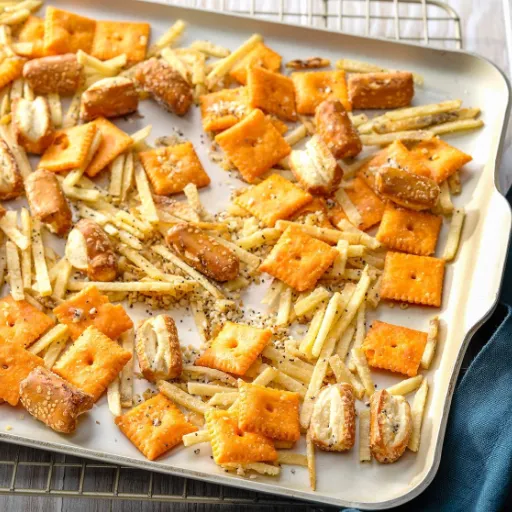
The easiest snacks to sell are popcorn, cookies, energy bites, roasted nuts, granola bars, brownies, fruit chips, and cotton candy. They require minimal ingredients, simple equipment, and little prep time, making them ideal for beginners, students, and side hustlers who want…
Homemade Snacks to Sell: From Cottage Kitchen to Commercial Production
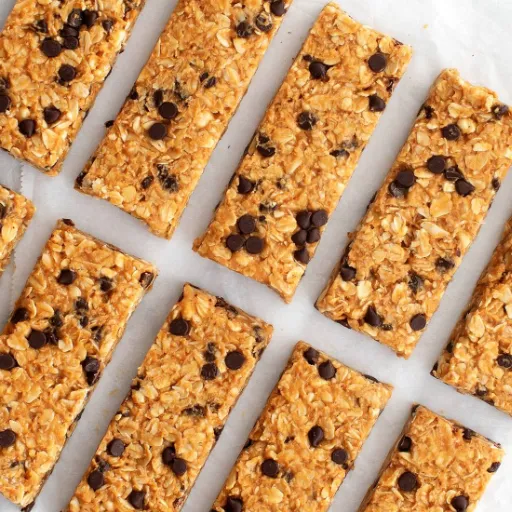
The best homemade snacks to sell in 2026 combine low startup cost, shelf stability, and a clear path to scale. Think gourmet popcorn, granola, energy bites, roasted nuts, protein bars, and vegetable chips. These products can start in a cottage kitchen, build…
How to Scale a Snack Business: From Kitchen to Production Line
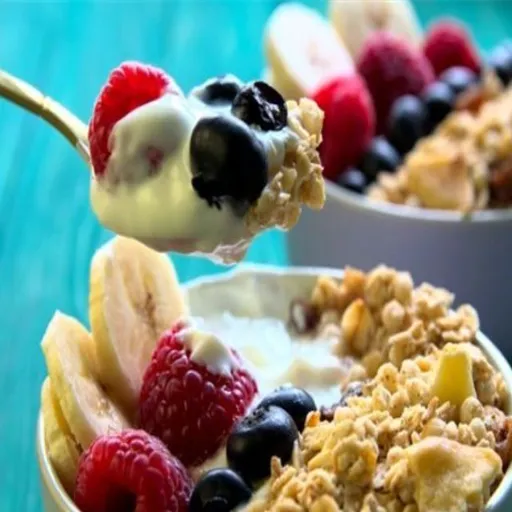
The most reliable way to scale a snack business is to match your production model to proven demand: standardize recipes and SOPs first, then move deliberately from shared kitchens to co-packing or in-house automated lines as your unit economics justify…
How to Start a Snack Business: A 10-Step Guide for 2026
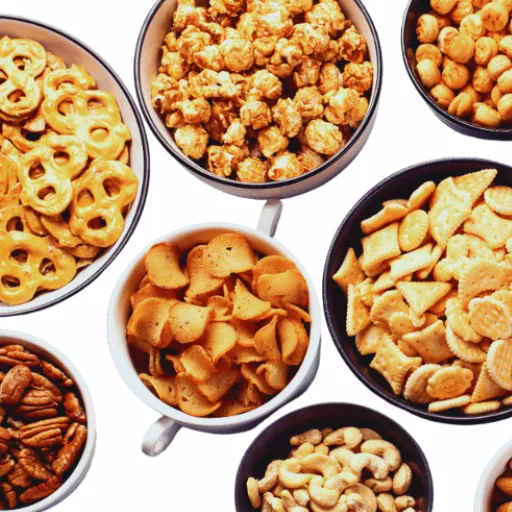
How to start a snack business: validate a focused niche, develop a recipe that scales, choose a production model that matches your capital, secure the required licenses, and launch sales before you commit to major equipment. Most successful snack brands start…
15 Snack Business Ideas for Every Budget: From Home Kitchen to Factory Floor
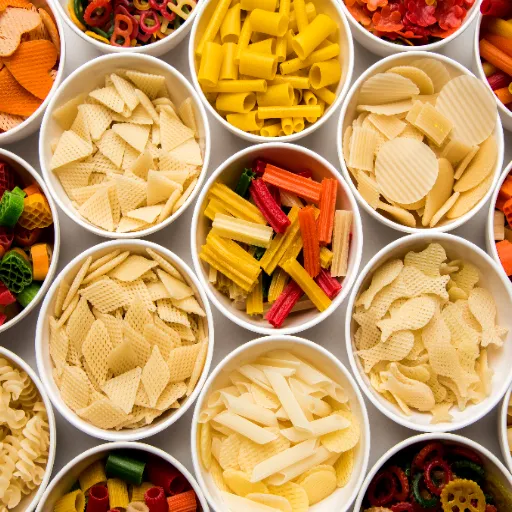
The best snack business ideas in 2026 span from 500home−kitchenoperationstomillion−dollarindustrialfacilities,withprofitablemodelsateverycapitallevel.Whetheryouwanttosellgranolaatfarmers′marketsorsupplyprivate−labelpuffstosupermarketchains,the500home−kitchenoperationstomillion−dollarindustrialfacilities,withprofitablemodelsateverycapitallevel.Whetheryouwanttosellgranolaatfarmers′marketsorsupplyprivate−labelpuffstosupermarketchains,the292 billion global snack market has room for you. Most articles listing snack business ideas fail where it matters most. They tell you WHAT snacks are popular, but they never show you…
12 Most Profitable Snacks to Sell in 2026: A Manufacturer’s Guide to High-Margin Production
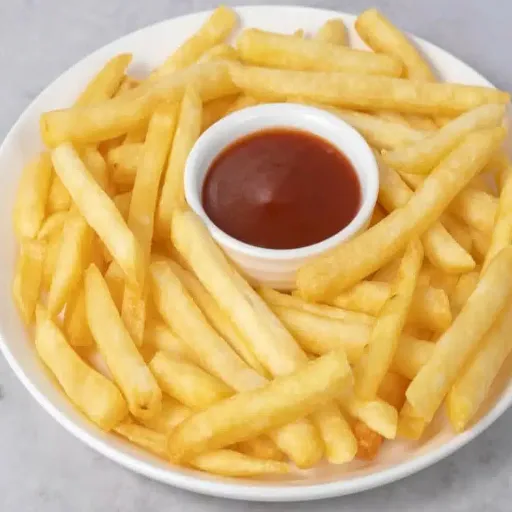
The most profitable snacks to sell in 2026 are extruded puff snacks, gourmet popcorn, protein bars, tortilla chips, roasted nuts, and healthy vegetable chips. Each of these categories delivers margins between 50% and 315% when manufactured at scale with the…
12 Best Snacks to Sell for Profit in 2026: From Home Kitchen to Commercial Production
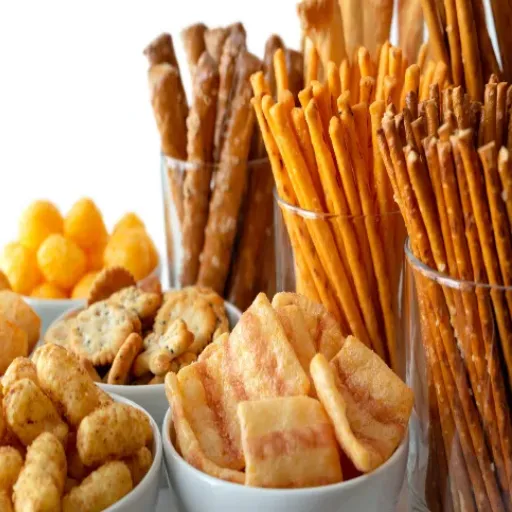
The best snacks to sell for profit in 2026 are extruded puff snacks, gourmet popcorn, tortilla chips, protein bars, fried savory snacks, and plant-based alternatives, all categories that combine low ingredient costs with strong consumer demand and scalable production potential.…
Continuous Microwave Sterilization Process: A 6-Stage Guide From Infeed to Packaged Product
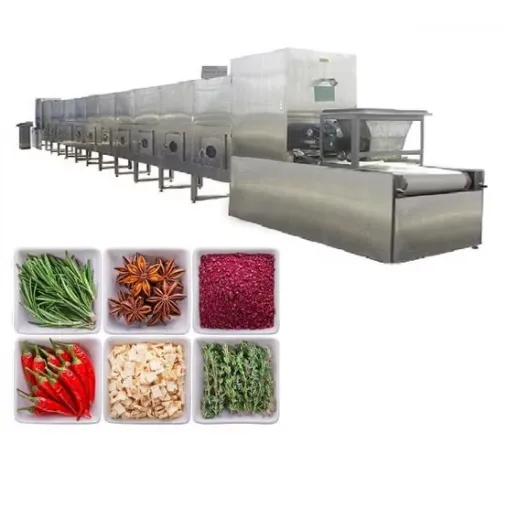
A continuous microwave sterilization process moves food products through six sequential stages, infeed, pre-heating, microwave cavity, holding, cooling, and discharge, on a conveyor belt inside a tunnel system. This method sterilizes products at throughputs of 10 to 2,000 kg per…