
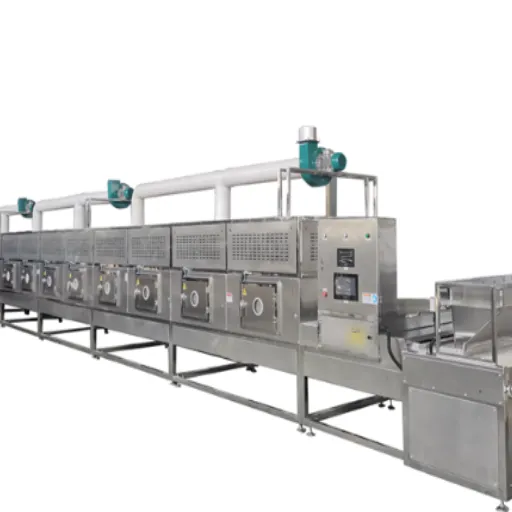
Industrial Microwave Sterilizer Maintenance: A Complete Preventive Maintenance Guide

A well-maintained industrial microwave sterilizer requires a structured preventive maintenance program with daily cleaning, weekly waveguide inspections, monthly calibration checks, and annual OEM validation to operate at peak efficiency for 10 to 15 years. Neglecting these tasks leads to magnetron failure, inconsistent sterilization, and costly production downtime that could otherwise be avoided.
Here is the reality most plant managers discover too late: a single magnetron failure can halt production for 24 to 48 hours, costing thousands in lost output. Yet an estimated 70 to 80 percent of these failures stem from just two preventable causes — overheating and reflected microwave energy. The difference between a sterilizer that runs reliably for a decade and one that breaks down every few months comes down to discipline in industrial microwave sterilizer maintenance.
In this guide, you will learn a complete preventive maintenance program for industrial microwave sterilizers. We cover daily operator tasks, weekly technician checks, monthly calibration protocols, and annual OEM servicing schedules. You will also find a maintenance checklist for continuous microwave dryer sterilizer systems, a component replacement timeline, a symptom-based troubleshooting table, and safety procedures to keep your team protected.
Key Takeaways
- Daily cleaning of conveyor belts and waveguide windows prevents 80 percent of arcing and hot-spot issues.
- Magnetrons last 5,000 to 8,000 hours but should be replaced proactively at 5,000 to 6,000 hours to avoid emergency downtime.
- Monthly testing and calibrating microwaves are crucial for safety and to meet regulations.
- A structured preventive maintenance program costs 8 to 12 percent of equipment purchase price annually but prevents reactive repair costs that run 3 times higher.
- Well-maintained industrial microwave sterilizers operate reliably for 10 to 15 years with consistent sterilization efficacy.
Why Preventive Maintenance Matters for Your Microwave Sterilizer
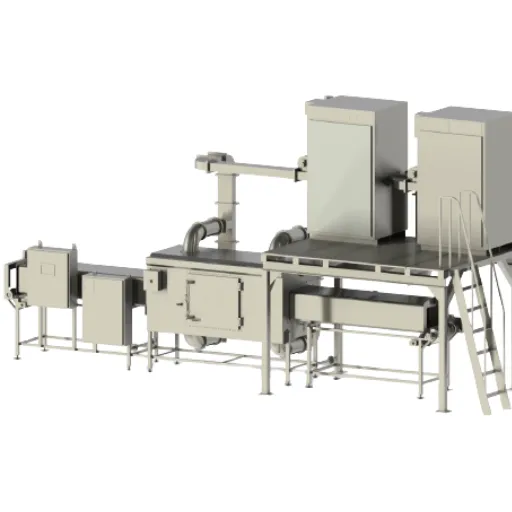
Food processing plants operate on thin margins. Every hour of unplanned downtime represents lost product, missed deadlines, and potentially broken customer contracts. For a mid-sized processing line, a single production halt can cost anywhere from 1,000to1,000to5,000 per hour — and that is before you factor in spoiled raw materials or expedited shipping to make up delays.
But the financial cost is only part of the story. When a microwave sterilizer fails mid-cycle, the partially processed batch often cannot be salvaged. Spices, powders, or ready-to-eat meals that have received incomplete sterilization must be quarantined or destroyed to protect food safety. This double loss — equipment repair plus product write-off — turns a minor maintenance oversight into a major operational crisis.
How Industrial Microwave Sterilizer Maintenance Impacts Sterilization Efficacy
Sterilization is not a set-it-and-forget-it process. The energy delivered to your product depends on the physical condition of multiple components working in harmony. Worn door seals allow microwave energy to leak from the chamber, reducing the dose reaching your product and creating inconsistent results from batch to batch. Product residue buildup on waveguide windows can absorb microwave energy, causing localized overheating, arcing, and hot spots that compromise uniform sterilization. NASAN’s technical parameters guide identifies waveguide contamination as a leading cause of performance degradation in industrial microwave sterilizers. Uncalibrated temperature sensors may read incorrectly, leading to under-processing that leaves pathogens alive or over-processing that damages product quality.
In short, poor maintenance does not just risk equipment failure. It risks the core purpose of the equipment: delivering safe, consistently sterilized product.
Regulatory and Audit Implications
HACCP plans, FDA inspections, and SQF audits all require documented evidence that your sterilization equipment is maintained and operating within validated parameters. Missing calibration logs, incomplete maintenance records, or undocumented repairs raise immediate red flags. A well-documented preventive maintenance program is not just good engineering practice — it is audit insurance.
Want to see how proper maintenance fits into the broader equipment selection process? Our complete guide to industrial microwave sterilizers covers everything from dielectric heating principles to batch versus tunnel configurations.
Daily Industrial Microwave Sterilizer Maintenance Tasks (Operator-Level)
Daily maintenance is the foundation of microwave sterilizer reliability. These tasks take 10 to 15 minutes at the end of each production shift and prevent the majority of common problems.
Daily Cleaning Protocol for Your Maintenance Checklist
After every production cycle, operators should wipe down all product-contact surfaces. This includes conveyor belts, chamber walls, waveguide windows, and door seals. Use food-safe, non-abrasive cleaners and soft cloths only. Avoid chlorinated chemicals, metal brushes, and abrasive pads — these can damage waveguide surfaces, scratch chamber linings, and leave residues that affect future batches.
Pay special attention to waveguide windows. These transparent panels allow microwave energy to enter the chamber while protecting the magnetron. Food residue, spice powders, and oil films that accumulate here absorb microwave energy, heat up, and can cause arcing or carbon tracking. A quick wipe after each shift prevents this buildup entirely.
Remove all visible product residue from the chamber interior. Leftover powder from one batch can mess up the next one and cause hot spots that damage stuff.
Door Seal and Safety Interlock Inspection
The door gasket is your main shield against leaks. During the daily cleaning, visually inspect seals for cracks, hardening, deformation, or embedded food particles. A damaged seal not only creates a radiation hazard but also reduces energy efficiency — leaked microwaves never reach the product, forcing the system to work harder to achieve the same sterilization result.
Verify that safety interlocks engage and disengage properly. These mechanical or electronic switches prevent the system from operating when the door is open. Never bypass or defeat an interlock, and never operate the sterilizer with a damaged seal. If you spot wear, flag it for replacement immediately.
Pre-Startup Visual Checks
Before the first production cycle each day, operators should perform a quick visual inspection: check electrical cords and connections for damage, confirm no foreign objects are inside the chamber, and verify that emergency stop buttons are functional and unobstructed. These 30 seconds of attention can prevent catastrophic failures.
Weekly Industrial Microwave Sterilizer Maintenance Tasks
Weekly tasks go deeper than daily cleaning. These checks address the systems that keep your sterilizer running: cooling, ventilation, and mechanical drive components.
Deep Cleaning and Residue Removal
Once per week, remove and clean conveyor belt components if the design allows. Pay attention to the underside of the belt and the rollers beneath it — these areas collect residue that daily surface wipes miss. Flush drain lines to prevent blockages that could cause moisture accumulation in electrical compartments.
Clean air intake and exhaust filters. Dust and product particles that clog these filters reduce cooling airflow, force magnetrons to run hotter, and shorten component life. In spice processing facilities, this is especially critical — airborne powders can form surprisingly dense filter blockages in just a few days.
Waveguide and Magnetron Cooling Inspection
The waveguide is the channel that directs microwave energy from the magnetron into the sterilization chamber. Inspect waveguide covers and windows for product deposits, discoloration, arcing marks, or burning. Any sign of arcing indicates a problem that needs immediate attention — continued operation risks fire and magnetron damage.
Verify that magnetron cooling is functioning correctly. For air-cooled systems, confirm that cooling fans are running, airflow is unobstructed, and heat sinks are free of dust. For water-cooled systems, check water flow rates and temperature. Magnetron overheating is the single most common preventable cause of premature failure.
Conveyor System Check
Misaligned conveyor belts cause uneven product heating, inconsistent sterilization, and premature belt wear. Weekly, inspect belt tracking — the belt should run centered without rubbing against either edge guide. Check that rollers and bearings rotate smoothly without binding, grinding, or excessive noise. Look for product buildup on rollers that could affect belt movement or introduce contaminants.
Monthly Maintenance Tasks and Waveguide Inspection
Monthly tasks require a trained maintenance technician with electrical safety knowledge. These checks verify that the system is operating within safe and validated parameters.
Microwave Leakage Testing
Use a calibrated microwave leakage detector to measure radiation levels around door seals, waveguide interfaces, viewing ports, and any access panels. The safe limit is less than 5 mW per square centimeter at 5 centimeters from any surface, though local regulations may impose stricter standards.
Document all readings in the maintenance log. Establish a baseline reading when the equipment is new, and investigate any upward trend over time. A gradual increase in leakage often signals gasket compression set or door misalignment — issues that are cheap to fix if caught early but expensive if ignored.
Belt Alignment and Bearing Lubrication
Adjust conveyor belt tracking as needed. Even minor misalignment causes edge wear, uneven product distribution, and reduced belt life. Lubricate bearings with food-grade grease per the OEM specification — using the wrong lubricant can contaminate product or fail under operating temperatures.
Electrical Connection Torque Check
Vibration from continuous operation loosens electrical connections over time. Monthly, inspect and tighten power terminals, grounding points, and control panel connections. Look for discoloration, pitting, or heat damage at terminals — these are warning signs of high-resistance connections that can cause arcing, fires, or control system faults.
Calibration Verification
Verify that temperature sensors read accurately by comparing them against a calibrated reference thermometer placed in the chamber. If your facility has access to a power meter, confirm that actual delivered microwave power matches the setpoint on the PLC display. Check that the PLC or HMI screen shows readings consistent with physical measurements. Calibration drift is gradual and insidious — monthly checks catch it before it affects product safety.
Component Wear Inspection
Examine microwave generators, or magnetrons, for physical damage, secure connections, and cooling integrity. Inspect door gaskets for compression set or hardening even if they are not yet leaking. If the system has a mode stirrer — a rotating component that distributes microwave energy — confirm it rotates smoothly without binding or excessive noise.
Curious about what specifications to look for when evaluating a new tunnel microwave sterilizer? Our tunnel microwave sterilizer specifications guide breaks down every critical parameter from power density to belt speed ranges.
Quarterly and Annual Maintenance (OEM / Qualified Technician)

Some tasks require specialized knowledge, equipment, or authorized parts. These should be performed by a qualified technician or the original equipment manufacturer.
Quarterly Tasks
Replace air and exhaust filters even if they do not appear dirty. Filter performance degrades before visible blockage occurs. Conduct a comprehensive seal and gasket evaluation — replace any showing wear before failure. Perform a deep clean of the sterilization chamber using manufacturer-approved agents and non-abrasive tools.
Inspect high-voltage components, including diodes, capacitors, and transformers, for stress signs. High-voltage capacitors in microwave systems can retain lethal electrical charges even when powered off. Only qualified personnel should access these compartments.
Annual Tasks
Schedule a full system validation and calibration by the OEM or a certified technician. This includes thermocouple calibration, power output mapping across the chamber, and verification that the complete sterilization cycle meets validated parameters.
Replace critical wear items proactively: door gaskets, degraded magnetrons, and worn bearings. Install any firmware or software updates for the PLC or HMI system. These updates often improve efficiency, patch security vulnerabilities, and ensure compatibility with evolving industry standards.
Conduct a comprehensive electrical safety inspection, verifying insulation resistance, grounding integrity, and high-voltage component condition. This is not just about equipment longevity — it is about protecting your maintenance personnel.
Component Replacement Schedule
Knowing when to replace components before they fail is the core of preventive maintenance. Here is a standard replacement timeline for industrial microwave sterilizers:
| Component | Typical Lifespan | Replacement Interval | Estimated Cost |
|---|---|---|---|
| Magnetron | 5,000 to 8,000 hours | Every 12 to 18 months (high use) | 800to800to2,000 |
| Conveyor belt | 2 to 4 years | When wear is visible | 500to500to1,500 |
| Door gaskets and seals | 2 years | Annually or per inspection | 100to100to300 |
| Mode stirrer bearings | 2 years | Every 2 years | 50to50to150 |
| Temperature sensors | 5+ years | When drift is detected | 200to200to500 |
| PLC and HMI system | 10+ years | When obsolete or failing | 2,000to2,000to5,000 |
The magnetron deserves special attention. At 800to800to2,000 each, it is the most expensive consumable component. But the true cost of magnetron failure includes emergency shipping, technician time, lost production, and potentially quarantined product. Replacing proactively at 5,000 to 6,000 operating hours — before failure — eliminates these downstream costs. For more on magnetron failure modes, Thermex-Thermatron’s analysis provides excellent technical detail on root causes and prevention strategies.
Need help calculating the total cost of ownership for your sterilization equipment? Our industrial microwave sterilizer cost analysis breaks down capital costs, energy savings, and maintenance expenses over a 5-year period.
Industrial Microwave Sterilizer Troubleshooting Guide
When something goes wrong, speed matters. This symptom-based guide helps technicians diagnose and resolve common issues.
Symptom-Based Diagnosis Table
| Symptom | Likely Cause | Recommended Action |
|---|---|---|
| Reduced sterilization power | Low magnetron emission, approaching end of life | Test output power under load; replace magnetron if below specification |
| Arcing or sparking in chamber | Food residue, cracked waveguide, or burnt antenna cap | Power down immediately; clean cavity thoroughly; inspect waveguide for cracks |
| Uneven product heating | Belt misalignment, failed mode stirrer, or incorrect frequency selection | Check belt tracking; verify stirrer rotation; confirm 915 MHz versus 2450 MHz suitability |
| Magnetron overheating | Blocked cooling, low water flow, or empty chamber operation | Verify cooling airflow or water flow; check thermal switches; never run without product load |
| Erratic temperature readings | Sensor drift, loose connections, or electromagnetic interference | Calibrate sensors against reference; check wiring shielding; tighten connections |
| Door seal leakage detected | Worn gasket, misaligned door, or damaged latch | Replace gasket; adjust door hinges for proper alignment; inspect latch mechanism |
| Conveyor belt slipping | Insufficient tension, worn drive roller, or residue buildup | Adjust tension per specification; clean rollers; replace drive roller if worn |
| Loud humming on startup with no heat | Internal magnetron short or severe arcing | Power down immediately; test magnetron filament resistance; replace if shorted |
Microwave Sterilizer Magnetron Replacement and Failure Prevention
Magnetrons are consumable components, but their lifespan varies dramatically based on care. The three most important prevention measures are:
- Never operate without adequate product load. Running an empty chamber causes nearly all microwave energy to reflect back into the magnetron, rapidly destroying the cathode and antenna assembly.
- Maintain cooling system integrity at all times. Blocked vents, failed fans, or insufficient water flow are the leading preventable causes of overheating failure.
- Replace proactively, not reactively. Plan magnetron replacement at 5,000 to 6,000 hours. Waiting for failure guarantees emergency downtime.
If your system is equipped with circulators or isolators — devices that protect the magnetron from reflected energy — verify their function during monthly checks. These components absorb reflected power before it can damage the magnetron.
When to Call the OEM
Some repairs should never be attempted in-house. Always contact the manufacturer or a certified technician for: high-voltage component replacement, annual validation and calibration, magnetron replacement, control system software issues, or any repair covered under warranty. Attempting these yourself risks personnel safety, equipment damage, and voided warranty coverage.
Frequently Asked Questions About Industrial Microwave Sterilizer Maintenance
How Often Should an Industrial Microwave Sterilizer Be Serviced?
Daily cleaning and visual checks should be performed by operators after every production cycle. Weekly inspections of waveguides, cooling systems, and conveyor components catch developing issues before they cause failures. Monthly calibration verification, leakage testing, and bearing lubrication require a trained maintenance technician. Annual full system validation and OEM servicing should be scheduled during planned shutdowns. This tiered schedule ensures comprehensive coverage without overwhelming any single role.
What Is the Lifespan of a Magnetron in an Industrial Microwave Sterilizer?
Industrial magnetrons typically last 5,000 to 8,000 operating hours, depending on cooling quality, load consistency, and operating conditions. The most common failure modes — overheating and reflected energy damage — are preventable. With rigorous preventive maintenance, many facilities achieve magnetron lifespans at the upper end of this range. We recommend proactive replacement at 5,000 to 6,000 hours to avoid unexpected downtime.
How Do You Test for Microwave Leakage in Industrial Equipment?
Use a calibrated microwave leakage detector to measure radiation levels around door seals, waveguide interfaces, and access panels. The safe limit is less than 5 mW per square centimeter at 5 centimeters from any surface. Perform this test monthly, document all readings, and investigate any upward trend from your baseline. Replace gaskets and adjust door alignment promptly if leakage exceeds safe thresholds.
Can You Run an Industrial Microwave Sterilizer Without a Load?
No. Running an empty chamber causes nearly all microwave energy to reflect back into the magnetron, rapidly destroying the cathode and antenna assembly. This is one of the fastest ways to cause catastrophic magnetron failure. Always ensure adequate product load before starting a sterilization cycle.
Safety Protocols for Maintenance Personnel
Industrial microwave sterilizers combine high-voltage electricity, microwave radiation, and moving mechanical components. Safety is not optional.
Lockout and Tagout (LOTO)
Always disconnect power and engage lockout and tagout procedures before performing internal maintenance. High-voltage capacitors in microwave systems can retain lethal electrical charges for minutes or hours after powerdown. Only trained people should fiddle with those high-voltage parts.
Don’t think the power switch alone will keep you safe. Physically disconnect the equipment from its power source, apply a personal lock, and verify zero energy state with appropriate testing equipment before beginning work.
Microwave Leakage Safety
If leakage is suspected, wear a personal microwave monitor during maintenance activities. Test leakage levels after any work involving doors, seals, or waveguides before returning the equipment to production. A single damaged gasket replaced incorrectly can create a radiation hazard that endangers operators and violates safety regulations.
Qualified Personnel Requirements
Match the task to the skill level. Operator-level tasks — daily cleaning and visual checks — can be performed by trained production staff. Technician-level tasks — monthly calibration, bearing lubrication, and belt adjustments — require a certified maintenance technician with electrical safety training. OEM-level tasks — annual validation, high-voltage work, and magnetron replacement — should be performed by a manufacturer-authorized service engineer.
Documentation and Compliance Records

Maintenance without documentation did not happen — at least, not in the eyes of auditors and regulators.
Required Maintenance Records
Every maintenance activity should be recorded with: the date, the technician’s name and qualifications, the equipment model and serial number, a description of tasks performed, parts replaced with part numbers and quantities, calibration readings and test results, the next scheduled service date, and a supervisor sign-off.
These records form the backbone of your equipment history file. When an auditor asks how you know your sterilizer is operating within validated parameters, these documents are your proof.
Digital Versus Paper Logs
Paper maintenance logs are simple and familiar but prone to loss, incomplete entries, and illegible handwriting. Computerized maintenance management systems, or CMMS, offer automated scheduling, photo documentation, and trend analysis that paper cannot match.
Many modern industrial microwave sterilizers now feature IoT-connected sensors that monitor magnetron temperature, cooling system performance, and energy output in real time. These systems can alert maintenance teams to emerging problems before they cause failure — shifting maintenance from scheduled intervals to predictive, condition-based intervention.
Looking for guidance on validation protocols and compliance documentation? Our food microwave sterilization validation protocol guide covers F0 values, biological indicators, and step-by-step compliance procedures.
Conclusion
A disciplined industrial microwave sterilizer maintenance program is the difference between a sterilizer that runs reliably for 15 years and one that breaks down every few months. Daily cleaning prevents the residue buildup that causes arcing. Weekly cooling checks protect magnetrons from the overheating that destroys 70 to 80 percent of them. Monthly calibration verification ensures your product receives the exact sterilization dose your HACCP plan specifies. And annual OEM validation keeps your equipment compliant, safe, and operating at peak efficiency.
The cost of a microwave sterilizer preventive maintenance schedule — typically 8 to 12 percent of equipment purchase price annually — is modest compared to the alternative. Emergency magnetron replacement, rush shipping, technician overtime, lost production, and quarantined product can easily run 3 times higher than a disciplined maintenance program. Research published in PMC found that microwave sterilization operating costs are more than 2 times lower than autoclave systems, a gap that widens further when preventive maintenance is neglected. And that is before you count the intangible costs of missed customer commitments and audit findings.
For food processors who depend on consistent sterilization quality, industrial microwave sterilizer maintenance is not a cost center. It is production insurance.
Ready to protect your production line with a maintenance program tailored to your equipment? Contact our engineering team to discuss a custom preventive maintenance schedule for your industrial microwave sterilization system, or explore our full range of industrial microwave equipment designed for reliability and long service life.