Category Blog
Modified Starch Manufacturing Process: A Step-by-Step Guide
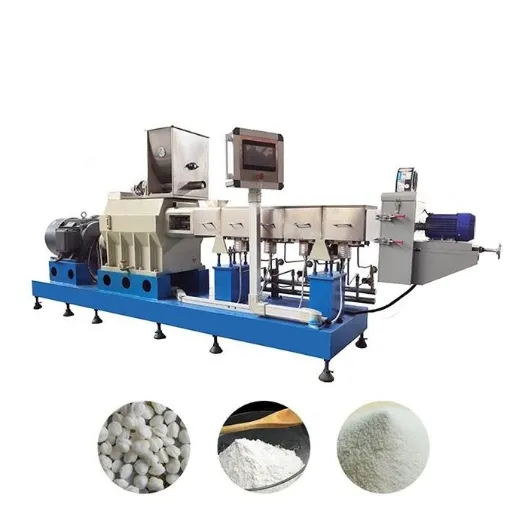
The modified starch manufacturing process turns native starch into a functional ingredient. It uses physical, chemical, enzymatic, or combined treatments. The typical flow has six stages: raw material pretreatment, feed preparation, modification reaction, neutralization and washing, drying, and final grinding or packaging.…
Modified Starch Production Line: Equipment & Process Guide
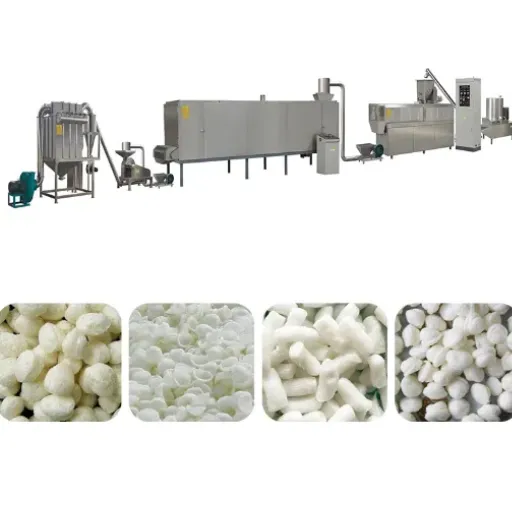
A modified starch production line is an integrated system of mixing, extrusion or reaction, drying, grinding, and packaging equipment that converts native starch into modified starch with enhanced functional properties. These lines typically process corn, cassava, potato, or wheat starch into products…
3D Pellet Snack Production Line: Complete Equipment Buyer’s Guide
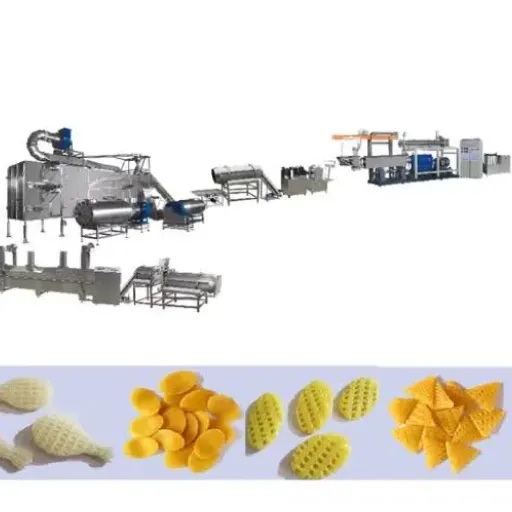
A 3D pellet snack production line is an automated manufacturing system that turns starches and flours into three-dimensional snack pellets. These pellets are dried into a shelf-stable intermediate and then fried or baked to create crispy, shaped snacks like bugles, cones, net…
Snack Pellet Production Process: From Raw Materials to Finished Snack
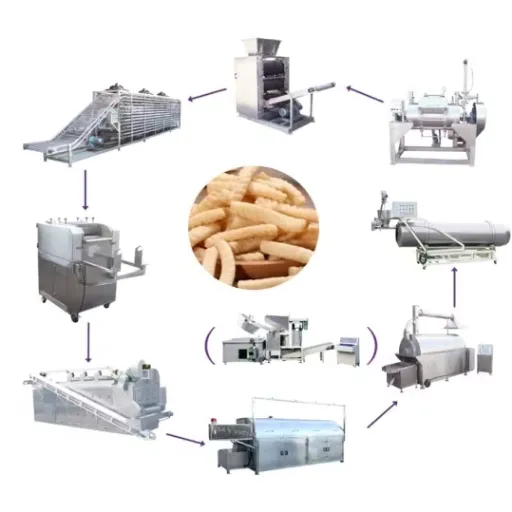
Snack pellets are made in two stages: first, starches and flours are mixed, extruded, shaped, and dried into a dense, shelf-stable half-product; then the pellets are expanded by frying, baking, air popping, or roasting and finished with seasoning. This two-stage snack…
2D vs 3D Pellet Production Line: Which Is Right for Your Business?
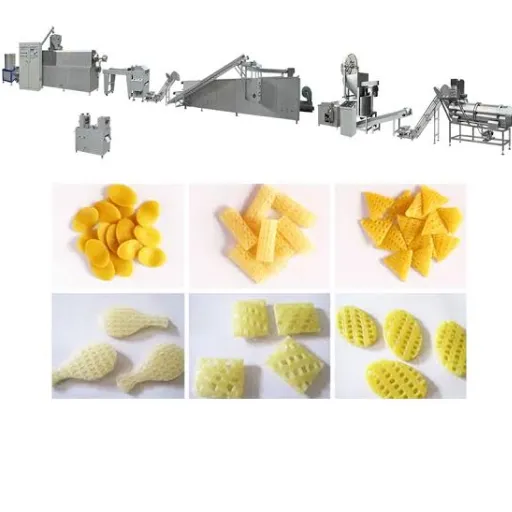
A 2D pellet production line is best for high-volume, budget-conscious snack manufacturers focused on flat products like fryums, rings, and papad. A 3D pellet production line is the better choice when you want premium, eye-catching shapes such as bugles, cones,…
Pellet Snack Extruder Machine: Selection, Operation & Maintenance Guide
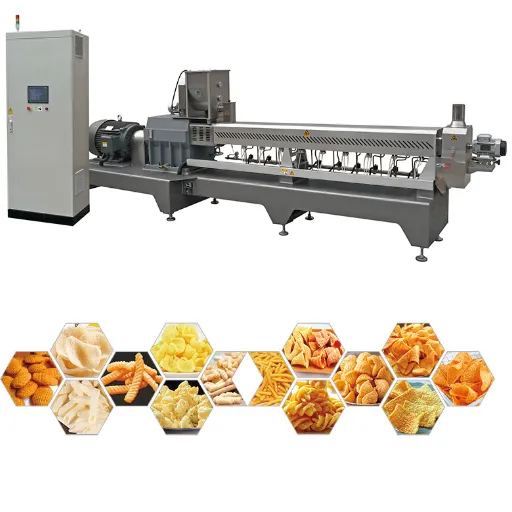
The best pellet snack extruder machine for your operation depends on three things: the shapes you want to produce, the raw materials you plan to use, and how much flexibility you need as your product range grows. For most commercial snack producers,…
Snack Pellet Production Line Price: 2026 Cost Guide & Budget Planner
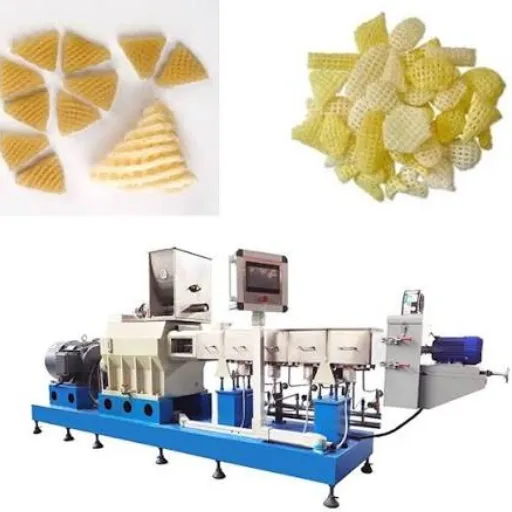
A snack pellet production line price typically ranges from 15,000forasmall80–150kg/hlineto15,000forasmall80–150kg/hlineto180,000 or more for an industrial 1,000+ kg/h system. Most growing snack producers land in the 26,000–26,000–47,000 range for a mid-capacity line that handles both 2D and 3D pellets. When Priya Sharma planned…
2D 3D Pellet Production Line: Complete Guide to Equipment, Process & Selection
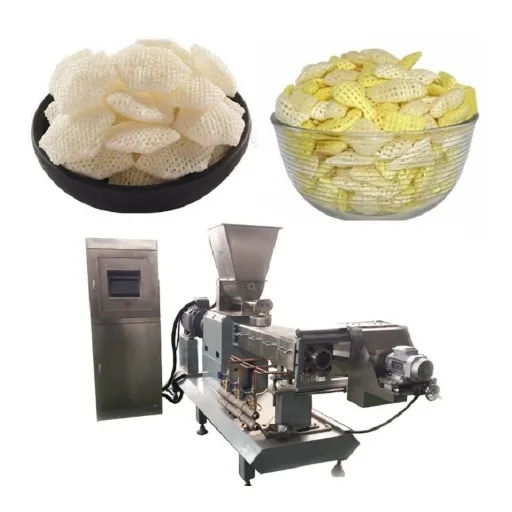
A 2D 3D pellet production line is an automated manufacturing system that produces semi-finished snack pellets in flat (2D) or three-dimensional (3D) shapes, which are later fried, baked, or hot-air puffed into finished crispy snacks. Choosing the right line means balancing equipment…
Snack Packaging Ideas That Sell: 2026 Design, Material & Production Guide
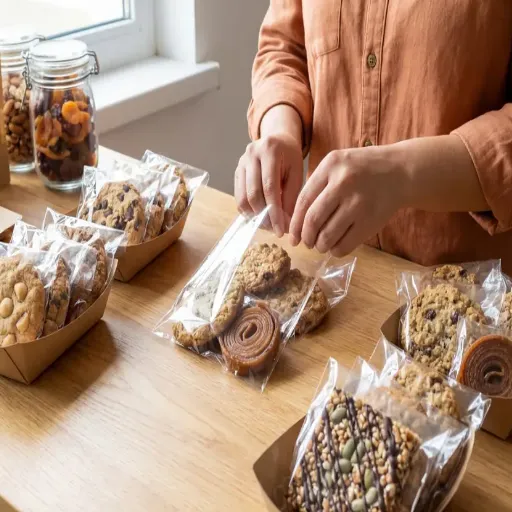
The best snack packaging ideas in 2026 are stand-up resealable pouches, mono-material recyclable films, compostable or bio-based pouches, single-serve and multipack portions, smart QR or NFC packs, tactile premium finishes, digital-print limited editions, and clear windowed bags. The right choice depends on your snack type, production scale, shelf-life…
Vending Machine Snacks: A Manufacturer’s Guide to Top-Selling Products
The best vending machine snacks in 2026 are classic salty snacks, protein bars, better-for-you chips, and functional items that survive dispensing. For snack producers, success in this channel depends on designing snacks that stay fresh, fit standard machine spirals, and…