
Category Blog
Ohio Snack Food Manufacturing: The Production Lines Behind the Buckeye State’s Iconic Snacks
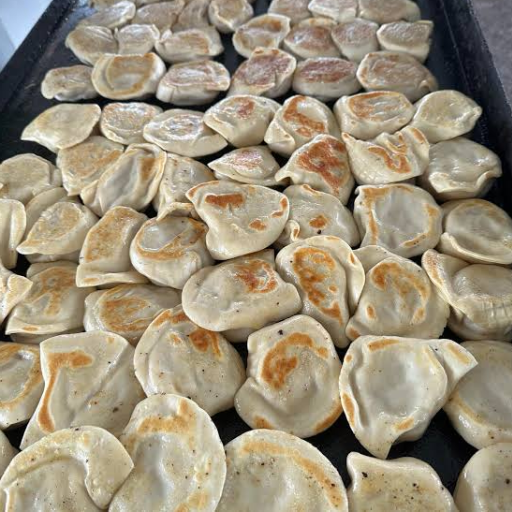
Ohio’s answer to “what food are you known for” is really a manufacturing story. Ohio snack food manufacturing has made the state the second-largest potato chip producer in the United States, behind only Pennsylvania, and the home of America’s first…
How a Fried Snack Production Line Makes Detroit’s Famous Chips
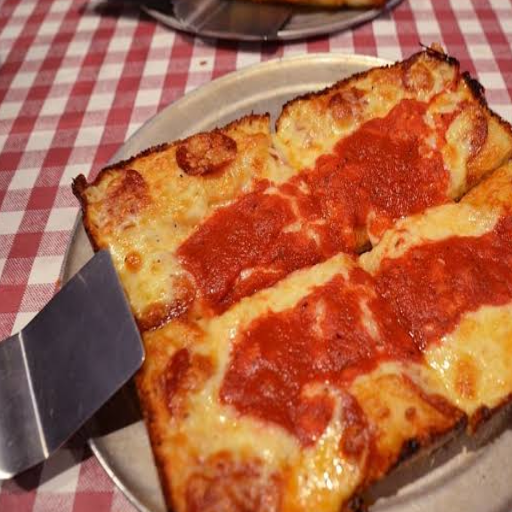
Detroit is known for Better Made potato chips, square Detroit-style pizza, coney dogs, and Faygo soda. The ones that land on grocery shelves nationwide, the chips and the pizza, are not made by hand. They come off industrial production lines.…
Are Corn Flakes Healthy? A Balanced Look at Nutrition, Benefits & Production Quality
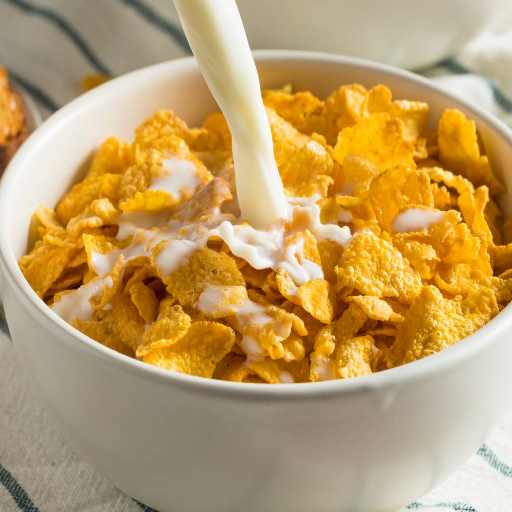
Are corn flakes healthy? Plain corn flakes can be a low-fat, fortified breakfast option, but they are also low in fiber and high on the glycemic index. Their health impact depends on the brand you choose, how much you eat, and…
What Food Is Indiana Known For? 12 Iconic Hoosier Dishes and Their Production Story
What food is Indiana known for? The short answer includes the breaded pork tenderloin sandwich, sugar cream pie, popcorn, persimmon pudding, sweet corn, and hearty Amish-German comfort foods. These dishes reflect the state’s agricultural strength and immigrant heritage. Indiana also ranks among the top U.S. producers…
Are Corn Flakes Healthy? A Balanced Look at Nutrition, Benefits & Production Quality
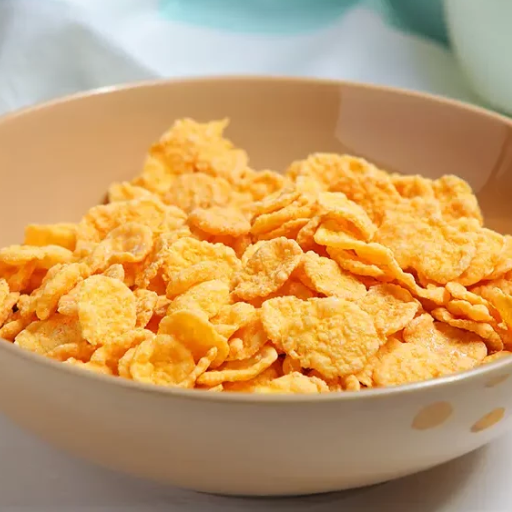
Are corn flakes healthy? Plain corn flakes can be a low-fat, fortified breakfast option, but they are also low in fiber and high on the glycemic index. Their health impact depends on the brand you choose, how much you eat, and…
Food Processing Equipment Cost: 2026 Pricing Guide for Buyers
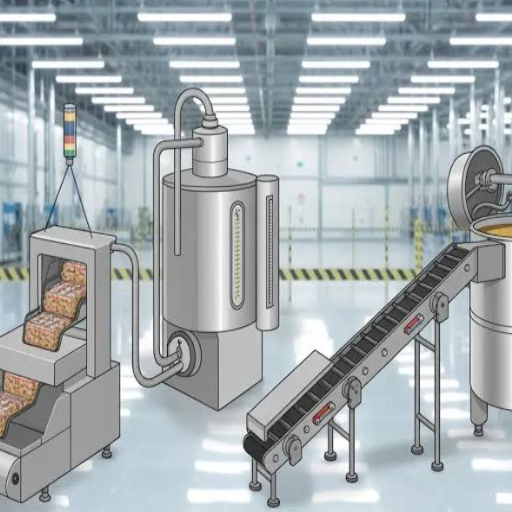
Food processing equipment cost typically ranges from 1,000 for asingle machine to 1,000 for asingle machine to 5,000,000 or more for a turnkey industrial line, with most commercial production lines falling between 150,000 and 150,000 and 1,500,000. That wide range surprises many…
Used Food Processing Machinery: A Complete Buyer’s Guide (2026)
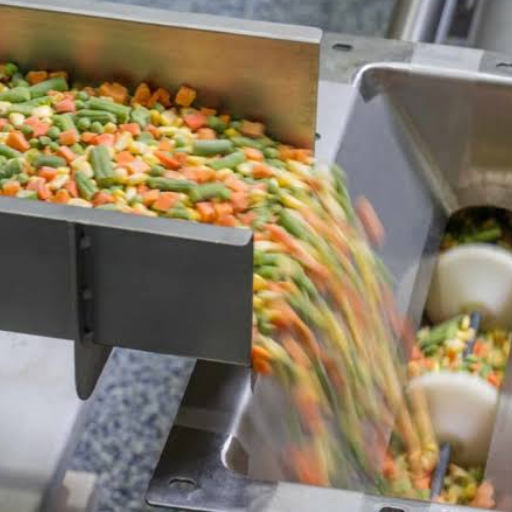
Used food processing machinery can cut your upfront capital expense by 30–60%, but only if the equipment is food-safe, well-documented, and matched to your real production needs. For many buyers, the real question is not whether used equipment is cheaper. It…
Commercial vs Industrial Food Equipment: A Buyer’s Guide for Food Producers
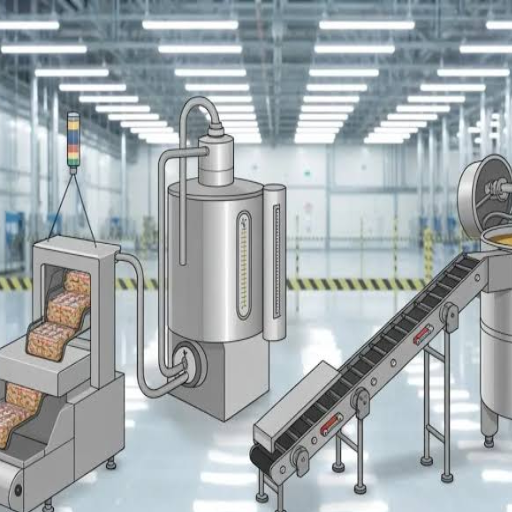
The main difference between commercial vs industrial food equipment is scale and purpose. Commercial equipment is built for restaurants, cafés, catering, and foodservice operations that prepare moderate volumes of food for immediate sale. Industrial equipment is engineered for factories, co-manufacturing plants, and…
Food Processing Equipment Maintenance: A Complete Guide for Food Manufacturers
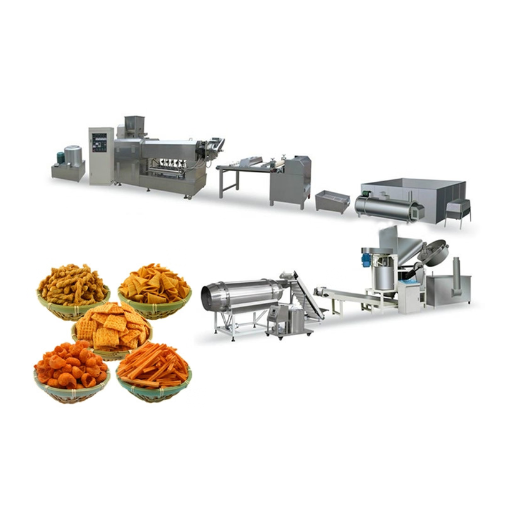
Food processing equipment maintenance is the planned and reactive care of machinery used to produce, handle, and package food. A strong program combines preventive inspections, predictive condition monitoring, corrective repairs, and scheduled overhauls to keep equipment safe, compliant, and productive.…
Stainless Steel Food Processing Equipment: Grades, Standards & Selection Guide
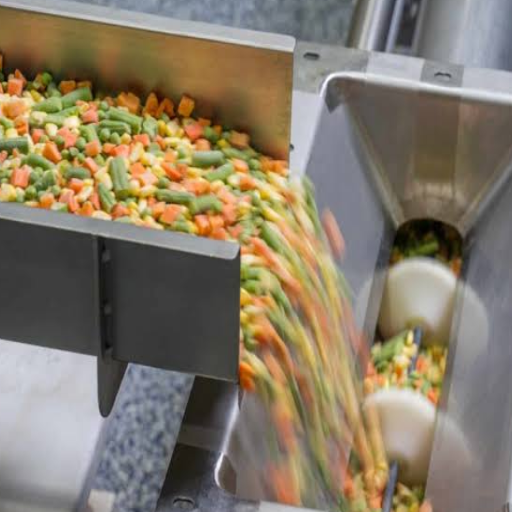
Stainless steel food processing equipment is the default choice for hygienic food manufacturing because it resists corrosion, cleans thoroughly, and meets global food-safety standards for food-safe stainless steel construction. Most stainless steel food processing equipment uses 304 stainless steel for general applications and 316…