
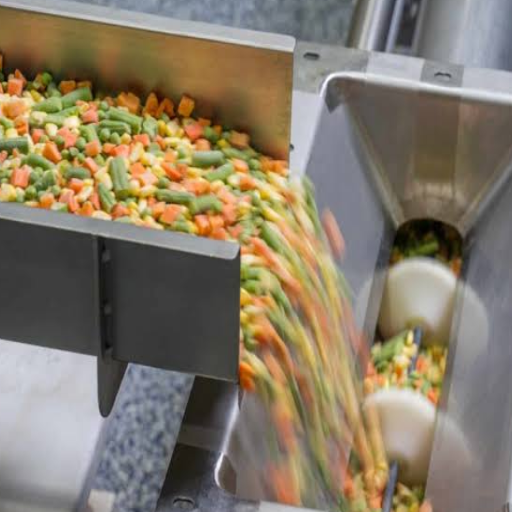
Stainless Steel Food Processing Equipment: Grades, Standards & Selection Guide

Stainless steel food processing equipment is the default choice for hygienic food manufacturing because it resists corrosion, cleans thoroughly, and meets global food-safety standards for food-safe stainless steel construction. Most stainless steel food processing equipment uses 304 stainless steel for general applications and 316 stainless steel for harsh environments with salt, acid, or chloride exposure.
But choosing the right grade is only part of the decision. Maria, a procurement manager at a snack plant in Southeast Asia, learned this the hard way. She specified 304 for a new fried snack line to save on upfront costs.
Within 18 months, chloride residue from daily washdowns began pitting the conveyor frames. The repair bill swallowed her savings and forced a second procurement cycle. The material was stainless, but it was the wrong stainless for the environment.
This guide will help you avoid that mistake. You will learn why stainless steel dominates food-contact machinery, how to choose between 304 and 316, what surface finishes and certifications matter, and how to maintain your equipment for a longer service life.
Key Takeaways
- 304 stainless steel suits most dry, low-chloride food applications; 316 stainless steel is the safer choice for salt, acid, seafood, dairy, and coastal environments.
- Material grade matters less than surface finish, weld quality, and passivation when it comes to hygiene and corrosion resistance.
- Food-contact surfaces commonly require a finish of Ra ≤ 0.8 μm and compliance with standards such as FDA, NSF/ANSI 51, 3-A, and EHEDG.
- Daily rinse-down, avoidance of chlorinated cleaners, and periodic passivation can extend equipment life by years.
- A clear procurement checklist covering grade, finish, welds, passivation, and certifications protects both budget and food safety.
What Is Stainless Steel Food Processing Equipment?
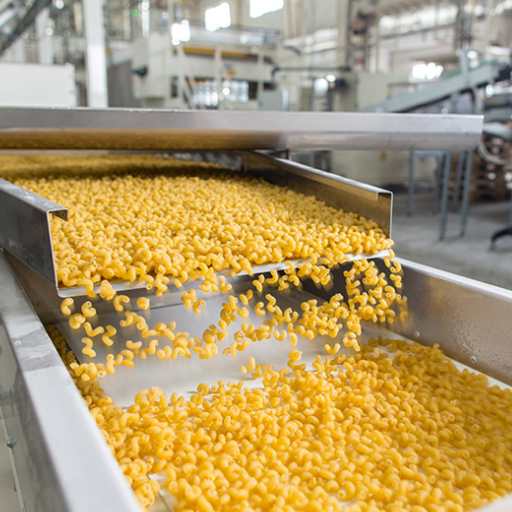
Stainless steel food processing equipment is machinery and surfaces built from corrosion-resistant, food-grade stainless steel alloys to prepare, process, store, and package food safely. In other words, it is food grade stainless steel processing equipment designed for hygienic manufacturing environments. Common examples include tanks, mixers, conveyors, extruders, fryers, dryers, work tables, pipes, and fittings.
If you are early in the procurement process, our guide to choosing industrial food processing equipment walks through capacity, layout, and supplier evaluation before you specify materials.
The most common alloys are 304 (also known as SUS 304 or 18/8 stainless steel) and 316 (also known as SUS 316). SUS 304 food grade stainless steel is the most widely specified grade for food contact worldwide. Both contain chromium and nickel. These metals form a passive oxide layer that resists rust and chemical attack.
The key difference is molybdenum. 316 adds 2–3% molybdenum, giving it superior resistance to chlorides and acids.
Food manufacturers choose stainless steel because it combines durability with cleanability. A non-porous surface leaves nowhere for bacteria or food residue to hide. That matters when a single contamination event can trigger a recall, an audit failure, or lost customer trust.
These are just a few of the types of food processing equipment that manufacturers combine into complete production lines.
If you are planning a complete stainless steel food processing equipment line, our food production line solutions cover everything from raw material handling to final packaging.
Why Stainless Steel Food Processing Equipment Is the Industry Standard
Stainless steel food processing equipment did not become the industry standard by accident. Several properties make it uniquely suited to food manufacturing.
Corrosion Resistance
Food plants are wet, salty, and acidic. Stainless steel is the dominant material across industrial food machinery equipment because it withstands the washdowns, steam, and acids common in food plants. It forms a self-healing chromium oxide layer that protects the base metal. This layer is why properly maintained stainless equipment can last decades.
Non-Porous, Cleanable Surface
Bacteria need microscopic hiding places. Pits, cracks, and rough surfaces become reservoirs for contamination. Stainless steel can be finished to a smooth, low-roughness surface that cleans easily and meets sanitary design principles.
Chemical Stability and Food Safety
Stainless steel does not react with most foods. It will not alter taste, color, or odor. It also does not flake, chip, or shed particles into the product stream the way coated or painted surfaces can.
Durability Under Harsh Cleaning
Food equipment must survive aggressive cleaning schedules. Caustic detergents, acid rinses, high-pressure spray, and thermal cycling all stress materials. Stainless steel tolerates this better than aluminum, carbon steel, or most plastics.
Temperature and Mechanical Strength
Stainless steel retains strength across a wide temperature range. That is critical for equipment that handles pasteurization, sterilization, frying, freezing, or industrial microwave equipment.
304 vs 316 Stainless Steel: Which Grade Do You Need?
The 304 versus 316 decision is the most common question buyers face. The right choice depends on your product, cleaning regimen, and operating environment. This food grade stainless steel 304 vs 316 comparison will help you match the alloy to your application.
Table: Stainless steel food processing equipment grades compared
| Property | 304 / SUS 304 | 316 / SUS 316 |
|---|---|---|
| Chromium | ~18% | ~16–18% |
| Nickel | ~8% | ~10–14% |
| Molybdenum | None | 2–3% |
| Corrosion resistance | Good | Excellent, especially against chlorides |
| Typical cost | Baseline | 20–40% higher than 304 |
| Best for | General food, dry snacks, bakery, beverage | Seafood, meat, dairy, acidic foods, coastal plants |
When to Specify 304 (or 304L)
304 is the workhorse of the food industry. 304 stainless steel food processing equipment is ideal for dry, low-chloride environments where corrosion risk is modest. Specify it for:
- Dry food processing, such as snack extrusion, baking, and grain milling
- Low-chloride beverage and dairy applications
- Work tables, machine guards, enclosures, and non-contact frames
- Indoor facilities with normal washdown and no heavy salt exposure
- Budget-sensitive projects where corrosion risk is low
For welded equipment, 304L is often preferred. The lower carbon content reduces heat-related corrosion risk near welds.
When to Specify 316 (or 316L)
316 earns its premium in aggressive environments. 316 stainless steel food processing equipment is the safer choice when salt, acid, or chloride-based sanitizers are present. Specify it for:
- Seafood, meat, and poultry processing with blood, brine, or salt
- Acidic foods such as tomato sauce, citrus juice, pickles, and vinegar
- Equipment exposed to chloride-based sanitizers or frequent CIP cycles
- Coastal or high-humidity facilities with salt-laden air
- Applications where long service life and low downtime justify higher upfront cost
For example, a coastal shrimp processor switched contact surfaces and washdown frames to 316L after 304 frames began pitting in under two years. The upgrade added roughly 30% to the material bill but eliminated unplanned downtime during peak season.
Cost vs. Lifespan Analysis
316 typically costs 20–40% more than 304. In mild environments, that premium may not pay back. In harsh environments, 316 can last 10–15 years or more, while 304 may need replacement or major repair in 5–8 years.
Total cost of ownership includes more than material price. Downtime, rework, sanitation failures, and replacement labor can quickly erase the savings from choosing the cheaper grade.
Surface Finish, Welding, and Fabrication Standards
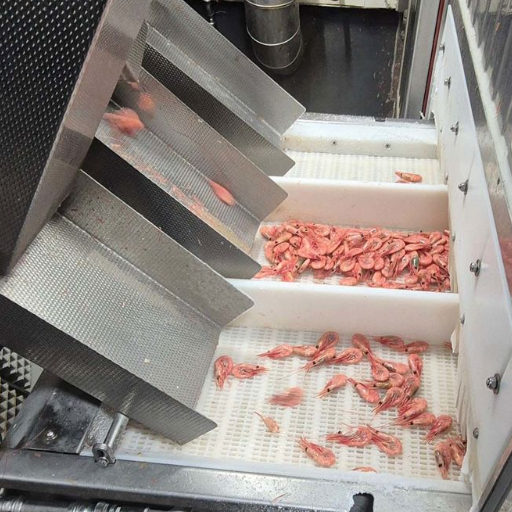
A common misconception is that buying 316 stainless steel food processing equipment guarantees hygiene. It does not. Surface finish and fabrication quality often matter more than alloy grade.
Required Surface Roughness (Ra ≤ 0.8 μm)
Industry guidance from 3-A Sanitary Standards and EHEDG typically calls for a surface roughness of Ra ≤ 0.8 μm on product-contact surfaces. That is roughly equivalent to a No. 4 brushed finish. Smoother finishes reduce bacterial adhesion and make cleaning easier.
Sanitary Welding and Joint Design
Welds are weak points. Poor welding creates crevices, pores, and heat tint that harbor bacteria and corrode. Sanitary welding requirements include:
- Full penetration and smooth, continuous beads
- Inert gas back-purging to prevent oxidation inside pipes and tanks
- Removal of heat tint through pickling or passivation
- Rounded internal corners with minimum 3/16 inch radius where product contacts the surface
Passivation and Electropolishing
Passivation restores the protective chromium oxide layer after fabrication. It removes free iron left by machining, welding, or handling. Electropolishing goes further by dissolving a thin surface layer, leaving an even smoother, more corrosion-resistant finish.
For critical dairy, pharmaceutical, or high-acid applications, electropolished 316 is often the specification of choice.
Common Finish Designations
- 2B: Smooth, cold-rolled finish common for tanks and sheet metal
- No. 4 / #4: Brushed finish widely used for food contact surfaces
- BA (Bright Annealed): Highly reflective, very smooth finish
- Electropolished: Ultra-smooth, premium finish for demanding sanitary applications
Key Certifications and Compliance Standards
Global buyers expect stainless steel food processing equipment to meet recognized standards. Knowing which certifications apply helps you communicate with suppliers and auditors.
FDA / FSMA (U.S.)
The U.S. Food and Drug Administration regulates materials in contact with food. Stainless steel with at least 16% chromium is generally accepted for food contact. FSMA preventive controls also require equipment designs that reduce contamination hazards.
NSF/ANSI 51
NSF/ANSI 51 evaluates materials used in commercial food equipment. Certification indicates that the material is safe, non-toxic, and suitable for food contact under expected use conditions.
3-A Sanitary Standards
3-A standards are widely required in dairy, meat, poultry, and beverage processing. They specify material, surface finish, drainability, cleanability, and weld quality. Equipment that carries 3-A certification is recognized by USDA, FDA, and many state dairy regulators.
EU 1935/2004 and EHEDG
EU Regulation 1935/2004 governs materials in contact with food in Europe. The European Hygienic Engineering & Design Group (EHEDG) publishes guidance on hygienic design, including stainless steel surface finishes and cleanability.
ISO 22000 / HACCP Alignment
ISO 22000 and HACCP are management systems, not material standards. However, both require equipment that supports hazard control. Specifying the correct stainless steel grade, finish, and welds makes HACCP verification easier.
When you evaluate a supplier, ask for documentation. A reputable manufacturer should provide material certificates, welding records, passivation reports, and applicable third-party certifications.
Selecting Stainless Steel Food Processing Equipment for Your Production Line
Material selection for stainless steel food processing equipment should match your process, not just your budget. Here is a practical framework.
Match Grade to Product Environment
Start by listing every exposure: salt, acid, moisture, chlorides, temperature extremes, and cleaning chemicals. If chloride exposure is high, lean toward 316. If the environment is dry and mild, 304 is usually sufficient.
For food extrusion solutions, barrel sections, dies, and cutters often see abrasion and heat. 304 or specialized tool-steel inserts are common, while frames and guards may use 304 or 316 depending on washdown chemistry.
Specify Finish and Weld Quality Upfront
Do not leave surface finish to assumptions. State the required Ra value, acceptable finish designation, and welding standard. Require documentation and, for large orders, third-party inspection.
Request Passivation and Inspection Reports
Ask for passivation certificates that conform to ASTM A967 or an equivalent standard. Verify that inspections cover product-contact welds, corners, and drainability.
Evaluate Supplier Certifications and Track Record
A supplier with ISO 9001, documented HACCP alignment, and experience exporting to your target market reduces procurement risk. Ask for reference installations in similar products and environments.
How to Vet a Stainless Steel Equipment Supplier
Price matters, but it should not be the only filter. Start by requesting a mill test report or material certificate for the stainless steel grade quoted. This document confirms the alloy composition and proves the steel meets the specified standard.
Next, review the supplier’s quality record. Look for documented welding procedures, passivation protocols, and inspection reports from past orders. If possible, arrange a video factory audit or third-party inspection before shipment.
Finally, confirm after-sales support. Spare parts availability, commissioning assistance, and responsive technical support often determine whether a line reaches full production on schedule. A lower quote can become the more expensive option if support is slow or spare parts are hard to source.
Maintenance and Corrosion Prevention
Even the correct grade will fail if it is neglected. Daily maintenance keeps your stainless steel food processing equipment corrosion-free and audit-ready.
Daily Cleaning Best Practices
- Rinse debris promptly before it dries
- Use alkaline or neutral detergents recommended for stainless steel
- Clean with the grain using non-abrasive pads
- Rinse thoroughly and dry when possible
Avoiding Chloride and Bleach Damage
Hypochlorite bleach and chloride-based sanitizers are common causes of pitting. If your sanitation protocol requires them, specify 316 and rinse equipment thoroughly after each exposure. Never leave salt or brine residue on 304 surfaces overnight.
Periodic Passivation
Over time, the passive layer can degrade from mechanical damage or chemical exposure. Periodic passivation with nitric or citric acid restores protection. Many plants schedule passivation during annual shutdowns.
Early Signs of Pitting or Crevice Corrosion
Watch for reddish-brown staining, small dark pits, or rough patches. These are warning signs that cleaning chemistry or material grade may be mismatched. Address them early to avoid costly replacement.
Cost, ROI, and Procurement Checklist for Stainless Steel Food Processing Equipment
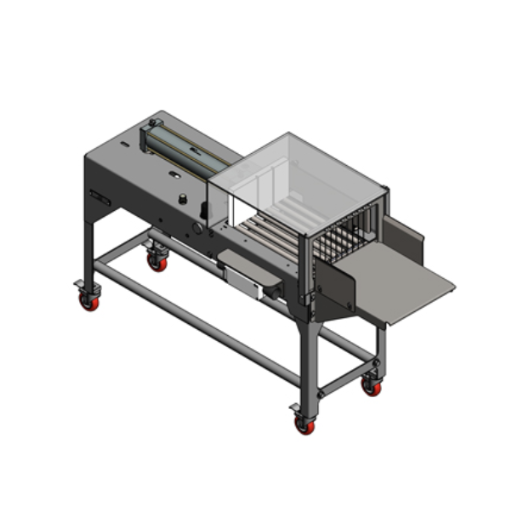
Buying food grade stainless steel processing equipment is a capital decision. Use this checklist to compare options fairly.
Typical Grade Cost Differential
316 stainless steel typically costs 20–40% more than 304. The exact premium depends on sheet thickness, market prices, and fabrication complexity.
Total Cost of Ownership Considerations
Look beyond the purchase price. Material grade is only one line item in the total food processing equipment cost; installation, commissioning, spare parts, and support also affect ROI. Include:
- Expected service life in your specific environment
- Cleaning chemical and labor costs
- Downtime risk during peak production
- Spare parts availability and lead times
- Warranty and after-sales support
Buyer Checklist
Before signing a purchase order, confirm:
- Stainless steel grade stated and certified (304, 304L, 316, or 316L)
- Surface finish specified with Ra value or finish designation
- Welding standard and inspection method documented
- Passivation or electropolishing included if required
- Applicable certifications confirmed (FDA, NSF, 3-A, CE, EHEDG)
- Supplier provides material certificates and quality records
- After-sales support, spare parts, and commissioning assistance available
For thermal processing equipment such as industrial microwave drying and sterilization systems, material grade also affects heating uniformity and longevity under thermal cycling.
Frequently Asked Questions
Is 304 stainless steel safe for food processing equipment?
Yes. 304 is widely accepted as food-grade and complies with FDA and EU food-contact requirements for most applications. It is the most commonly specified grade in food processing equipment.
When should I choose 316 over 304?
Choose 316 when equipment faces salt, brine, acidic foods, chloride-based sanitizers, coastal humidity, or frequent CIP cycles. For about 70% of general food applications, 304 is adequate and more cost-effective.
How do food grade stainless steel 304 vs 316 compare for coastal food plants?
304 is adequate for dry, low-chloride processes but can pit in salt-laden air or with chloride cleaners. 316 is the safer choice for coastal plants, seafood processing, and frequent chloride exposure. For food grade stainless steel 304 vs 316 decisions, map out every salt, acid, and chloride source before finalizing the specification.
What defines food grade stainless steel processing equipment?
Food grade stainless steel processing equipment is built from corrosion-resistant alloys such as 304 or 316, finished to a smooth, cleanable surface (typically Ra ≤ 0.8 μm), and documented to meet food-contact regulations such as FDA, NSF/ANSI 51, or EU 1935/2004.
What certifications should I ask a supplier for?
Sanitary standards typically require Ra ≤ 0.8 μm on product-contact surfaces. Finishes such as No. 4 or BA often meet this, while electropolishing provides an even smoother surface for demanding applications.
Does stainless steel food processing equipment rust?
Stainless steel is highly corrosion-resistant but not rust-proof. Prolonged exposure to chlorides, salt, bleach, or poor drainage can cause pitting or staining. Proper grade selection and maintenance prevent most failures.
What certifications should I ask a supplier for?
Common expectations include FDA compliance, NSF/ANSI 51, 3-A Sanitary Standards, EU 1935/2004, EHEDG guidance, and ISO 9001. The exact list depends on your product, market, and customer audit requirements.
How do I clean stainless steel food processing equipment?
Clean daily with alkaline or neutral detergents, rinse thoroughly, and dry when possible. Avoid chlorinated products, hydrochloric acid, abrasive steel wool, and leaving salt or acid residues on surfaces.
What is passivation, and why does it matter?
Passivation is a chemical treatment that removes free iron and restores the protective chromium oxide layer on stainless steel. It improves corrosion resistance and reduces the risk of contamination from rust particles.
Conclusion
Stainless steel food processing equipment remains the foundation of hygienic food manufacturing. The right grade, finish, and fabrication protect product quality, reduce downtime, and keep your facility audit-ready.
Start by matching the alloy to your environment. Use 304 / SUS 304 for dry, low-chloride applications. Choose 316 / SUS 316 for salt, acid, or coastal conditions.
Then verify surface finish, weld quality, passivation, and certifications before purchase. These steps ensure your equipment performs reliably over its full service life.
At Shandong Loyal Industrial Co., Ltd., we design complete production lines with food-safe stainless steel construction tailored to your product and compliance requirements.
Whether you need a fried snack production line, a pet food production line, or specialized thermal processing equipment, our team can recommend the right stainless steel food processing equipment for your operation.
Request a quote today and let us help you build equipment that lasts.